Catch the latest in Great Lakes energy news in Great Lakes Now’s fortnightly headline roundup.
Water utilities urge regulators to scrap new PFAS limits
The Wisconsin State Journal reported Thursday that the Municipal Environmental Group’s water division submitted comments to the DNR on Tuesday saying the state should wait for the U.S. Environmental Protection Agency to impose federal standards.
Sleeping Bear park officials ask visitors to stop building structures on lakeshore
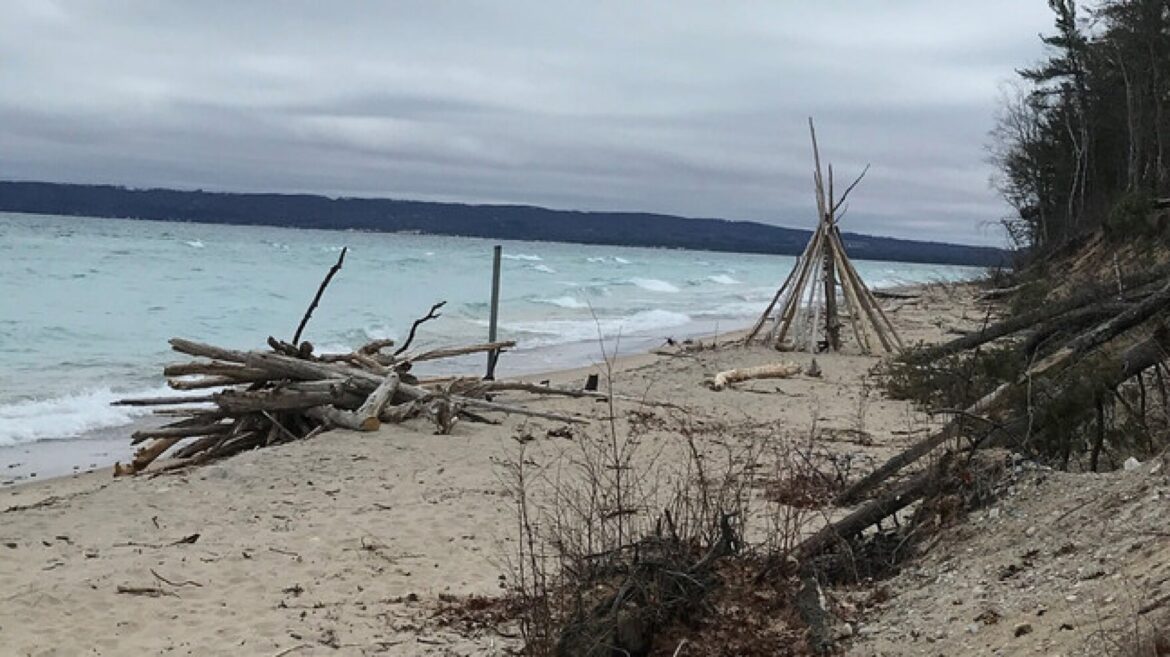
A driftwood tipi standing on a beach east of Pyramid Point is a clear indication of human hands at work. Sleeping Bear Dunes National Lakeshore recently posted a picture of one on its Facebook page to encourage people not to leave a trace.
You Can’t Beat Climate Change Without Tackling Disinformation
Over more than a century, PR firms built and fine-tuned a machine to deceive the public.
Drinking Water News Roundup: Infrastructure funding in Minnesota, Wisconsin, false confidence in Michigan water
Catch the latest drinking water updates with Great Lakes Now’s biweekly headline roundup.
More people are worried about the health of the Great Lakes, according to poll
The poll by the Great Lakes Water Quality Board asked 4,500 people to rate the current status of the environmental health of their favorite Great Lake.
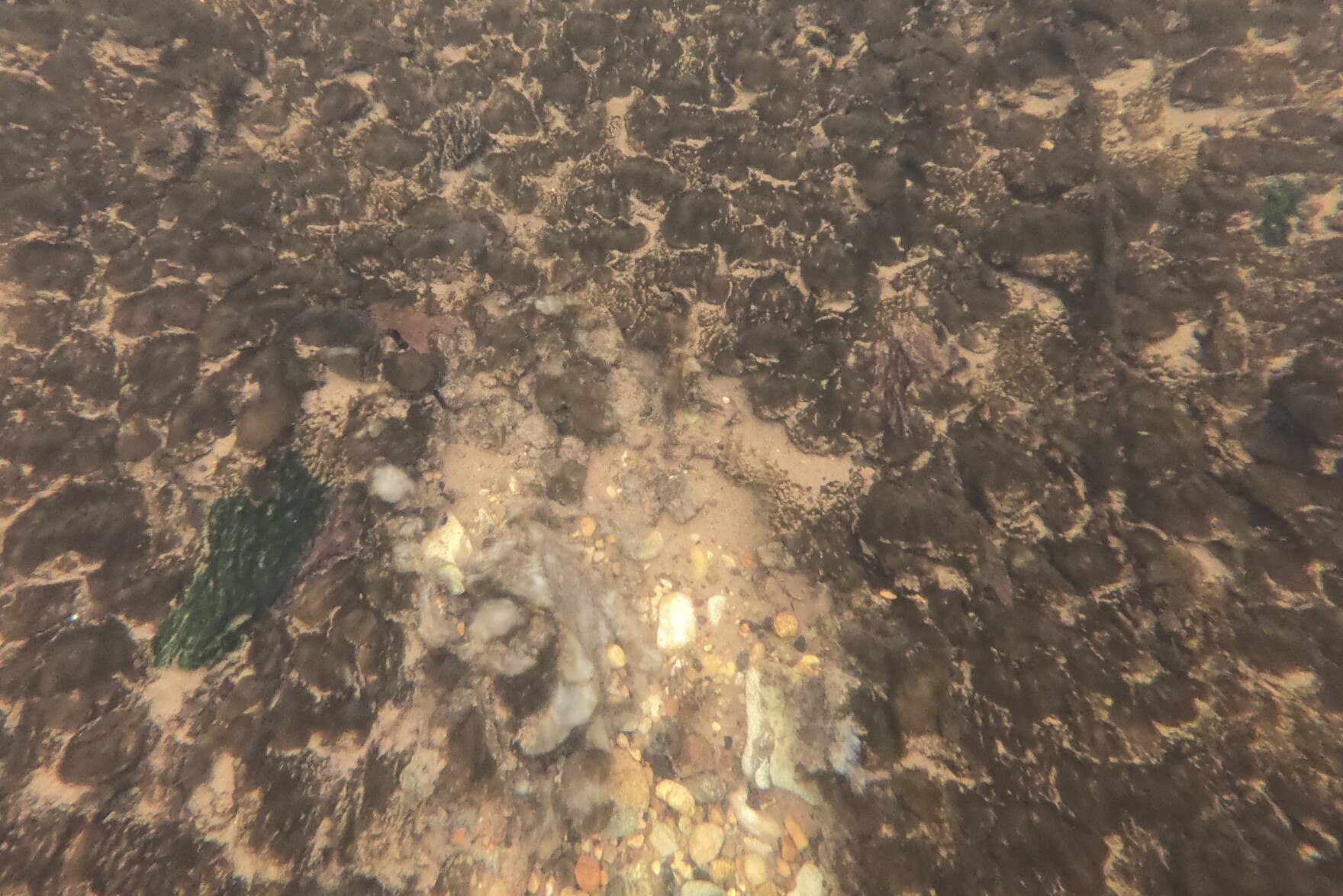
For the first time, “rock snot” nuisance algal blooms found in Lower Peninsula trout stream
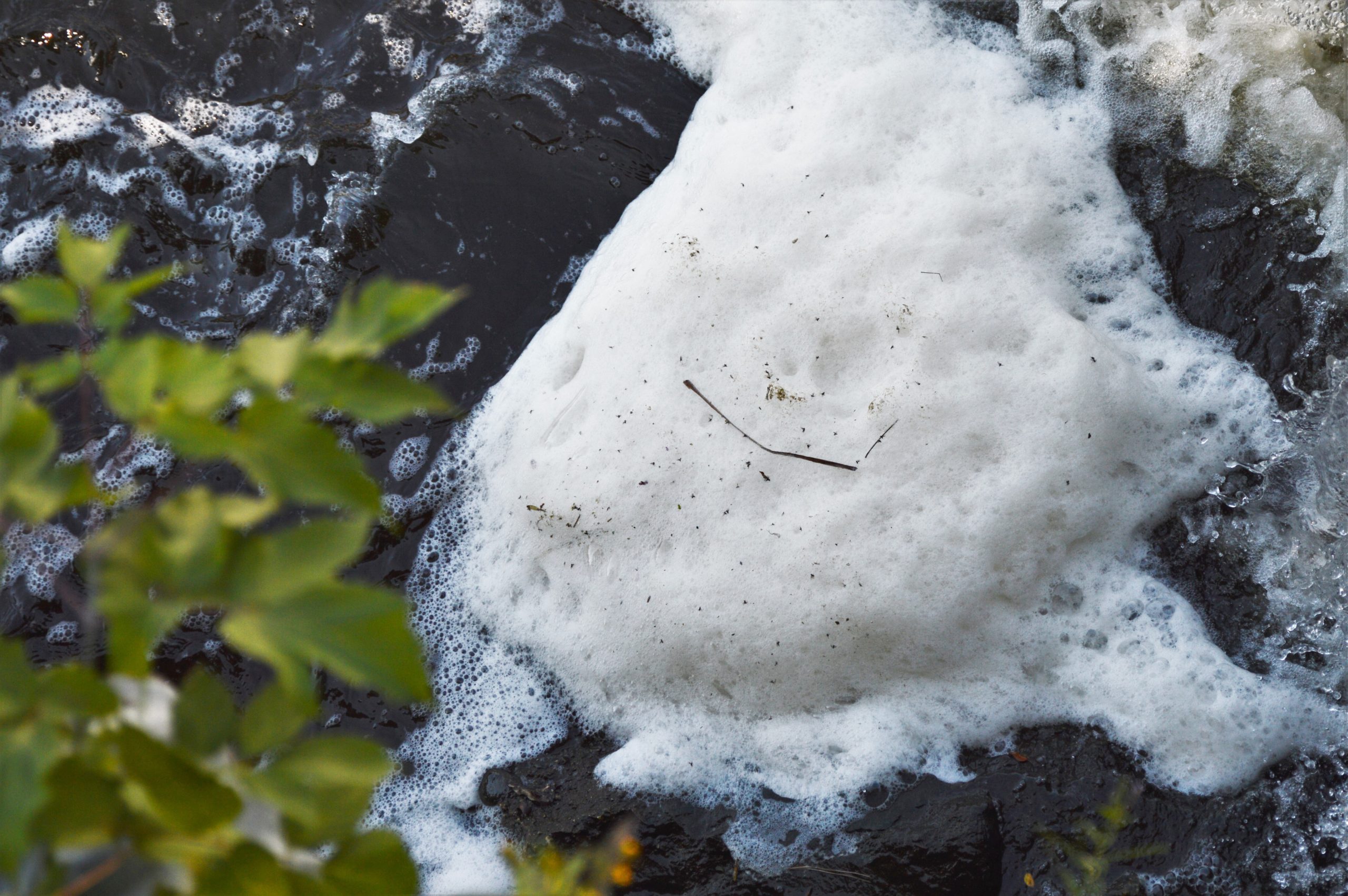
“It tends to look like a cotton wooly substance. And despite the term ‘rock snot,’ it’s not slimy; it’s actually quite coarse,” said Joanne Foreman, Invasive Species Communications Coordinator with the Michigan Department of Natural Resources.
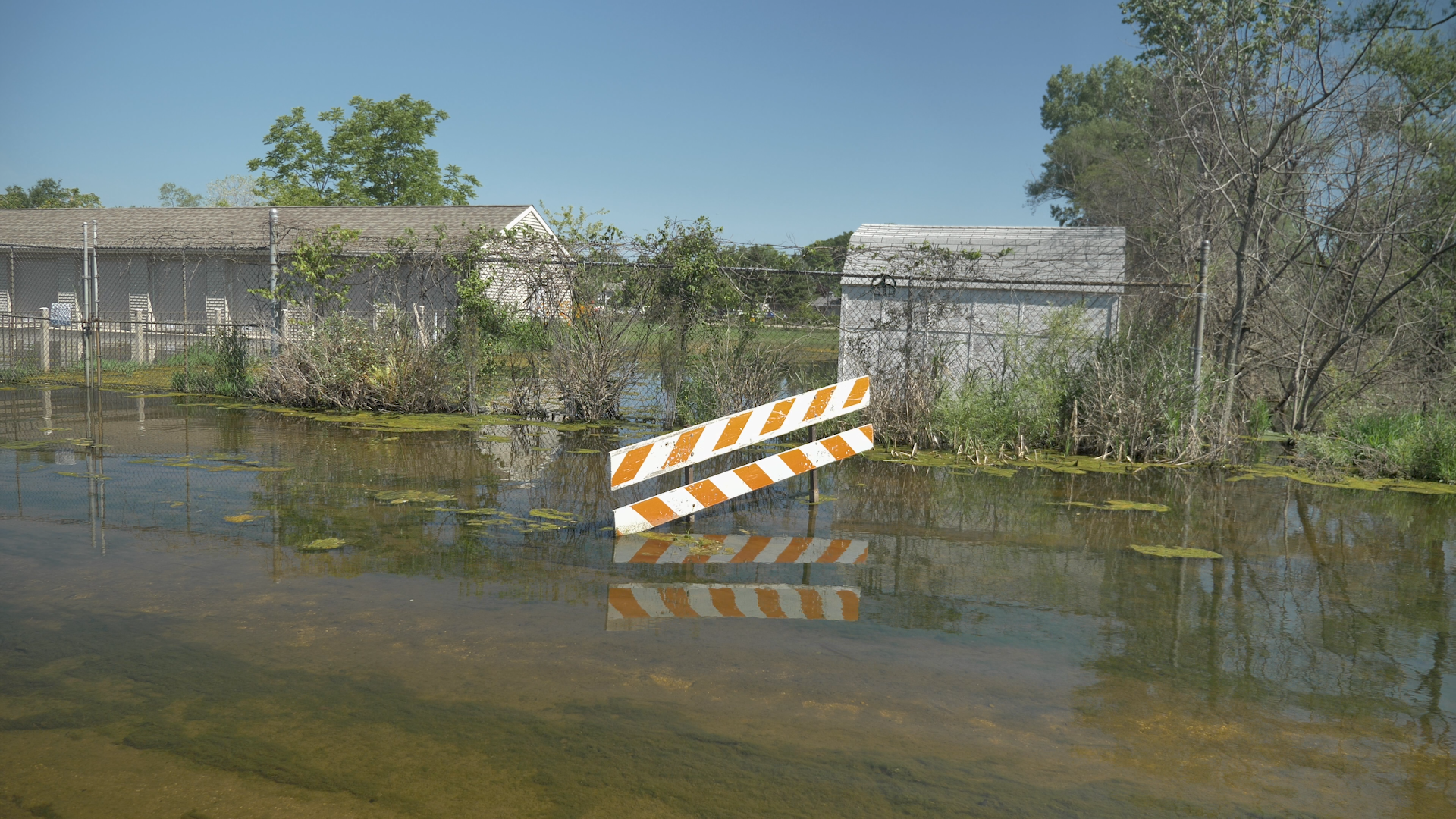
Lower Rates: New flood risk assessment will reduce insurance rates in the Great Lakes region
Michigan in particular will see a drop in flood-related insurance premiums. But overall, every Great Lakes state will have a larger percentage of residents receiving immediate rate decreases than the national average of 23%.
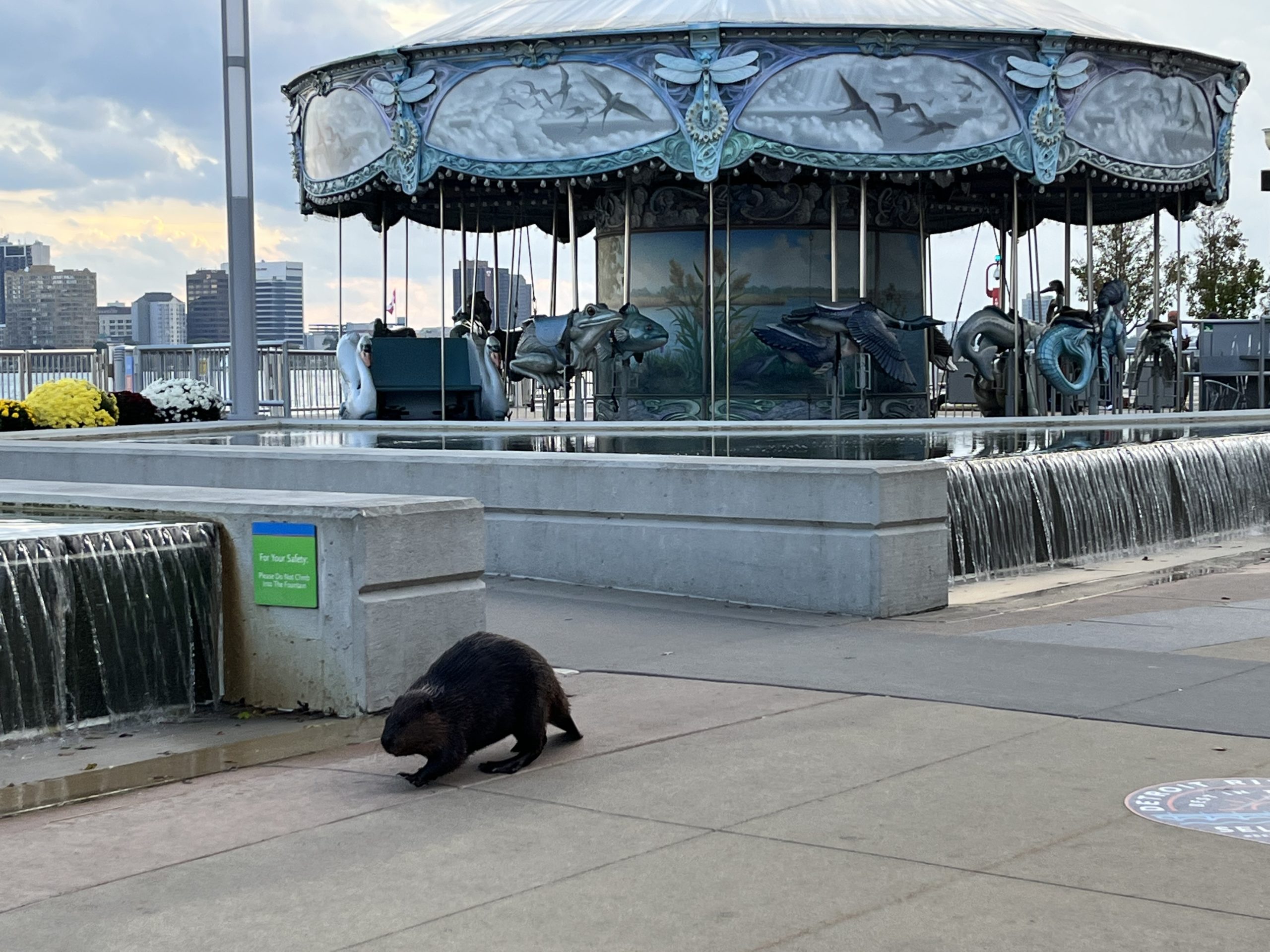
Great Lakes Moment: Small habitat patches can have big ecological impact
Researchers found that preserving small, isolated patches of land is just as critical to biodiversity and saving species as preserving large swathes of it. Key examples reside in Detroit and Chicago.
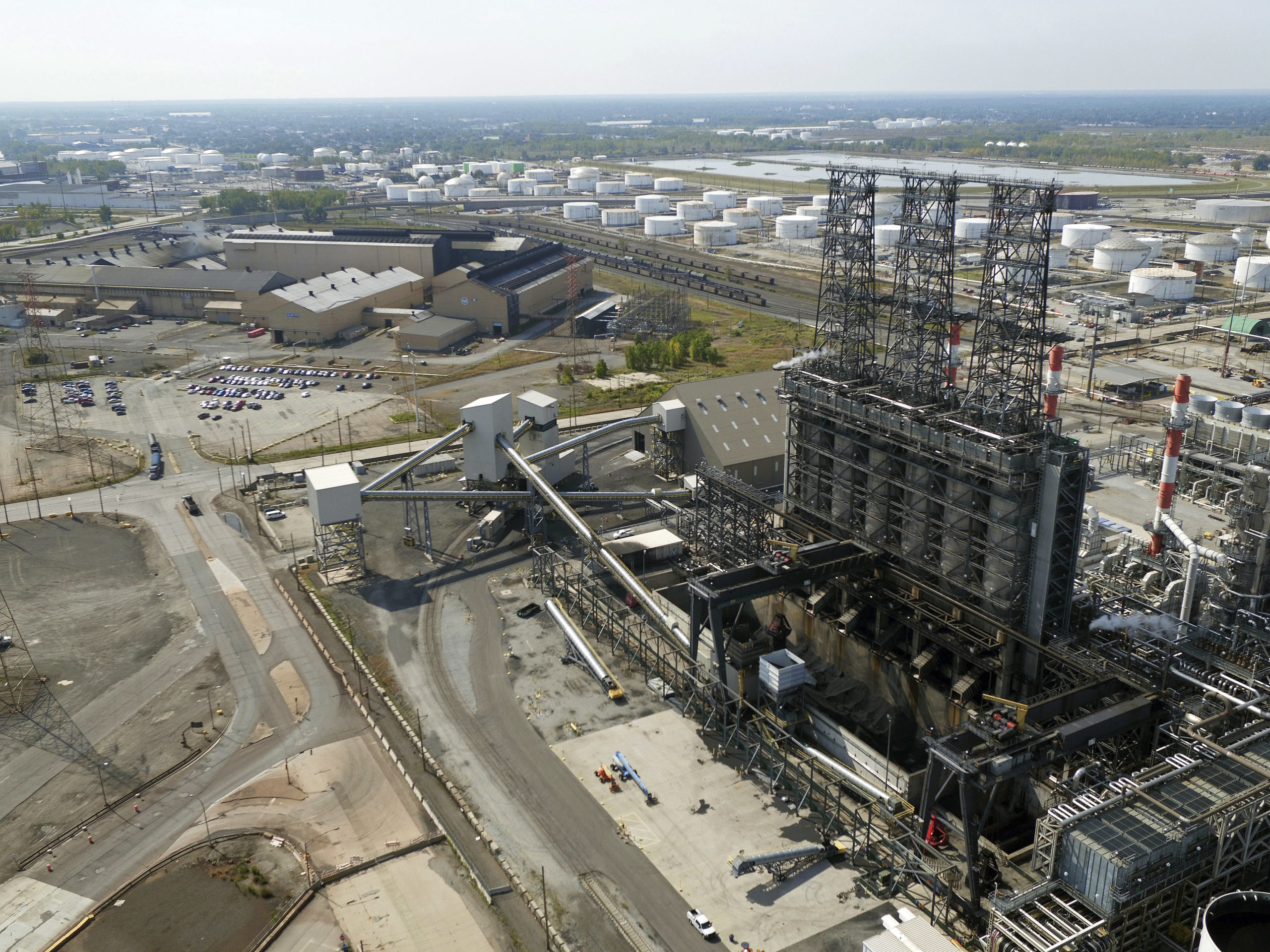
BP agrees to $500K penalty, soot limits at Indiana refinery
Oil giant BP agreed Thursday to pay a $512,450 penalty and reduce soot emissions from its Whiting refinery in Indiana under an agreement with regulators and activists who accused the company of violating an earlier deal.