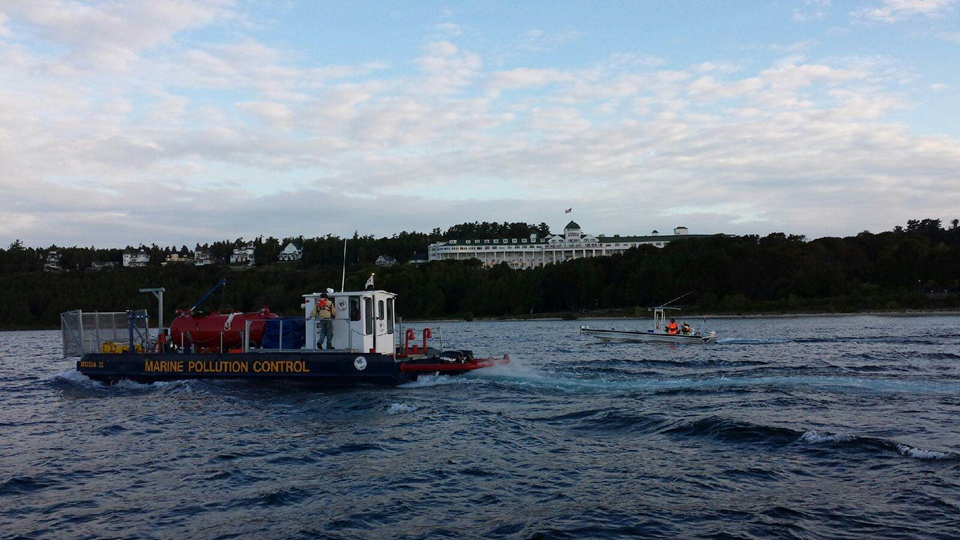

Marine Pollution Control was founded in Detroit in 1967 as the first oil spill cleanup company in the Great Lakes and one of the very first in the nation.
Posted inAbout Great Lakes Now, Fish, Birds and Animals, Latest News, News, Ohio, Recreation and Tourism, Recreational Hunting and Fishing, Region, Research, Data and Technology, Science, Technology & Research, Who We Are and What We Do
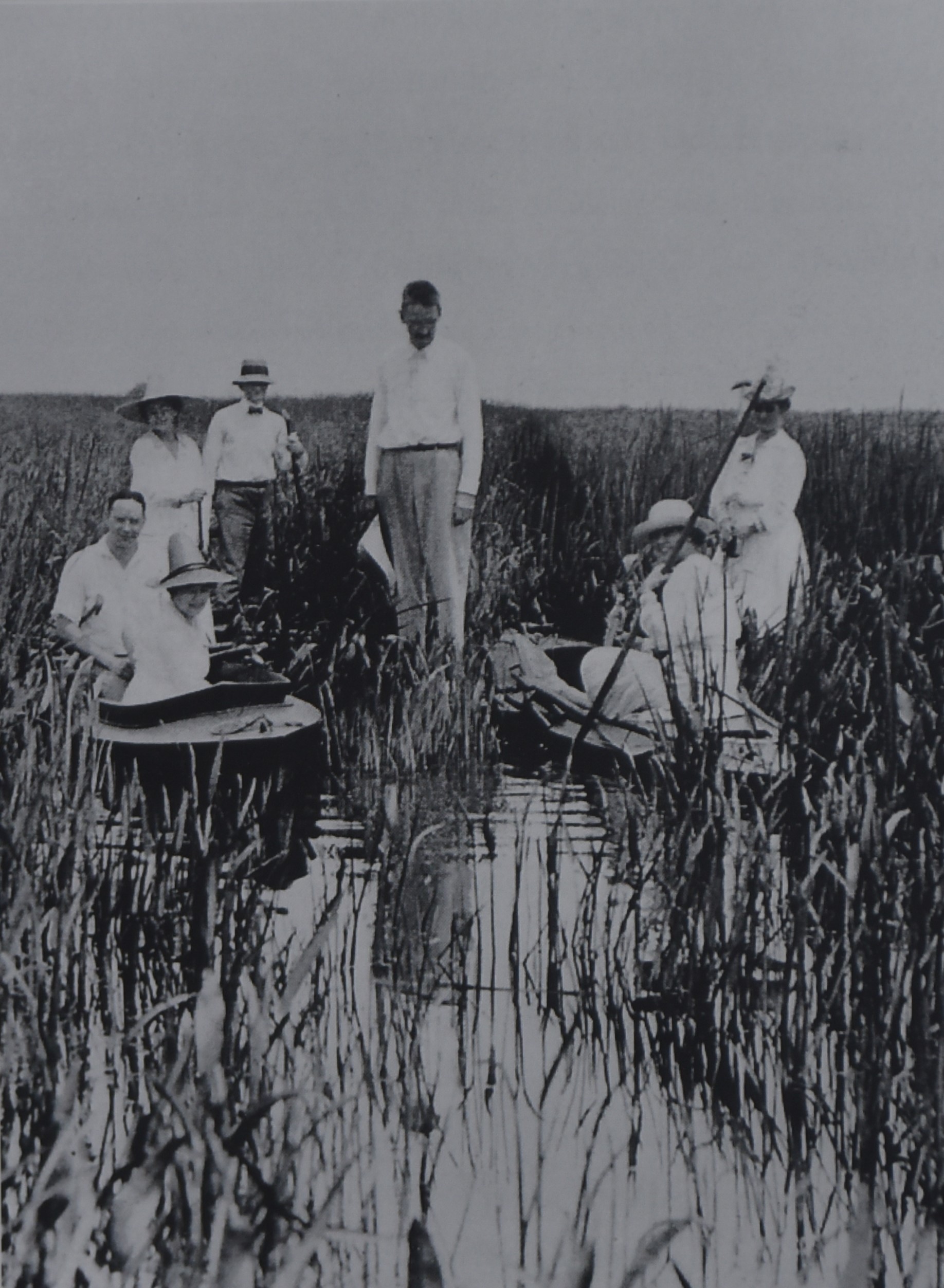
Winous Point: Conservation and research play key roles in history of one of the oldest hunting clubs

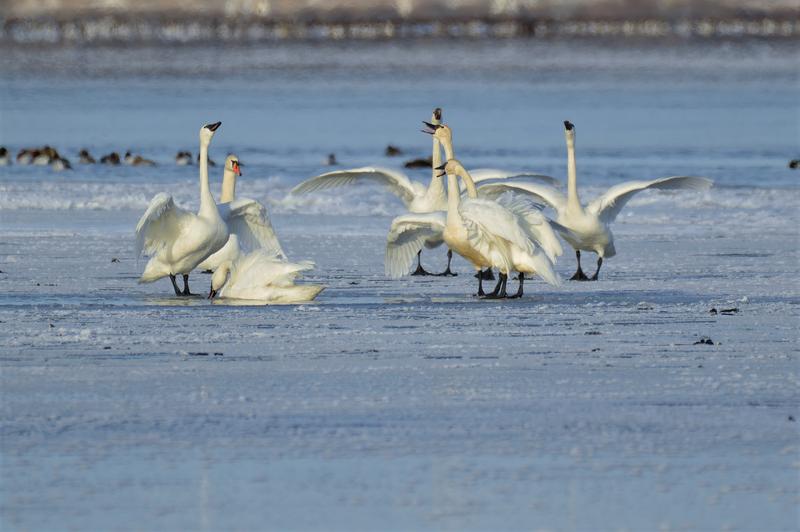
While hunting has been a hallmark of the Winous Point Shooting Club for more than 150 years, its true nature leans more toward conservation – especially since the creation of the Winous Point Marsh Conservancy two decades ago.
Posted inCulture, Drinking Water, Drinking Water News Roundup, Groundwater Contamination, Illinois, Indigenous Communities, Lake Michigan, Latest News, Lead, Michigan, Minnesota, New York, News, Ohio, Ontario, Pennsylvania, Quebec, Region, Water Quality, Water Withdrawals
Drinking Water News Roundup: Climate change and Illinois water withdrawals, clean water for Michigan students

Catch the latest drinking water updates with Great Lakes Now’s biweekly headline roundup.
Posted inBudget, Great Lakes News Collaborative, Infrastructure, Latest News, Michigan, Policy, Politics, Region, Water Quality
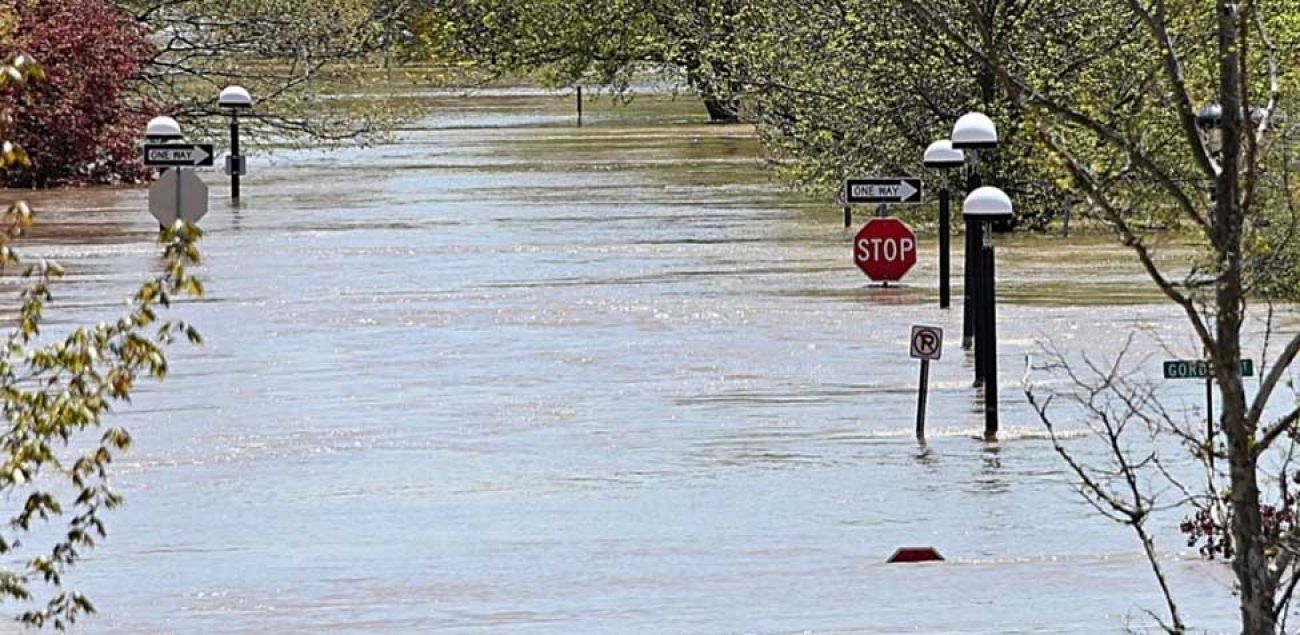
Michigan dams need ‘immediate attention’ to prevent next failure

A state task force has determined 86 recommendations released Thursday, identifying a host of regulatory, legal and funding fixes for aging dams and to boost dam safety.
Posted inDrinking Water, Forever Chemicals Featured, Great Lakes News Collaborative, Latest News, Minnesota, News, PFAS, Region, Water Quality
HotSpots H2O: Minnesota Rolls Out Plan for PFAS Contamination

Referred to as Minnesota’s PFAS blueprint, the plan will focus on three goals: to prevent PFAS pollution, to manage sources of already occurring PFAS, and to clean up contamination.

Posted inAbout Great Lakes Now, Budget, Drinking Water, Infrastructure, Latest News, News, Ontario, Politics, Quebec, Region, U.S. and Canadian Federal Governments, Water Quality, Who We Are and What We Do
Cross-border Concerns: Biden administration a new opportunity for Canadian cooperation over Great Lakes

What could future stewardship in the Great Lakes look like for Canada and the new U.S. administration?
Posted inDrinking Water, Forever Chemicals Featured, Industry, Latest News, News, PFAS, Water Quality
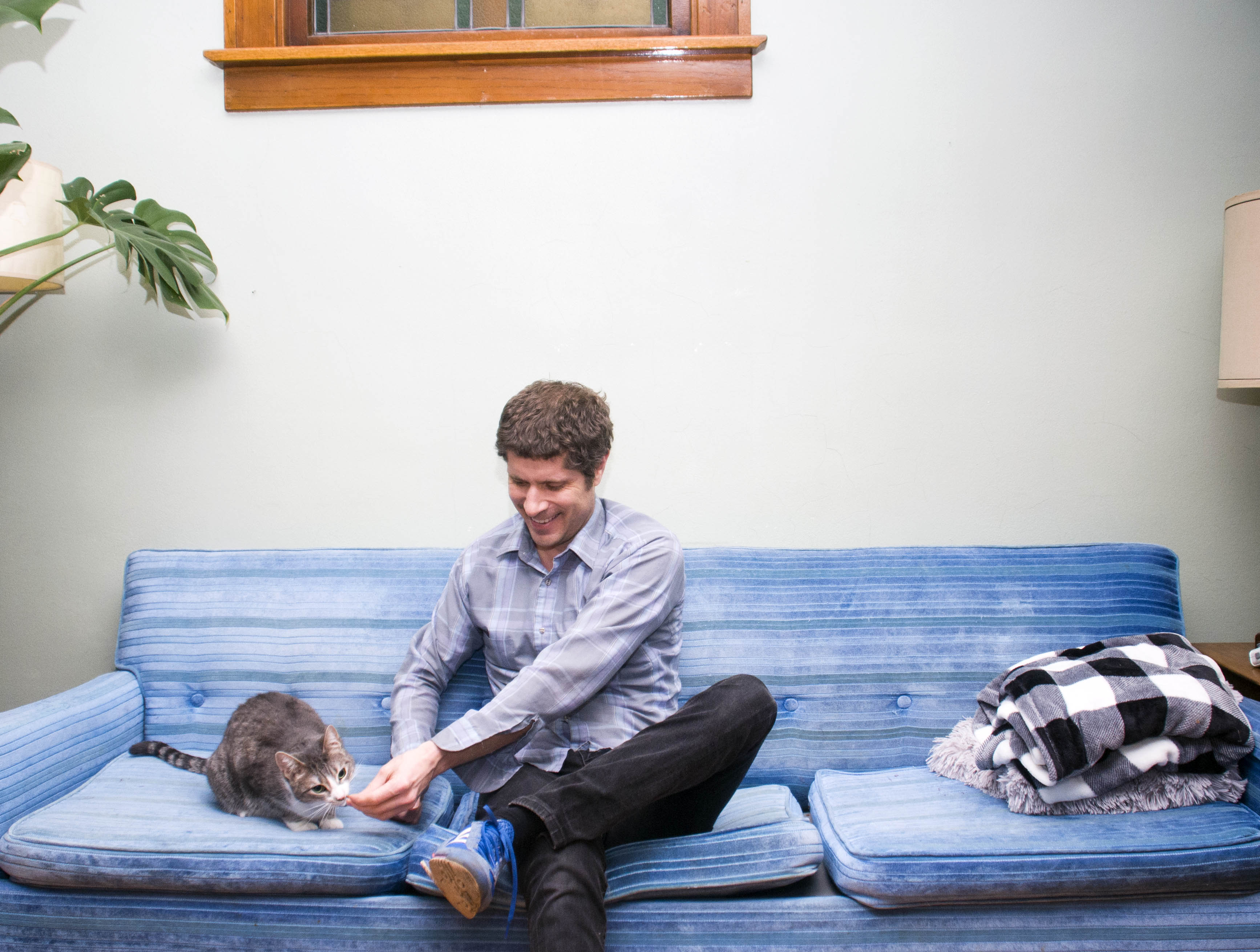
PFAS in the House: Are toxic “forever chemicals” a steady drip in this reporter’s home?

I had my blood, my cat’s blood and many products in my home tested for the toxic ‘forever chemicals.’ Here’s what I found.
Posted inClimate, Culture, Drinking Water, Fish, Birds and Animals, Great Lakes News Collaborative, Indigenous Communities, Invasive Species, Lake Superior, Latest News, Michigan, News, Region, Research, Data and Technology, Science, Technology & Research, Water Quality
The future of Lake Superior with climate disruption

With warming temperatures, fluctuating water levels and a series of extreme storms, Lake Superior is undergoing dramatic alterations amid climate change.
Posted inClimate, Drinking Water, Fish, Birds and Animals, Great Lakes News Collaborative, Latest News, Michigan, News, Recreation and Tourism, Recreational Hunting and Fishing, Region, Research, Data and Technology, Science, Technology & Research, Water Quality
On Michigan’s inland lakes, ice fishing with less ice, and fewer fish
Warming waters are hard on some fish, such as walleye, and more favorable to others, such as smallmouth bass. With so many environmental stresses, it’s difficult to gauge the future of individual lakes.
Posted inClimate, Drinking Water, Fish, Birds and Animals, Great Lakes News Collaborative, Infrastructure, Latest News, Michigan, News, Region, Research, Data and Technology, Science, Technology & Research, Water Quality
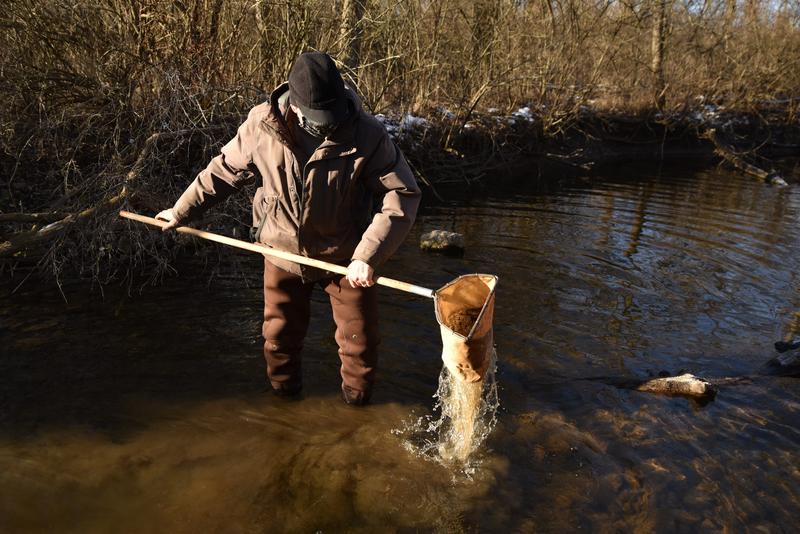
Intense storms from climate change harming Michigan streams and rivers
Severe storms can lead to intensive flooding, soil erosion and disruption to fish populations. Timing is everything in nature.