-

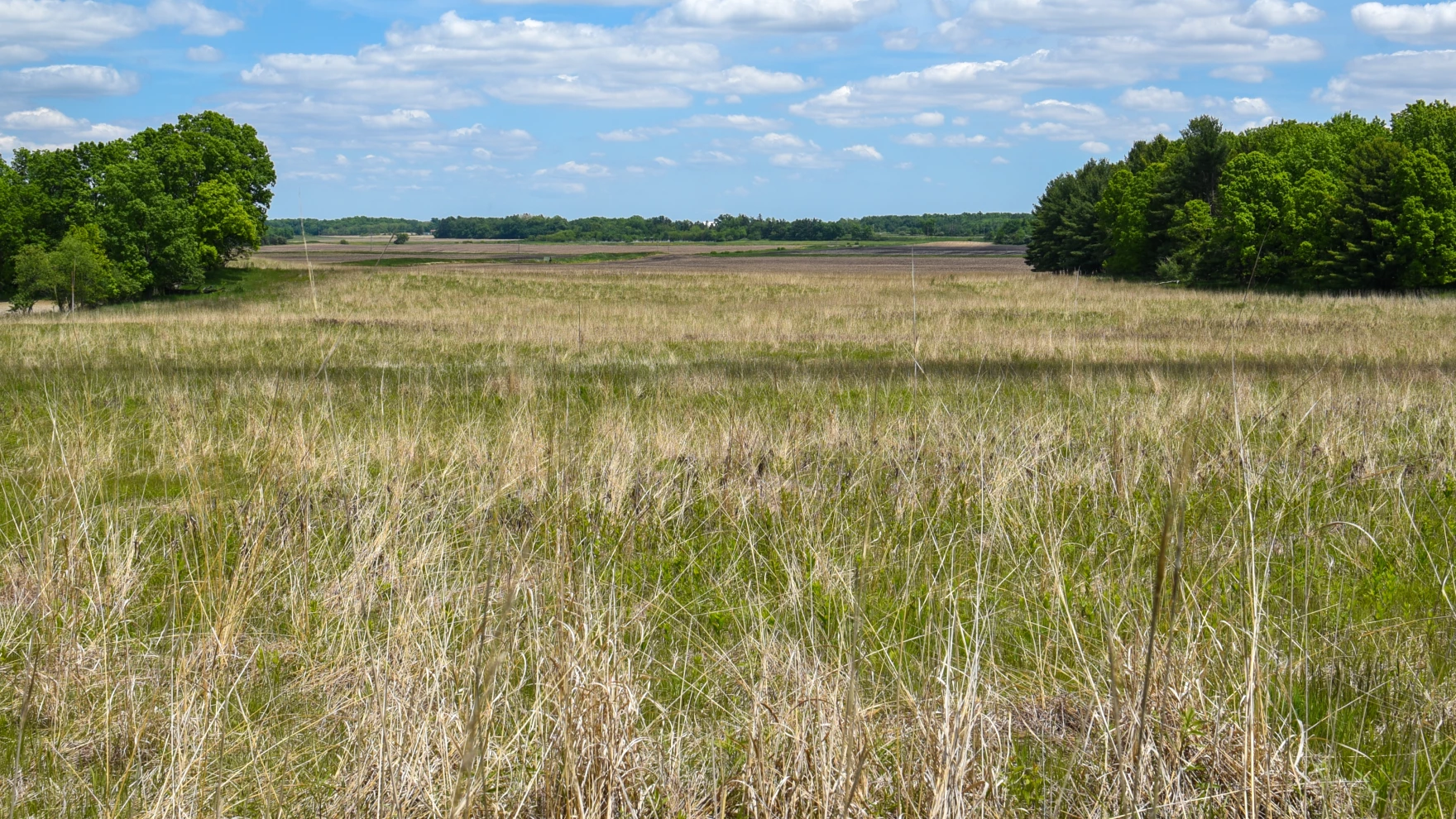
The history of taming the Great Black Swamp
-Before farms and suburbs, the Great Black Swamp thrived. Restoring it could help curb Lake Erie’s harmful algal blooms today.
2 -
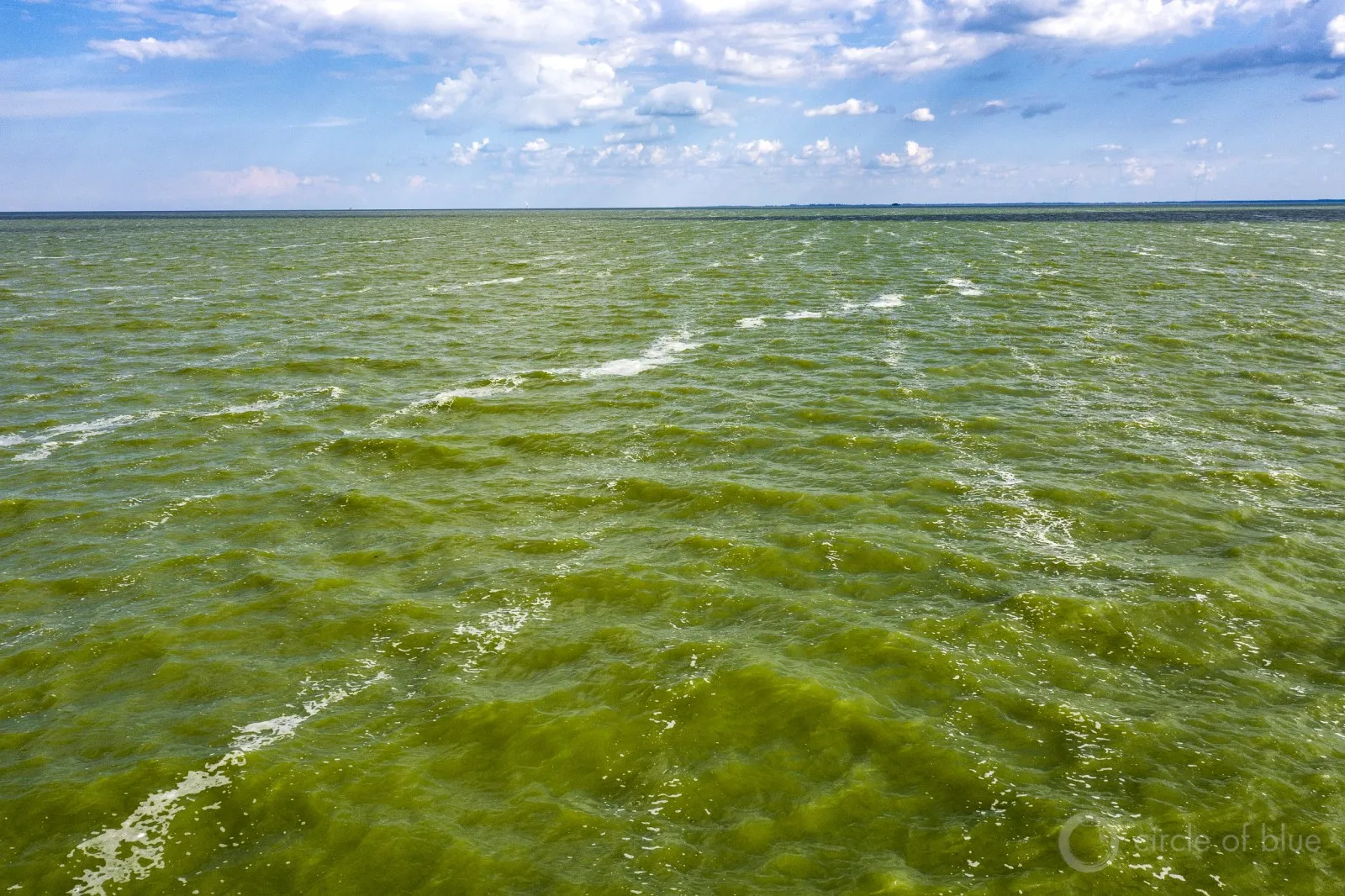
Algae BloomsClimate ChangeFeature HomepageLake ErieLatest NewsNewsResearch, Data and TechnologyScience, Technology, ResearchWater Quality and Restoration EffortsToxic algae blooms are lasting longer in Lake Erie − why that’s a worry for people and pets
-The blooms have become an annual problem in the Great Lakes. DNA studies show what’s growing there and why it’s dangerous.
-

New wetland could show how Michigan can reduce agricultural runoff polluting Lake Erie
-Each summer, Lake Erie is plagued by toxic cyanobacterial blooms fed by phosphorus runoff from farm fields. Michigan is struggling to reduce the pollution by 40%.
-
GLNCGreat Lakes News CollaborativeLake ErieLake HuronLake MichiganLake OntarioLake SuperiorLatest NewsNewsGreat Lakes slightly colder than usual ahead of summer
-As May’s cooler temperatures give way to summertime warmth in Michigan, the Great Lakes are slightly cooler than usual but warming. But where are Michigan’s warmest waters?
-

Michigan’s fight against Lake Erie pollution didn’t work. What happens next?
-Michigan, Ohio and Ontario failed to reduce the total phosphorus entering Lake Erie in 10 years. State officials and environmentalists are butting heads on where to go from here.
-
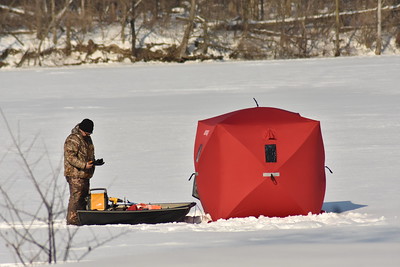
Climate ChangeLake ErieLatest NewsNewsOhioRecreation and TourismRecreational Hunting and FishingScience, Technology, ResearchIce fishing returns to Lake Erie after years of thin ice and open water
-This year’s winter has been a breath of fresh air for ice fishing enthusiasts and businesses around Lake Erie.
-
Algae BloomsCollaborationFeature HomepageGreat Lakes News CollaborativeLake ErieLatest NewsMichiganNewsWater Quality and Restoration EffortsCan Michigan reduce phosphorus pollution getting into Lake Erie by 40 percent?
-Michigan won’t reach the phosphorus reduction goal by 2025 as planned. It’s uncertain when it might attain that goal to help reduce cyanobacterial blooms in Lake Erie.
-
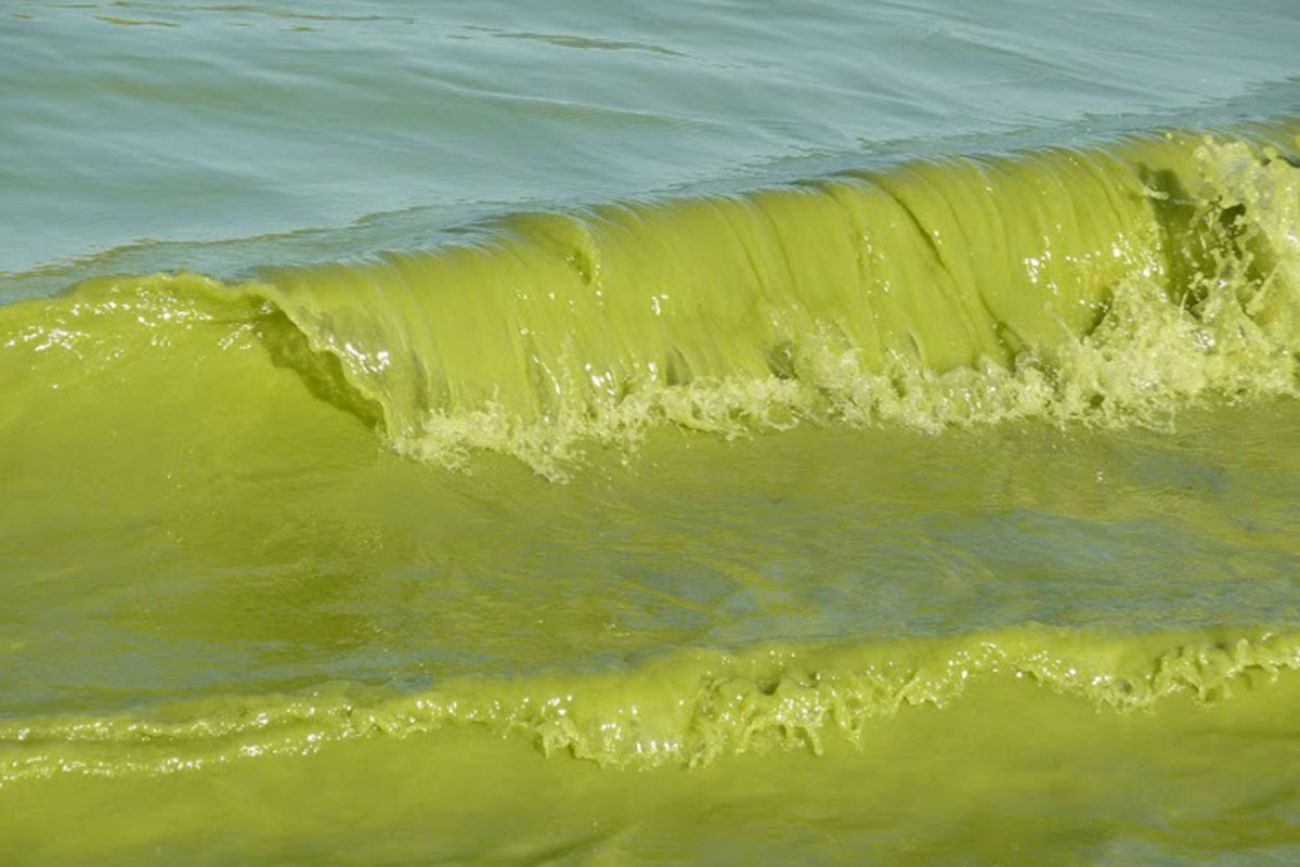
Algae BloomsClimate ChangeCollaborationGreat Lakes News CollaborativeLake ErieLatest NewsNewsResearch, Data and TechnologyScience, Technology, ResearchWater Quality and Restoration EffortsToxins from cyanobacterial blooms can be airborne, but the threat to public health is unclear
-Researchers are studying how much of cyanobacterial toxins become airborne. They say breathing in the toxins is much worse than ingesting them.