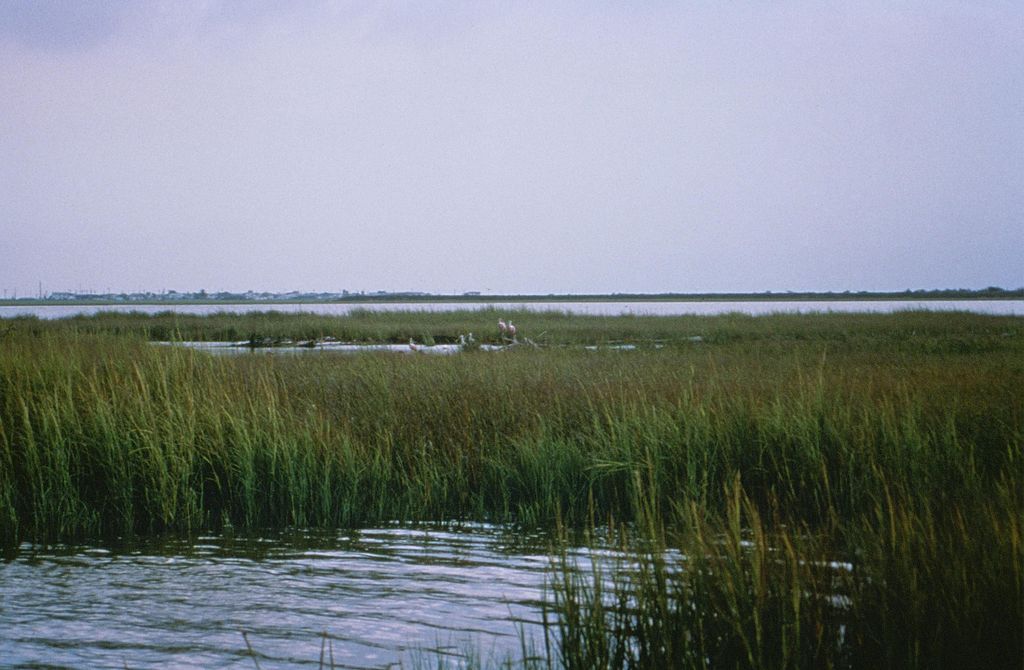

Researchers have found that a common wetland plant native to Australia can remove toxic “forever chemicals” from the surrounding environment.
Posted inCulture, Fish, Birds and Animals, Forests and Plants, Latest News, News, Recreation and Tourism, Research, Data and Technology, Science, Technology & Research, The Catch
Interlochen Public Radio podcast finds ‘[Un]Natural Selection’ in nature

Producer Dan Wanschura says the new series, called “[Un]Natural Selection,” includes multiple stories about the relationship between human resource management and the natural world.
Posted inAbout Great Lakes Now, Drinking Water, Drinking Water News Roundup, Featured, Illinois, Indiana, Latest News, Michigan, News, Ohio, Ontario, Pennsylvania, Politics, Region, Water Quality, Who We Are and What We Do, Wisconsin
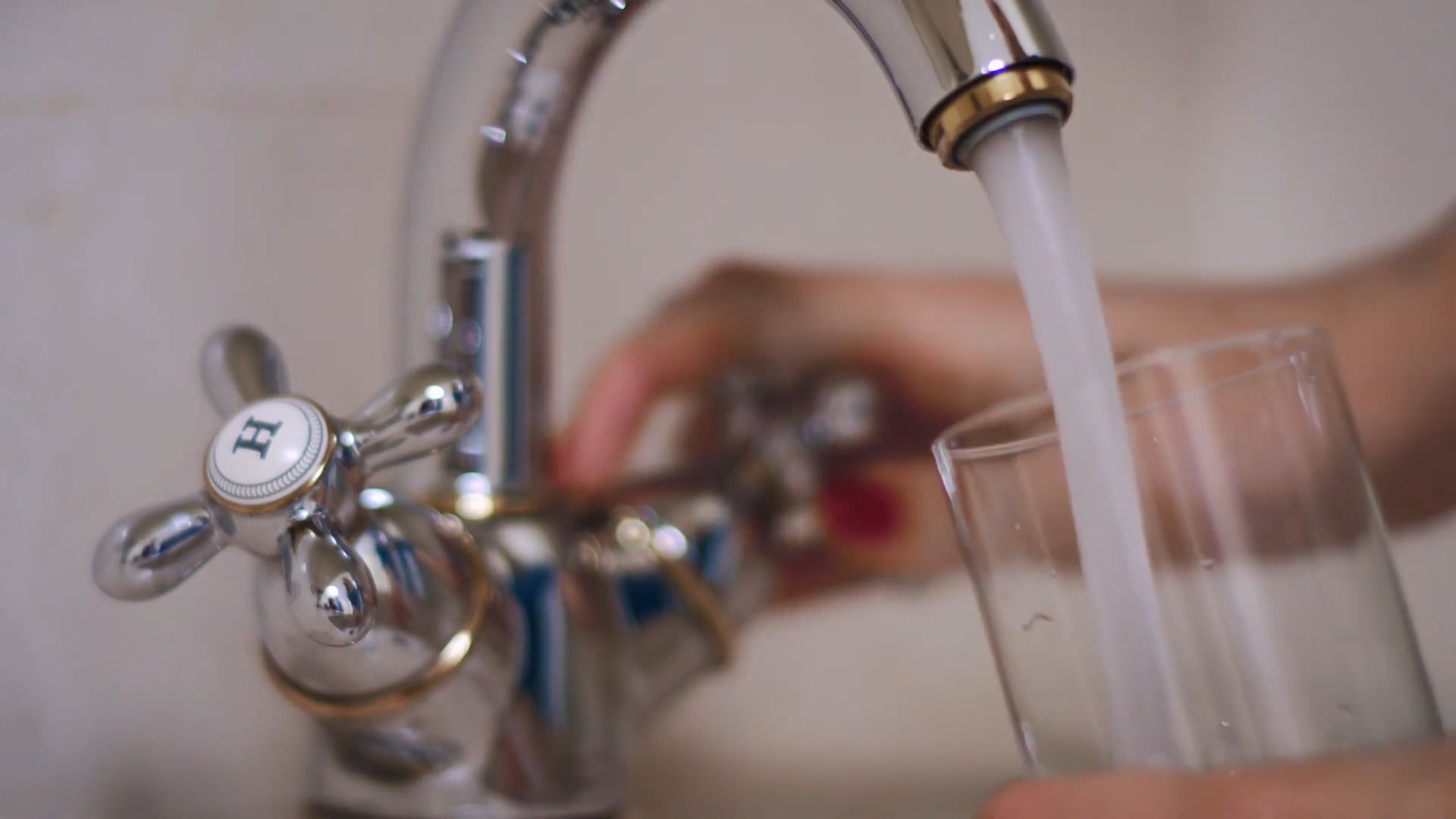
Drinking Water News Roundup: EPA won’t regulate rocket fuel, Illinois prison water contaminated with Legionella

Catch the latest drinking water updates with Great Lakes Now’s biweekly headline roundup.

Posted inDrinking Water, Great Lakes News Collaborative, Groundwater Contamination, Latest News, Michigan, News, PFAS, Region, Research, Data and Technology, Science, Technology & Research, Water Quality
Research finds more PFAS coming out of wastewater treatment plants than going in

New research from Western Michigan University indicates that wastewater treatment plants could have a negative effect on PFAS pollution.
Posted inAbout Great Lakes Now, Culture, Featured, Industry, Latest News, News, Ohio, Recreation and Tourism, Recreational Hunting and Fishing, Region, Tourism, Waterfront Development, Who We Are and What We Do
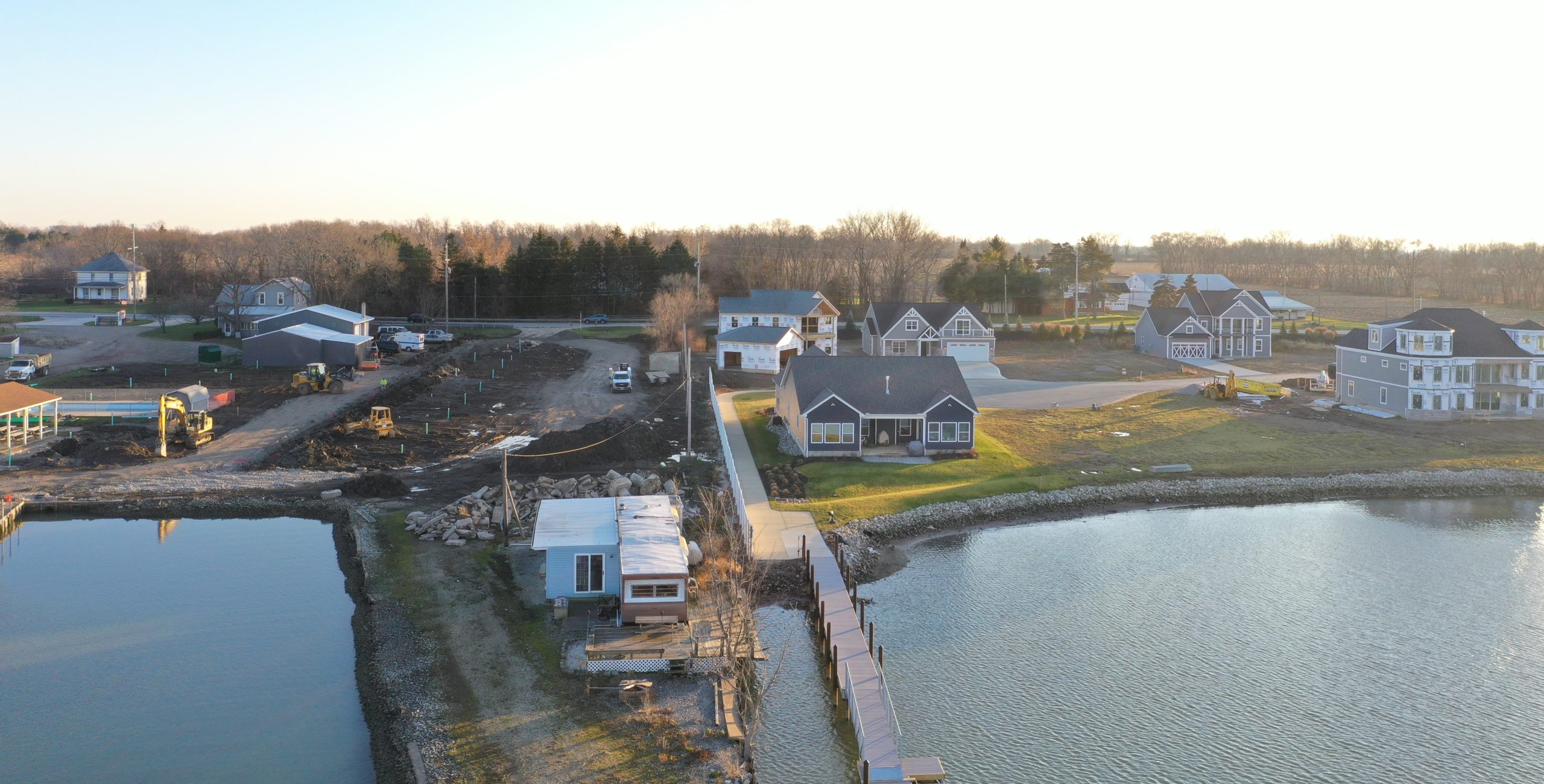
Lakeside Gentrification: Trailer parks and campgrounds the last bulwark against waterfront developments

Despite the best efforts of some lakeside residents and developers, campgrounds just won’t die.
Posted inAbout Great Lakes Now, Drinking Water, Equity and Environmental Justice, Featured, Forever Chemicals Featured, Industry, Michigan, Minnesota, News, Pennsylvania, PFAS, PFAS News Roundup, Politics, Region, Water Quality, Who We Are and What We Do, Wisconsin
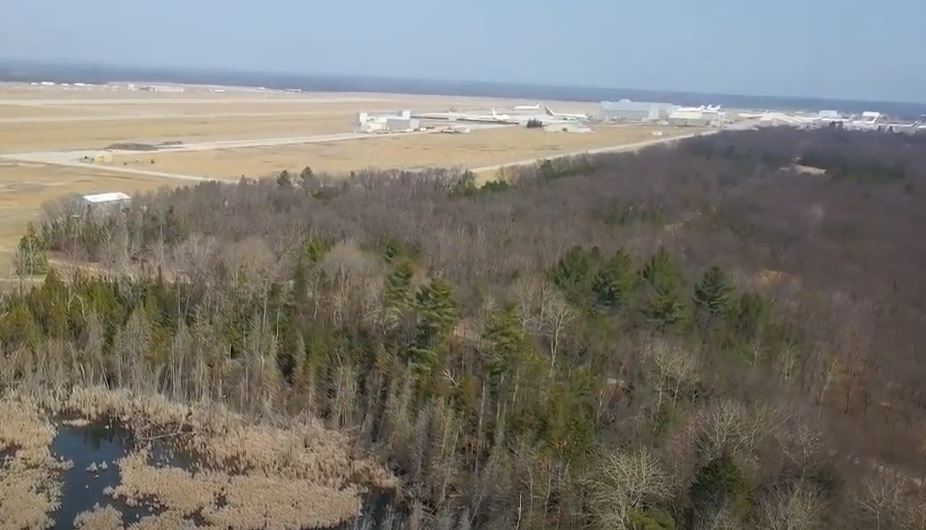
PFAS News Roundup: Pennsylvania sets regulations, judge says Wisconsin DNR can’t regulate, Chemours uses climate change to defend PFAS
Catch the latest updates on what’s happening with PFAS in Great Lakes Now’s biweekly headline roundup.
Posted inCulture, Featured, Indiana, Lake Michigan, Latest News, Michigan, News, Recreation and Tourism, Region, Science, Technology & Research, The Catch, Tourism
A dune moves inland
Reporter Joseph S. Pete of the Times of Northwest Indiana joins Great Lakes Now to further explain why a sand dune is moving, what it means for visitors and ecosystems, and what park officials are doing about it.
Posted inAbout Great Lakes Now, Climate, Lake Huron, Lake Michigan, Lake Superior, Latest News, Michigan, News, Region, Research, Data and Technology, Science, Technology & Research, Who We Are and What We Do, Wisconsin
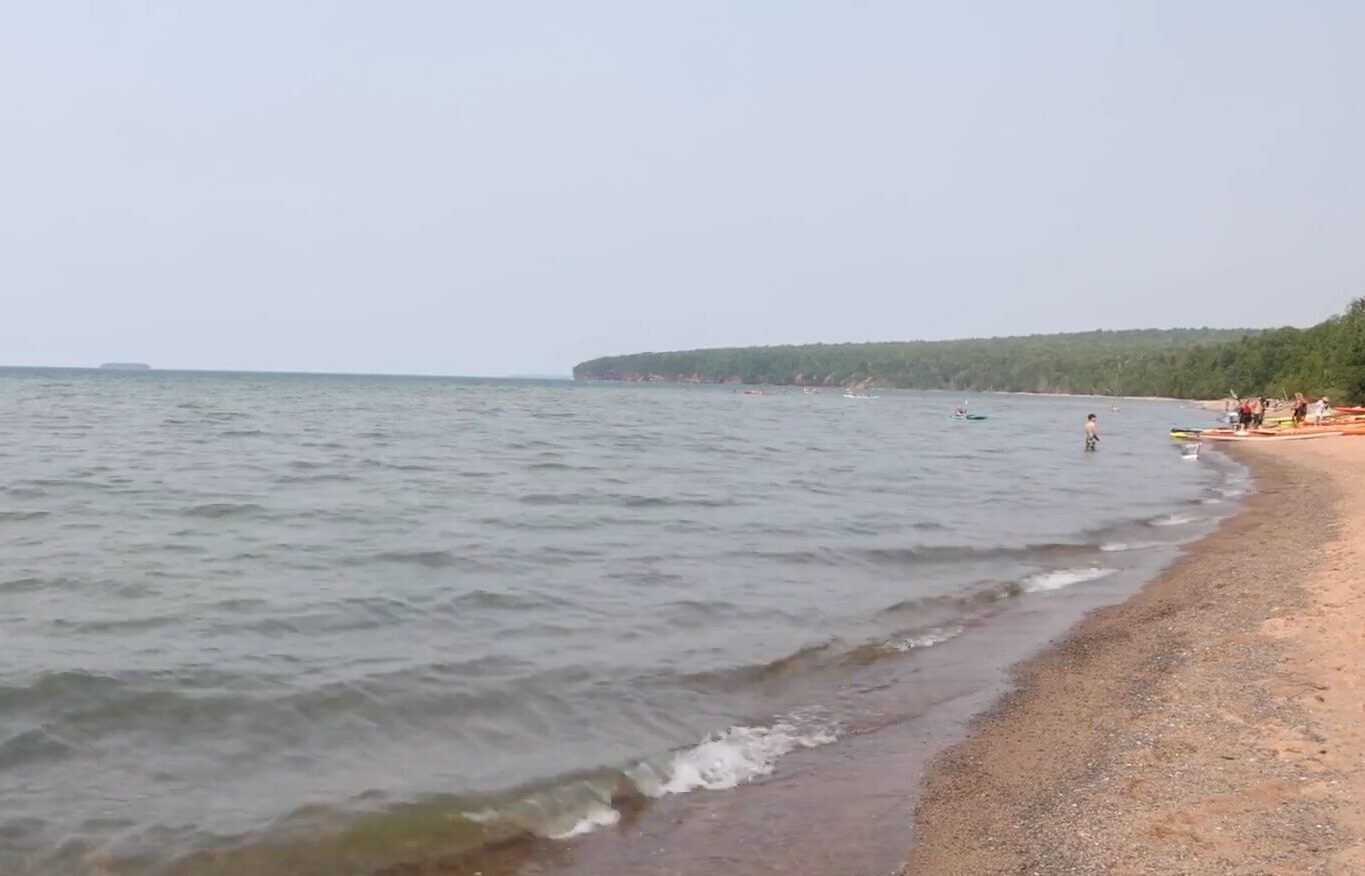
Global warming may impact Great Lakes beaches

Rather than average water levels falling as previously assumed, it’s possible that the average will increase because of more precipitation, which will constrict the beach area.
Posted inBudget, Great Lakes News Collaborative, Industry, Infrastructure, Latest News, Michigan, Municipalities, News, Politics, Region, The States, Water Quality
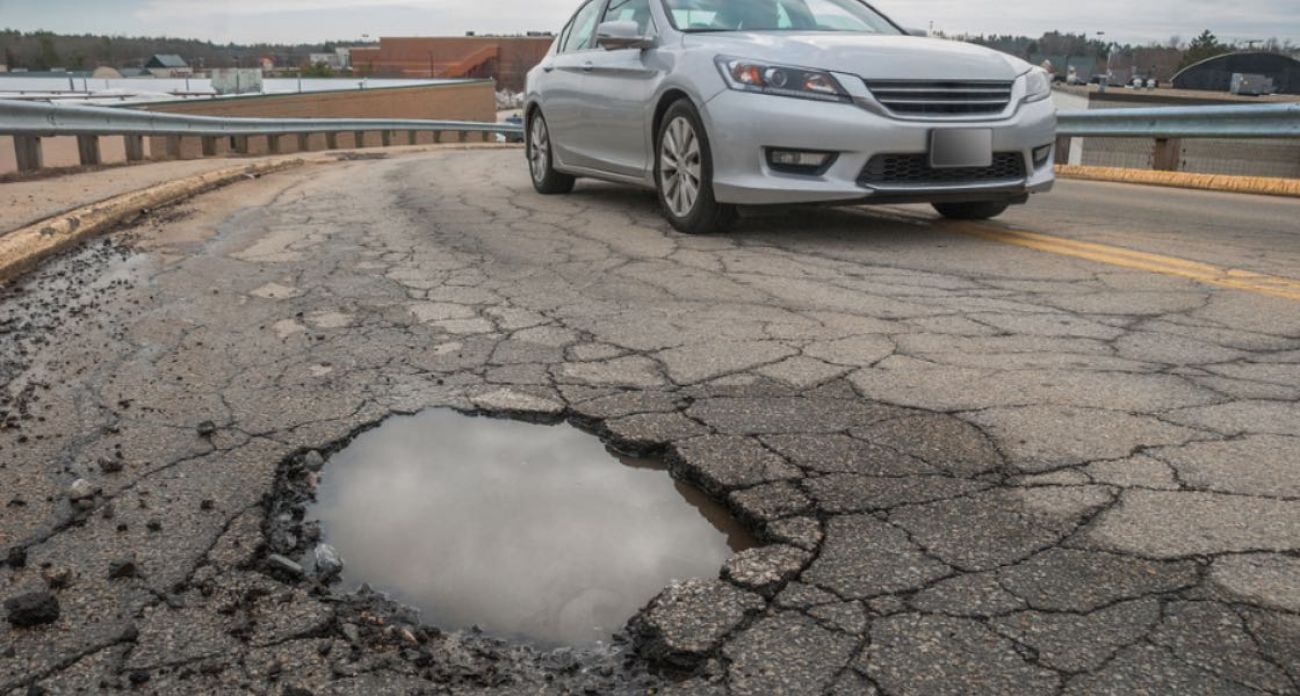
Michigan is spending big on infrastructure. Its problems are even bigger.

Michigan officials are celebrating a “historic” deal that will pump nearly $3 billion into aging infrastructure, but advocates say the state should be spending that much — or more — every year to adequately address decades of disinvestment.
Posted inAbout Great Lakes Now, Drinking Water, Featured, Forever Chemicals Featured, Industry, Latest News, Michigan, News, PFAS, Politics, Region, Research, Data and Technology, Science, Technology & Research, U.S. and Canadian Federal Governments, Water Quality, Who We Are and What We Do
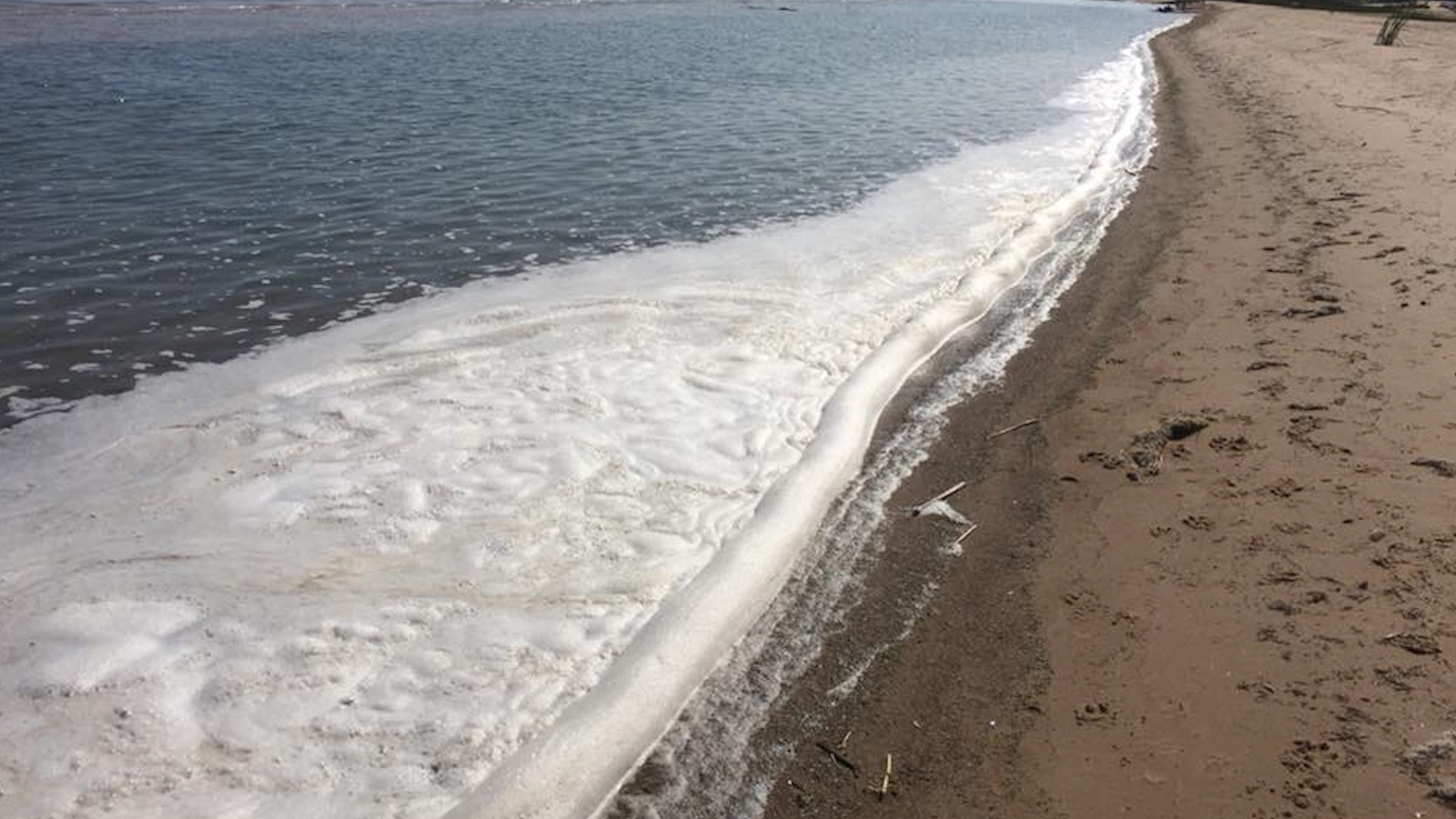
PFAS is a widespread problem. The solution needs to come from widespread sources

In this Q&A, the director of MSU’s Center for PFAS Research Cheryl Murphy discusses the state of PFAS research currently, and why the U.S. and Canada should work together.