

In this month’s column, John Hartig talks about the Great Lakes Water Quality Agreement, signed 50 years ago in April, its binational legacy and whether the time passed has led to complacency.
Posted inAbout Great Lakes Now, Climate, Culture, Featured, Lake Erie, Lake Huron, Lake Michigan, Lake Ontario, Lake Superior, Latest News, News, Region, Science, Technology & Research, Who We Are and What We Do, Wisconsin
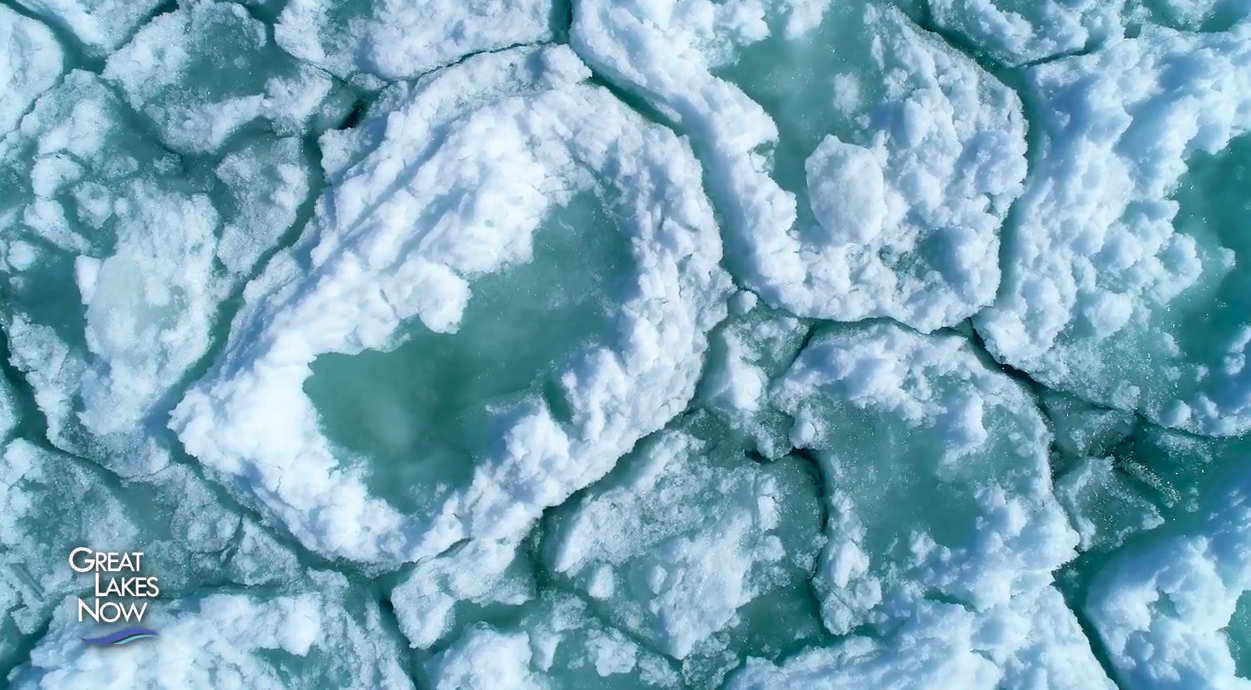
Meet the person making Great Lakes ice popular on TikTok

Geo Rutherford is an artist, an educator, and a popular TikTok creator making videos about lakes, science and art.
Posted inAbout Great Lakes Now, Climate, Energy News Roundup, Energy, Equity and Environmental Justice, Featured, Illinois, Indiana, Industry, Infrastructure, Latest News, Michigan, Minnesota, News, Ohio, Ontario, Pennsylvania, Politics, Region, Science, Technology & Research, Water Quality, Who We Are and What We Do
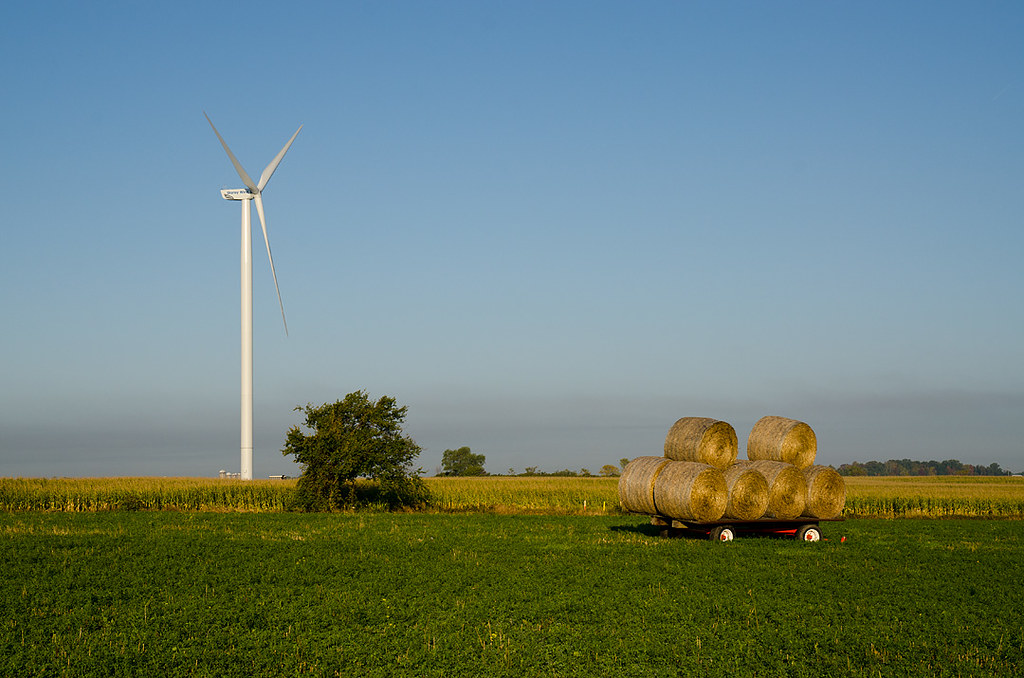
Energy News Roundup: Weatherization money going to states for low-income homes, misinformation derails energy projects
Catch the latest in Great Lakes energy news in Great Lakes Now’s fortnightly headline roundup.
Posted inClimate, Great Lakes News Collaborative, Industry, Infrastructure, Latest News, Michigan, News, Politics, Protect, Region, Research, Data and Technology, Science, Technology & Research, U.S. and Canadian Federal Governments, Water Quality
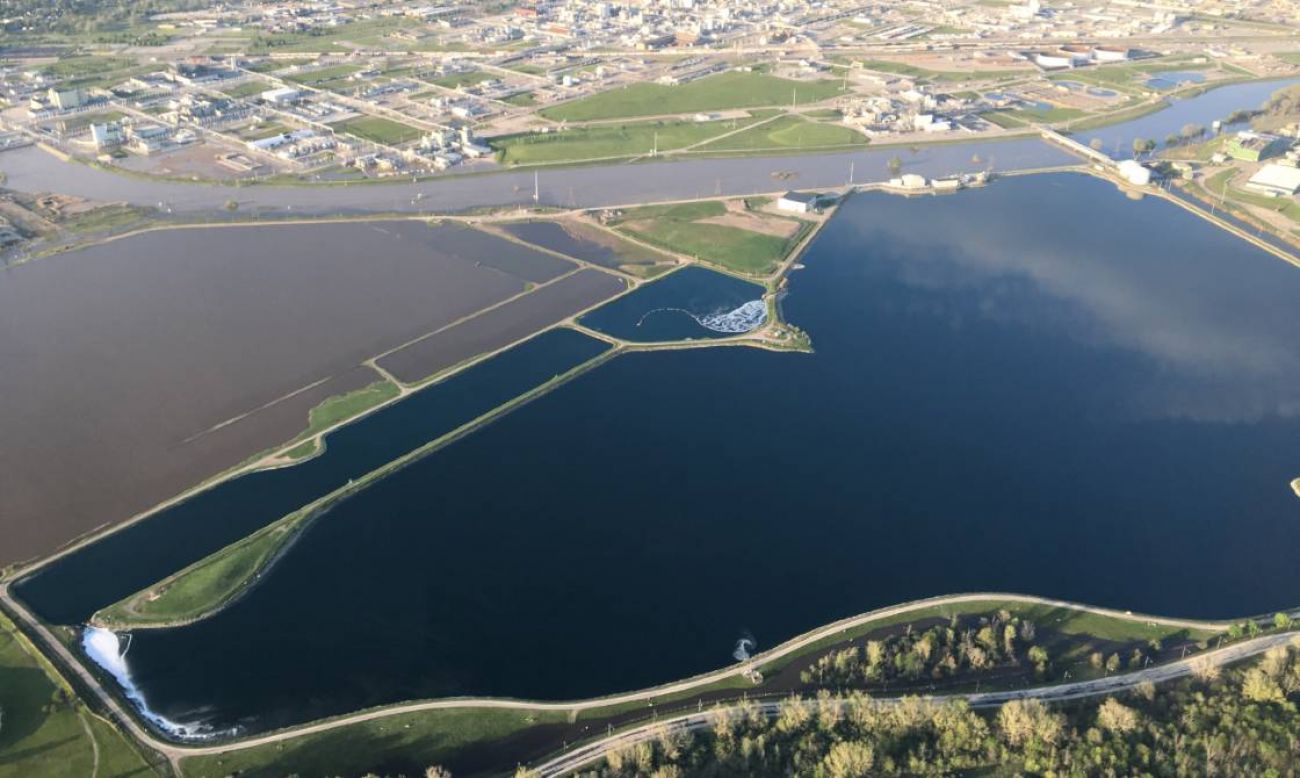
Report: Climate change threatens these 29 Michigan chemical sites

The sites include a plastics manufacturer in Wyandotte, a sewage treatment plant in Jackson, an ice-cream maker in Ludington and a petroleum fuel terminal in St. Clair.

Posted inGreat Lakes News Collaborative, Industry, Latest News, Michigan, News, Recreation and Tourism, Region, Tourism
Michigan parks, more popular than ever, struggle to staff up for summer
Seasonal work at Michigan’s state and local parks was once a sought-after job for students and teachers on summer break, and retirees looking for a diversion.
Posted inCommercial Fishing, Featured, Fish, Birds and Animals, Food, Forever Chemicals Featured, Great Lakes News Collaborative, Industry, Lake Superior, Latest News, Michigan, News, PFAS, Politics, Recreation and Tourism, Recreational Hunting and Fishing, Region, Research, Data and Technology, Science, Technology & Research, Water Quality, Wisconsin
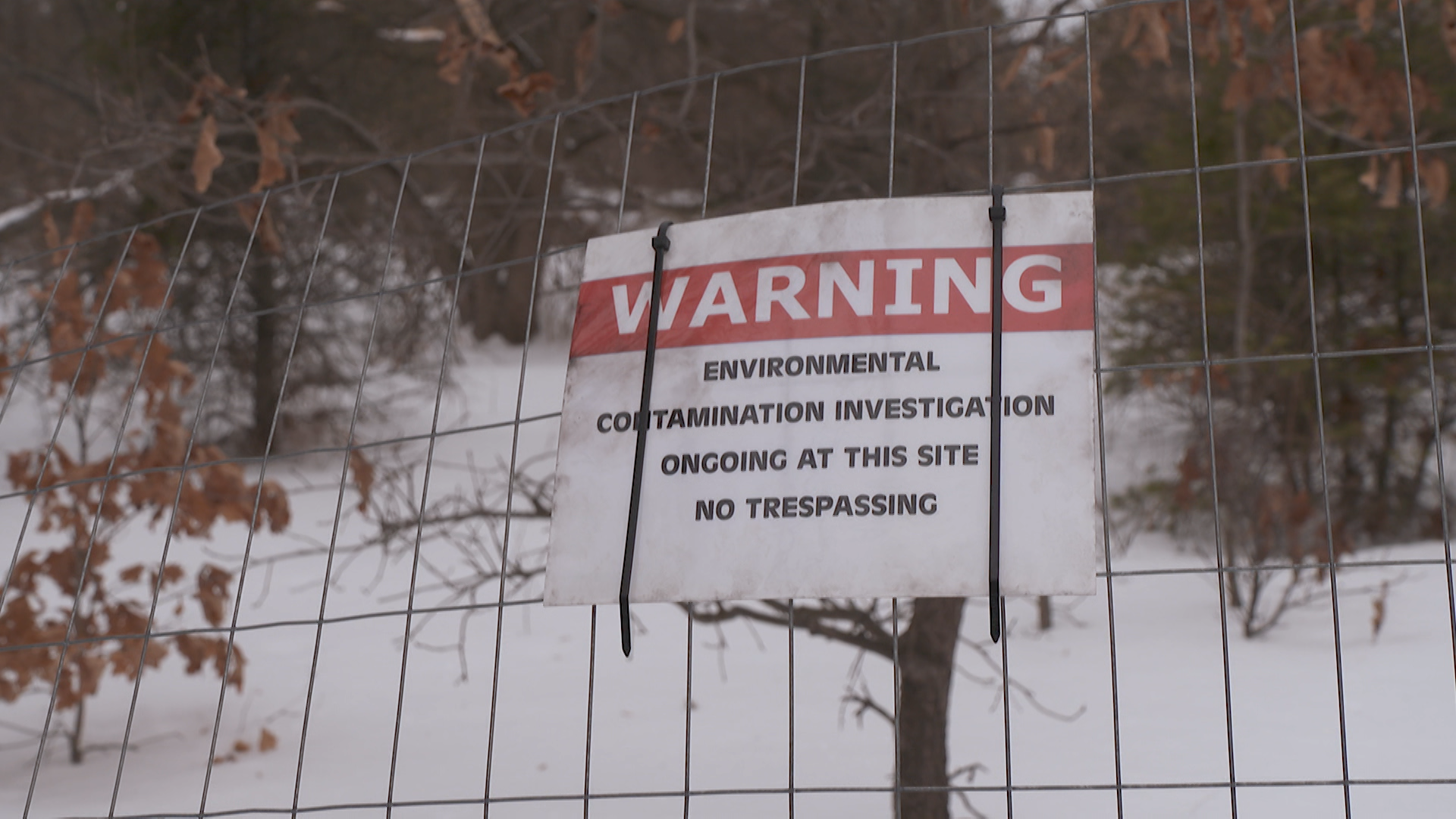
Small portions: Michigan puts PFAS advisory on Lake Superior rainbow smelt
Citing new data showing PFAS contamination in Lake Superior rainbow smelt is more widespread than previously known, state regulators are again warning people to limit their meals of the popular fish.
Posted inFeatured, Fish, Birds and Animals, Invasive Species, Lake Erie, Lake Huron, Lake Michigan, Lake Ontario, Lake Superior, Latest News, Michigan, News, Ontario, Politics, Region, Research, Data and Technology, Science, Technology & Research, U.S. and Canadian Federal Governments
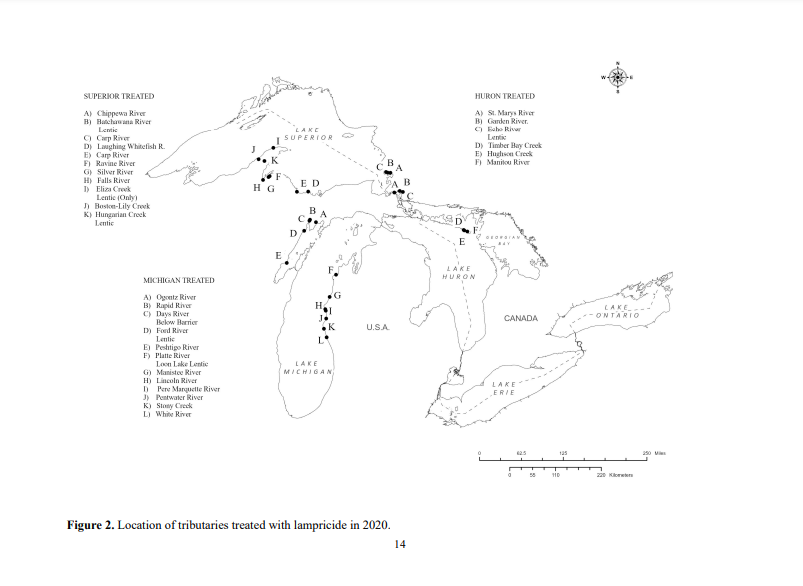
The pandemic that closed the U.S./Canadian border to people may have opened it to the invasive sea lamprey

Great Lakes invasive species cling to shipments and navigate canals to migrate, but one aquatic invader – sea lamprey – benefitted from border closures instead.
Posted inAbout Great Lakes Now, Beaches, Boating, Paddle Sports and Sailing, Drinking Water, Featured, Lake Michigan, Latest News, Michigan, News, Quiz, Recreation and Tourism, Region, Tourism, Water Quality, Who We Are and What We Do
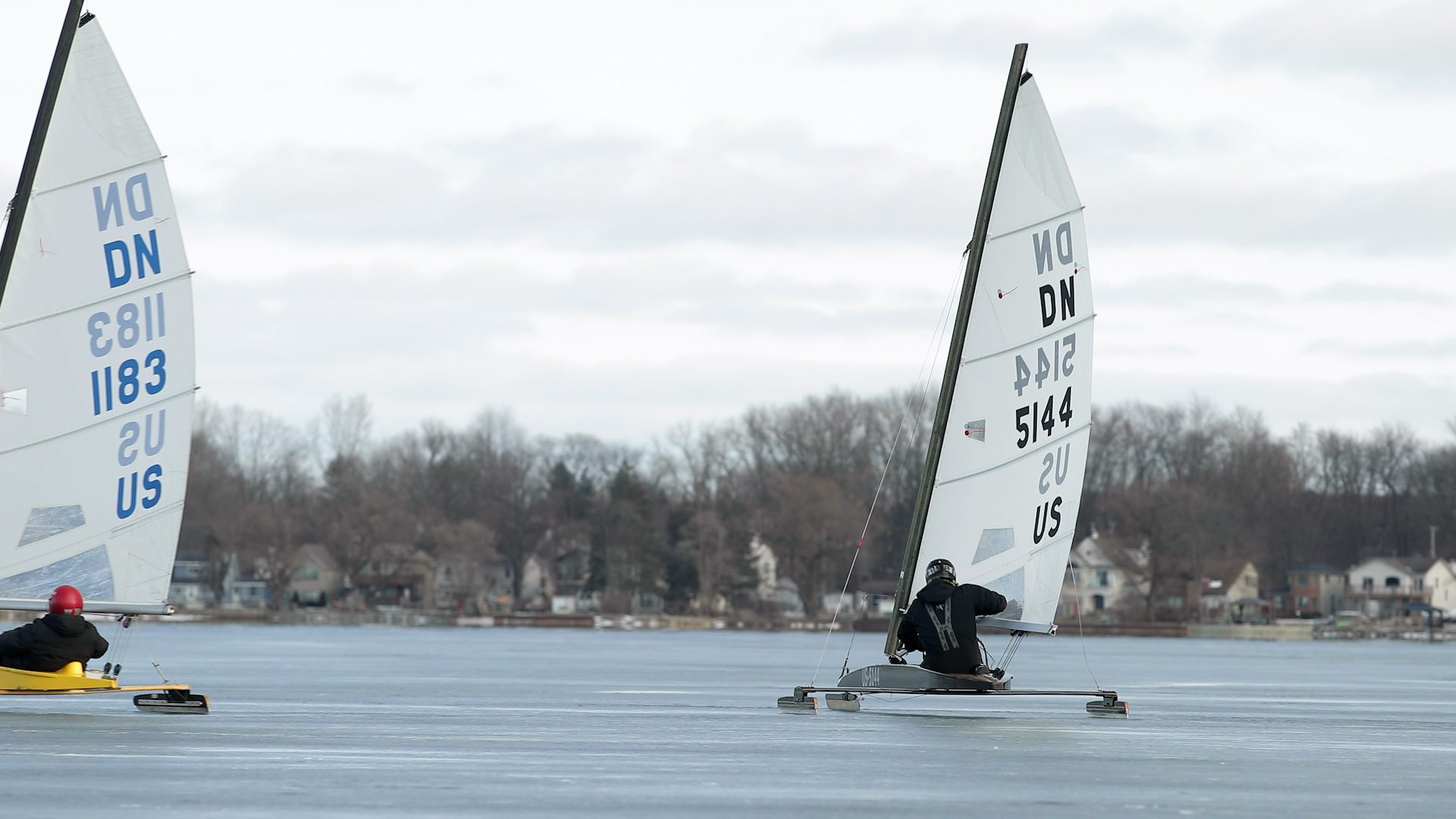
Surf and Slide: The Great Lakes Now Episode Quiz
Test your knowledge on Great Lakes surfing, ice boating and recent Lake Michigan news.
Posted inDrinking Water, Drinking Water News Roundup, Featured, Industry, Infrastructure, Latest News, Michigan, News, Politics, Region, Water Quality
Drinking Water News Roundup: Best tasting water in the world in Ohio, nation’s worst waterways in Indiana

Catch the latest drinking water updates with Great Lakes Now’s biweekly headline roundup.
Posted inNews
Episode 2203: Sailing Close to the Winter Wind

Lessons and activities based on the month Great Lakes Now program.