Posted inEnbridge Line 5 and Other Pipelines, Energy, Clean Energy, Ethanol and Fracking, Featured, Great Lakes News Collaborative, Guest Article, History and Culture, Indigenous Communities, Industry, Energy, Economic Development, Lake Superior, Latest News, Michigan, News, Ontario, Region
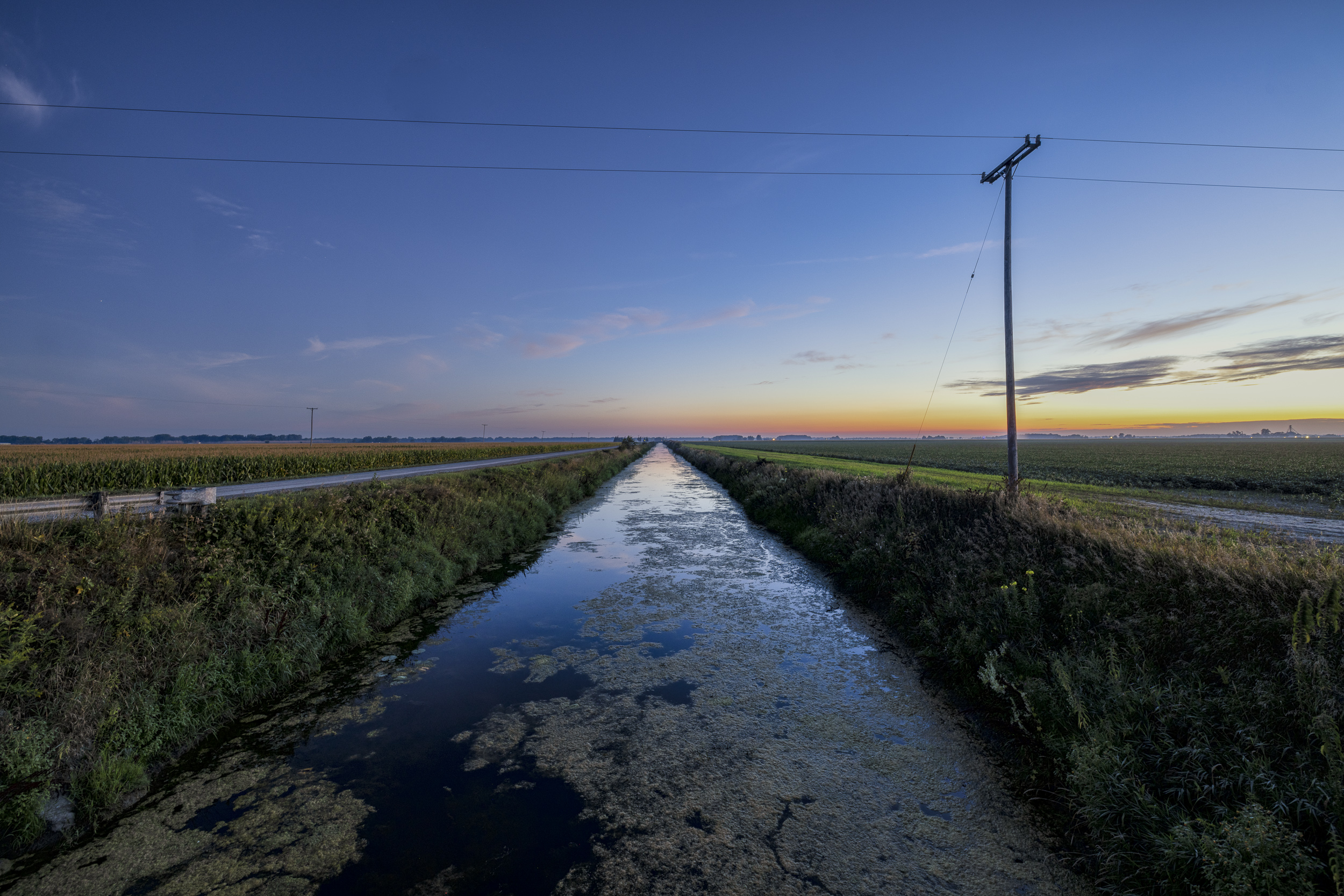
Judge refuses to shut down Line 5, but says Enbridge is trespassing on Native American reservation

The Bad River Band of Lake Superior Chippewa wanted Line 5 shut down and moved off its land.

Posted inAbout Great Lakes Now, Algae Blooms, Authors, Books, Authors, Art and Music, Climate Change, Events and Special Broadcasts, Featured, Great Lakes News Collaborative, Guest Article, History and Culture, Interview, Lake Erie, News, Research, Data and Technology, Sandra Svoboda, Science, Technology, Research, Water Quality and Restoration Efforts, Who We Are and What We Do

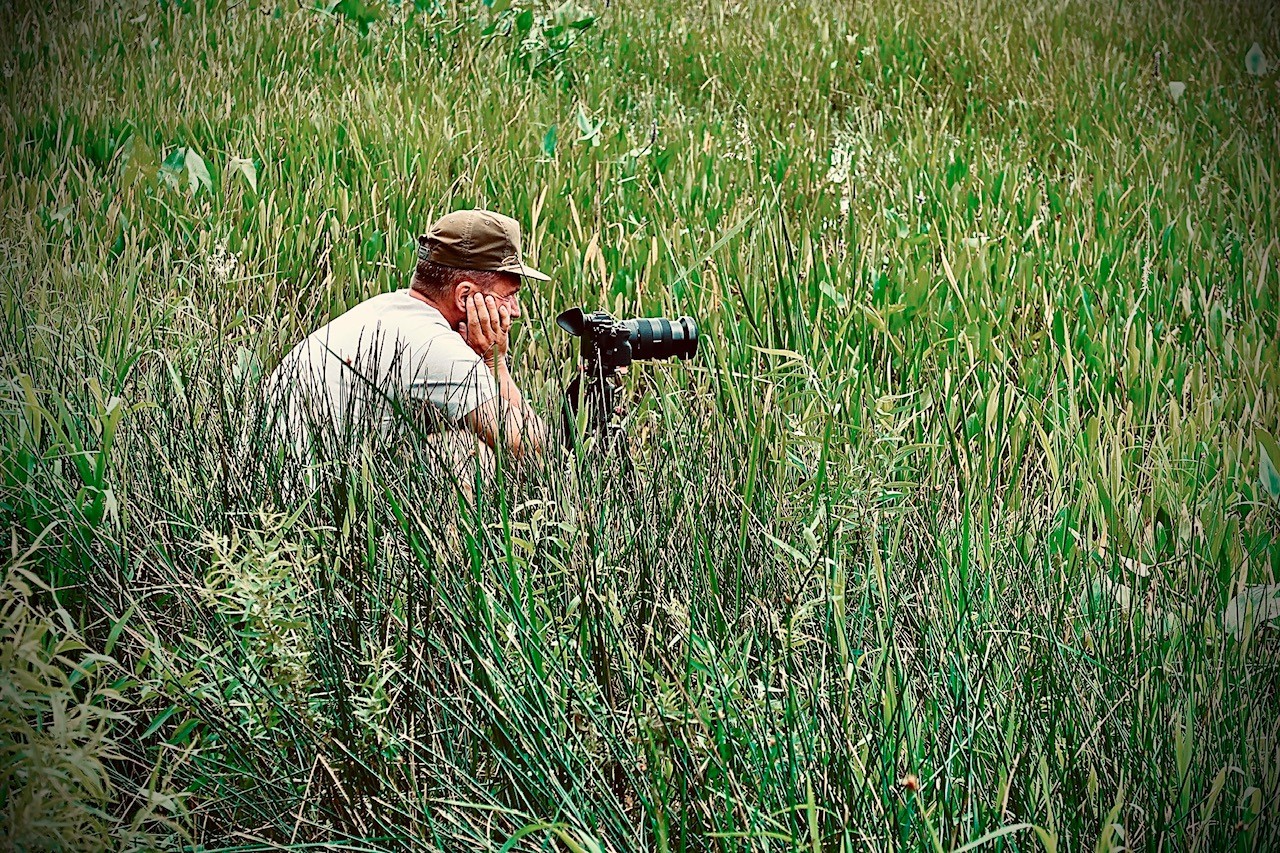
“Talking about the bloom:” Meet filmmaker David J. Ruck

Great Lakes native David J. Ruck discusses environmental storytelling, Lake Erie’s algae blooms and his new documentary film, set to air on six PBS stations on Sept. 12.

Posted inAbout Great Lakes Now, Authors, Beaches, Boating, Paddle Sports and Sailing, Cleveland, Featured, Freighters, History and Culture, Industry, Energy, Economic Development, James Proffitt, Lake Erie, Latest News, News, Ohio, Recreation and Tourism, Region, Shipping and Ports, Who We Are and What We Do

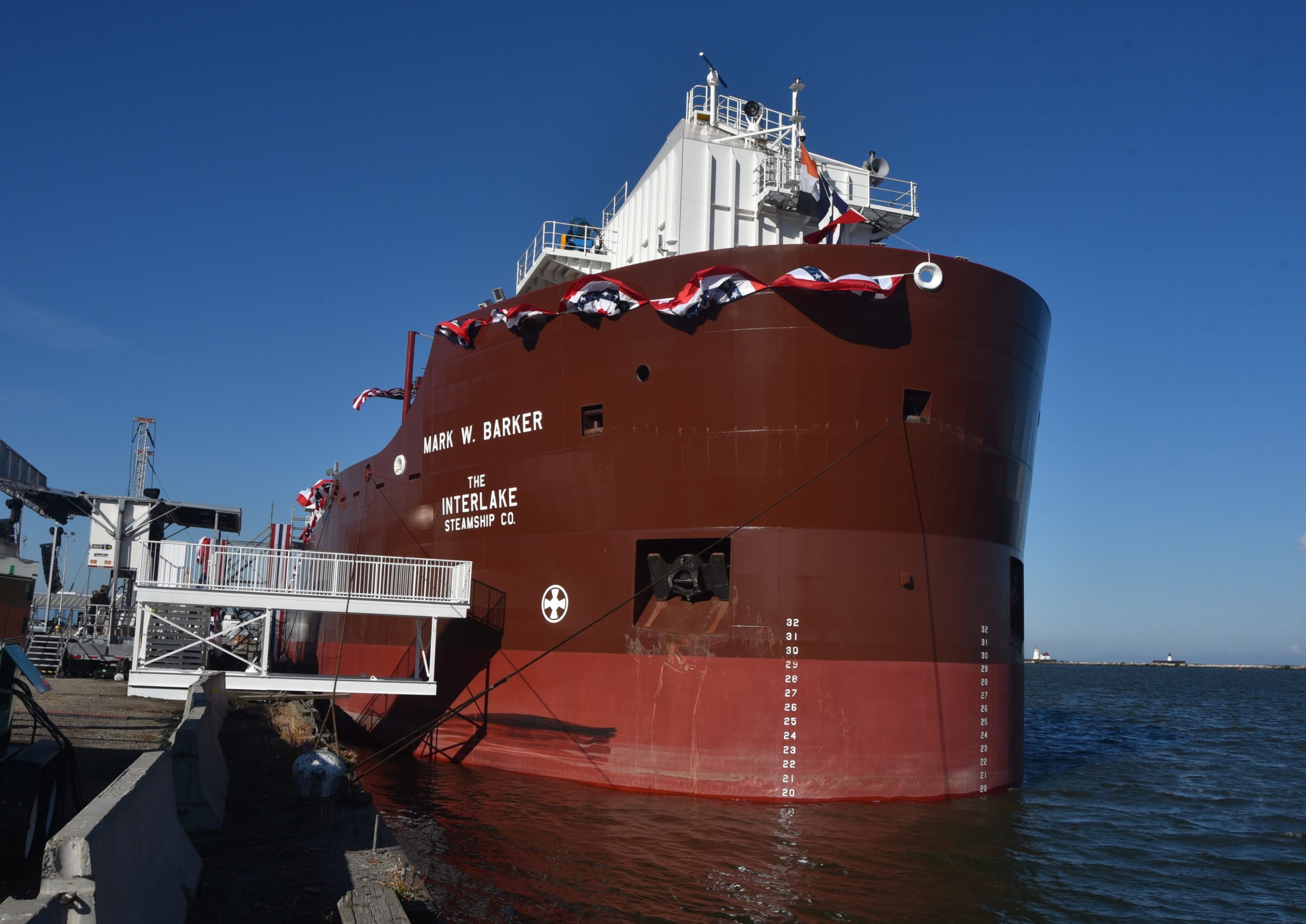
First in decades, a new Great Lakes freighter joins fleet

The Mark W. Barker is more innovative and versatile than the larger Lakers.

Posted inAbout Great Lakes Now, Authors, Climate Change, Detroit River, Featured, Fish, Birds and Animals, Great Lakes News Collaborative, Guest Article, Habitat Restoration, Industry, Energy, Economic Development, John Hartig, Lake Erie, Lake Ontario, Latest News, Michigan, News, Ontario, Region, Research, Data and Technology, Science, Technology, Research, St. Lawrence River, Water Quality and Restoration Efforts, Who We Are and What We Do

Great Lakes Moment: Chemical contaminant in St. Lawrence River herring gull eggs traced to Detroit River

“Although the rate that these contaminants are transported downstream is slow, the cumulative effect over years can cause measurable increases in fish and wildlife downstream.”