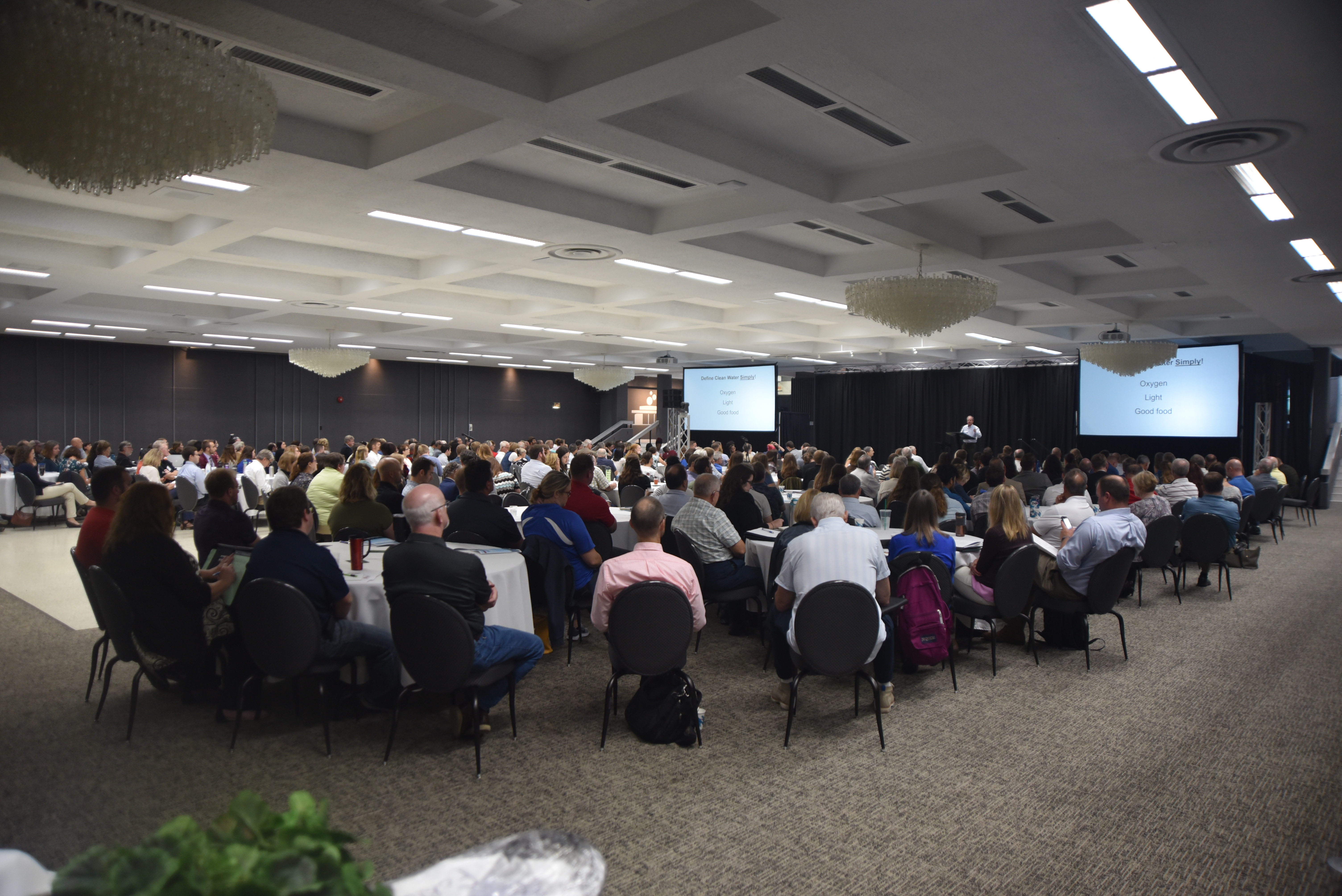
The fourth annual event touched on a variety of resources, news, trends and possible solutions relating to Lake Erie’s toxic algae problem.
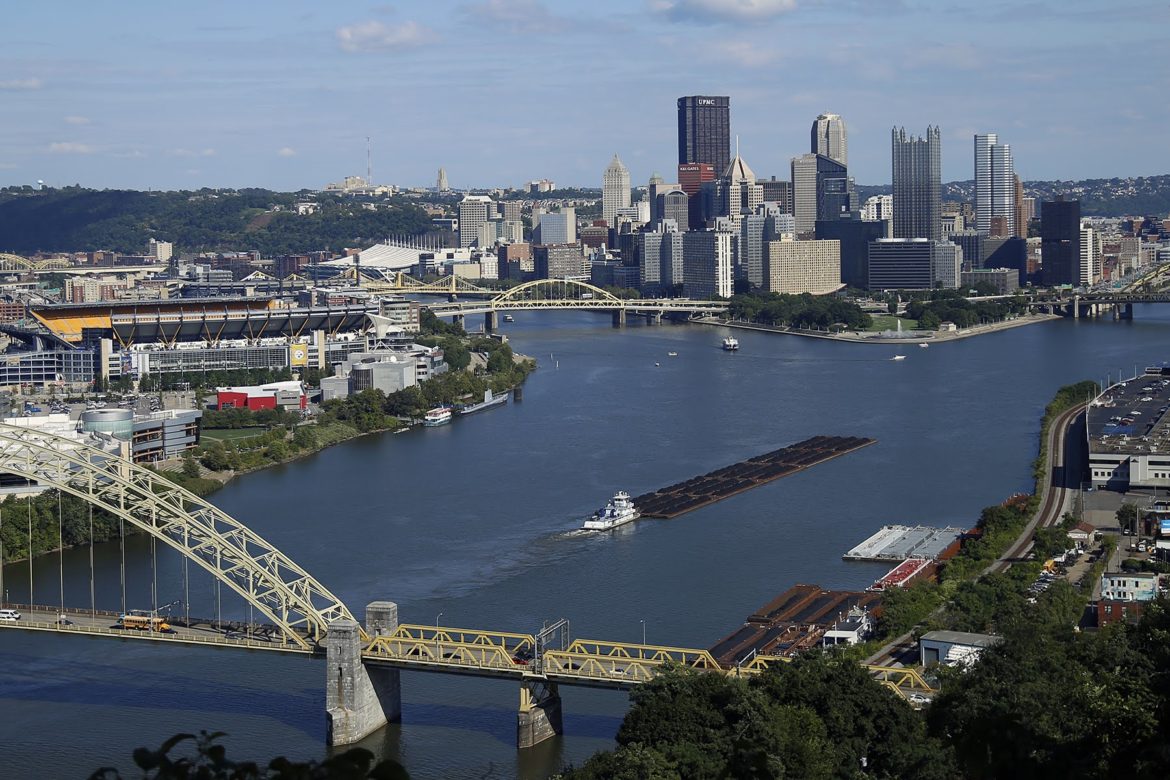
Climate migration: Could Pittsburgh be a haven for residents leaving other regions?
Some Great Lakes cities are specifically marketing themselves as a destination for those fleeing climate change. Pittsburgh has been more measured.
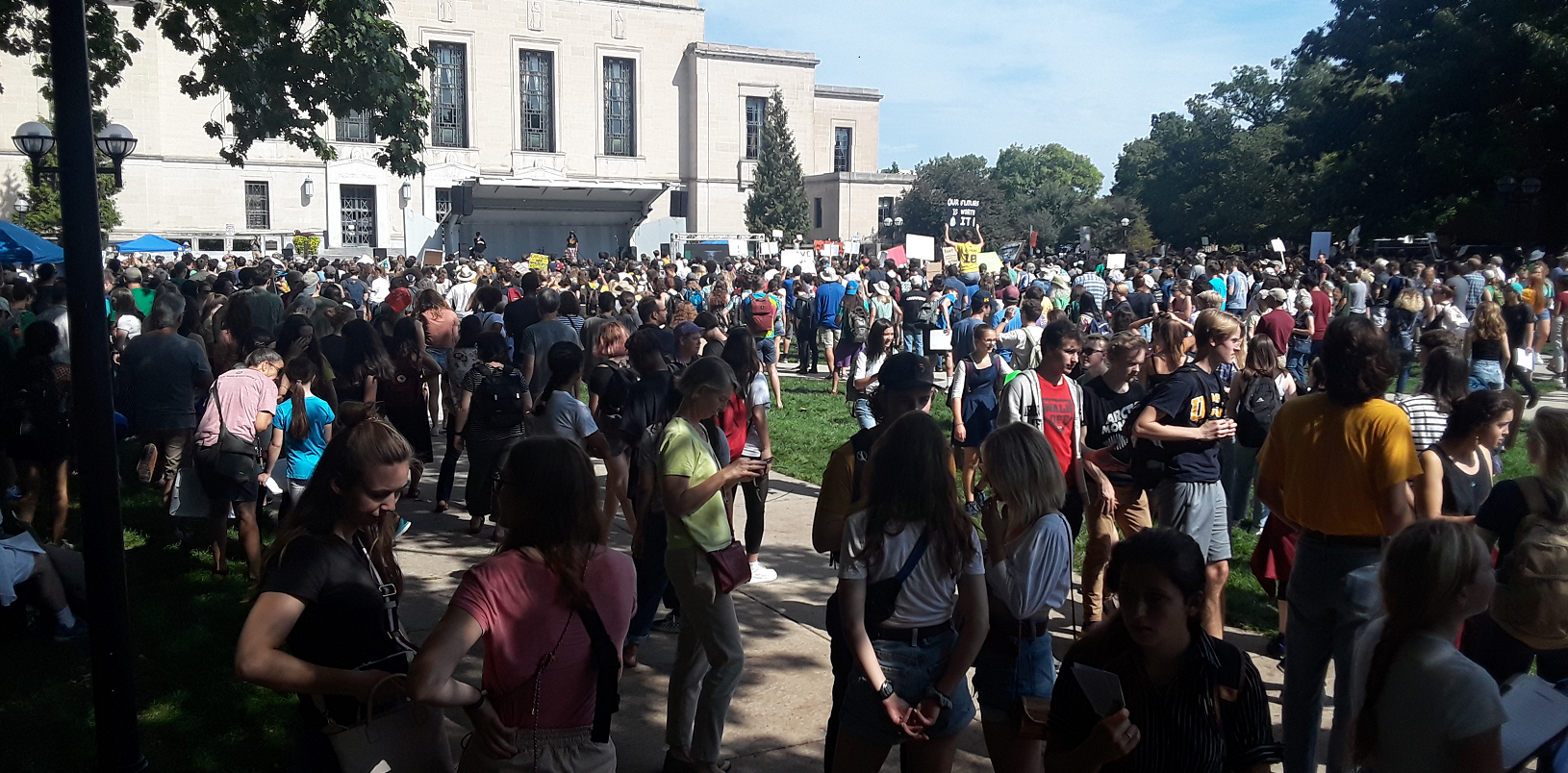
Climate Strike: Global movement draws crowds all around the Great Lakes
The global call for a climate strike saw people all over the Great Lakes area responding and gathering.
Groundwater: Is it a 6th Great Lake?
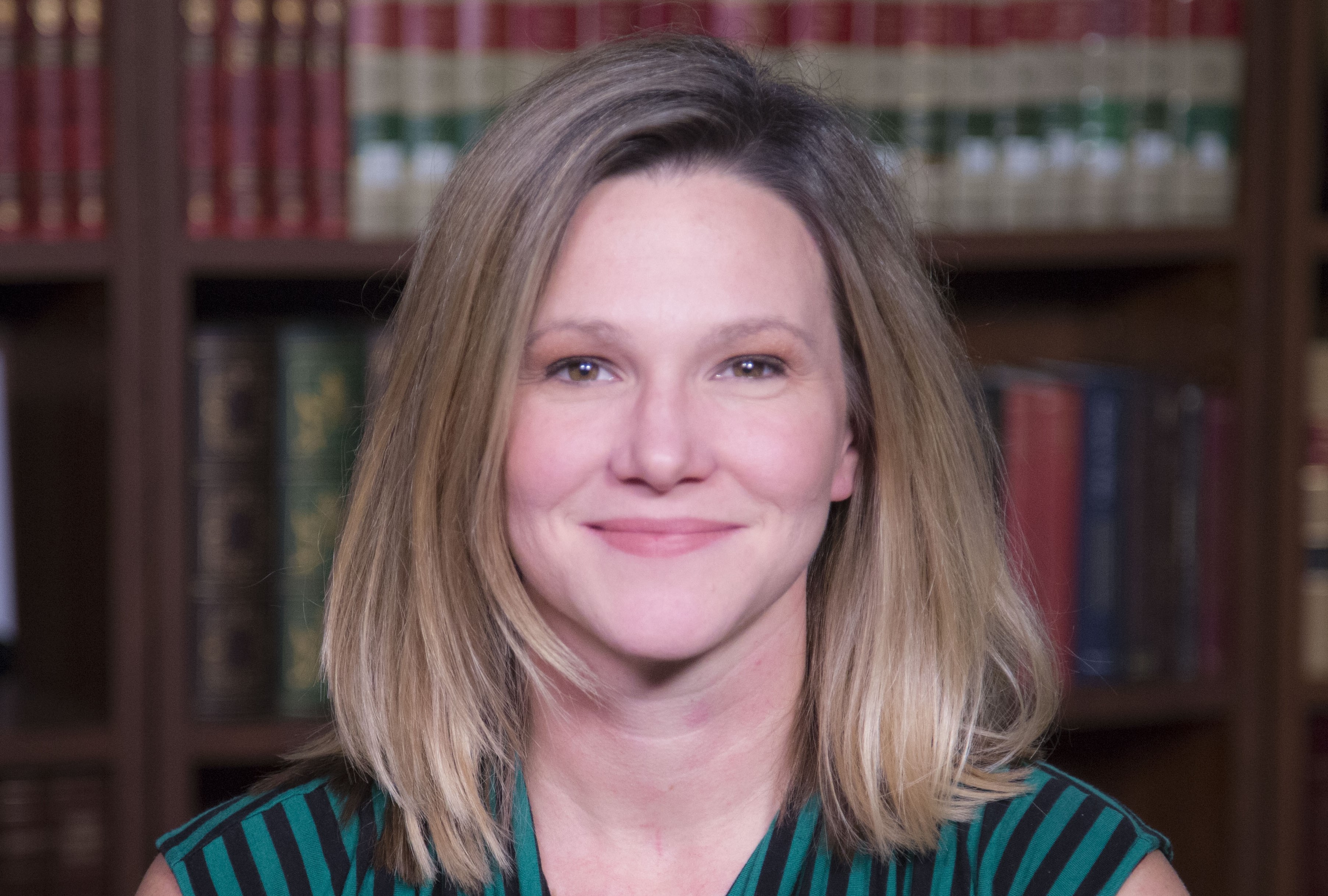
Great Lakes Now spoke with Ohio State University Assistant Professor Audrey Sawyer about what aquifers are and why they are more connected to the Great Lakes than you might think.
Waters Restored – Episode 1006
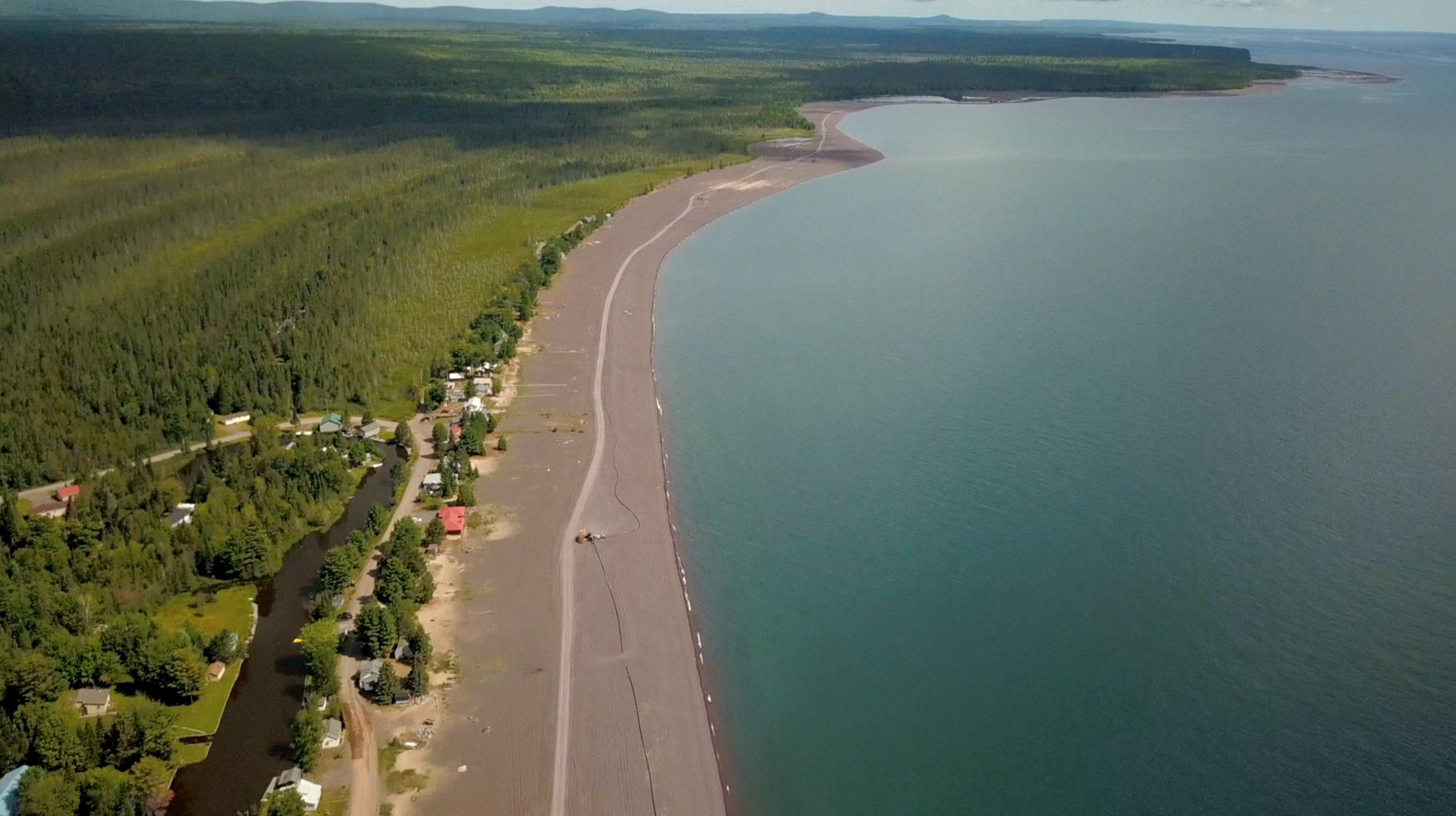
Floating islands on the Chicago River are creating habitats for fish, turtles and birds inside the city waterway, while up north in Lake Superior, scientists are working to protect a […]
Taking out the Trash: Shedd Aquarium offers a new kayak experience for visitors
The educational kayak tour on the Chicago River includes ecosystem monitoring, knowledgeable guides and participants getting their hands dirty for the sake of conservation.
Grassroots Power: Leading Canadian water activist says community action needed to protect water rights
Great Lakes Now spoke to Canadian water activist Maude Barlow about her new book, grassroots activism and water privatization.
Chicago installs lakefront barriers to shield against flood damage
Chicago officials say crews will install hundreds of yards of barriers along Lake Michigan to guard against flood damage from storms in the fall and winter.
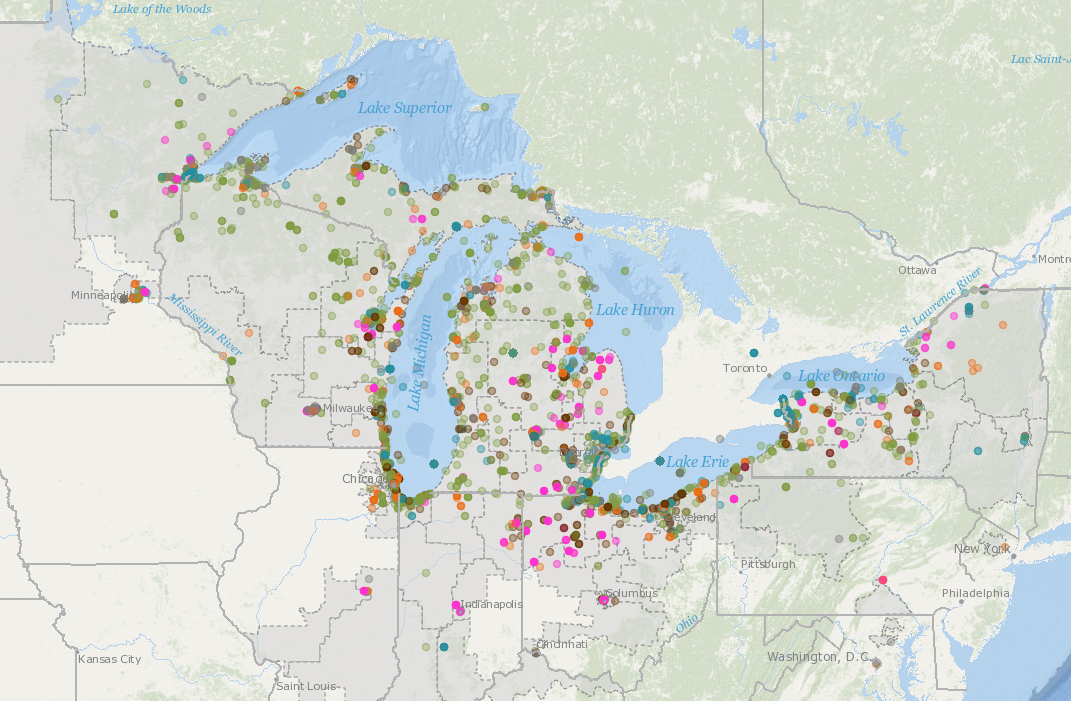
Tracking Projects: This EPA map lets the public keep track of Great Lakes restoration projects
Lake Superior’s Buffalo Reef restoration is just one Great Lakes project where the EPA is involved. Take a look at the agency’s interactive map to get an idea what else the organization is funding.
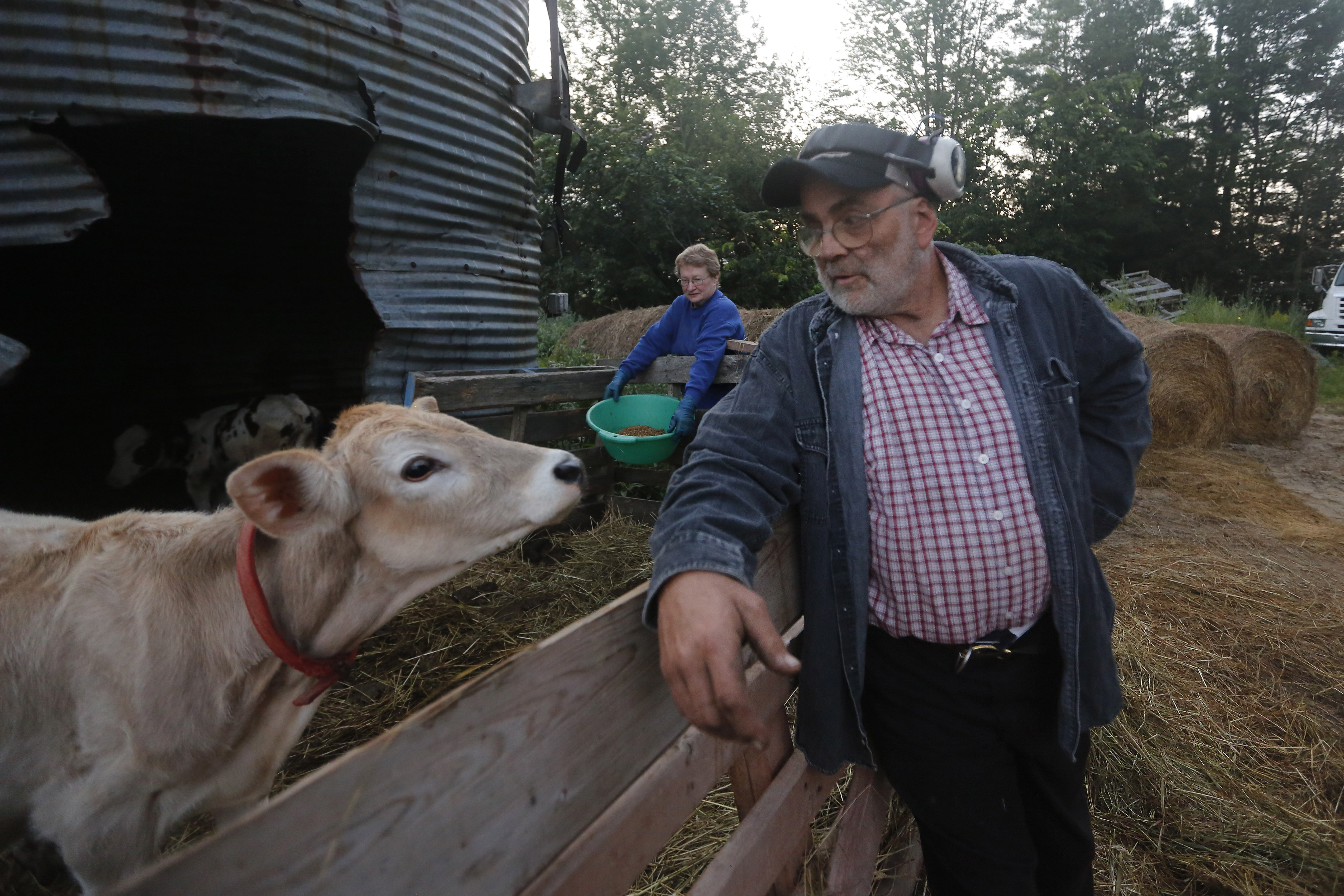
Concerns grow over PFAS-tainted sewage sludge spread on croplands
For decades, sewage sludge from thousands of wastewater treatment plants has been used nationwide as cropland fertilizer. But while the sludge offers farmers a cheap source of fertilizer, there long have been concerns about contaminants in the material — and attention of late has turned to perfluoroalkyl and polyfluoroalkyl substances, or PFAS.