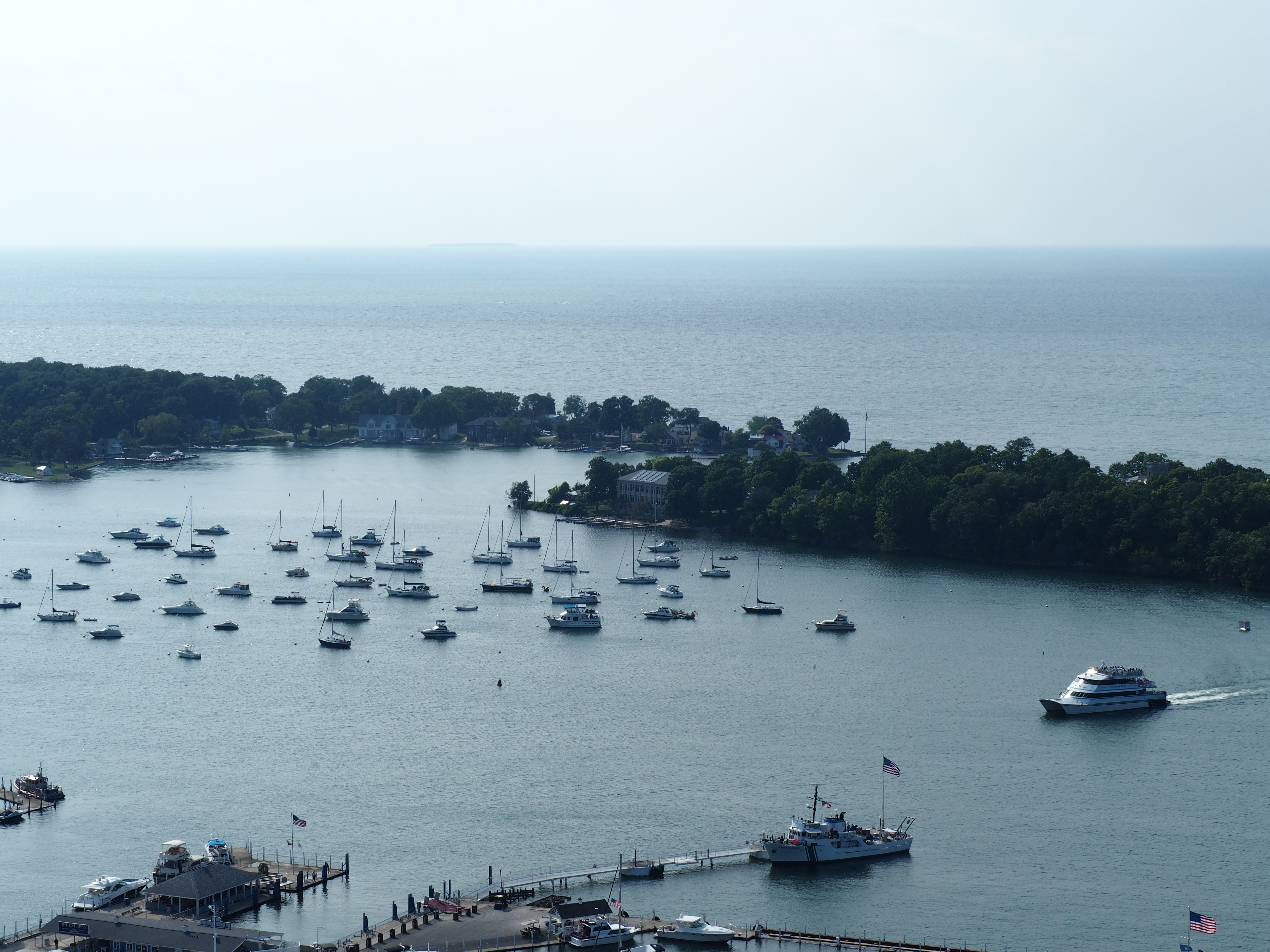

Locals on Beaver Island, Washington Island and Put-in-Bay adjust even as the threat of COVID-19 remains.
Posted inAbout Great Lakes Now, Detroit River, Feature Detroit, Fish, Birds and Animals, Flint, Forever Chemicals Featured, Groundwater Contamination, Industry, Lake St. Clair, Latest News, Lead, Michigan, News, Ontario, PFAS, Region, Science, Technology & Research, St. Clair River, Water Quality, Who We Are and What We Do
Roller Coaster: Michigan’s long history with environmental contamination

This special column from John Hartig looks at 10 incidents of contamination in Michigan’s history.
Posted inFatbergs, Water Quality
Fighting Fatbergs

Fighting Fatbergs SEGMENT 1 | Macomb County, Michigan In 2019, a 19-ton glob of garbage and waste clogged a southeast Michigan sewer. Called a “fatberg,” the blockage was made of […]
Posted inAbout Great Lakes Now, Climate, Culture, Energy News Roundup, Energy, Illinois, Indigenous Communities, Industry, Infrastructure, Lake Huron, Latest News, Michigan, Minnesota, News, Ontario, Region, Science, Technology & Research, Water Quality, Who We Are and What We Do
Great Lakes Energy News Roundup: Lake Huron nuclear waste storage plan dropped, renewable energy in Midland

Catch the latest in Great Lakes energy news in Great Lakes Now’s fortnightly headline roundup.
Posted inAbout Great Lakes Now, Invasive Species, Latest News, News, Science, Technology & Research, Who We Are and What We Do
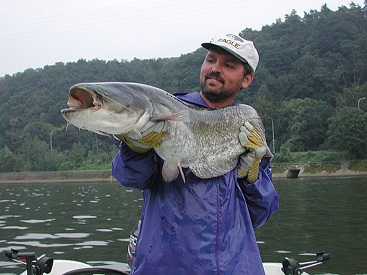
Least Wanted: Potential Great Lakes invasive species are little known but still a big problem

The marbled crayfish got big headlines recently while other invasive species remain under the radar.
Posted inUncategorized
Unlocking the Lakes – Episode 1015
As stay-at-home orders end around the Great Lakes, does Wisconsin’s experience opening businesses predict anything for other tourism-dependent communities? How are researchers, reef restorers and hydroponic farms reacting to the […]
Posted inDrinking Water, Forever Chemicals Featured, Latest News, Michigan, Minnesota, New York, News, PFAS, PFAS News Roundup, Region, Water Quality, Wisconsin
PFAS News Roundup: Michigan collects 30k gallons foam, New York burning restrictions, Wisconsin leads 22-state coalition
Catch the latest updates on what’s happening with PFAS in Great Lakes Now’s biweekly headline roundup.
Posted inAbout Great Lakes Now, Beaches, Boating, Paddle Sports and Sailing, COVID-19, Culture, Freighters, Industry, Latest News, Michigan, News, Ohio, Ontario, Politics, Recreation and Tourism, Recreational Hunting and Fishing, Region, Research, Data and Technology, Science, Technology & Research, Shipping and Ports, Tourism, U.S. and Canadian Federal Governments, Who We Are and What We Do
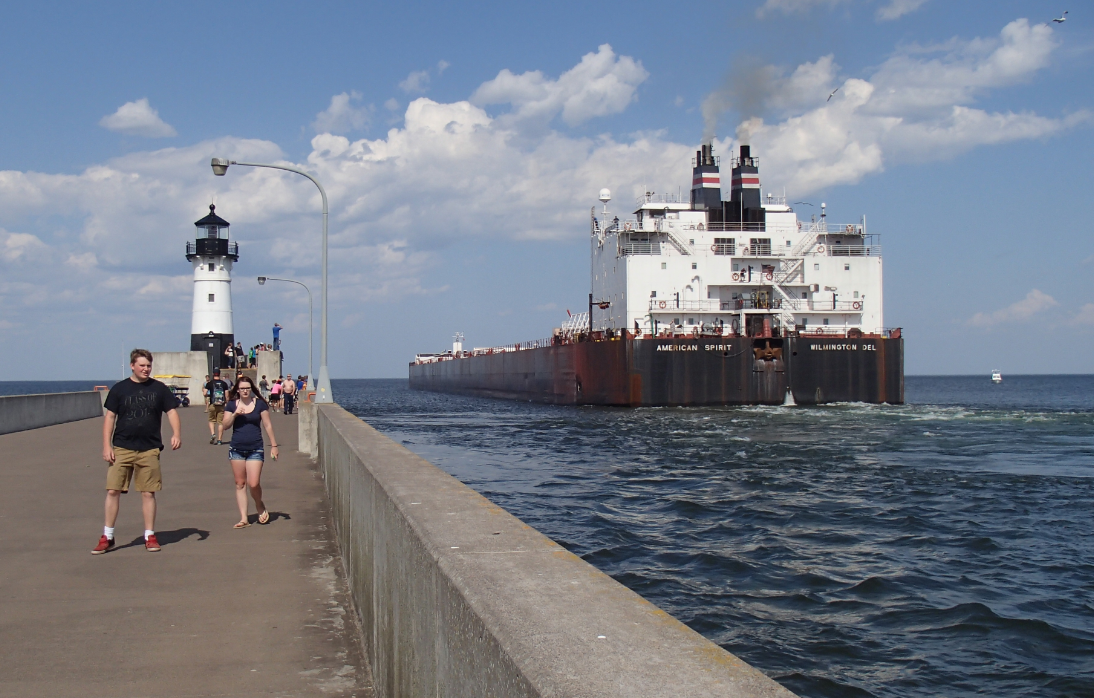
COVID-19 Comeback: Great Lakes businesses and scientists bounce back

Rules are relaxing, and business is picking back up for charter boats, freighters and scientists.
Posted inDrinking Water, Enbridge Line 5 and Other Pipelines, Groundwater Contamination, Industry, Infrastructure, Latest News, Lead, News, Policy, Politics, U.S. and Canadian Federal Governments, Water Quality
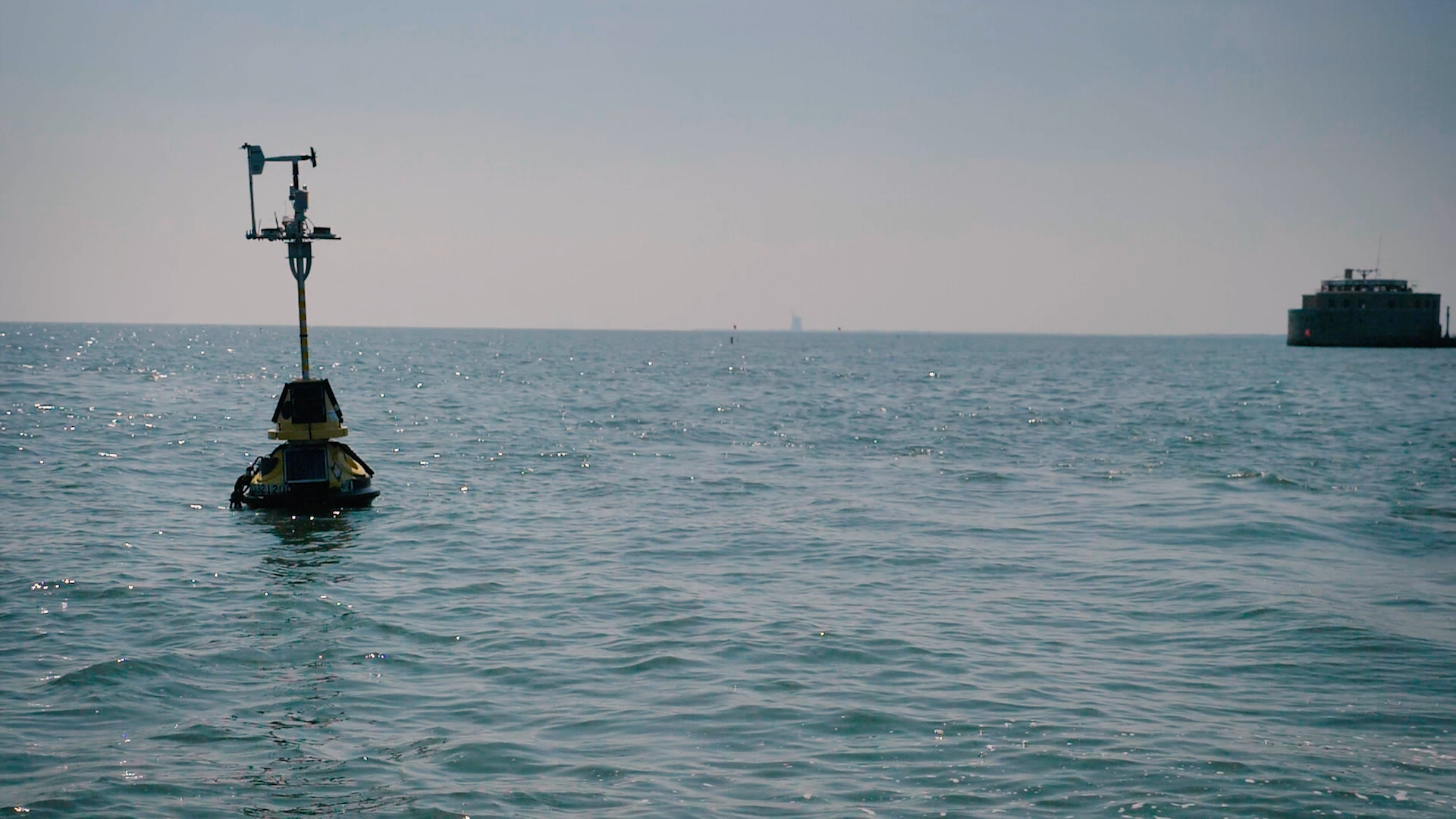
Regulatory Rollbacks: Loss of federal water protections impacts Great Lakes region

Since President Trump took office, the federal government has stripped away or reduced numerous environmental rules.
Posted inAbout Great Lakes Now, Drinking Water, Forever Chemicals Featured, Latest News, Michigan, News, PFAS, Region, Water Quality, Who We Are and What We Do
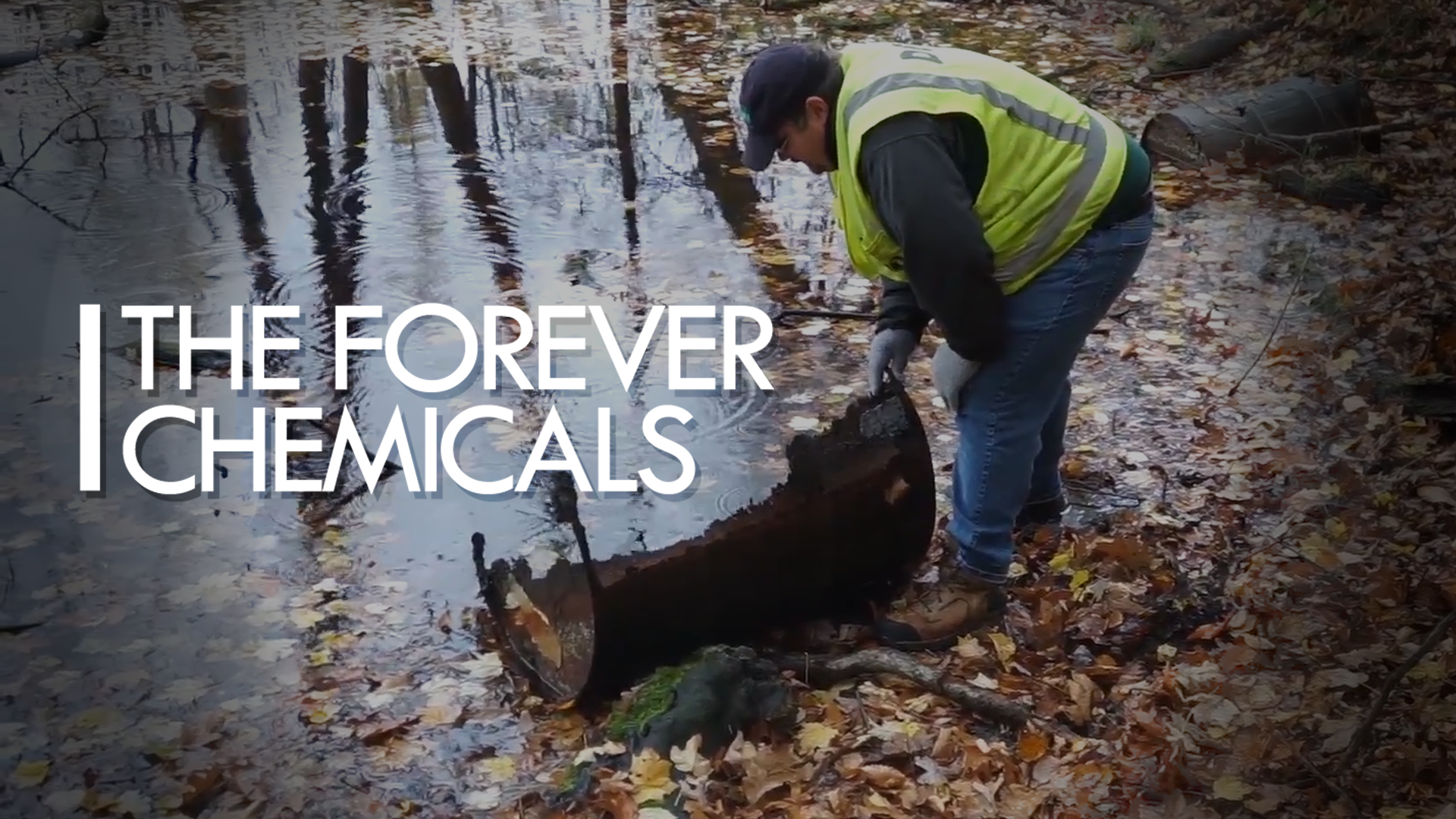
Emmy Winner: “The Forever Chemicals” takes documentary prize

The Great Lakes Now film about PFAS contamination’s impact on Michigan communities wins a top broadcast honor.