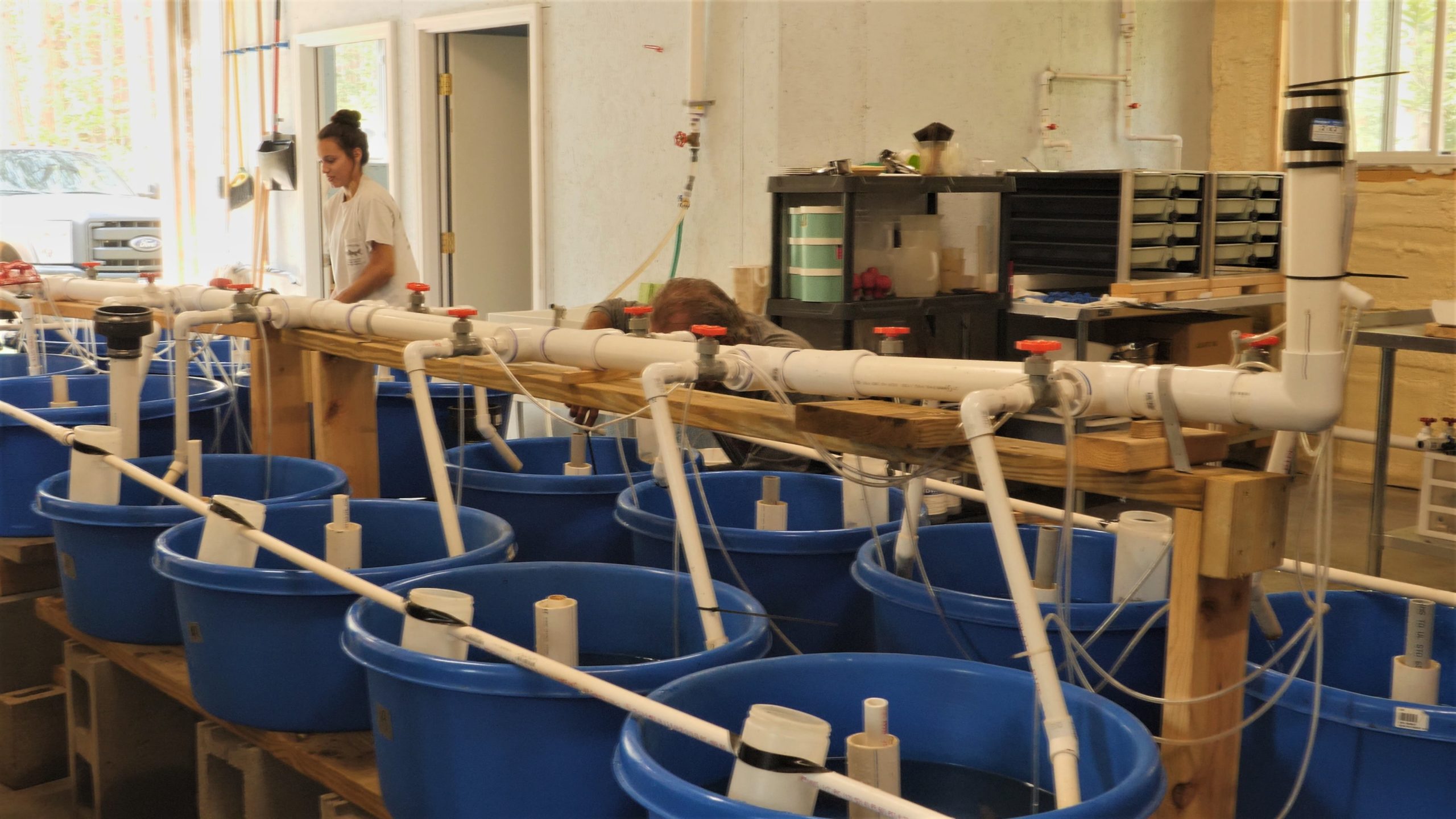

By some rivers, seasonal facilities are popping up, with the goal of improving lake sturgeon survival rates and successful natal imprinting.
Posted inDrinking Water, Great Lakes News Collaborative, Groundwater Contamination, Latest News, Lead, Michigan, News, Politics, Region, Water Quality
Check this Michigan map for childhood lead levels in your community

Overall, the percentage of Michigan children with elevated blood lead levels has been falling for more than two decades, from nearly a third of children tested in 2000 to just 2.5 percent of children tested in 2020. But those statewide gains can be deceptively reassuring.
Posted inDrinking Water, Great Lakes News Collaborative, Groundwater Contamination, Infrastructure, Latest News, Lead, Michigan, News, Politics, Region, Water Quality
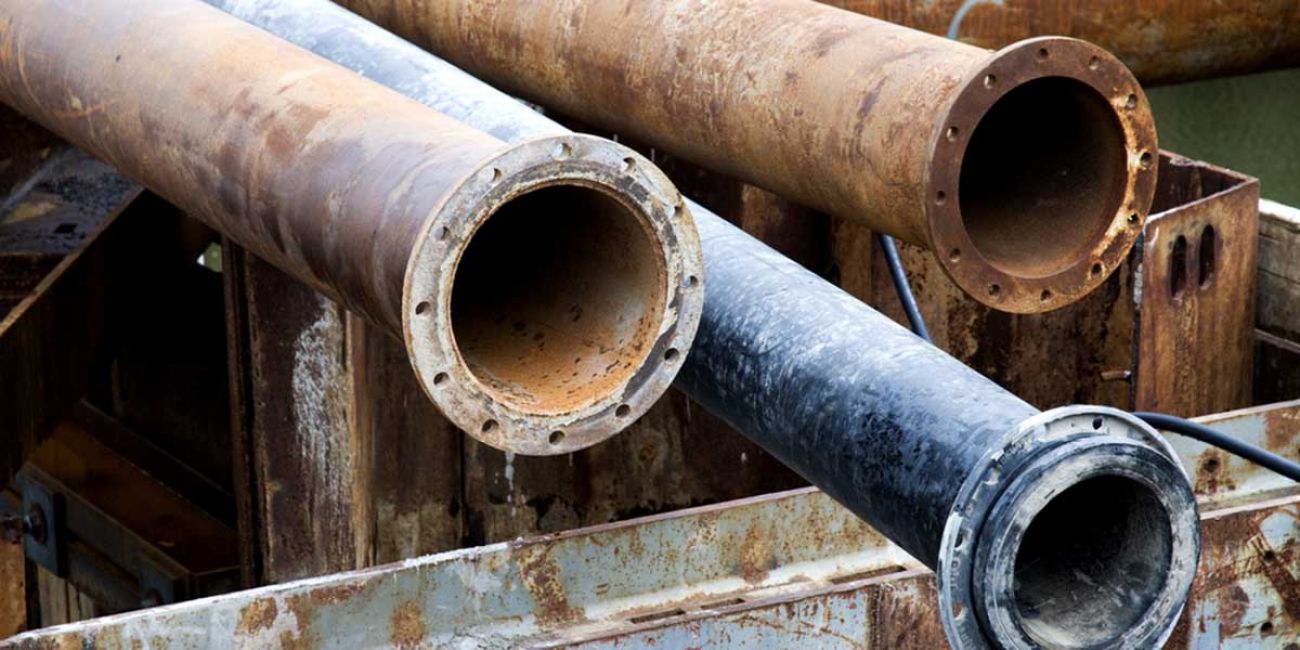
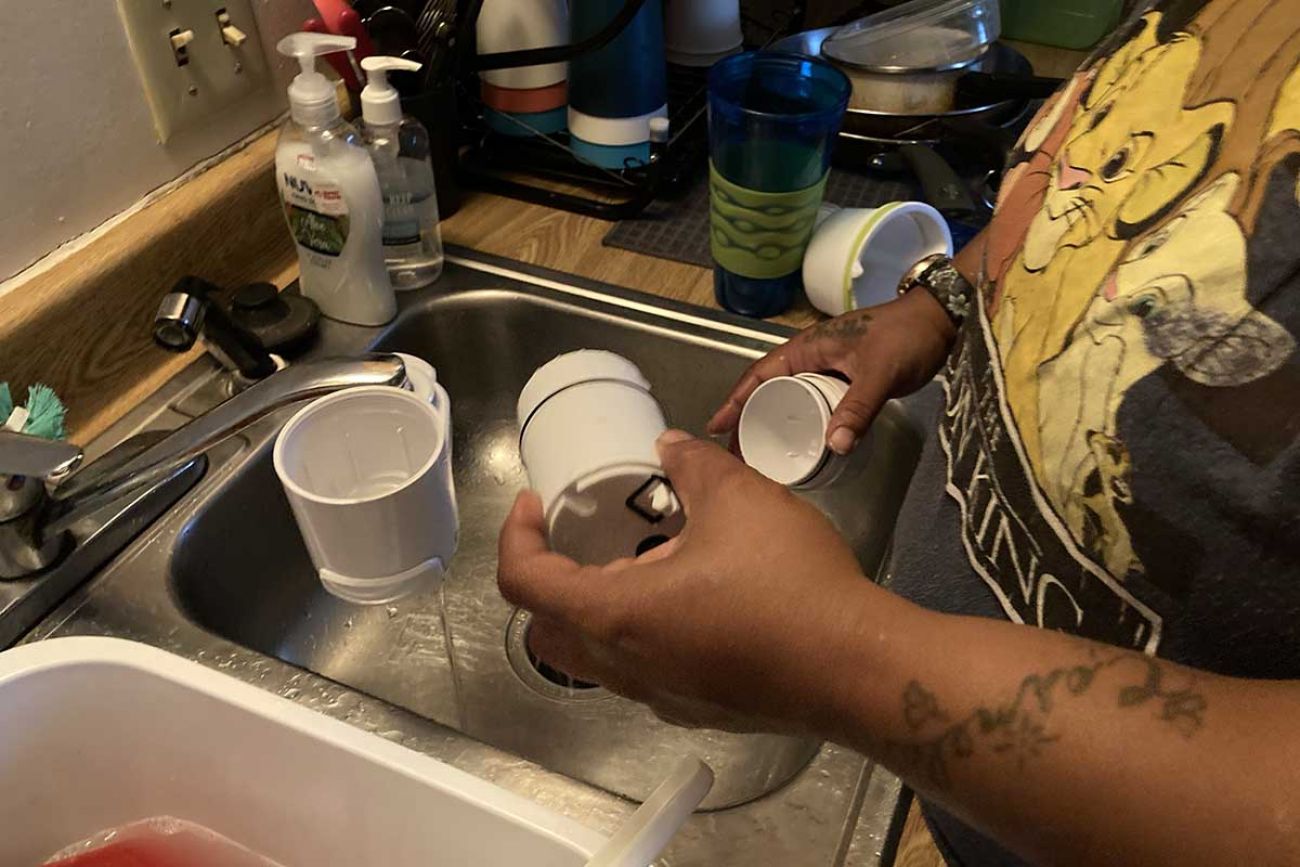
Why are so many Michigan water systems finding lead? They’re looking harder
Benton Harbor is likely just the beginning. Since the southwest Michigan community’s prolonged lead-in-water crisis began making national headlines this fall, residents of Hamtramck, Wayne and Manchester have all learned that their water, too, exceeded government lead standards.
Posted inAbout Great Lakes Now, Agriculture, Featured, Industry, Latest News, News, Ontario, Region, Science, Technology & Research, Who We Are and What We Do
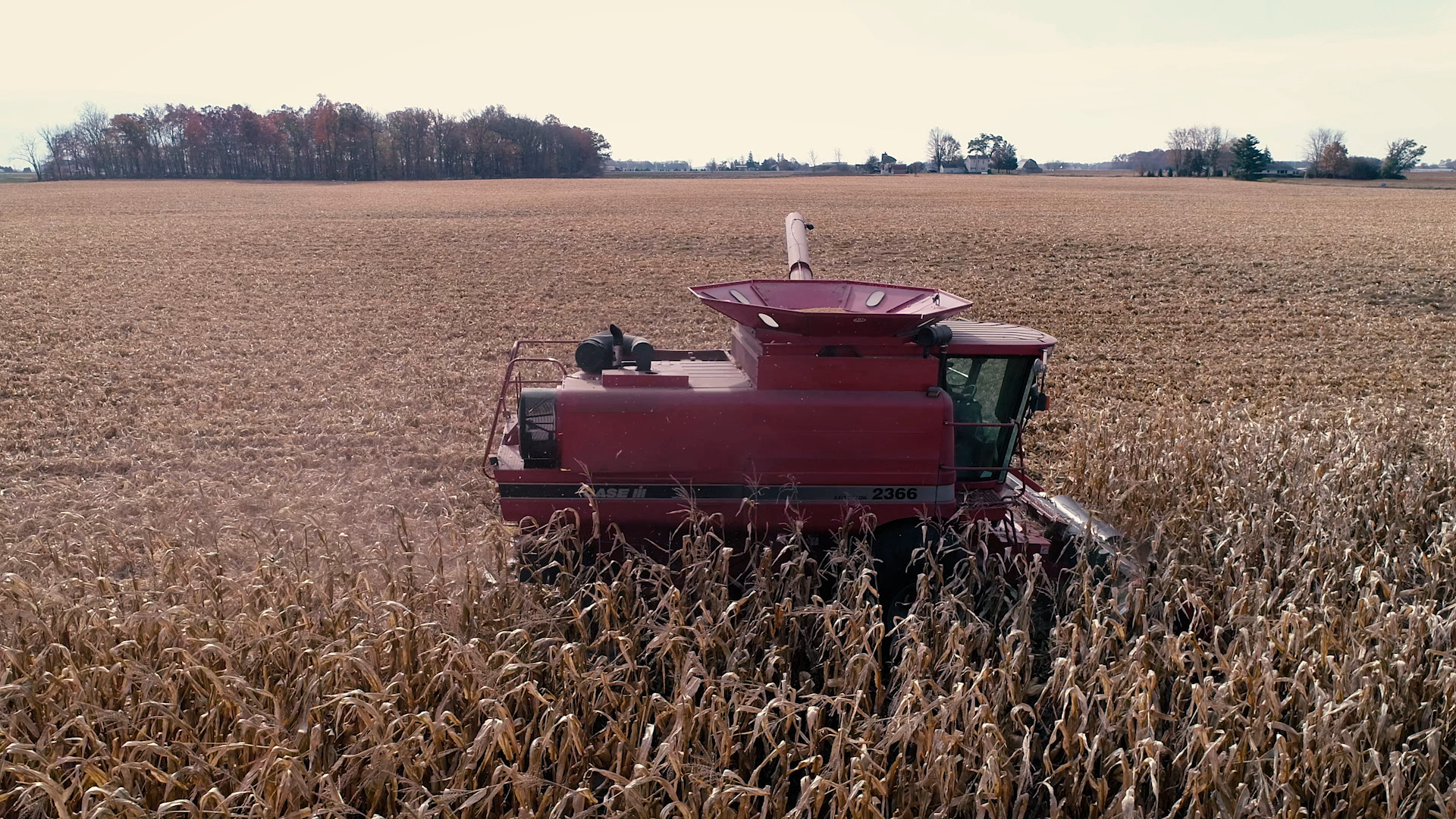
Farm Protection: Ontario invests in projects to help farms improve Great Lakes water quality

More than $2.5 million was awarded from the Ontario government to 19 projects that ranged from green infrastructure projects to helping spread good land management practices.
Posted inAbout Great Lakes Now, Drinking Water, Equity and Environmental Justice, Flint, Groundwater Contamination, Latest News, Lead, Michigan, News, Politics, Region, Water Quality, Who We Are and What We Do
Seven Years On: The Flint water crisis has yet to conclude

The Flint water crisis remains at the forefront as the settlement deal waits for approval, the criminal cases are pending, and the city finishes replacing its lead pipelines.
Posted inDrinking Water, Drinking Water News Roundup, Groundwater Contamination, Indiana, Latest News, Lead, Michigan, Minnesota, New York, News, Pennsylvania, Region, Water Quality
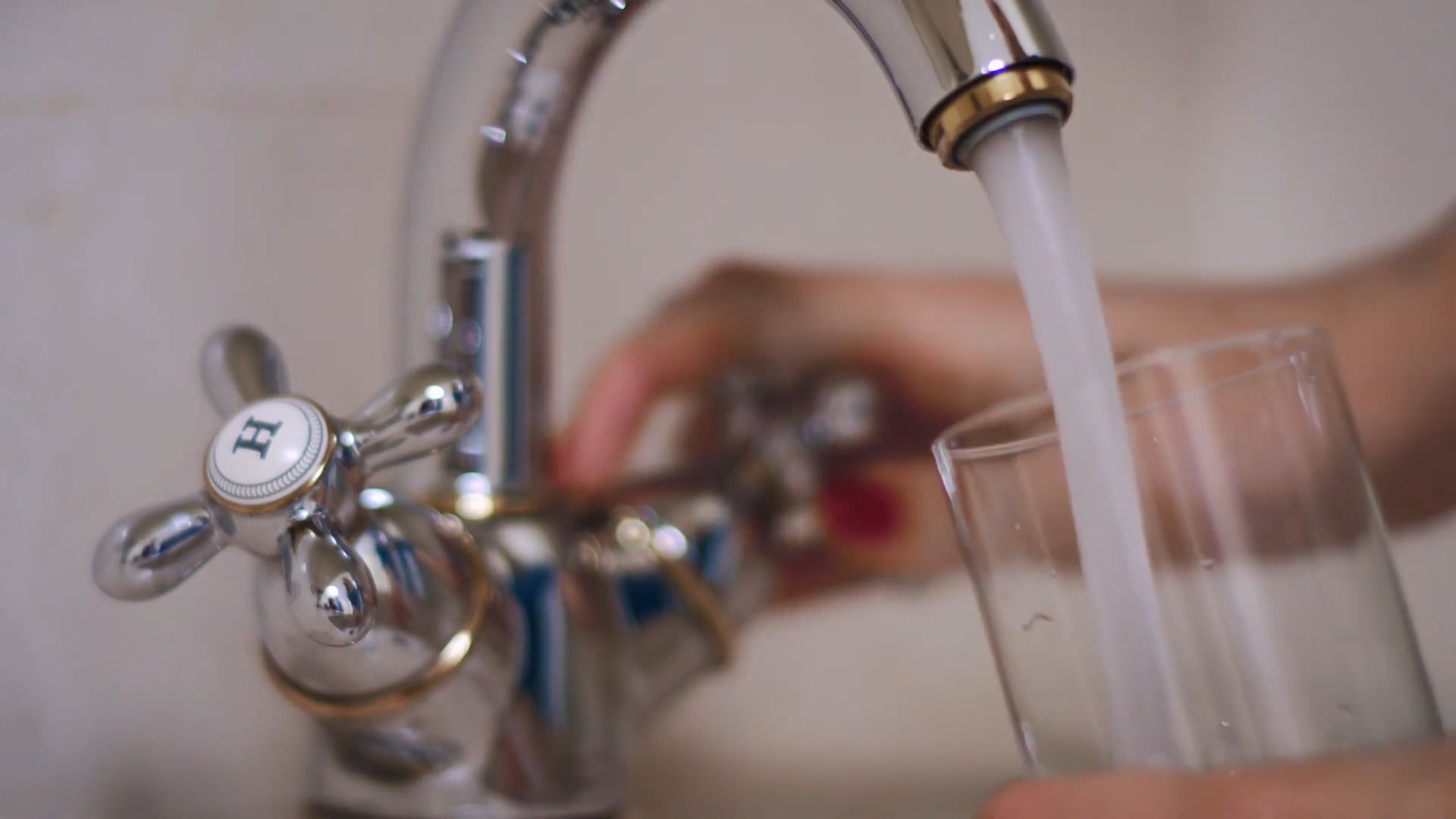
Drinking Water News Roundup: Minnesota’s salty water problem, aging infrastructure affects taste, Pennsylvania grants

Catch the latest drinking water updates with Great Lakes Now’s biweekly headline roundup.
Posted inDrinking Water, Great Lakes News Collaborative, Latest News, Michigan, News, Region, Water Quality
Company formerly known as Nestle drops water withdrawal permit

Blue Triton Brands, formerly known as Nestle Waters North America, has withdrawn its controversial permit allowing the company to extract more Michigan groundwater near Evart, Michigan.
Posted inAbout Great Lakes Now, Drinking Water, Featured, Lake Huron, Lake Ontario, Latest News, Michigan, News, Ontario, Politics, Quebec, Region, U.S. and Canadian Federal Governments, Water Quality, Who We Are and What We Do
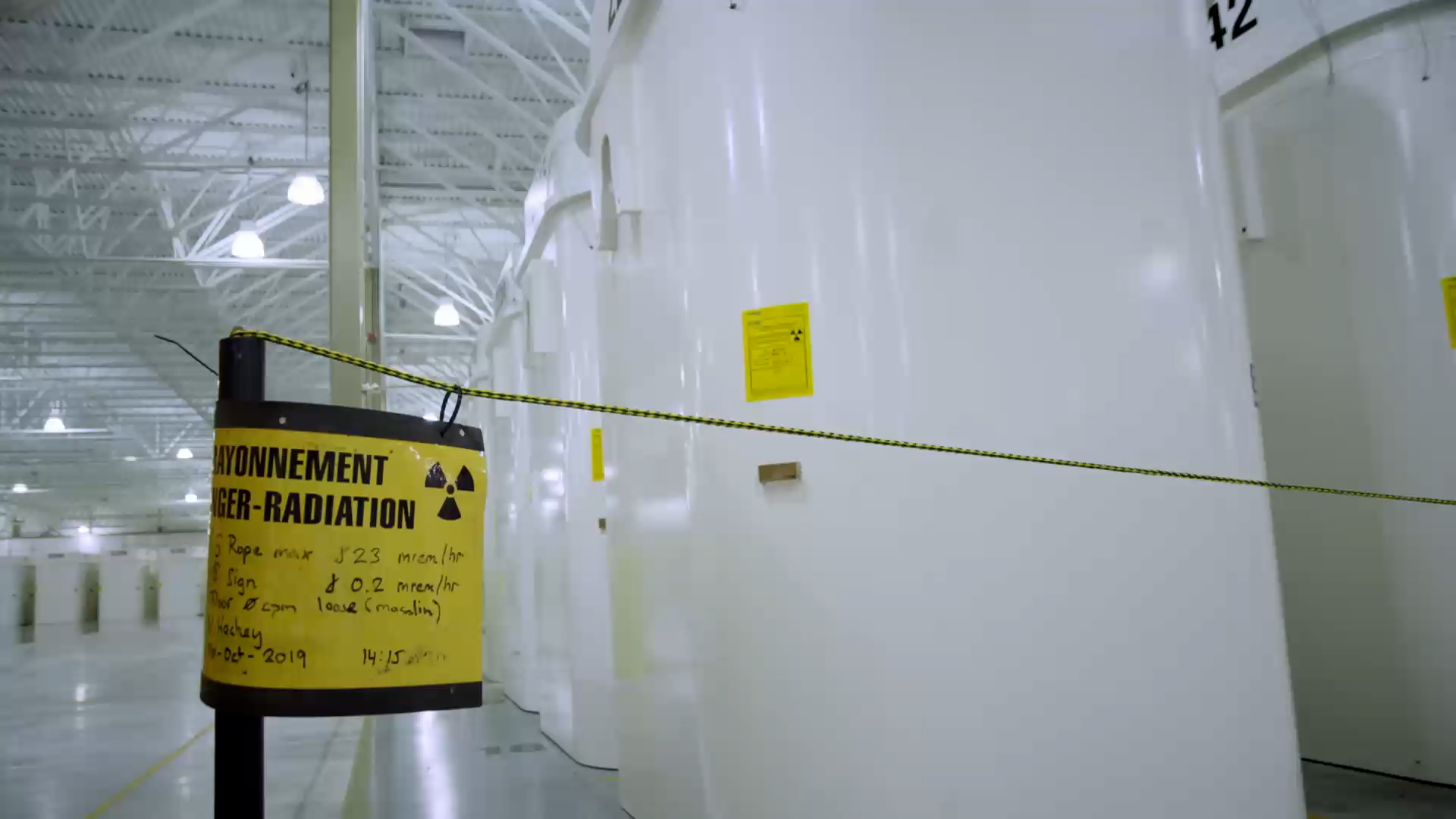
Nuclear Question: Debate continues over long-term storage of nuclear waste in the Great Lakes

The current storage situation isn’t a long-term one, but the question of where the waste should be hosted and what it means for the impacted community remains hotly debated.

Posted inClimate, COP26, Latest News, News, Politics, Science, Technology & Research
What is COP26? Here’s how global climate negotiations work and what’s expected from the Glasgow summit

Over two weeks in November, world leaders and national negotiators will meet in Scotland to discuss what to do about climate change. It’s a complex process that can be hard to make sense of from the outside, but it’s how international law and institutions help solve problems that no single country can fix on its own.
Posted inAbout Great Lakes Now, Featured, Fish, Birds and Animals, Lake Huron, Latest News, News, Ontario, Region, Research, Data and Technology, Science, Technology & Research, Who We Are and What We Do
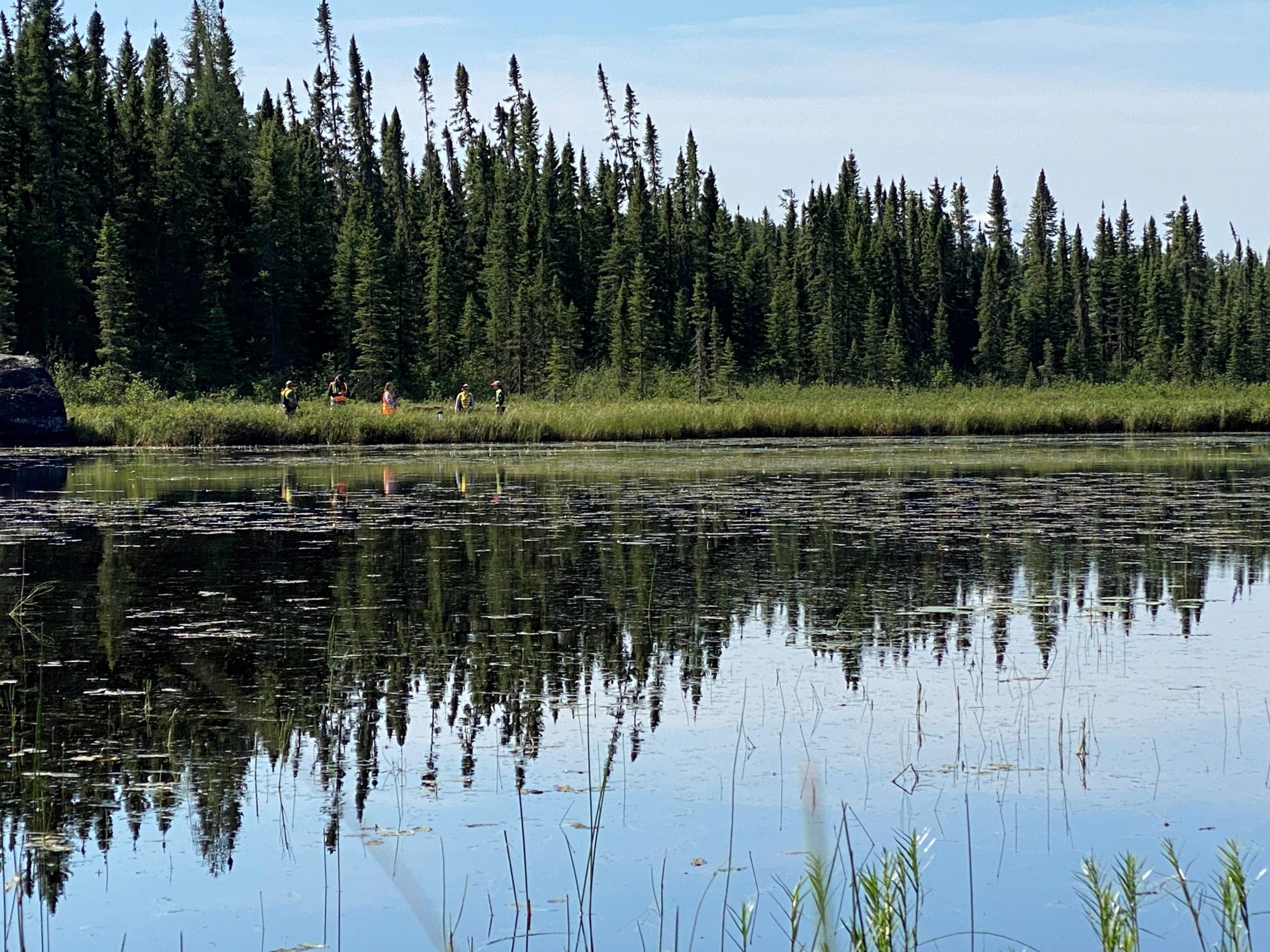
Animal Check: New project to monitor aquatic species that live near proposed nuclear storage sites

Nuclear Waste Management Organization and the University of Guelph this summer began a new project to help understand the potential environmental impact of the proposed underground nuclear waste storage sites.