
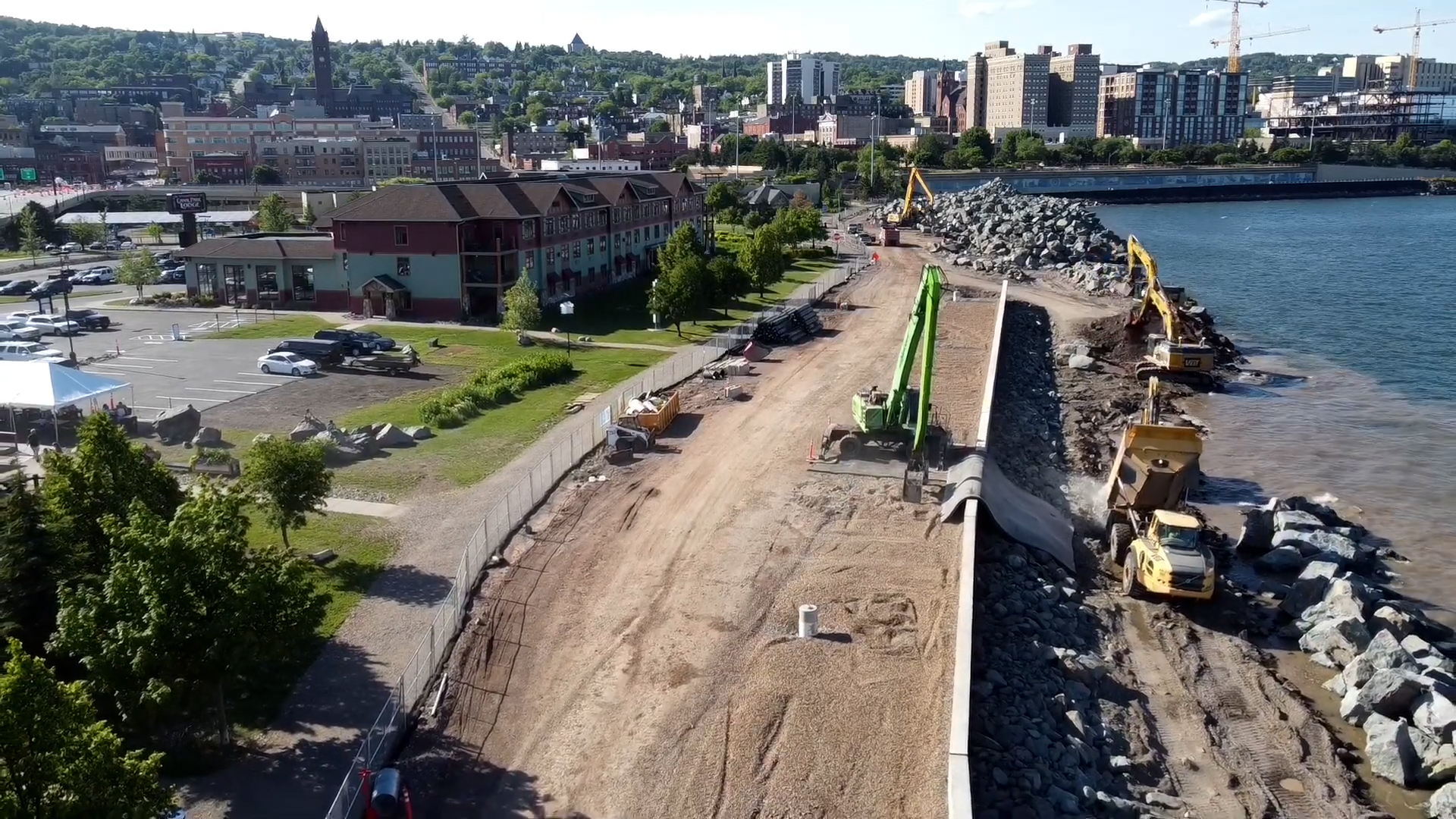

Did Duluth’s waterfront hold up to summer storms? We interview Duluth mayor Emily Larson to find out and hear what else is in store for the Minnesota city.
Posted inAbout Great Lakes Now, Featured, Industry, Latest News, Michigan, News, Politics, Region, Who We Are and What We Do
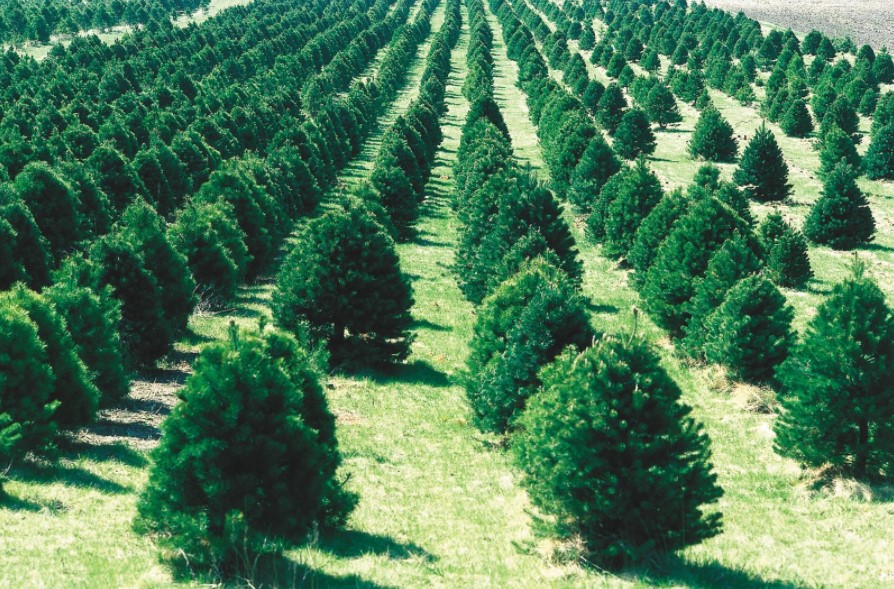
O Christmas Tree: Is your Christmas tree environmentally friendly?

The economic impact of the Christmas tree is hefty, but its environmental impact is a lot less so.
Posted inAbout Great Lakes Now, Featured, Fish, Birds and Animals, Lake Michigan, Lake Superior, Latest News, News, Research, Data and Technology, Science, Technology & Research, Who We Are and What We Do
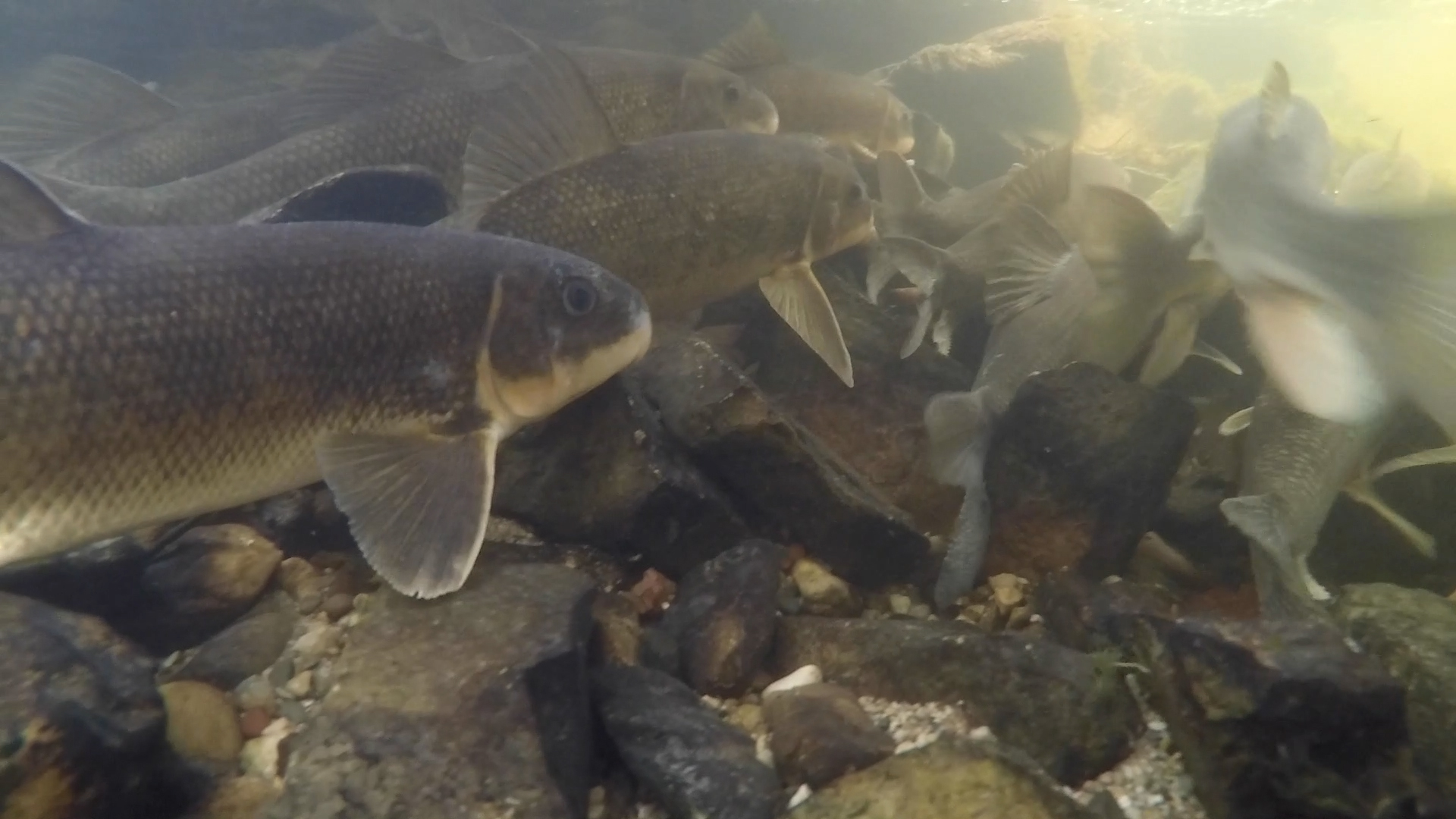
Community Sucker Science: Meet a Shedd Aquarium fish researcher and her stewardship volunteers
Shedd Aquarium’s Karen Murchie shares the sounds of suckers and previews her next research efforts for this Great Lakes fish.
Posted inDrinking Water, Great Lakes News Collaborative, Groundwater Contamination, Latest News, Lead, Michigan, News, Politics, Region, Water Quality
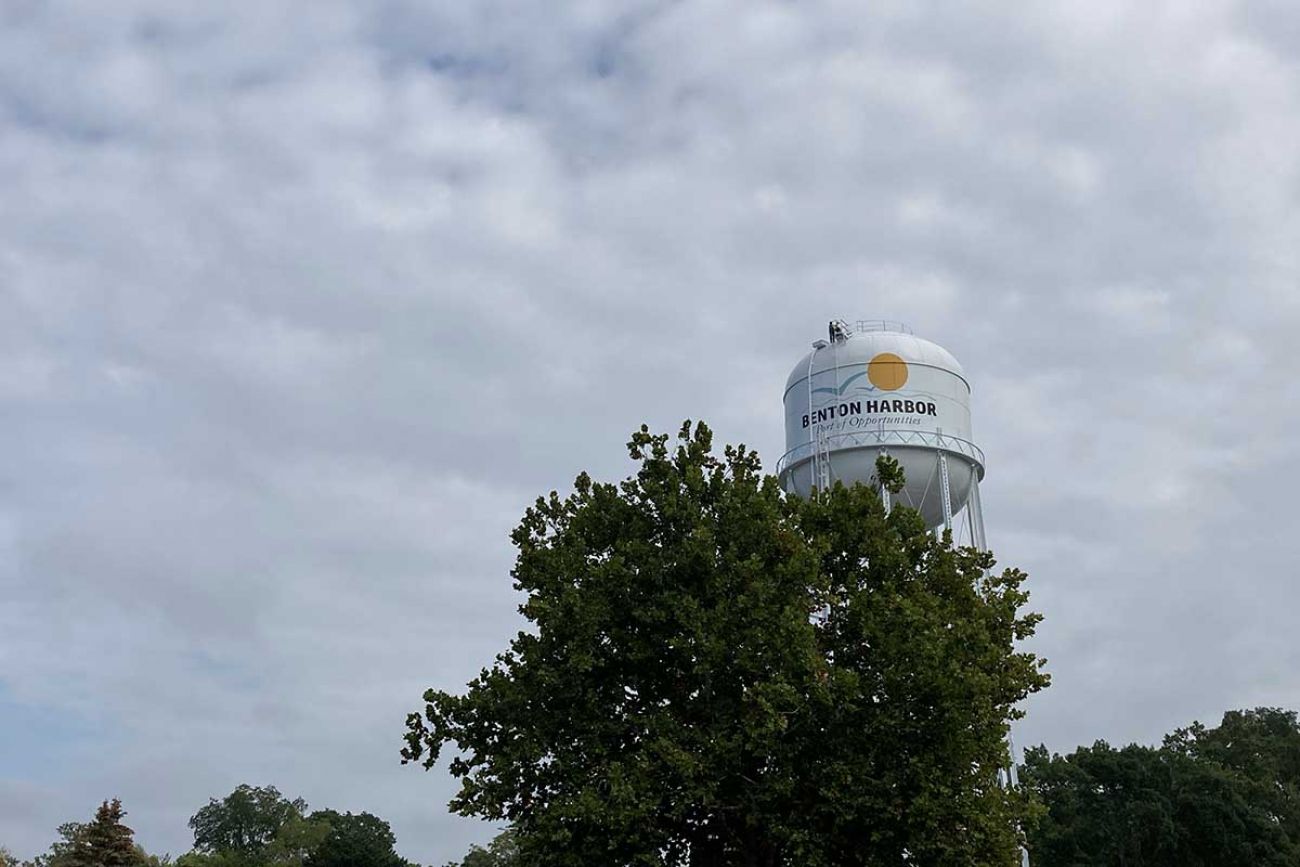
High costs, few customers: Benton Harbor water woes loom for Michigan cities

The quandary in Benton Harbor is an extreme example of a widespread problem in many Michigan cities, where shrinking populations and wealth have left many local governments unable to collect enough ratepayer revenue to cover long-term water system costs.
Posted inFeatured, Fish, Birds and Animals, I Speak for the Fish, Latest News, Michigan, News, Protect, Recreation and Tourism, Region, Science, Technology & Research
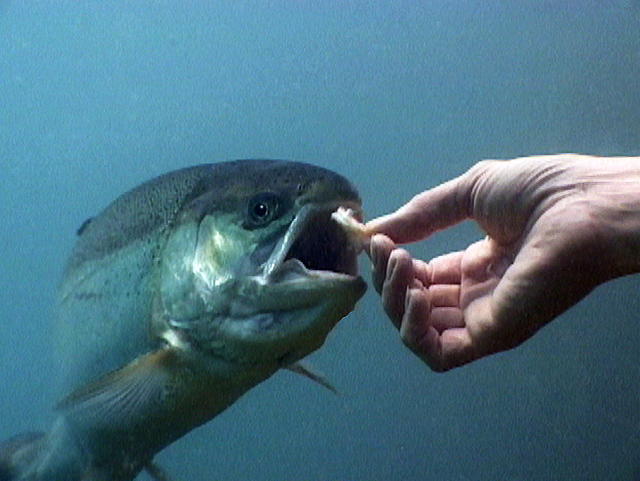
I Speak for the Fish: Center stage alongside Great Lakes steelhead trout

As the year comes to a close, Kathy Johnson reminisces about the time she brought the Great Lakes to an international audience – and had them asking for more.
Posted inFeatured, Industry, Lake Huron, Latest News, News, Ontario, Politics, Region, Science, Technology & Research, Water Quality
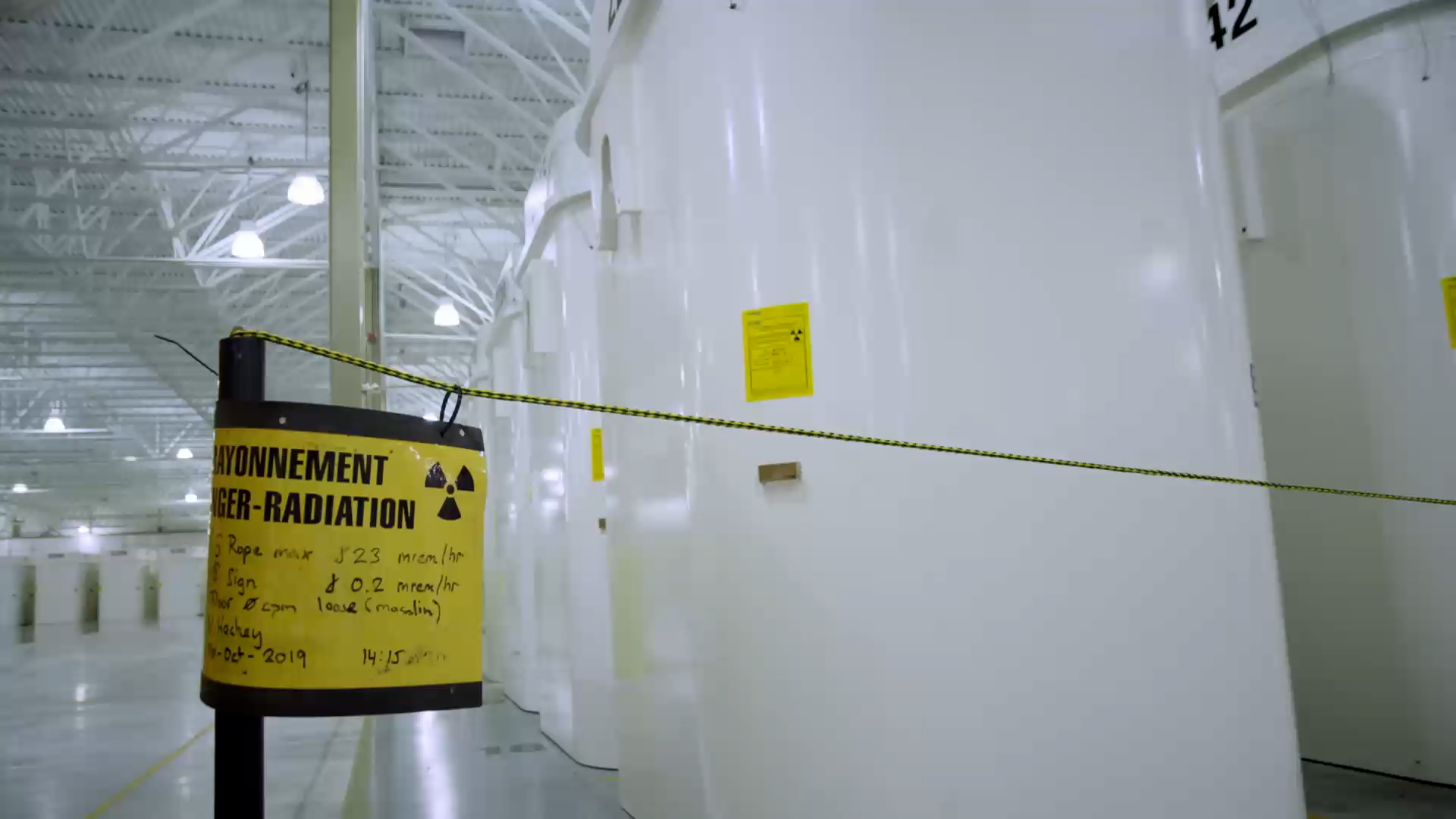
Public Perception: When it comes to nuclear waste in the Great Lakes region, what counts as safe?
Nuclear waste storage is a controversial aspect of the energy and sustainability conversation. Here’s what nuclear engineer Denia Djokić told Great Lakes Now about the issues and science.
Posted inFish, Birds and Animals, Michigan, News, Politics, Recreation and Tourism, Recreational Hunting and Fishing, Region, Science, Technology & Research, Wisconsin
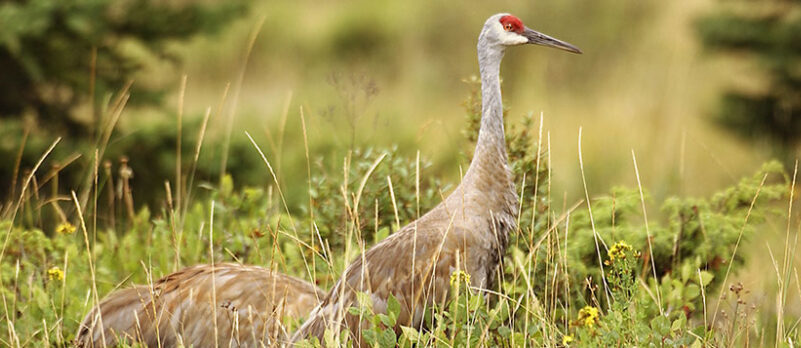
Proposed eastern sandhill cranes hunt in breeding states stirs controversy

Efforts by politicians to create a hunting season for eastern sandhill cranes in both Wisconsin and Michigan are stirring debates among hunters, farmers and birders.
Posted inDetroit River, Featured, Latest News, News, Politics, Protect, Region, Water Quality
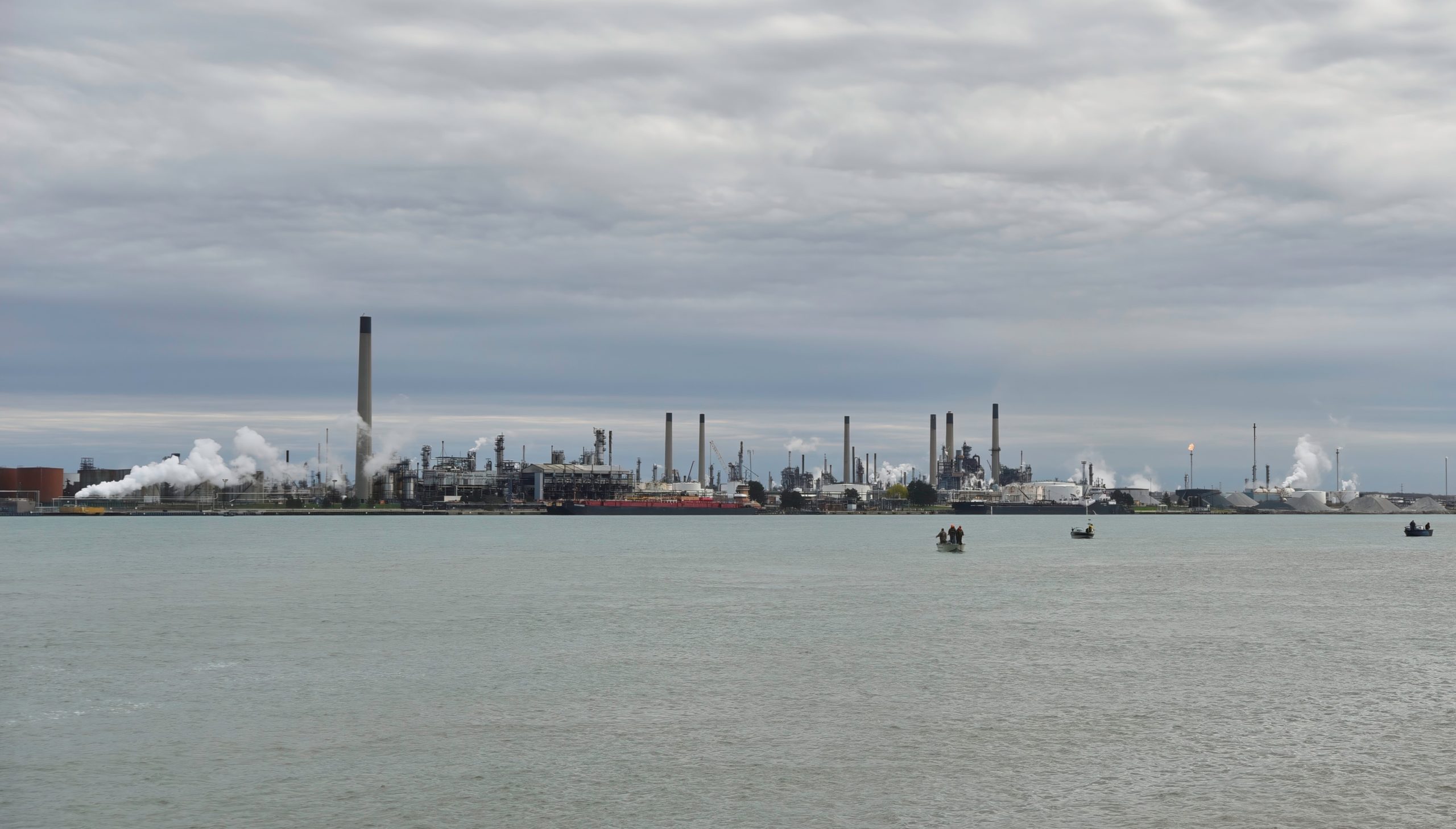
Old Business: EPA broadly designates legacy toxic sediment sites for funding priority

Environmental groups, government representatives decline to recommend specific priority sites for cleanup.
Posted inAbout Great Lakes Now, Featured, Fish, Birds and Animals, Latest News, News, Ontario, Region, Science, Technology & Research, Water Quality, Who We Are and What We Do
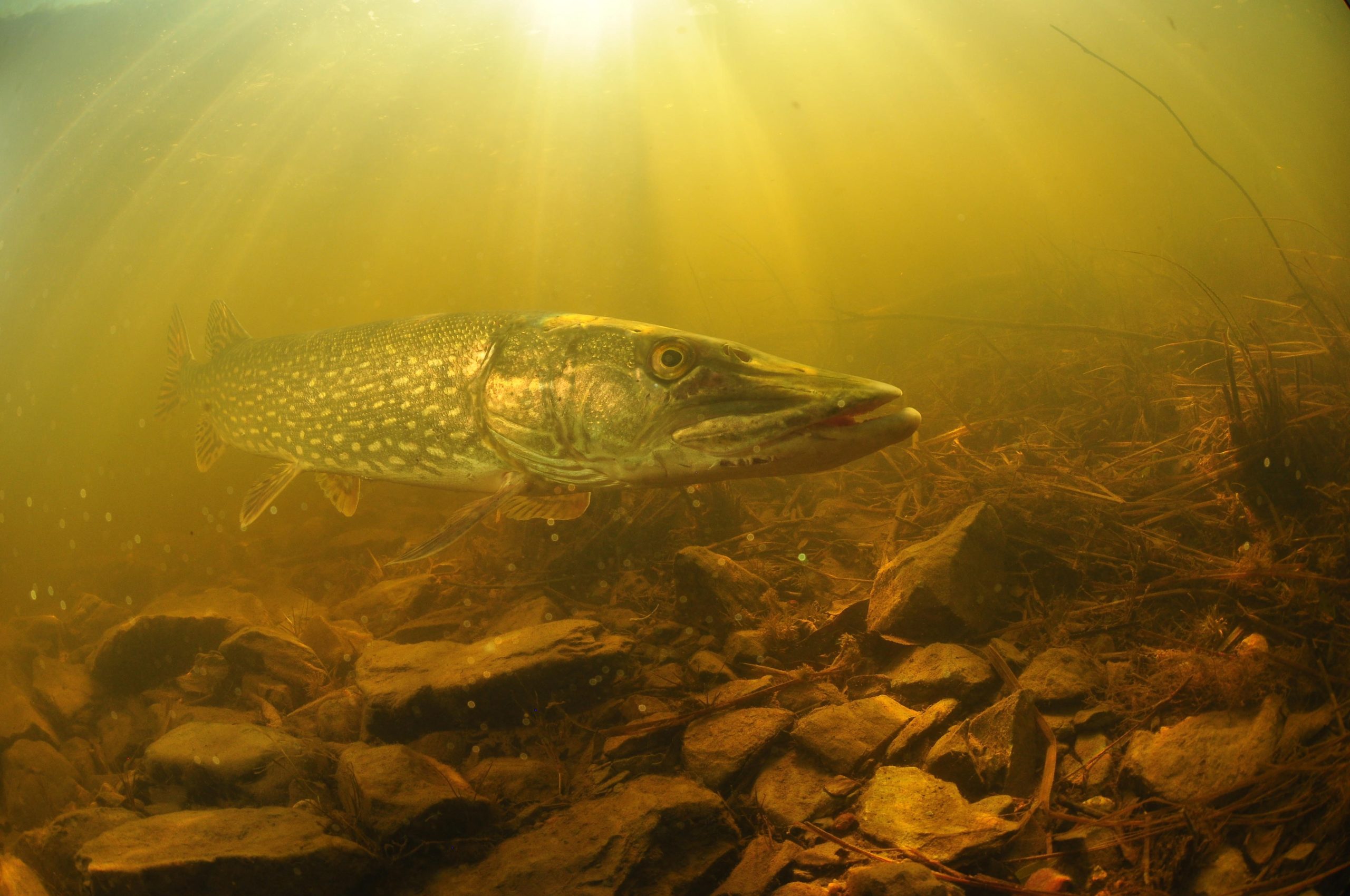
Study: Fish can recover from mercury pollution faster than thought

The 15 years of studying mercury impacts in a small northern Ontario lake culminated in some unexpected results.
Posted inAbout Great Lakes Now, Featured, Industry, Latest News, News, Ontario, Politics, Protect, Region, Science, Technology & Research, Water Quality, Who We Are and What We Do
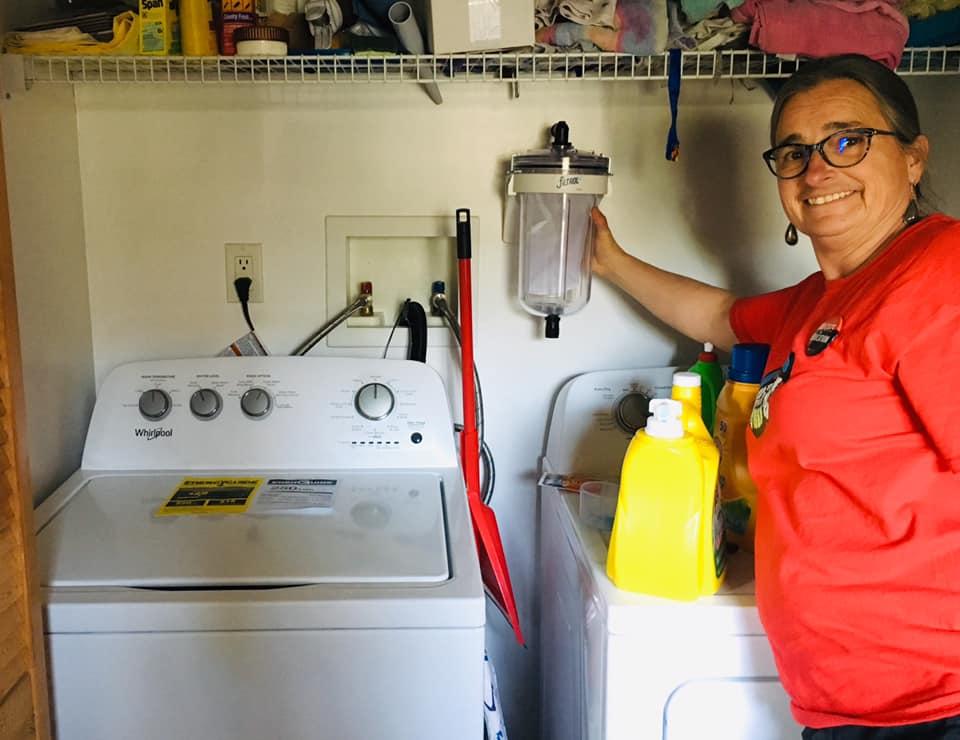
Filter Fix: Study shows washing machine filters keep harmful microfibers out of the Great Lakes

The Ontario study found a 41% reduction in both microplastic and cotton fibers in wastewater for people who were using the filter.