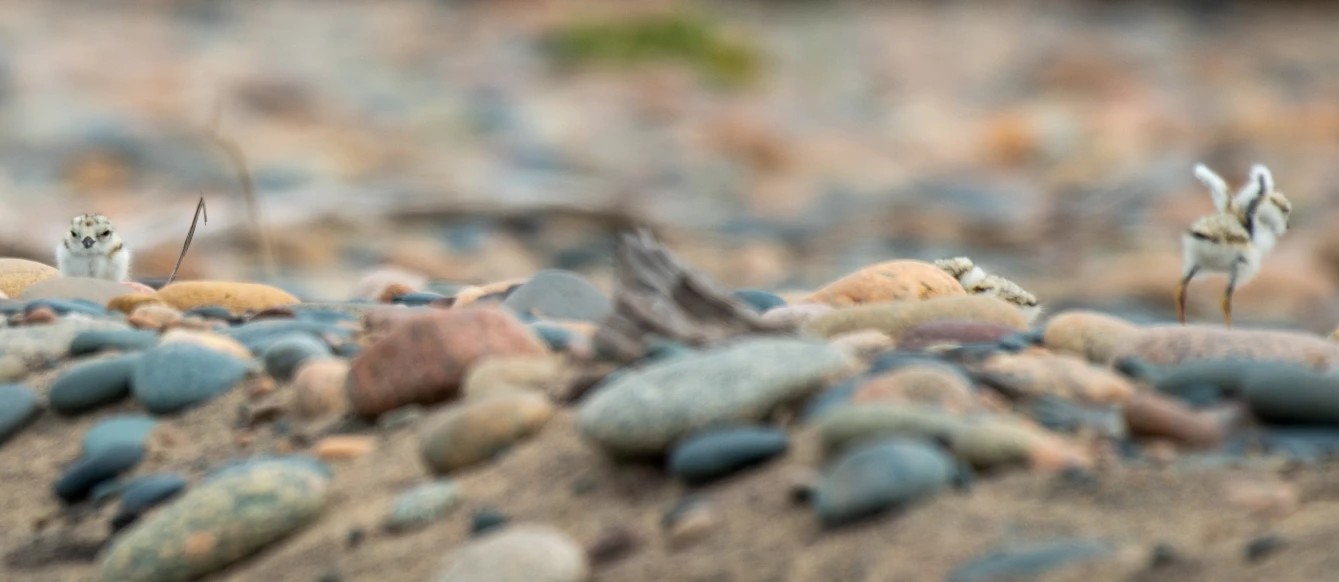

The Great Lakes piping plover recovery effort has been ongoing since the mid-1980s when the population got as low as a dozen nesting pairs. This year, the number reached 85 nesting pairs for the first time.
Tag: birds

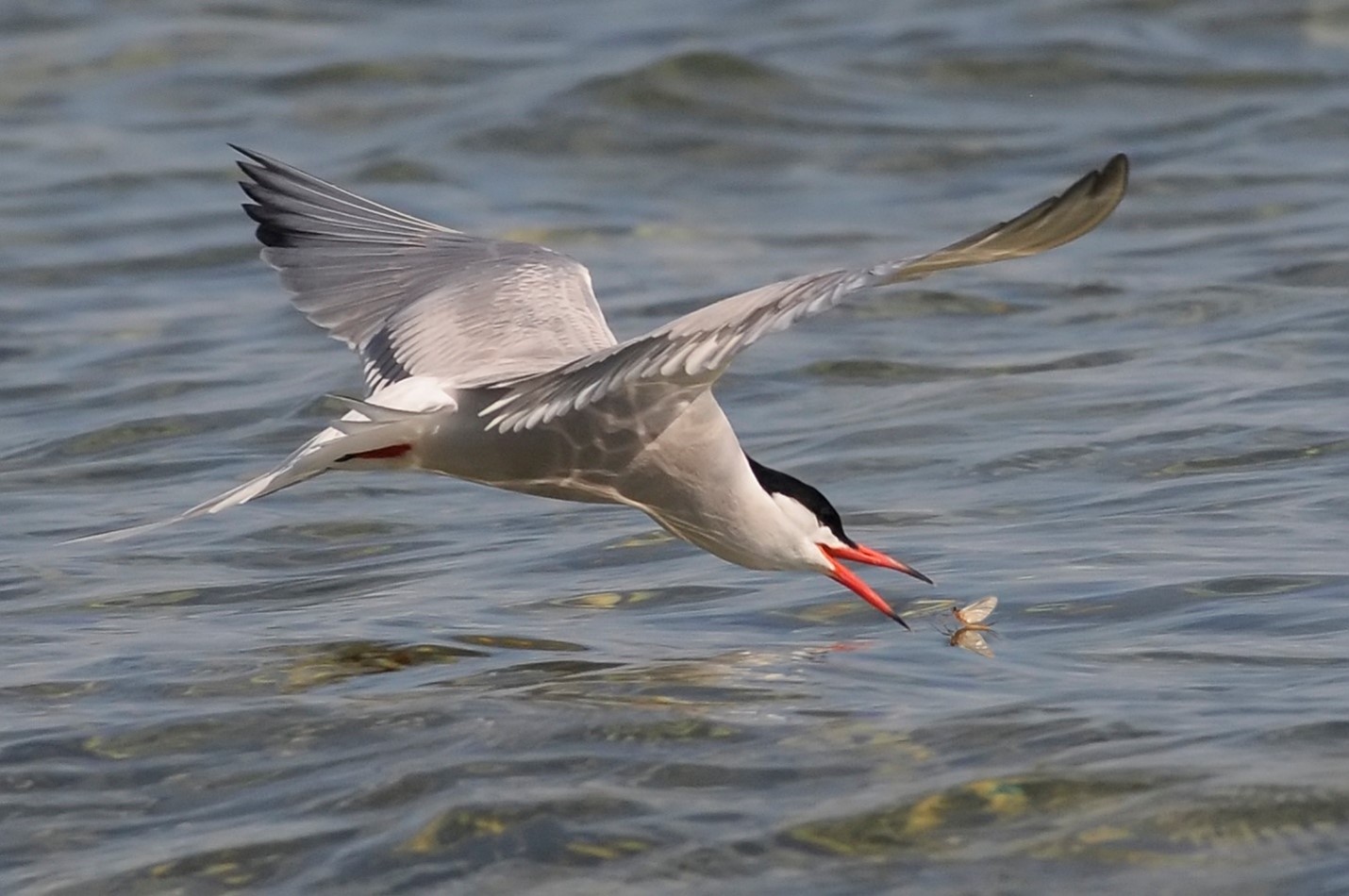
Posted inAbout Great Lakes Now, Authors, Detroit, Detroit River, Featured, Fish, Birds and Animals, John Hartig, Latest News, Michigan, News, Region, Science, Technology, Research, Water Quality and Restoration Efforts, Who We Are and What We Do
Great Lakes Moment: Detroit River common terns under threat

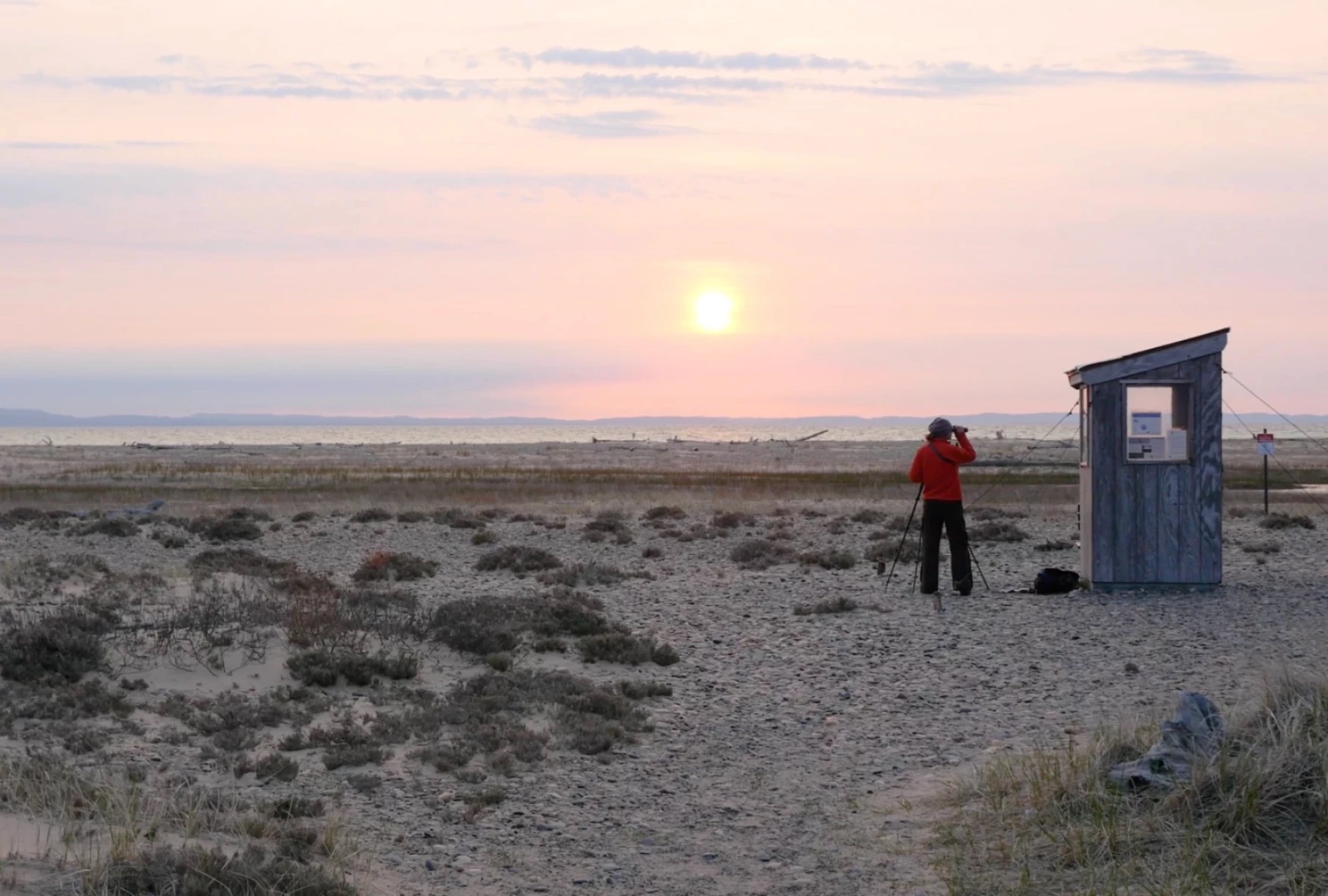

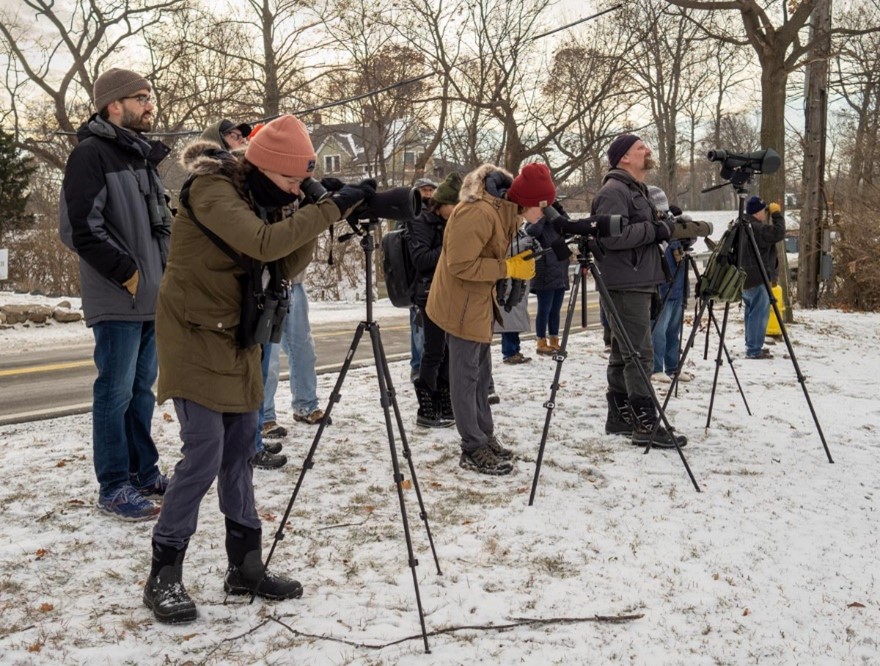
Posted inAbout Great Lakes Now, Authors, Citizen Science, Detroit, Detroit River, Feature Detroit, Featured, Fish, Birds and Animals, History and Culture, John Hartig, Lake Erie, Lake Erie-EPA, Latest News, Michigan, News, Recreation and Tourism, Region, Science, Technology, Research, Tourism, Who We Are and What We Do
Great Lakes Moment: A community science survey
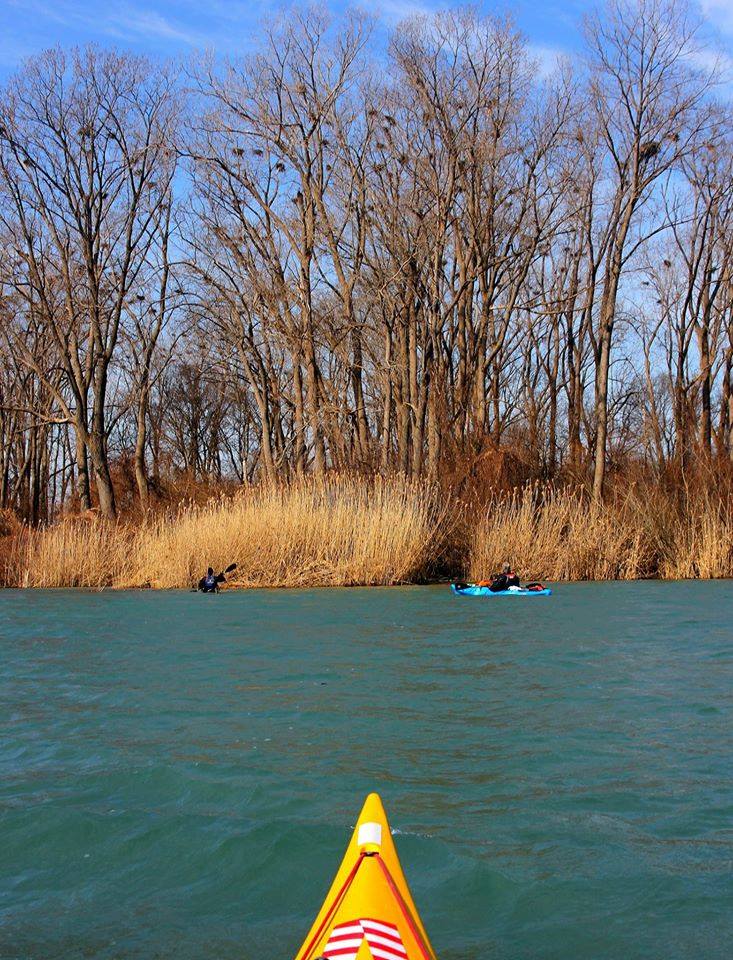
Posted inAbout Great Lakes Now, Authors, Detroit, Detroit River, Feature Detroit, Featured, Fish, Birds and Animals, Habitat Restoration, John Hartig, Latest News, Michigan, News, Region, Science, Technology, Research, Water Quality and Restoration Efforts, Who We Are and What We Do
Great Lakes Moment: The great blue herons of Stony Island

Posted inAbout Great Lakes Now, Authors, Climate Change, Detroit River, Featured, Fish, Birds and Animals, Great Lakes News Collaborative, Guest Article, Habitat Restoration, Industry, Energy, Economic Development, John Hartig, Lake Erie, Lake Ontario, Latest News, Michigan, News, Ontario, Region, Research, Data and Technology, Science, Technology, Research, St. Lawrence River, Water Quality and Restoration Efforts, Who We Are and What We Do
Great Lakes Moment: Chemical contaminant in St. Lawrence River herring gull eggs traced to Detroit River

Posted inFeatured, Fish, Birds and Animals, Great Lakes News Collaborative, Guest Article, Habitat Restoration, Illinois, Indiana, Latest News, Michigan, News, Ohio, Politics, Policy, Environmental Justice, Protect, Region, Research, Data and Technology, Science, Technology, Research, Water Quality and Restoration Efforts, Wisconsin