

Throughout the Great Lakes region and across the U.S., water systems are aging.
In some communities, this means water bills that residents can’t afford or water that’s unsafe to drink. It means that vulnerable systems are even more at risk in a changing climate. From shrinking cities and small towns to the comparatively thriving suburbs, the true cost of water has been deferred for decades. As the nation prepares to pour hundreds of billions of federal dollars into rescuing water systems, the Great Lakes News Collaborative investigates the true cost of water in the Great Lakes region and beyond.
Watch The Preview
Subscribe on YouTube
Water’s True Cost
The quality of Michigan’s water infrastructure and the consequences of failure, while still real and apparent, are no longer being ignored.
Ontario faces uneven investment in water infrastructure
While much-needed money is being directed to aging drinking water infrastructure, stormwater and sewer systems have been neglected.
Even in Canada, where water prices are low, aging infrastructure and rising costs are a problem
Water, while still overall affordable in Canada compared to other countries, is growing more expensive as the cost of neglecting infrastructure for decades comes due.
Five fixes for Michigan’s drinking water woes
The Great Lakes News Collaborative asked state and national experts how Michigan could break the cycle of underfunding and poor decision-making that has left water systems across Michigan in sorry shape.
Michigan’s ‘Very Big Opportunity’ in Infrastructure Windfall
More communities gain access to the largest federal infusion in a half century.
Some Michigan water systems are overbuilt, underfunded. Are mergers the answer?
Customers get cheaper, cleaner water when communities share the cost of infrastructure. But Michigan’s experience shows how political conflicts and logistical challenges can complicate the math.
Short-changing Michigan local governments has resulted in deteriorating water systems and other services
Many of Michigan’s cities are reaching a crisis point because of a decline in federal dollars for water and sewer infrastructure made worse by the state’s centralized taxing system.
Michigan’s lack of septic system regulations is causing problems for some of its most pristine lakes
The cost of updating sewer systems in growing communities is either a hefty price tag or polluted waters.

Michigan’s 20th Century water systems too big for its shrinking city populations
Cities around the Great Lakes region struggle with the cost of water maintenance and operation as their populations decline.
Water woes loom for Michigan suburbs, towns after decades of disinvestment
Michigan cities rich and poor, big and small have been delaying maintenance on their water systems for decades. Now, even wealthy towns are suffering the consequences of past reluctance to pay for water system upkeep.
Many Rural Towns Have Neglected Drinking Water Systems for Decades
Rural Michigan’s shrinking populations, growing poverty, and diminished state and federal assistance have fueled a crisis of underfunded drinking water infrastructure.
After Decades of Neglect, Bill Coming Due for Michigan’s Water Infrastructure
Federal and state governments begin to reverse course on underinvestment to address water’s true cost.

Great Lakes News Collaborative examines Water’s True Cost
For the whole month of May, Great Lakes Now will be looking at aging water infrastructure and the rising literal cost of water as part of a series from the Great Lakes News Collaborative.
Join the Conversations: Events on “Water’s True Cost” will answer your questions about water infrastructure
As the Great Lakes News Collaborative prepares to publish and air stories about water’s true cost, get these free, virtual events on your calendar to learn more about your drinking water.

Water’s True Cost: Episode Sneak Peek Watch Party
Join GLN Producer Anna Sysling for a conversation with several guests who all played a part in this episode’s story about the complicated financial, public health and infrastructural implications of our drinking water.
More from the Great Lakes News Collaborative:
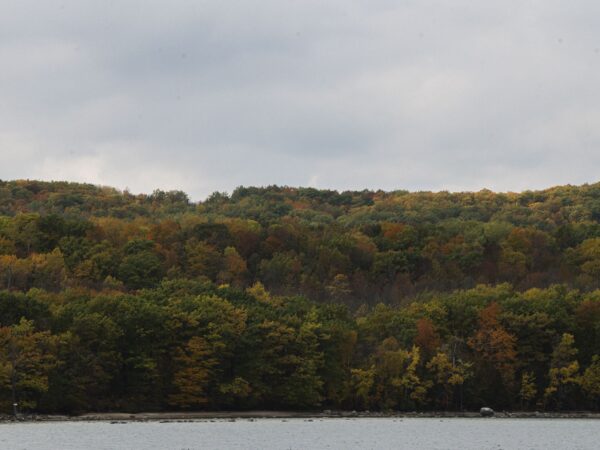
Ontario is subsidizing an energy project in Georgian Bay despite expert advice
An internal memo from Ontario’s electricity system operator outlines concerns with TC Energy’s large pumped storage proposal in Meaford, including cost overruns and an inability to meet short-term energy needs.
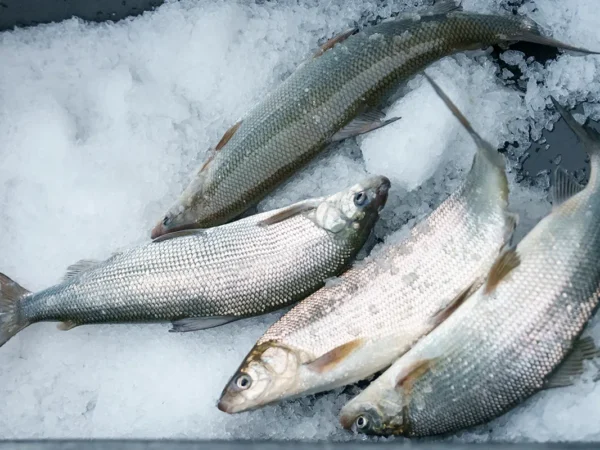
What to know about Michigan whitefish crisis, from limits to solutions
Invasive mussels that blanket the depths of lakes Huron and Michigan have pushed whitefish to the brink of extinction. What to know about possible solutions and why Lake Superior so far is spared.
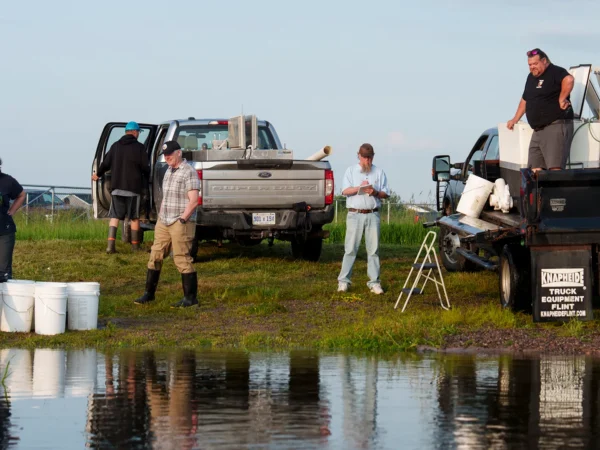
Time running out for Great Lakes whitefish. Can ponds become their Noah’s Ark?
On the brink of collapse in Lakes Michigan and Huron, whitefish need a miracle. Now, some want to relocate fish en masse to inland waters to preserve dying bloodlines.
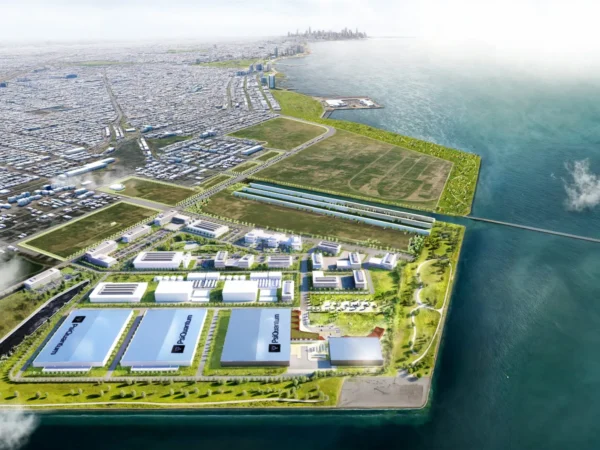
Chicago’s ‘Quantum Prairie’ Promises New Era of Great Lakes Technology and Water Use
Explore the quantum shift in Chicago’s economy as it transforms the former U.S. Steel South Works site into a sustainable future.

Environmental groups use anniversary of Kalamazoo River oil spill to warn about Enbridge Line 5
The massive oil spill in the Kalamazoo River 15 years ago polluted the water and shoreline and left oil-coated wildlife.

‘We can’t regulate ourselves’ out of whitefish crisis, experts say
Amid a population crash of Michigan’s staple lake whitefish, fisheries experts told regulators that more research needs to be done to discover how to stem the scourge of invasive mussels. Without that, they said, efforts to limit fishing are futile.

This wetland fight could go to the Supreme Court
A court case pitting farmer against farmer in Iowa could decide the fate of wetlands nationwide.

Advocacy group challenges “new normal” status of Lake Erie’s algal blooms
Alliance for the Great Lakes calls for use of enforceable regulations to prevent toxic algal blooms. Michigan agency says the state has limited regulatory authority and defends the state’s actions.