
In this “watch party,” originally broadcast on Facebook on Jan. 8, 2021, Belle Isle Aquarium Aquarist Amanda Murray chats with WDET’s Annamarie Sysling and Great Lakes Now’s Sandra Svoboda and […]
Posted inDrinking Water, Great Lakes News Collaborative, Latest News, News, Policy, Politics, U.S. and Canadian Federal Governments, Water Quality
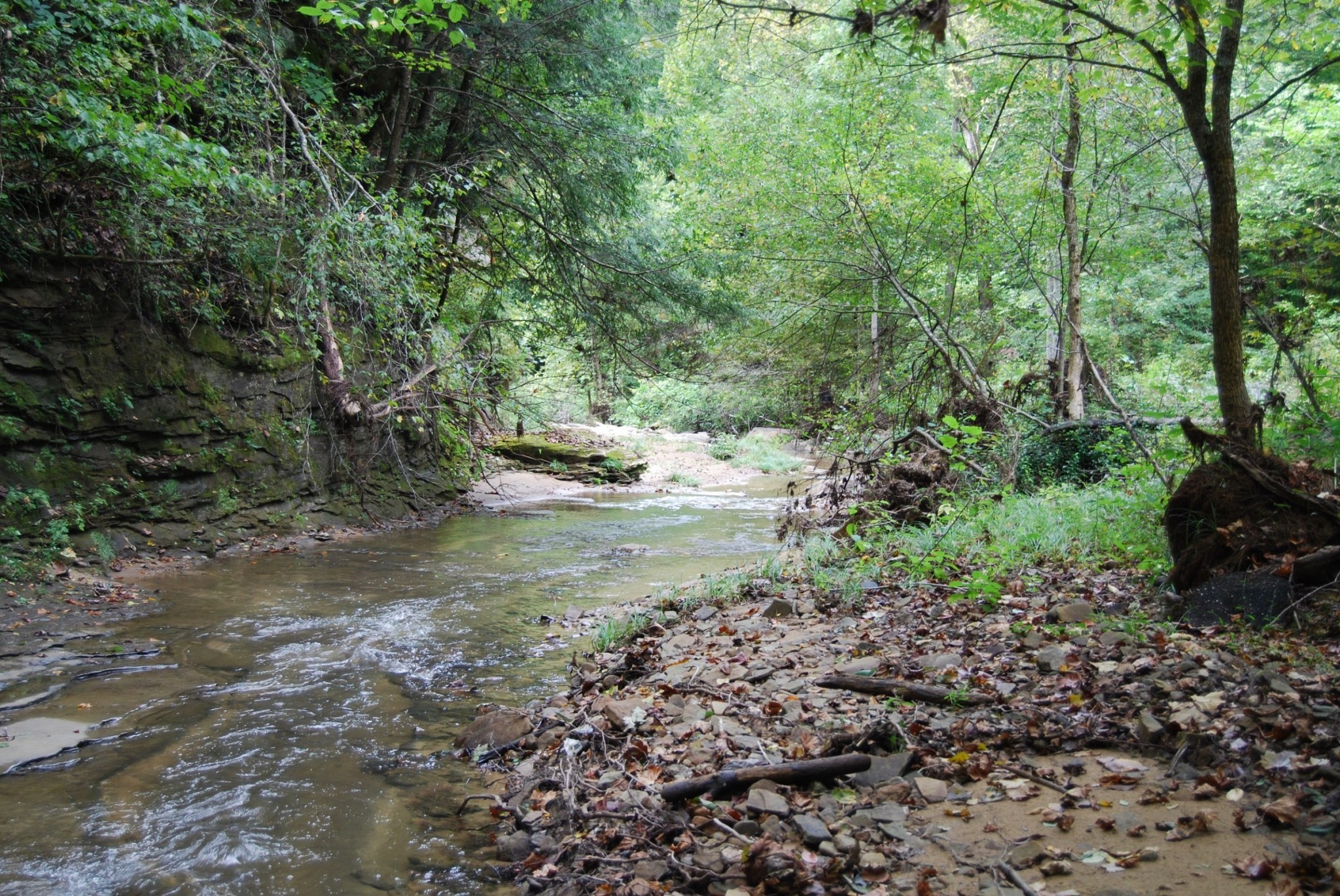
In Trump Administration’s Final-Days Deregulatory Push, Army Corps Reduces Stream Protections

Changes to the nationwide permits for dredging and filling waterways will expose more stretches of small streams to development.

Posted inAgriculture, Habitat Restoration, Industry, Latest News, News, Water Quality
European Colonists Dramatically Increased North American Erosion Rates

Around 200 years ago, when conversion of land for agriculture became more widespread, the amount of sediment accumulating in riverbeds across the continent jumped tenfold.
Posted inDrinking Water, Flint, Great Lakes News Collaborative, Latest News, Michigan, News, Region, Water Quality
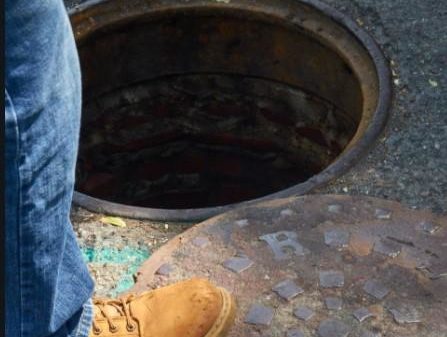
U.S. Justice Dept: Flint company owner dumped millions of gallons of untreated leachate in sewer

The owner of an oil processing company in Flint is accused of violating the Clean Water Act.
Posted inFish, Birds and Animals, Great Lakes News Collaborative, Latest News, News, Politics, Science, Technology & Research
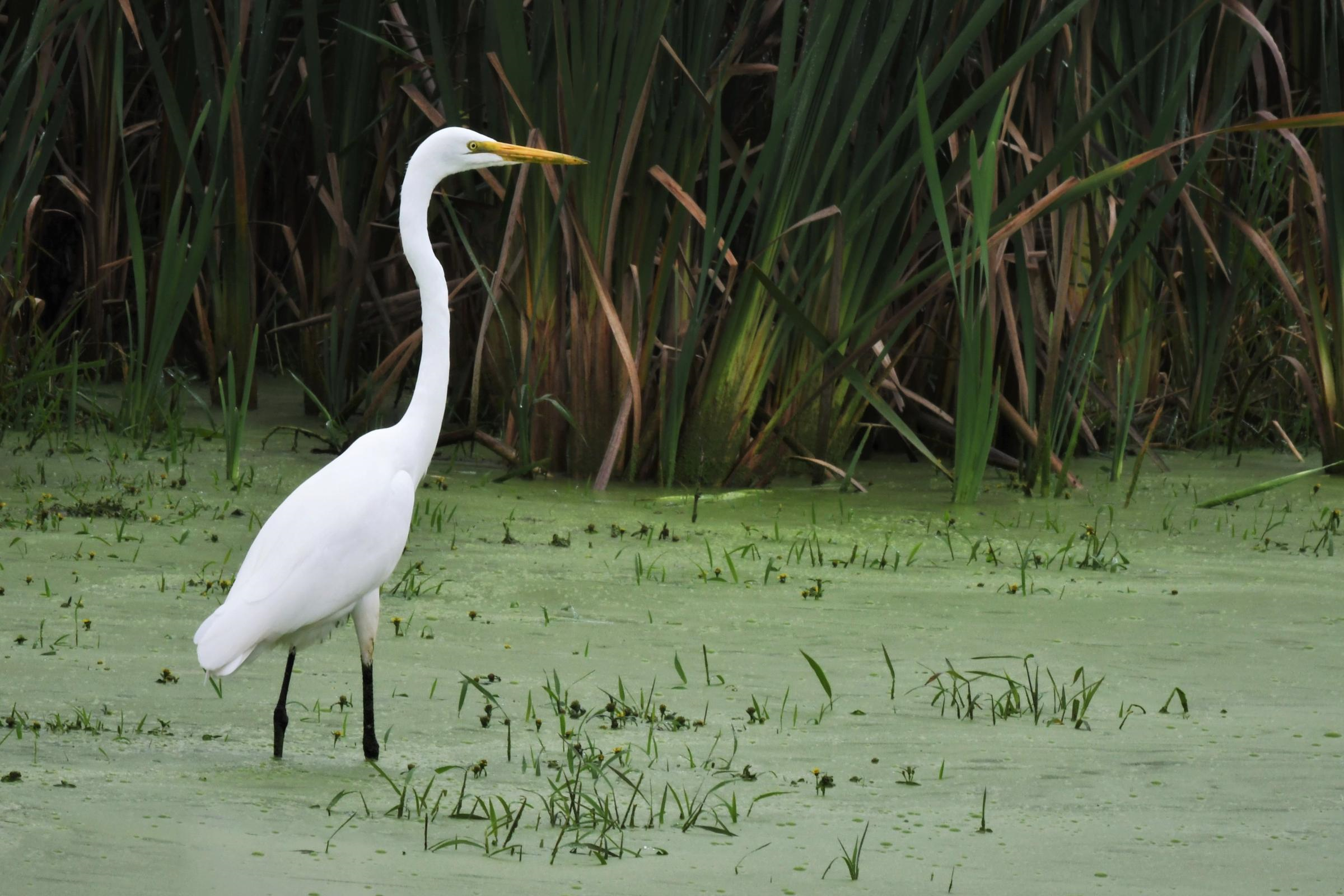
Trump administration rule ends prosecuting industry for unintentionally killing birds
The U.S. Fish and Wildlife Service changed part of the Migratory Bird Treaty Act which has protected birds for more than 100 years.
Posted inAsian Carp, Budget, Great Lakes News Collaborative, Illinois, Invasive Species, Latest News, Michigan, News, Politics, Region, Science, Technology & Research
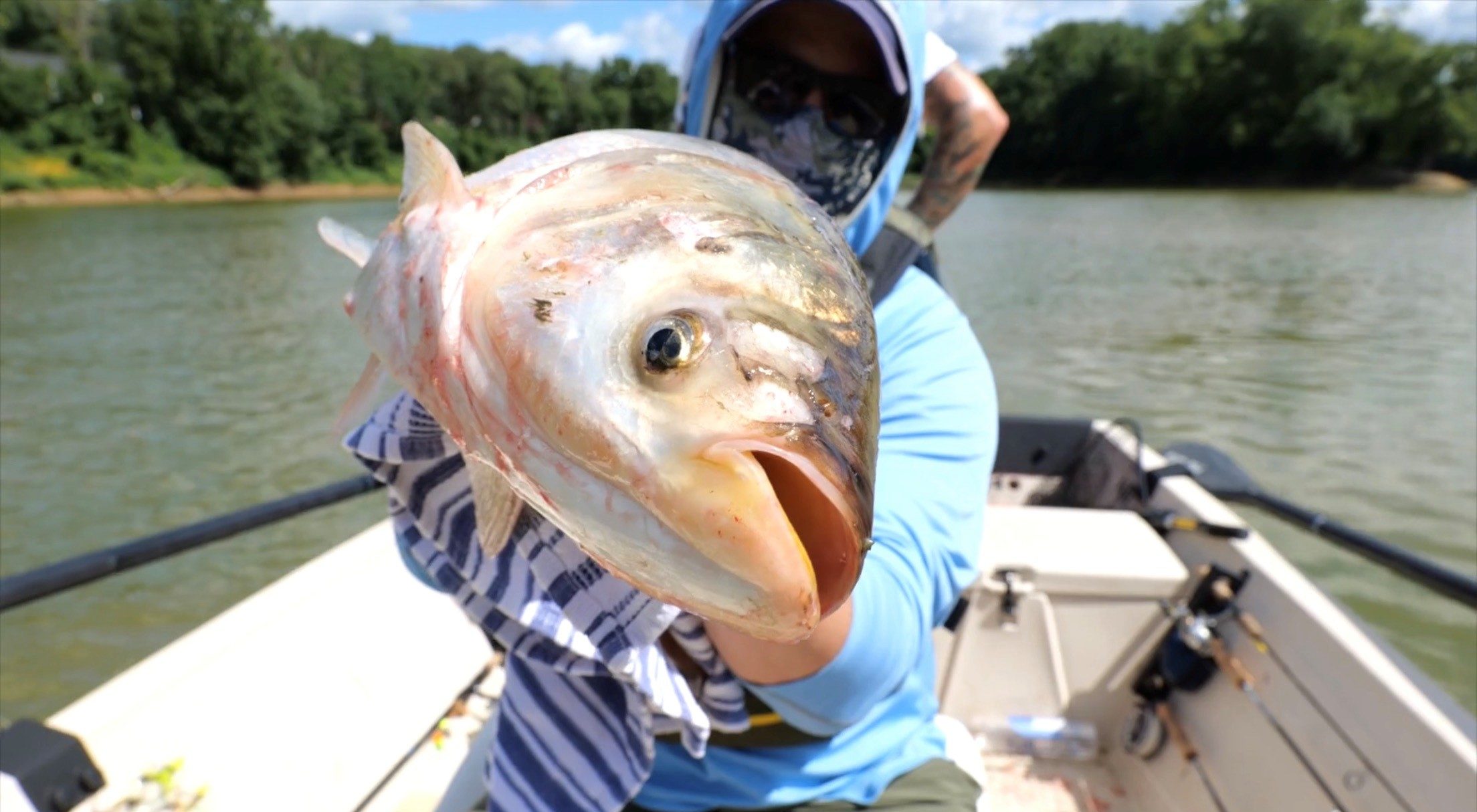
Michigan, Illinois sign agreement to build Asian Carp barrier
There are already electric barriers to stop Asian Carp. This new one will be more complex and the first line of defense.
Posted inAbout Great Lakes Now, Beaches, Boating, Paddle Sports and Sailing, Lake Erie, Latest News, News, Recreation and Tourism, Recreational Hunting and Fishing, Research, Data and Technology, Science, Technology & Research, Who We Are and What We Do
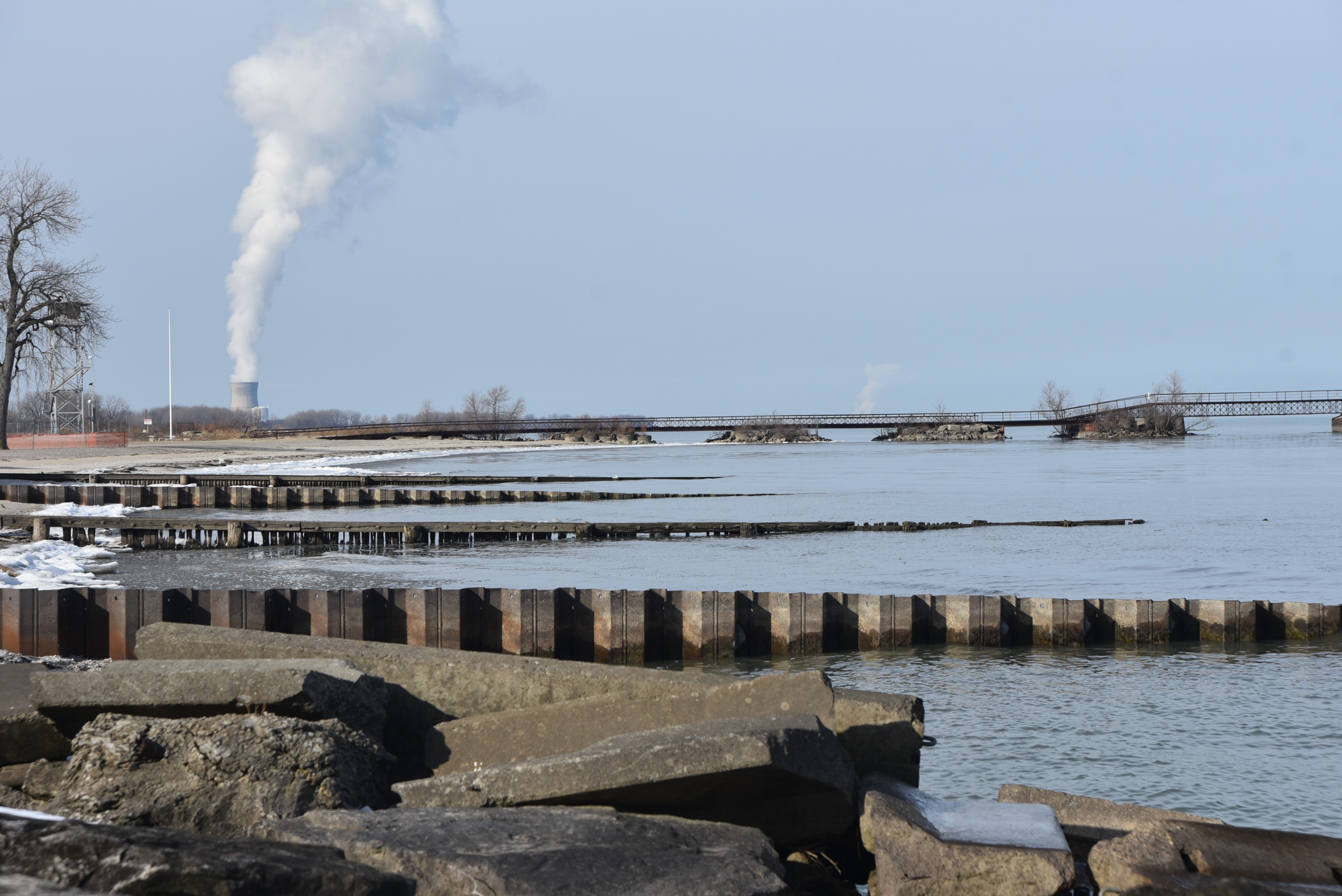
Unexploded Ordnance: Lake Erie shoreline site of long-term munitions study

Of the millions of munitions buried in the bed of Lake Erie, only a small percentage will surface. But that small percentage still holds a large risk of the munitions being live or containing explosives.
Posted inBudget, Drinking Water, Flint, Great Lakes News Collaborative, Groundwater Contamination, Infrastructure, Latest News, Lead, Michigan, News, Policy, Politics, Region, Water Quality
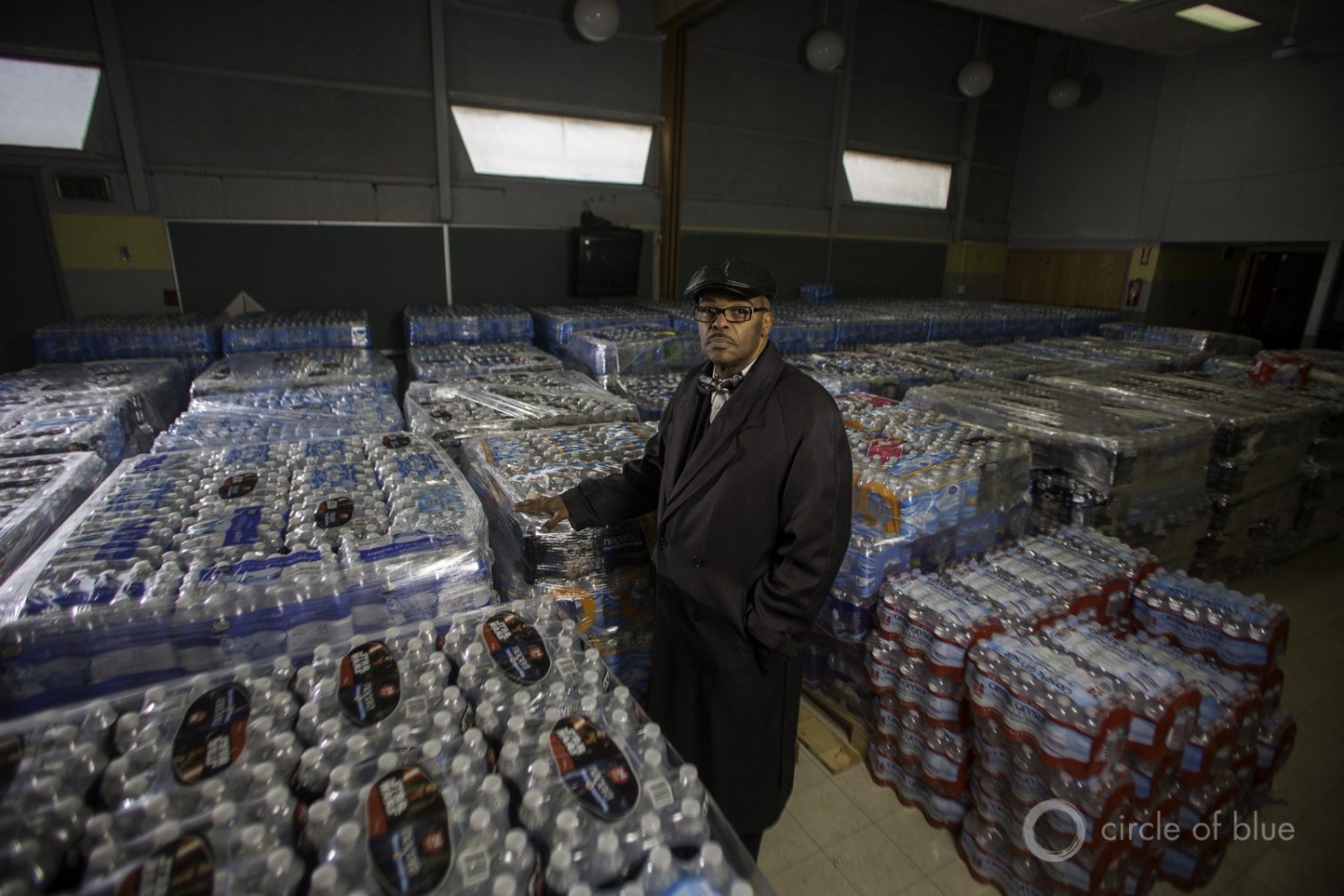
Years After Flint Water Crisis, Lead Lingers in School Buildings Across the Nation
In its 2021 budget, Congress included millions for lead testing in schools, where children are still exposed to the toxic metal.
Posted inBudget, Great Lakes News Collaborative, Latest News, News, Politics
President signs Great Lakes mapping bill into law
The last time some of these maps were updated was back in the late 1980s and early 1990s.

Posted inDrinking Water, Flint, Groundwater Contamination, Latest News, Lead, Michigan, News, Region, Water Quality
Demands for change, requests for information pertaining to Flint water settlement

Activist Jasmine Hall started demands to get residents more money and resources out of the settlement, and Attorney Loyst Fletcher has requested for residents to get more information.