-
Climate ChangeFeature HomepageLake MichiganLatest NewsNewsRecreation and TourismScience, Technology, ResearchWarmer winters mean less ice on Lake Michigan – hurting lake trout and whitefish
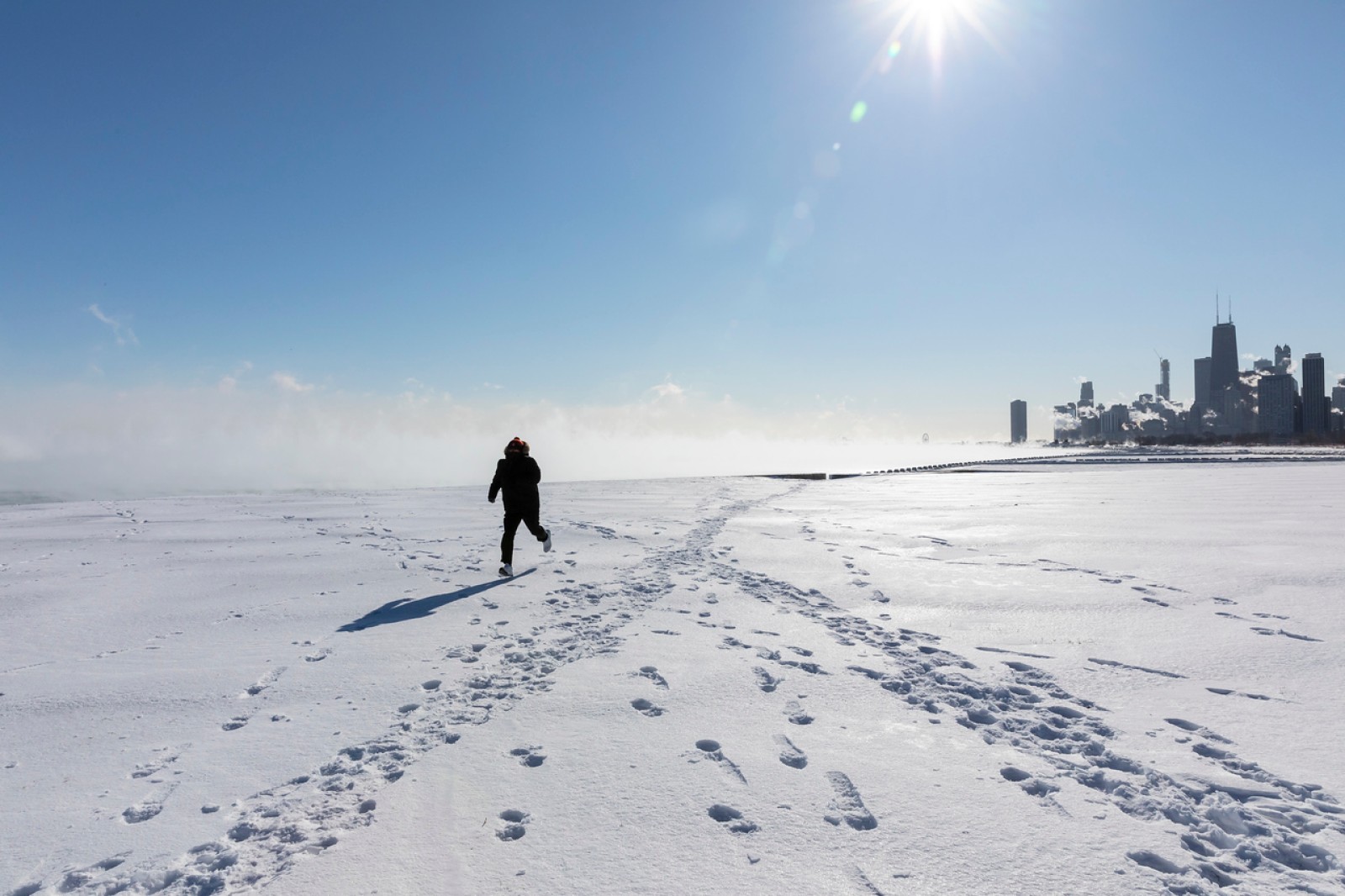
-All of the Great Lakes are experiencing declining ice coverage in the winter, which could affect recreation and shorelines.
00 -

As Great Lakes warm, collaboration and Indigenous self-determination are keys to adapting
-The Great Lakes are among the fastest-warming bodies of water. They contain one fifth of the world’s freshwater, and climate change is affecting everything that depends on them.
-

Canada says it can fight climate change and be major oil nation. Massive fires may force a reckoning
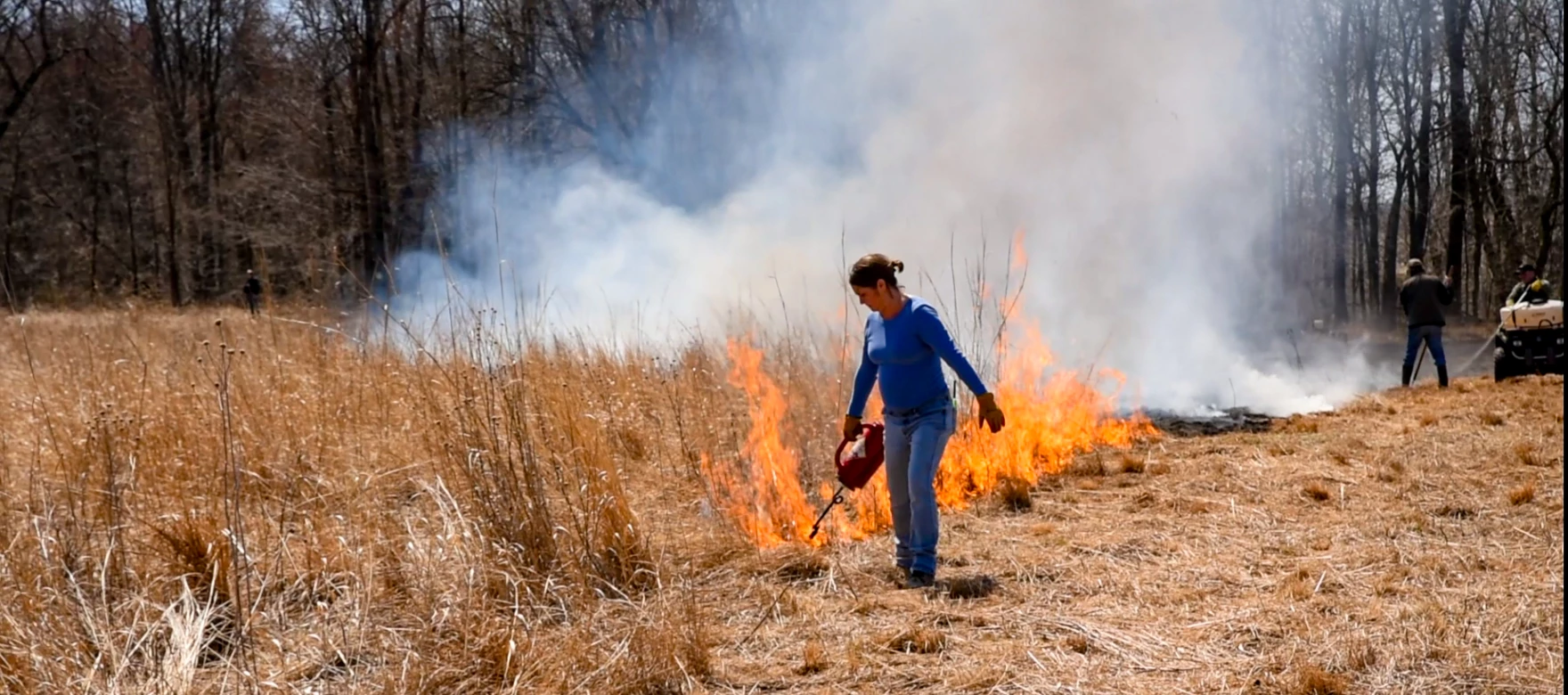
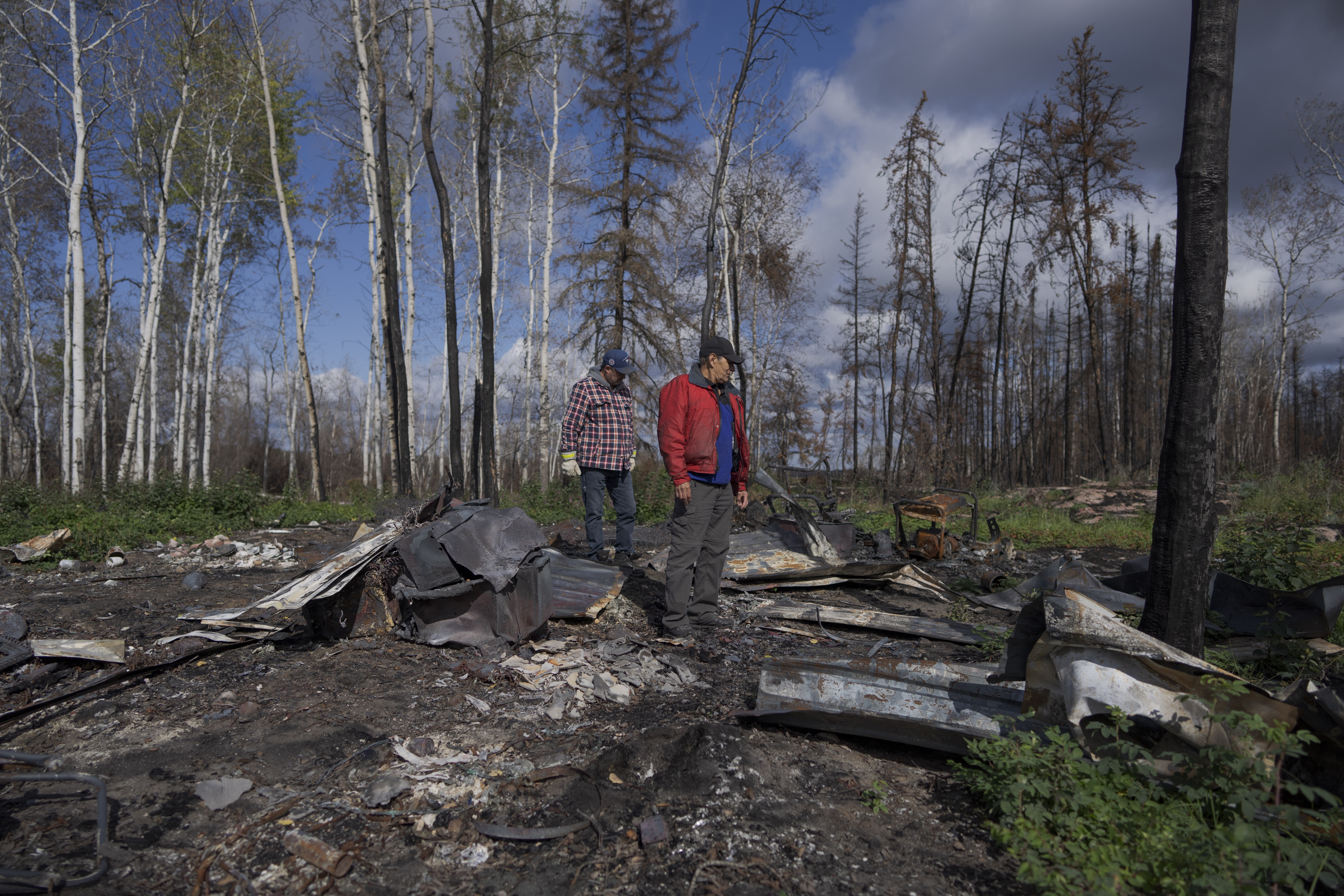
-Thousands of wildfires in Canada this year have incinerated an area larger than Florida, releasing into the atmosphere more than three times the amount of carbon dioxide that is produced by Canada in an entire year. And some are still burning.
-
Climate ChangeCollaborationFeature HomepageFish, Birds and AnimalsGreat Lakes News CollaborativeLatest NewsNewsScience, Technology, ResearchIn warming Great Lakes, climate triage means some cold waters won’t be saved
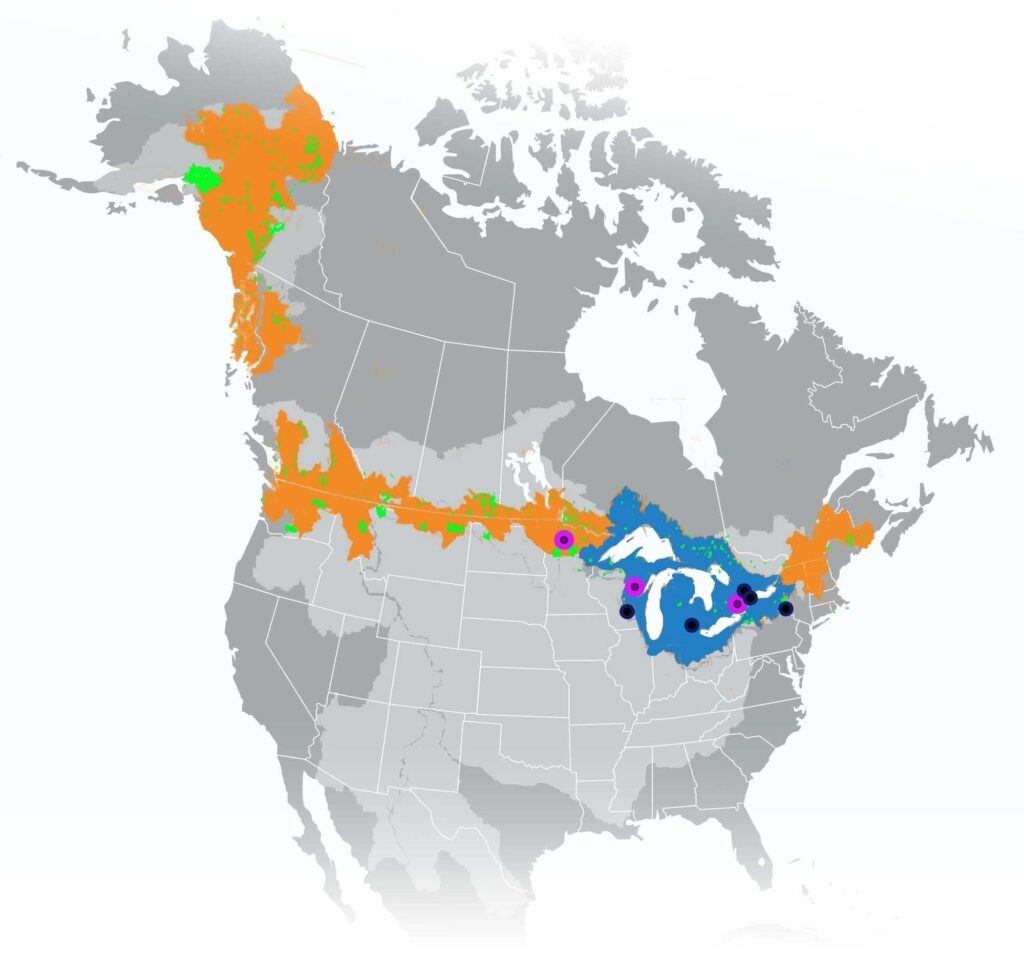
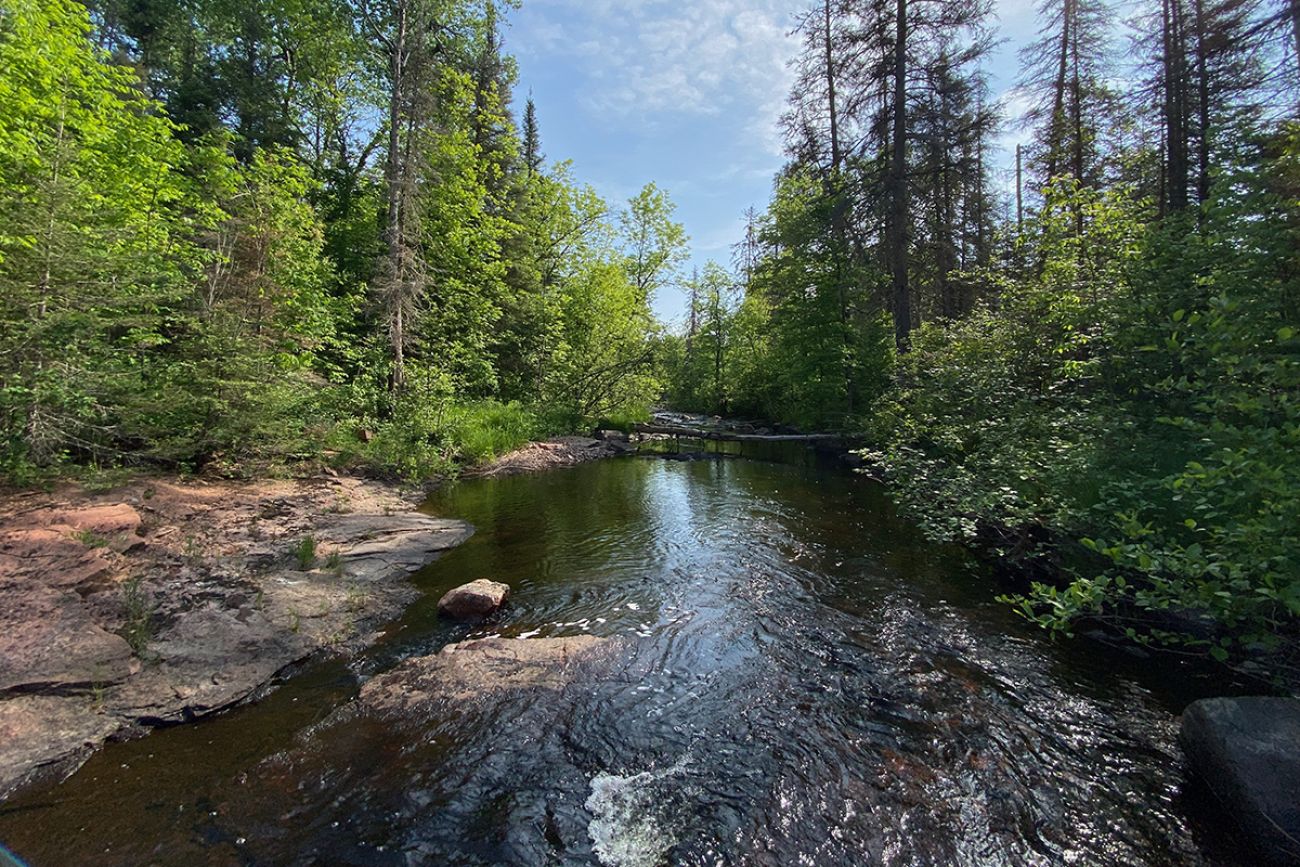
-Government officials begin the grim task of prioritizing which cold lakes and rivers to sacrifice — or save — as the climate changes. Not all cold-water loving fish may survive in the northern Great Lakes region.
-

Looking for a US ‘climate haven’ away from heat and disaster risks? Good luck finding one
-As people question how livable the world will be in a warming future, a narrative around climate migration and “climate havens” has emerged.
-

A Community-Led Approach To Stopping Flooding Expands
-In a region where communities of color are most impacted by flooding, RainReady is bringing together community members to create flood mitigation plans.
-
Algae BloomsClimate ChangeCollaborationGreat Lakes News CollaborativeLake ErieLatest NewsNewsResearch, Data and TechnologyScience, Technology, ResearchWater Quality and Restoration EffortsToxins from cyanobacterial blooms can be airborne, but the threat to public health is unclear
-Researchers are studying how much of cyanobacterial toxins become airborne. They say breathing in the toxins is much worse than ingesting them.