
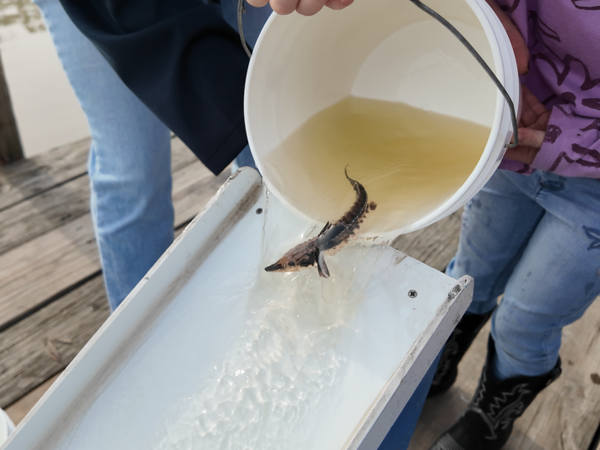
Sturgeon Fest releases 1,500 fish with hopes of boosting Lake Erie population
Sturgeon Fest released 1,500 baby sturgeon into the Maumee River to help restore historic populations on Saturday. 1,200 visitors came to help with the restoration effort and learn about the fish.
Keep readingThe Latest from Great Lakes Now
What will it take to stop the spotted lanternfly?
The invasive spotted lanternfly is spreading across the country, threatening native ecosystems. At Watkins Glen State Park in New York, researchers are trying a new method…
The Race to Understand Ice | Great Lakes Now | Full Episode
Join a team of divers and scientists working to uncover what happens beneath the ice in the first part of a new documentary. Under The Ice…
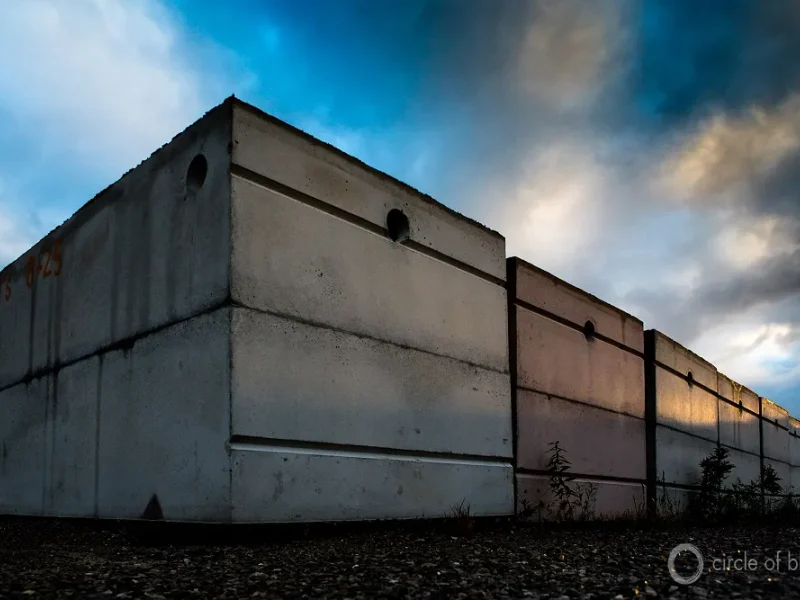
Michigan draws closer to state septic code
Michigan lawmakers are the closest they’ve been in years to passing a statewide septic code that would increase inspections to guard against human fecal waste leaking into the…
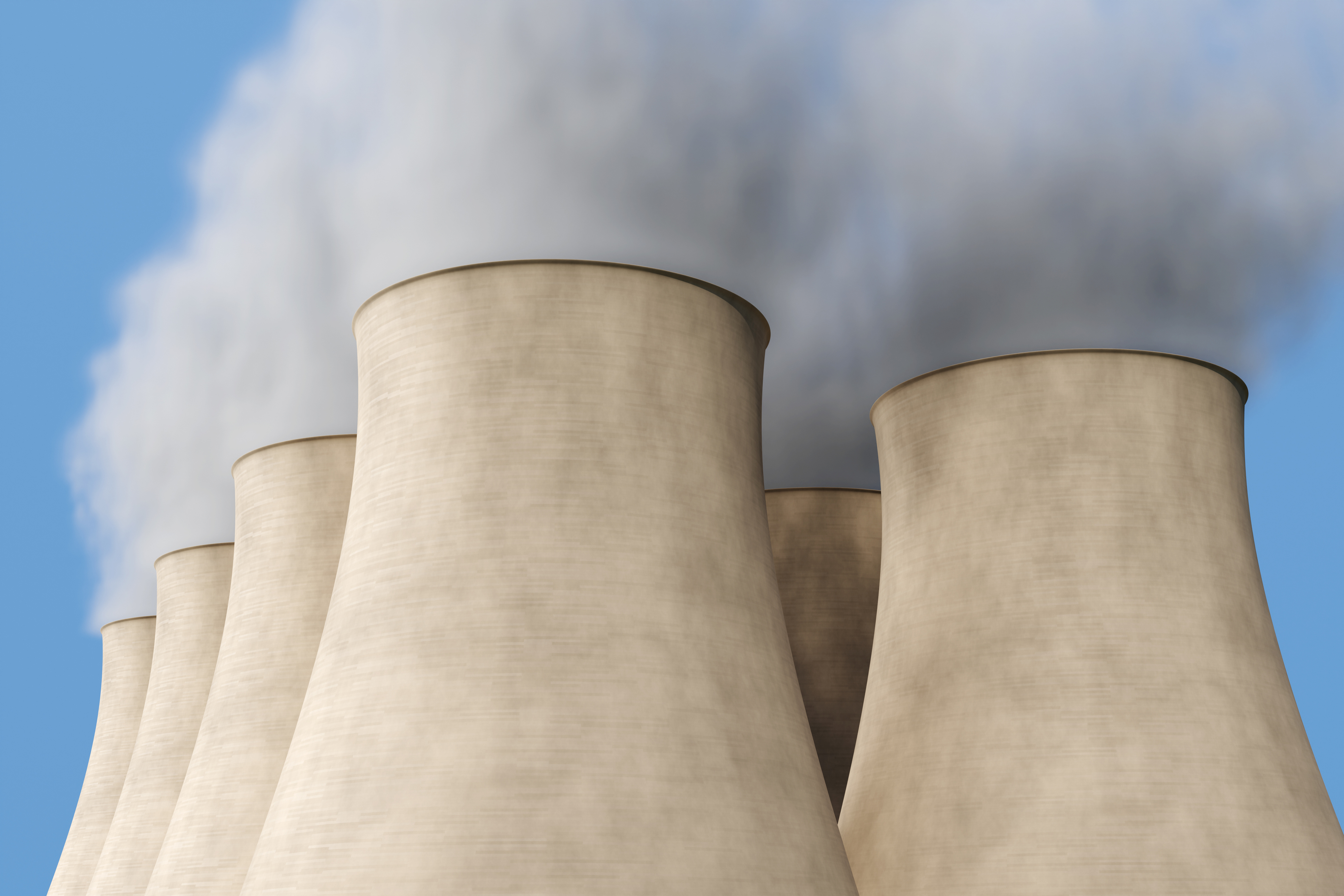
Billions more dollars are pouring into the Great Lakes region’s nuclear plants
More energy news with another setback for the Line 5 pipeline and an unconventional destination announced for iron ore from a new Minnesota mine.
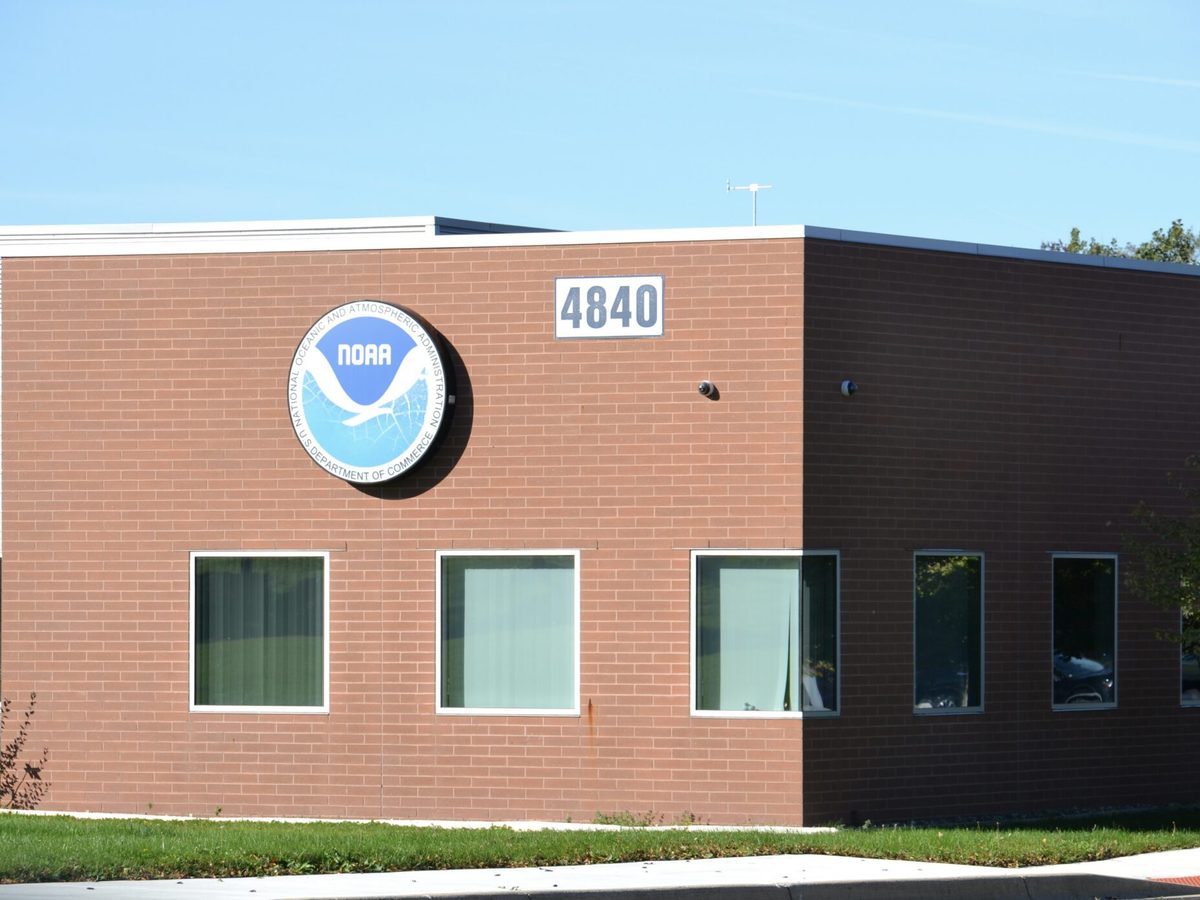
Great Lakes lab hit by DOGE is hanging on — for now
Staff cuts at an Ann Arbor-based research lab have scientists worried about its capacity to foresee crises.
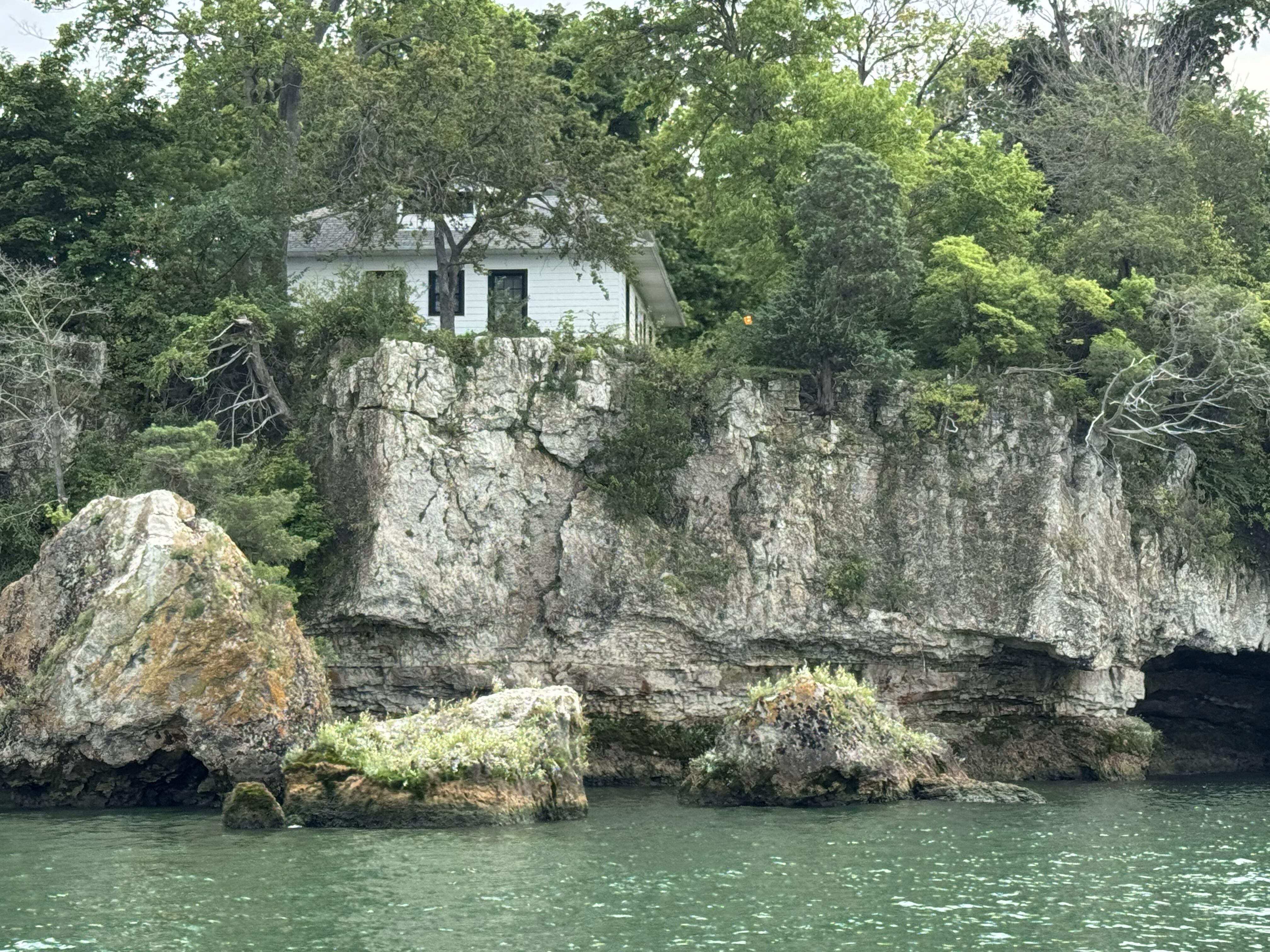
The Ohio State University owns an island?
Over 750,000 tourists head to South Bass Island (village of Put-In-Bay) every season. Tourists zoom over Lake Erie from Ohio’s mainland on the popular Jet Express ferry, topping…
Ishkode: A Collaboration Forged by Fire
A new children’s book seeks to tell the story of fire from many perspectives, and how the element is not just destructive, but also life-giving according to Anishinaabe…
Great Lake News Collaborative
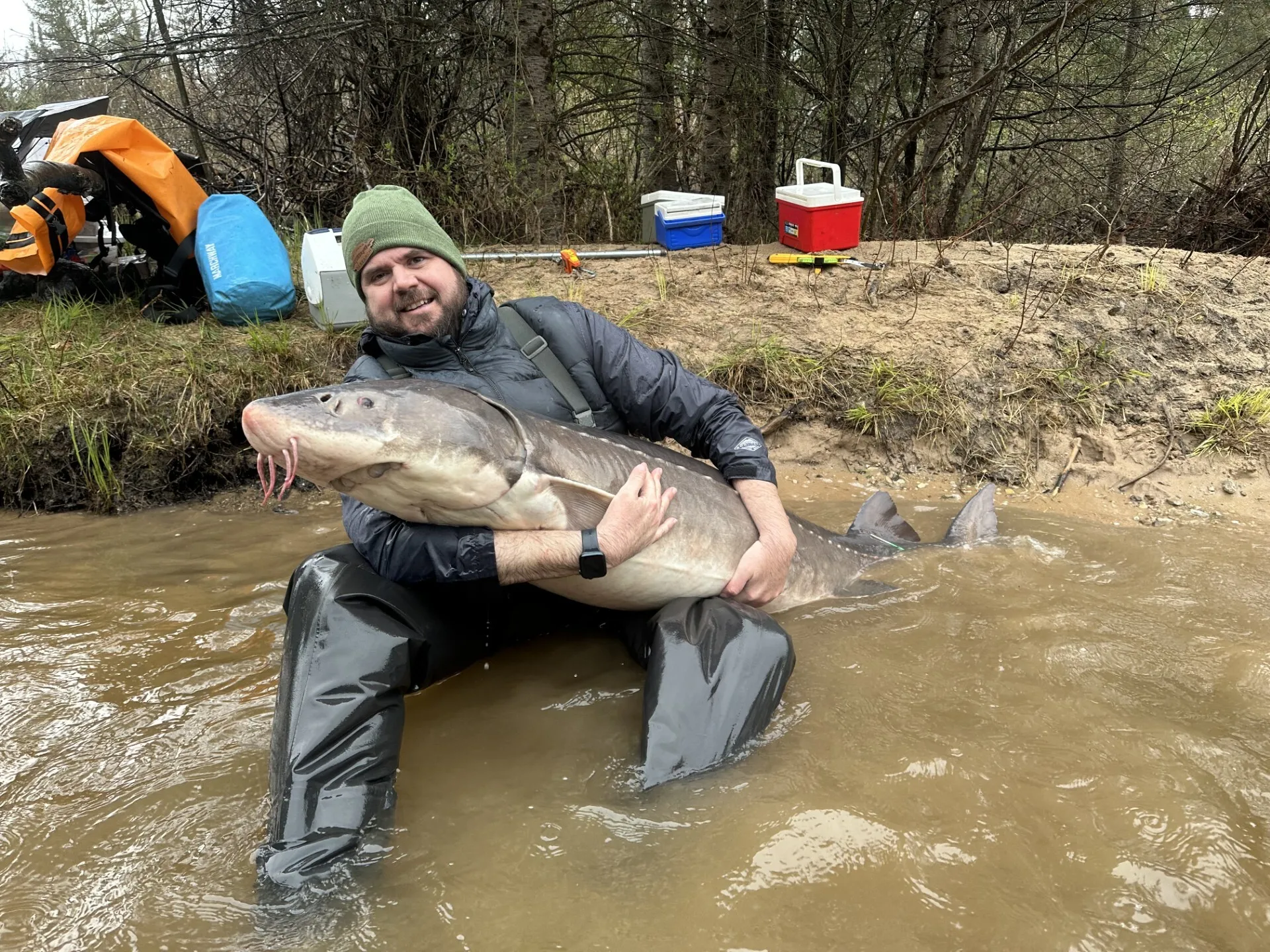
Think you’re getting old? New study says Michigan sturgeon may live to 400

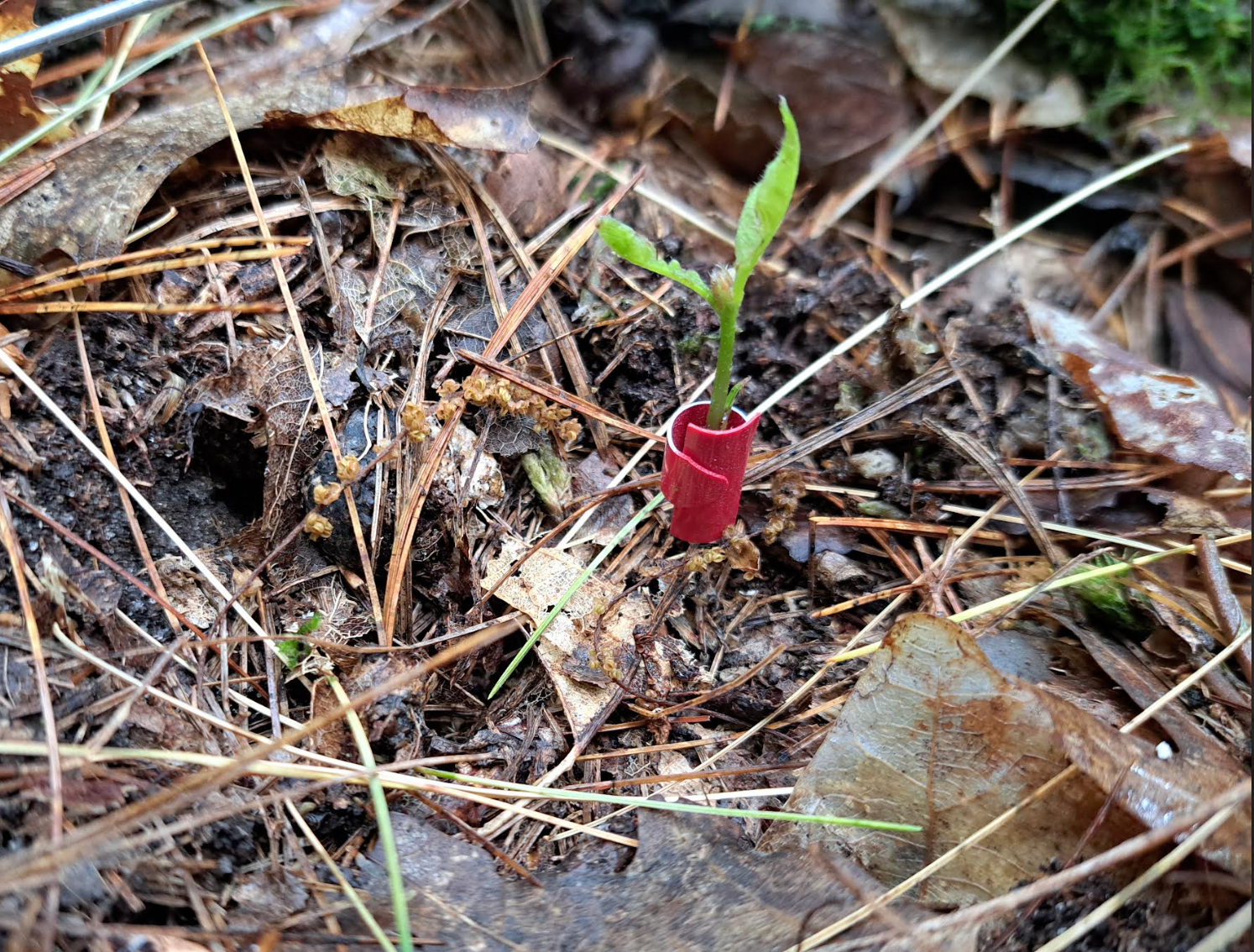
Seedling data shows Michigan forests under pressure from climate change, deer, disease

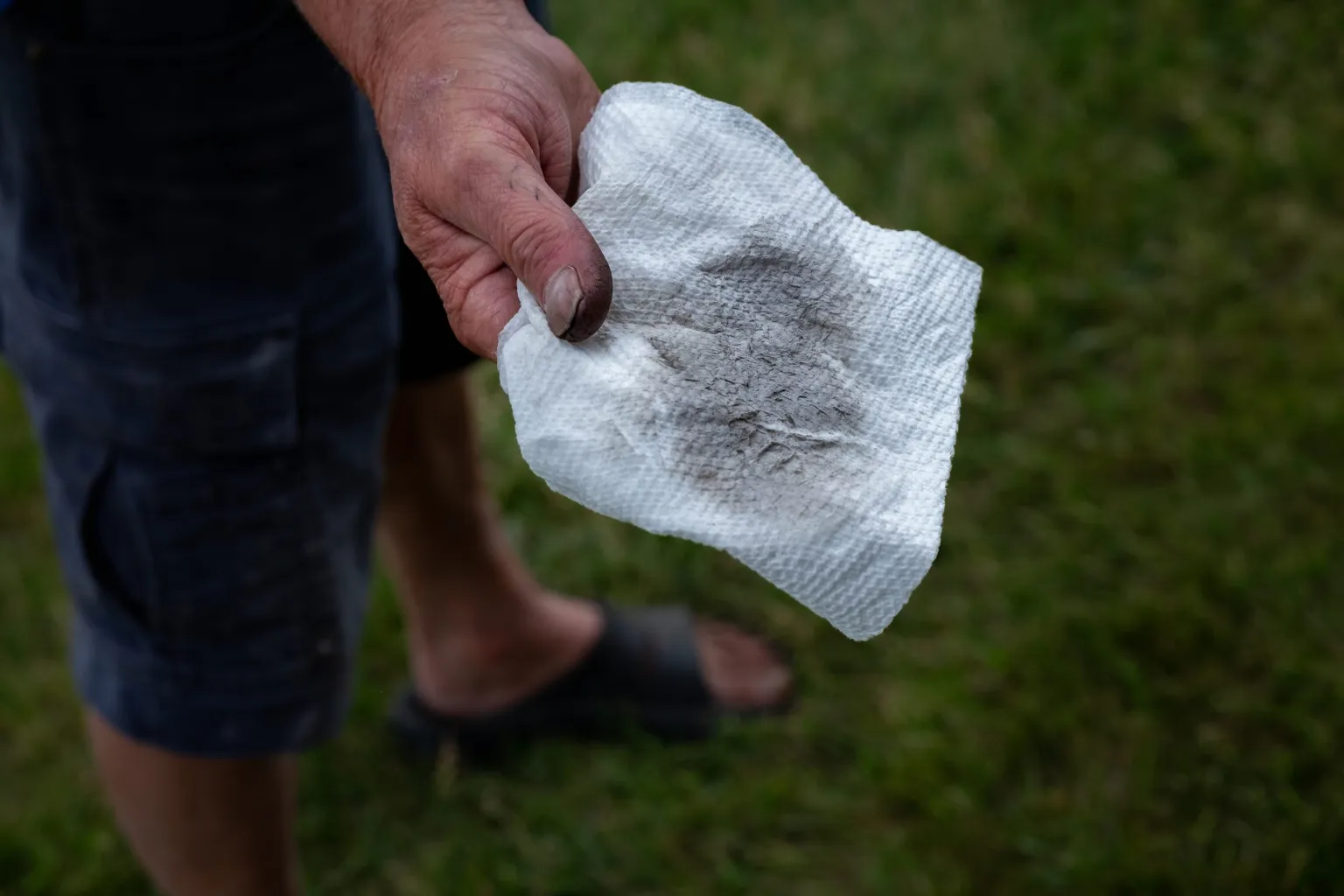
The AI Boom Is Prolonging Indiana’s Fossil Fuel Era, With Hidden Costs for Water


North Bay’s PFAS problem: 5 things to know about a ‘forever chemicals’ hotspot in Ontario

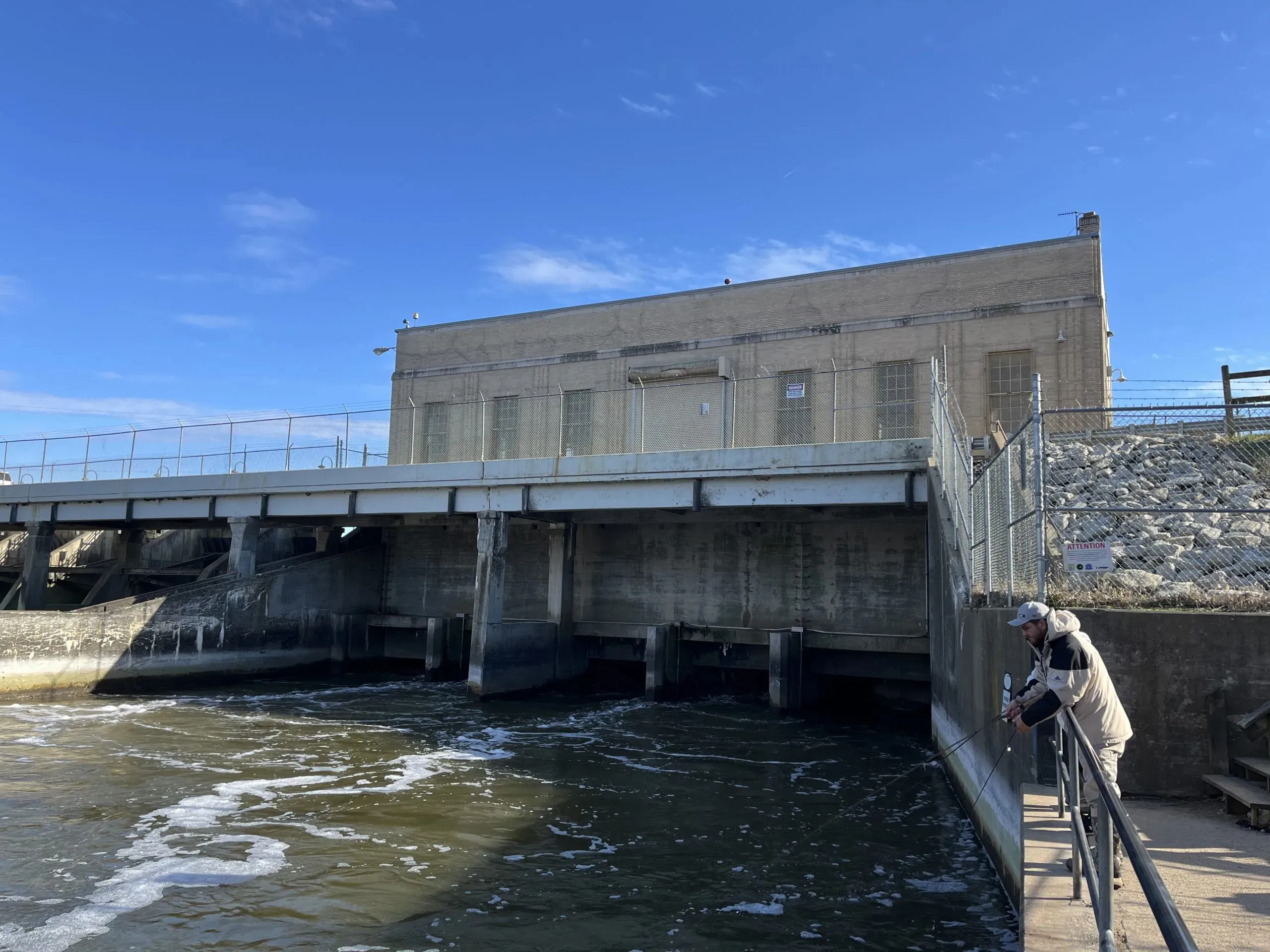
Judge: Michigan should reject Consumers’ ‘highly problematic’ dam sale
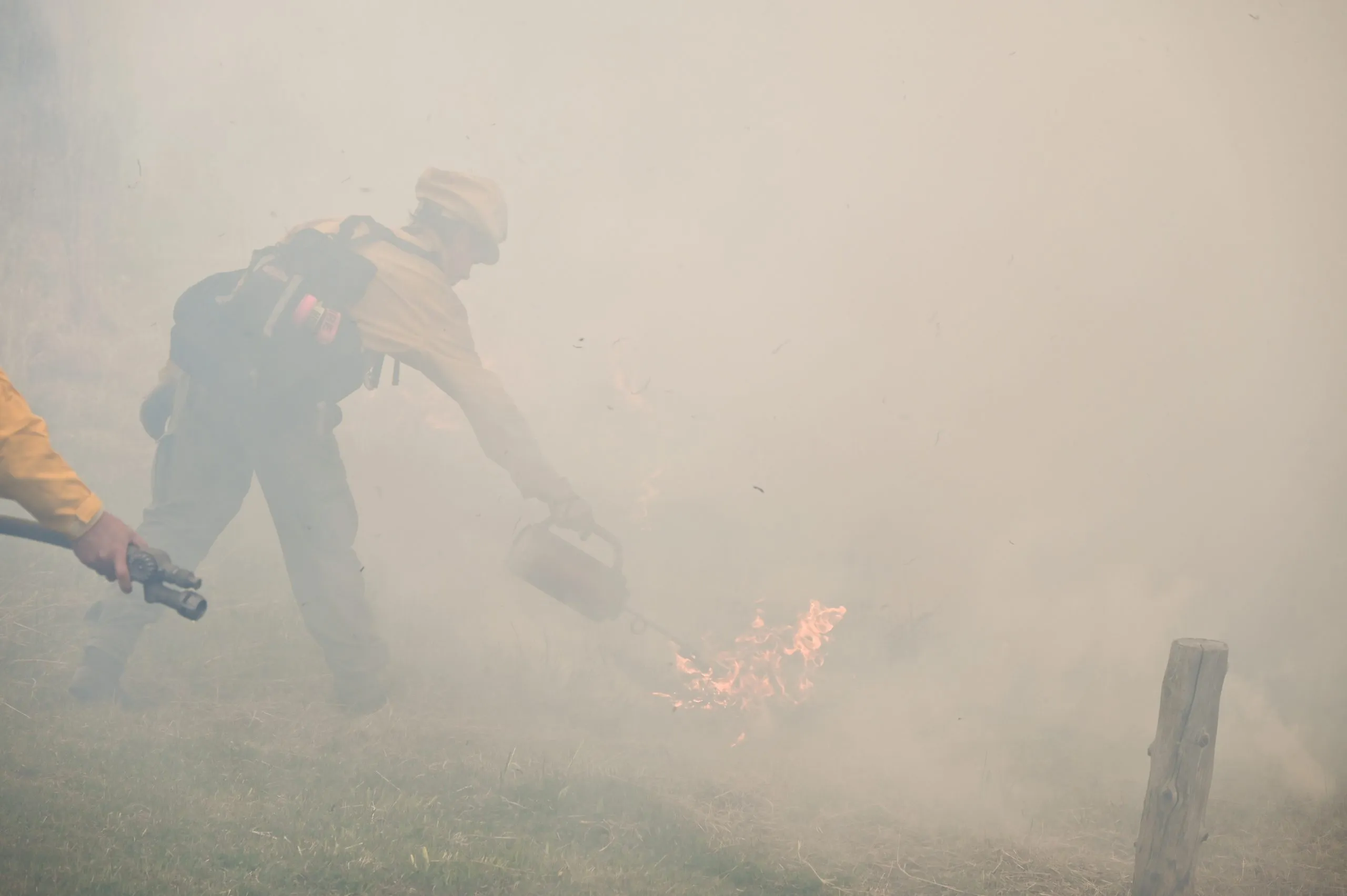
Setting Fires On Purpose to Cut Risk of Catastrophic Wildfires
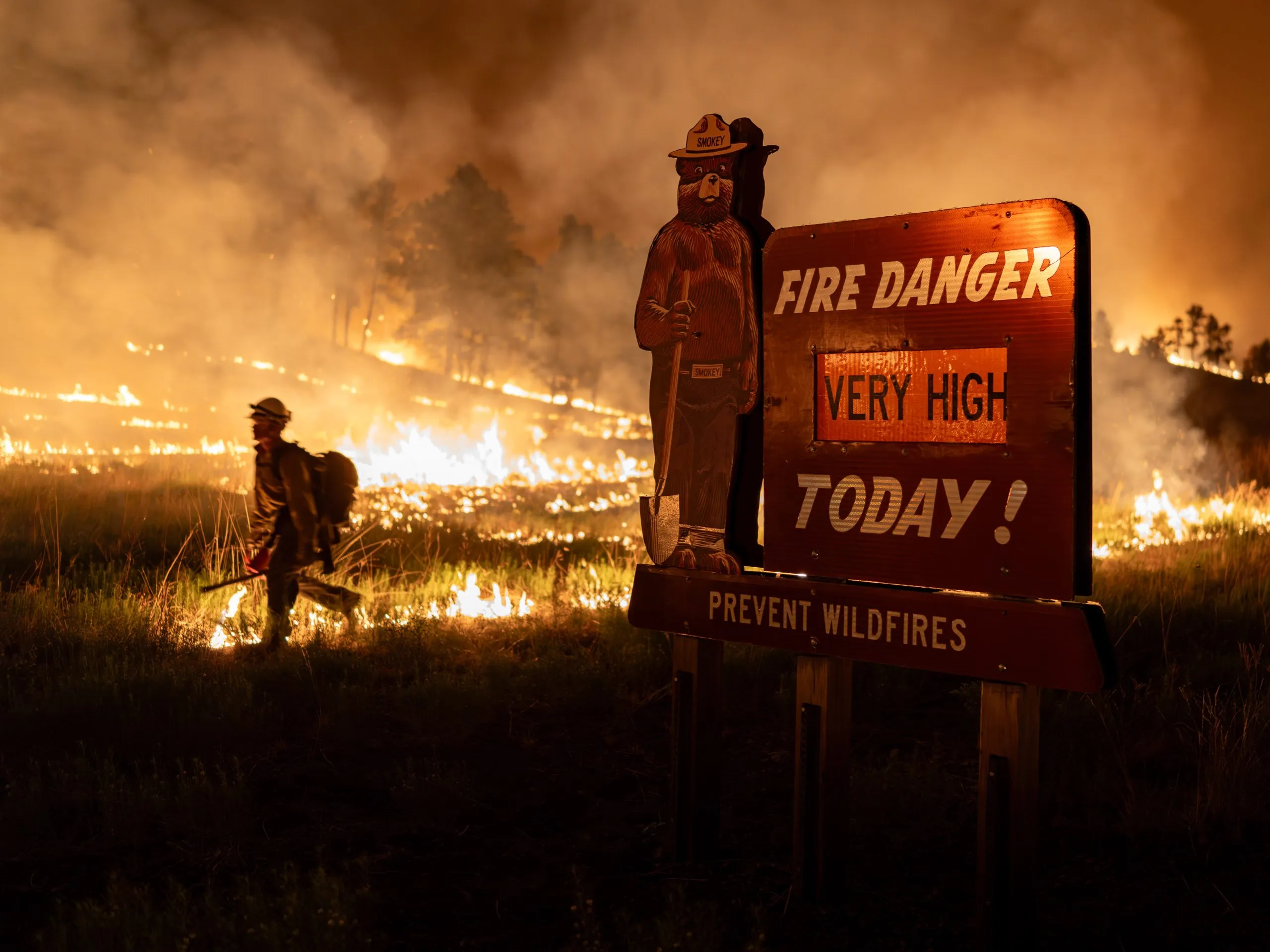
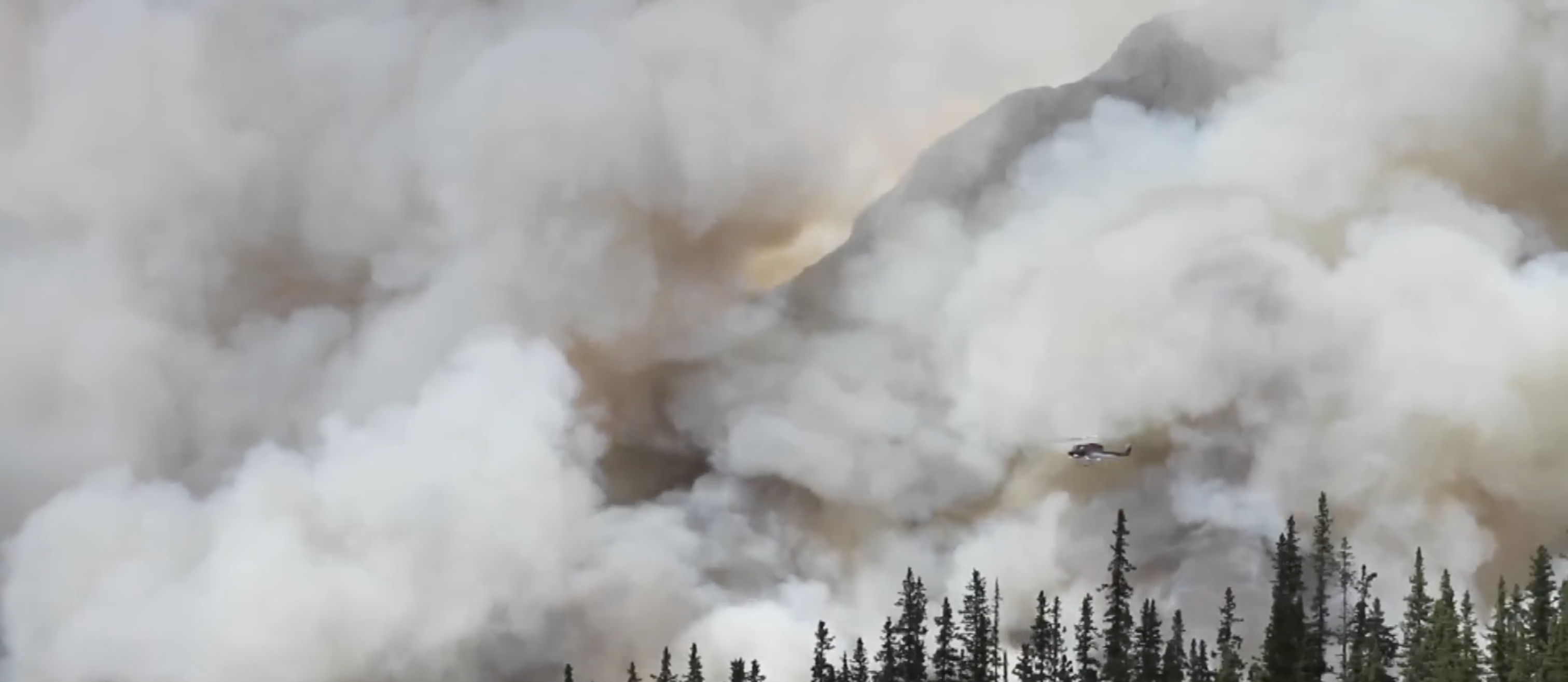
When Forests Burn, Lakes Suffer
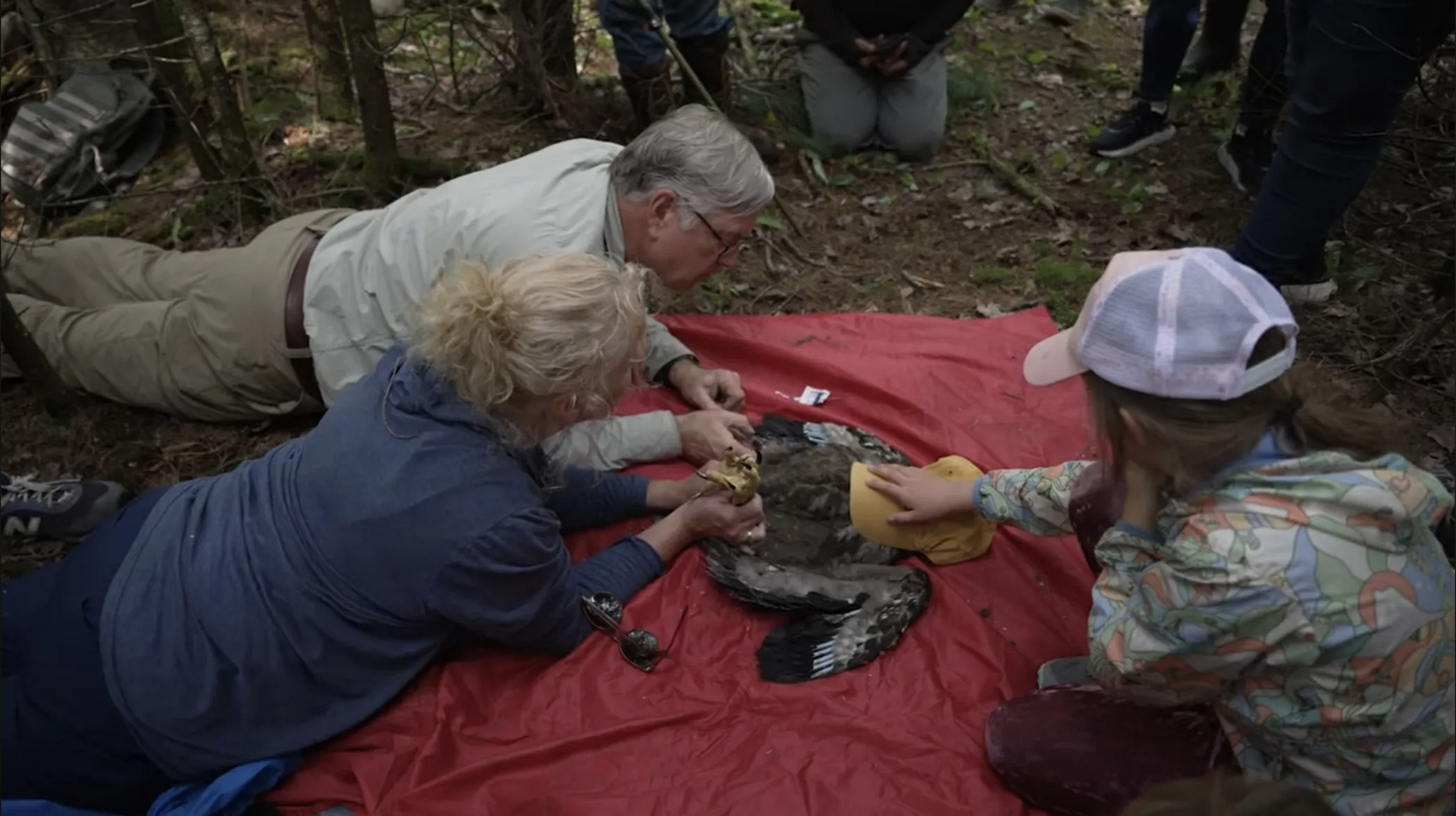
Michigan bald eagle success story faces new threats
More News
Formal Repeal of Roadless Rule Directly Threatens Midwest Wilderness
Federal agencies say opening these lands will reduce wildfire risks and make timber more accessible. Experts, however, say the government is contradicting itself.
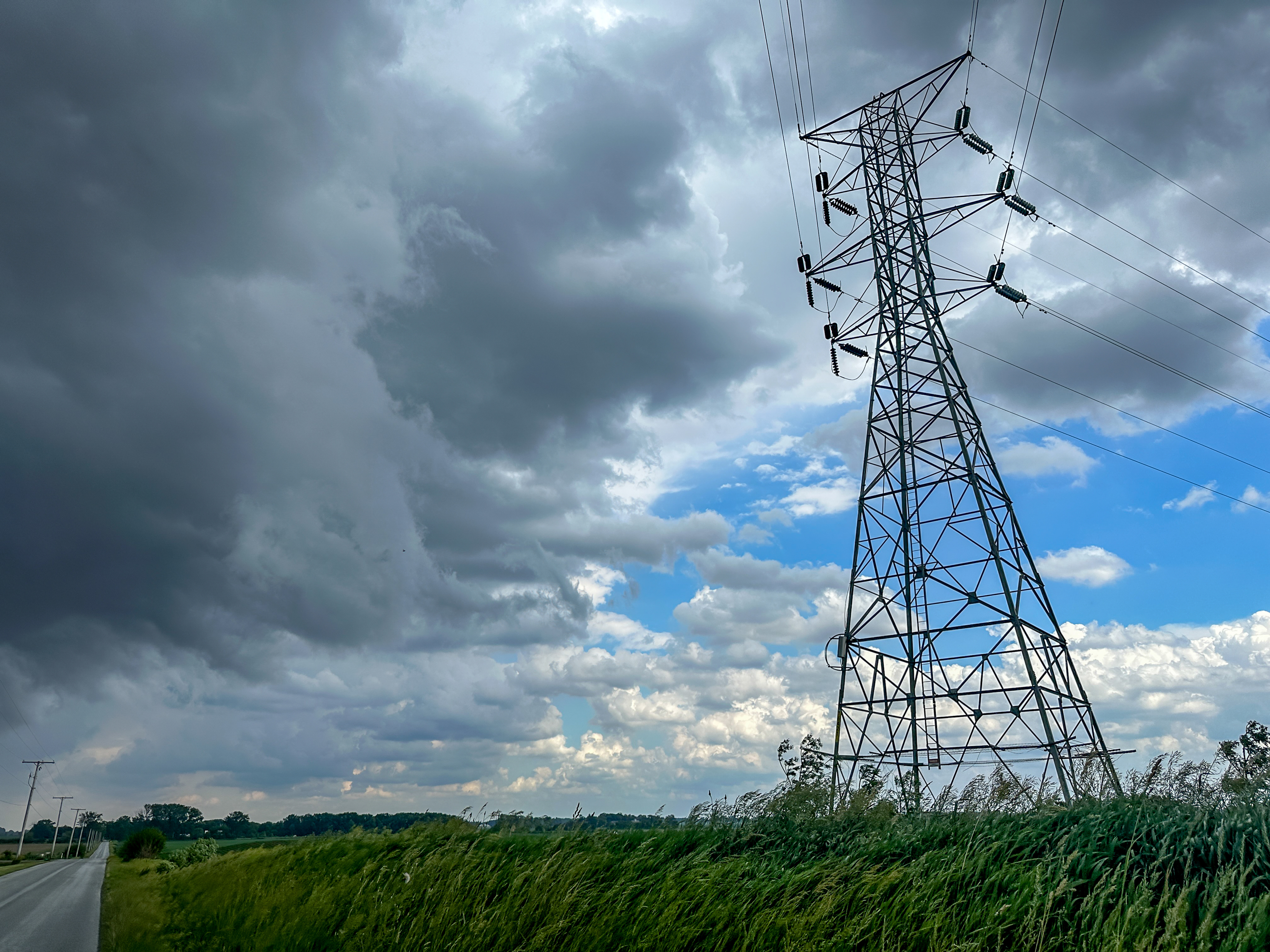
Gary power outage underscores stakes of Solar for All cancellation
Some city residents went two weeks without power following storms. The federal program, ended by Trump, would have enabled many to access solar and batteries.
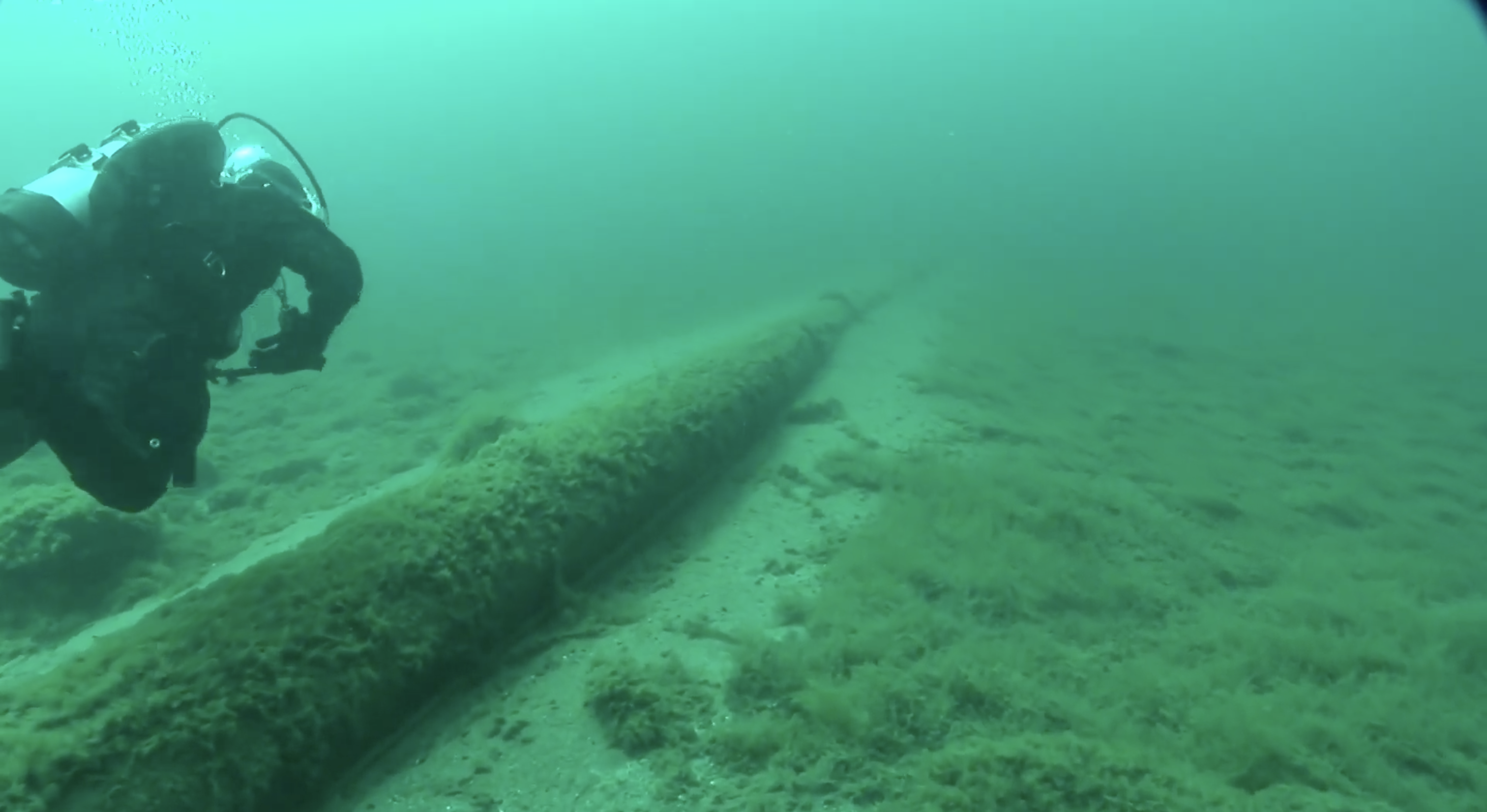
Enbridge temporarily halts work on Line 5 reroute after 1.3M gallon gas leak
Canadian energy firm has begun work to burn off around 84K gallons of remaining natural gas liquids.
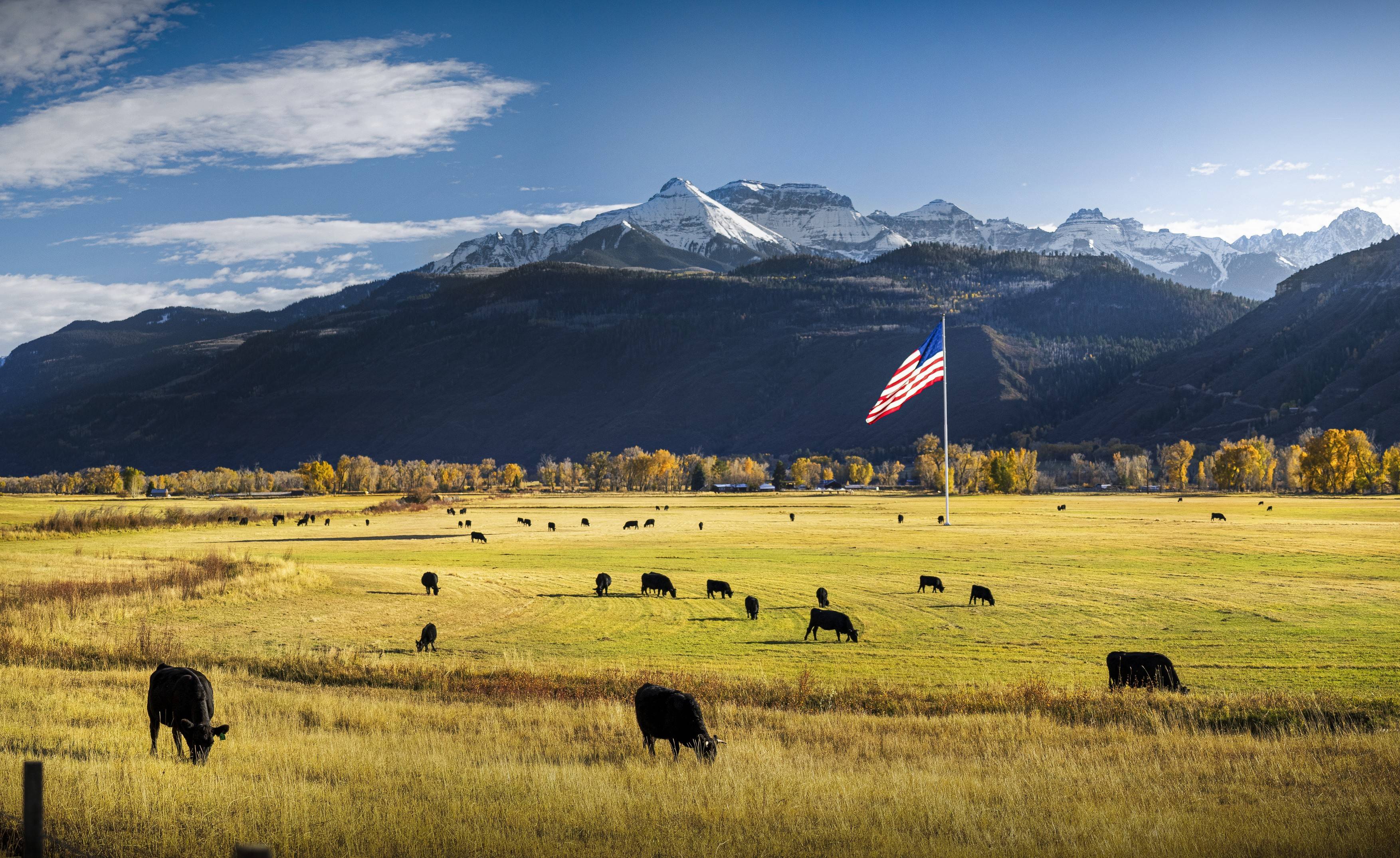
Why the US‑Canada trade war could change how American farmers grow their crops for years
Canada is a major US supplier of fertilizer ingredients that could get pulled into Trump’s trade war. Farms can go without fertilizer for a while, but not long.
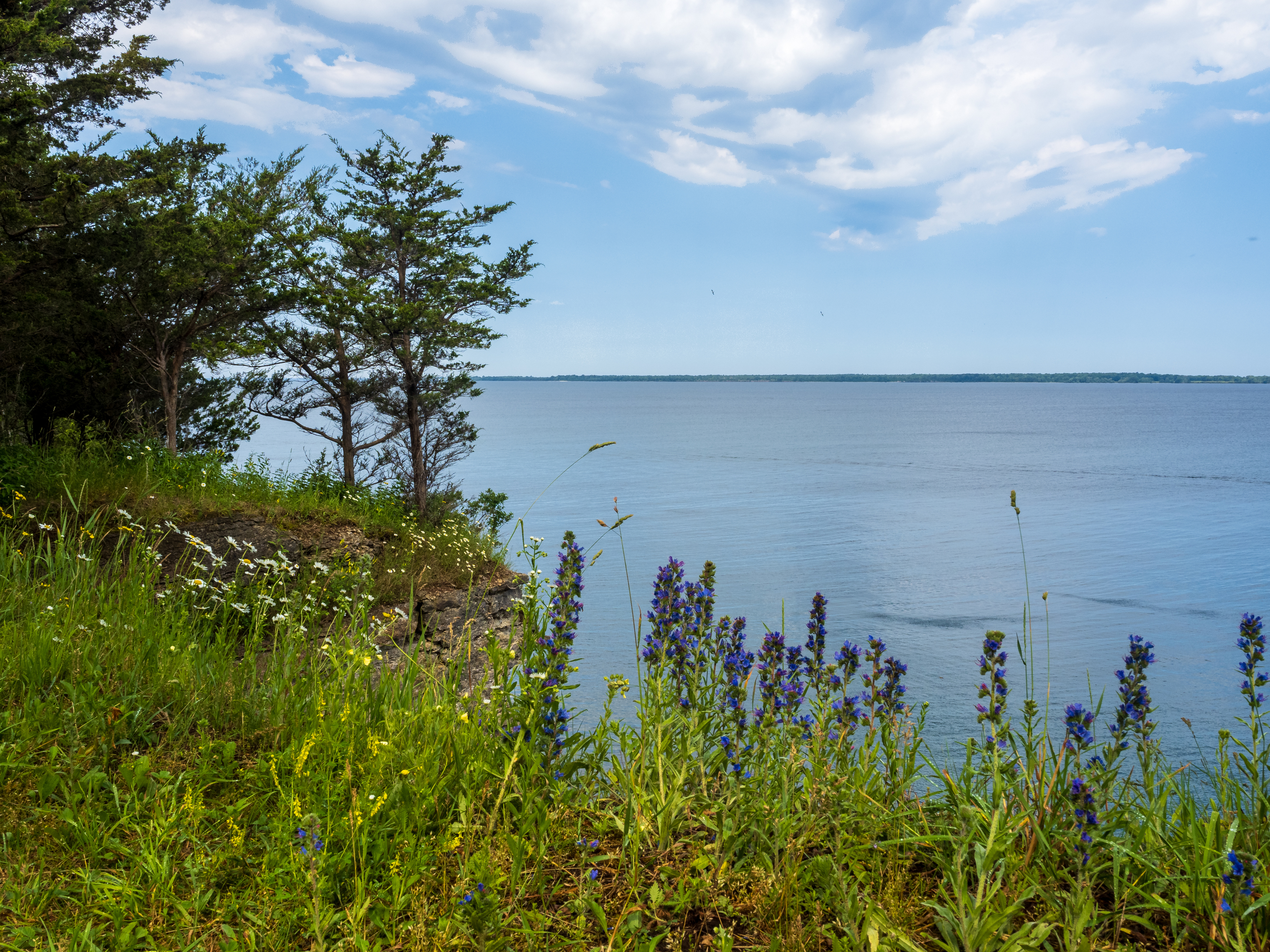
Will the U.S. really rename Lake Ontario ‘Lake America?’
After failed trade negotiations, U.S. Pres. Trump threatened to rename one of the Great Lakes. On Thursday, he signed an executive order.
Milwaukee Water Works reduces fluoride in drinking water by half due to shortage
Utilities nationwide have seen supply challenges due to domestic constraints and the ongoing Iran War.
Richard C. Devereaux Foundation for Energy & Environmental Programs
Polk Family Fund