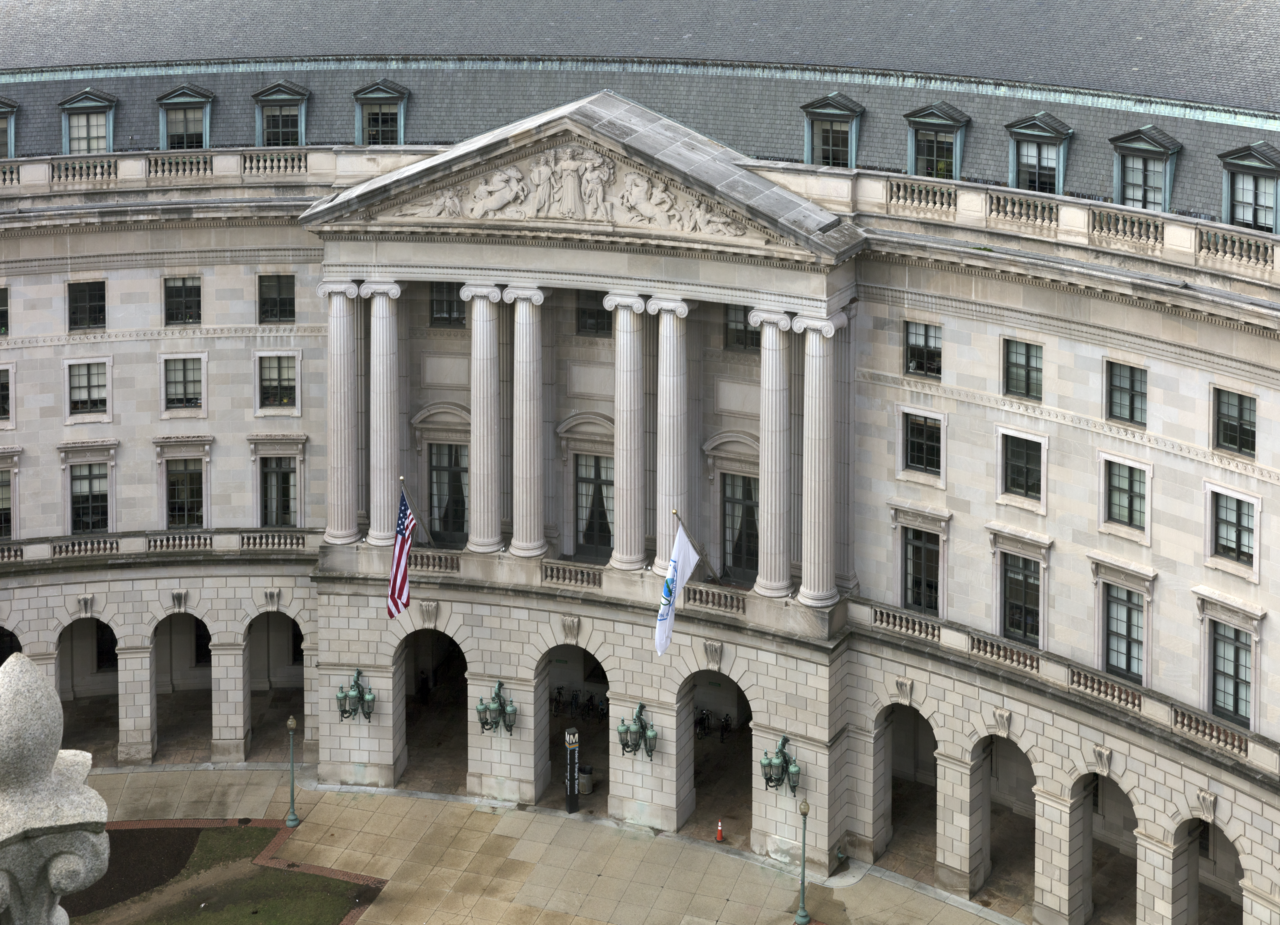

While the spotlight on the Great Lakes was focused on the Enbridge Line 5 pipeline and other Michigan legislation, the Trump administration was taking action with Great Lakes implications.
Posted inAbout Great Lakes Now, Asian Carp, Budget, Detroit River, Drinking Water, Enbridge Line 5 and Other Pipelines, Energy, Industry, Invasive Species, Michigan, News, PFAS, Policy, Politics, Protect, Region, Science, Technology & Research, U.S. and Canadian Federal Governments, Video, Water Quality, Who We Are and What We Do
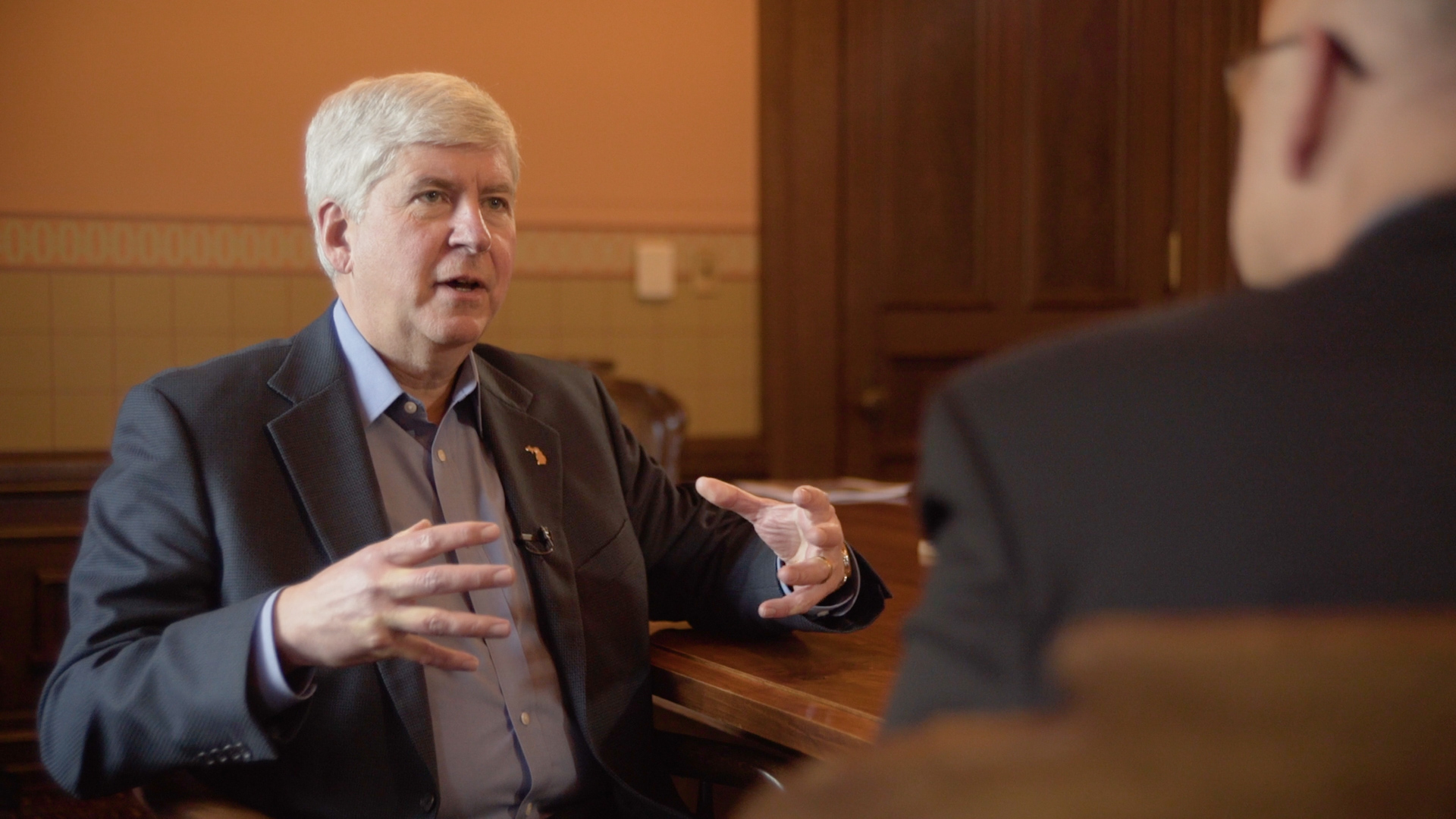
Snyder reflects on his Great Lakes record in one-on-one interview

In a private interview with Detroit Public Television’s Great Lakes Now, outgoing Michigan Gov. Rick Snyder said he is proud of his Great Lakes accomplishments during his eight-year tenure as governor.
Posted inAbout Great Lakes Now, Advocacy, Drinking Water, Equity and Environmental Justice, Industry, Lake Erie, Municipalities, News, Ohio, Policy, Politics, Region, Water Quality, Waterfront Development, Who We Are and What We Do
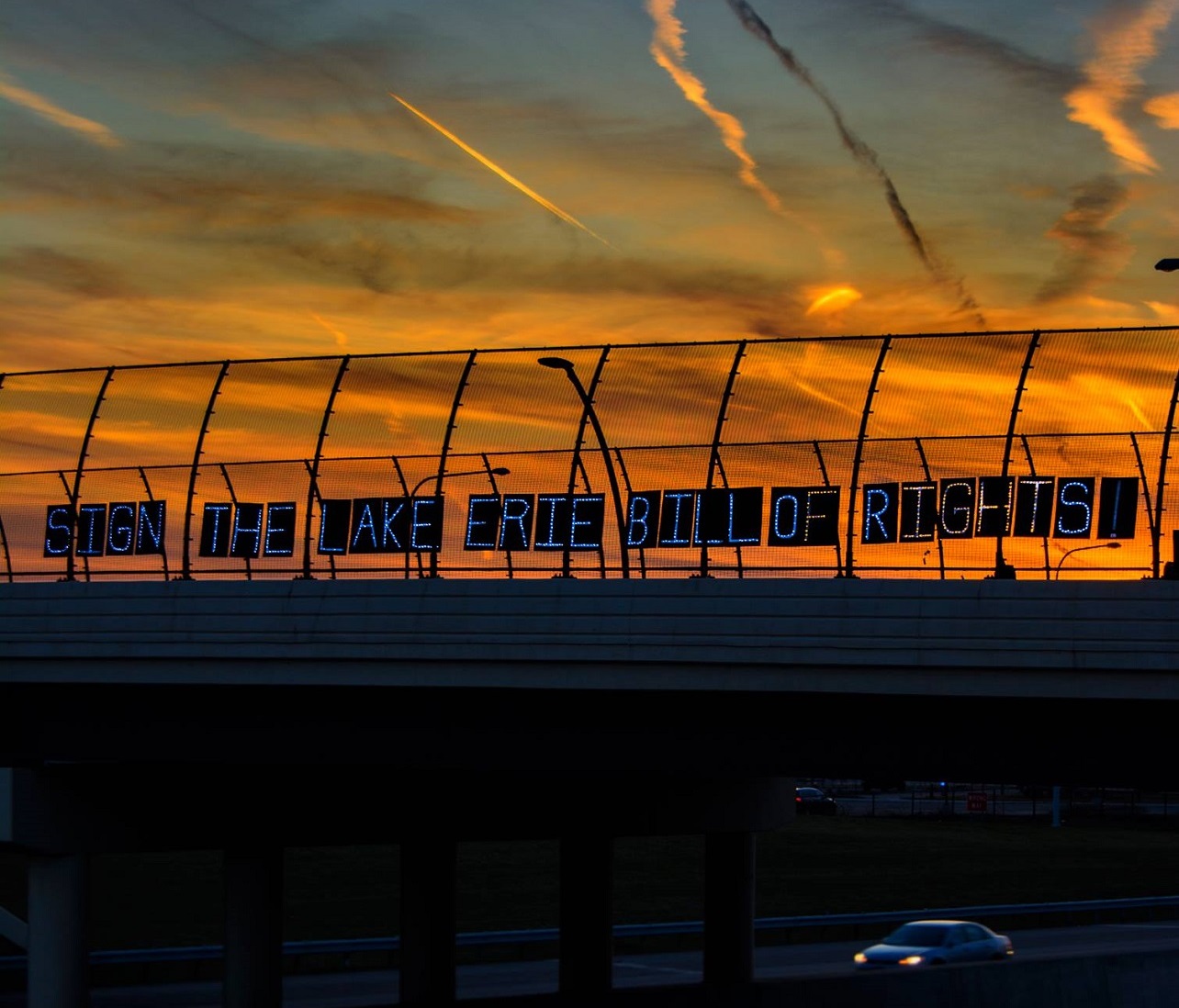
“Rights of Nature” initiative for Lake Erie stalls in Toledo

An effort by residents of a Midwest city to bestow Lake Erie, its tributaries and all its watersheds some of the same rights as American citizens has faltered for a third time. If approved, organizers say it would be the first use of Rights of Nature to protect a specific ecosystem…

Posted inAbout Great Lakes Now, News, Protect, Recreation and Tourism, Who We Are and What We Do
A Great Lakes Moment from John Hartig

The Buffalo River was viewed as a working river that supported industry and commerce, and water pollution then was viewed as just part of the cost of doing business. At that time, people cared most about jobs and providing for their families, with little concern for the environment and its pollution.
There is, perhaps, no more poignant example of this societal indifference to water pollution than when the Buffalo River caught on fire 50 years ago
Posted inAbout Great Lakes Now, News, Video, Who We Are and What We Do
Great Lakes Now specials selected for international film festival

Three Great Lakes Now specials will be among the 60 films screened at the Thunder Bay International Film Festival in late January.
Posted inAbout Great Lakes Now, Culture, Lighthouses, Museums and Cultural Institutions, News, Recreation and Tourism, Tourism, Who We Are and What We Do
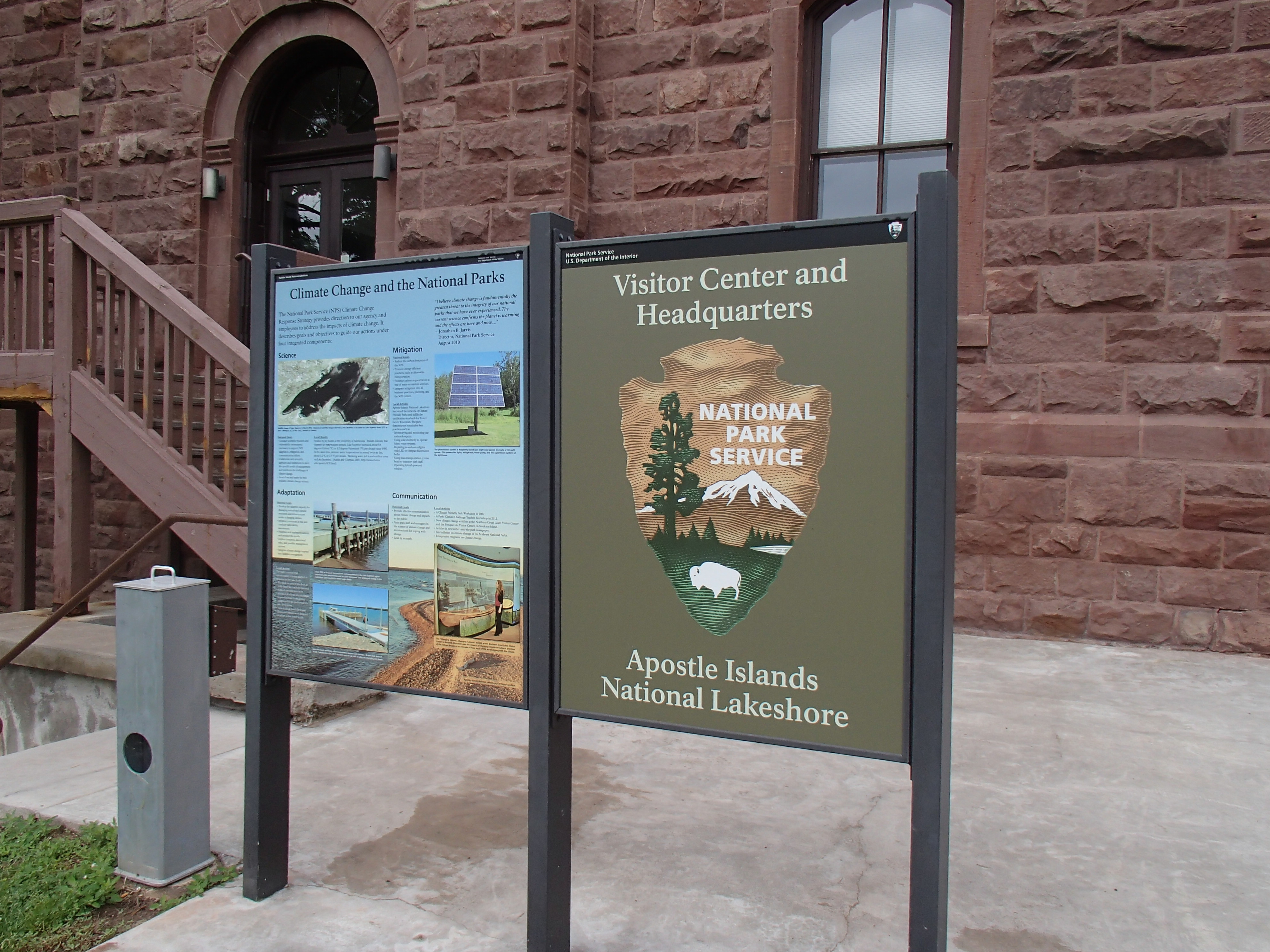
Increased National Park visitation in Great Lakes Region

You know those “Pure Michigan” ads? With the soft guitar strumming overlaid by actor Tim Allen’s blue-collar voice? Some Michigan residents make fun of them and say they’re cheesy. But it turns out they might be doing their job of drawing more people to enjoy Michigan as well as other Great Lakes States.
Posted inAbout Great Lakes Now, Algae Blooms, Lake Erie, News, Water Quality, Who We Are and What We Do
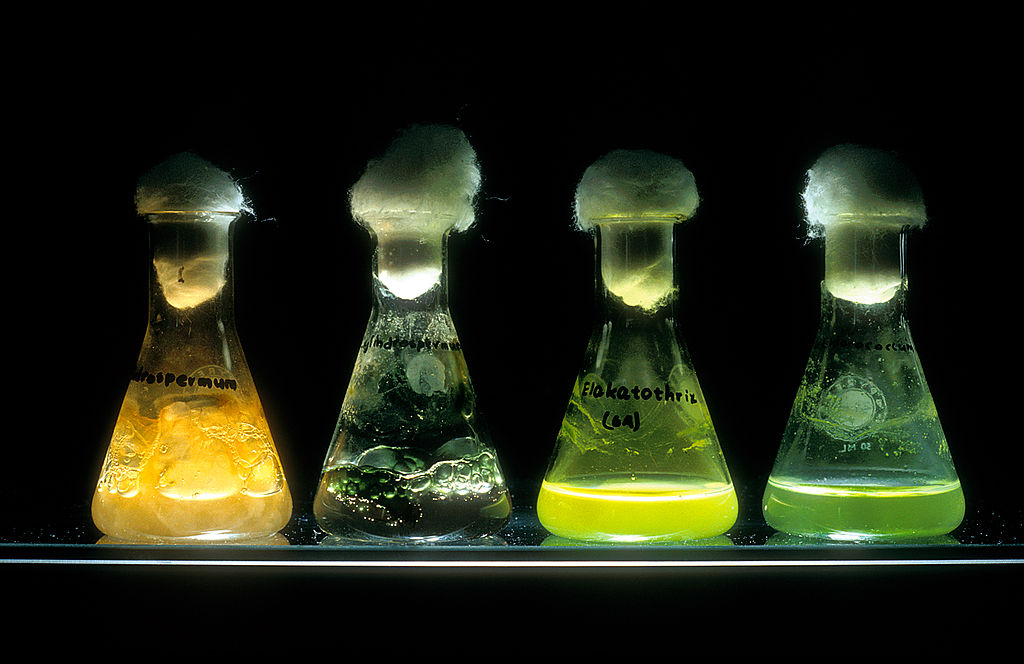
Lingering live algae cells on Lake Erie floor jumpstart harmful algal blooms
Legacy cyanobacteria cells (also called bluegreen algae), which can produce the strain of microcystis responsible for microcystin toxins during late-summer as well as harmful algal blooms (HABS) in autumn on Lake Erie, may be helping jump-start the blooms or otherwise contribute to rapid development of blooms, without respect to current rain events or nutrient run-off from agricultural fields, according to a recently released study.
Posted inAbout Great Lakes Now, Drinking Water, News, Policy, Politics, Region, U.S. and Canadian Federal Governments, Water Quality, Who We Are and What We Do, Wisconsin
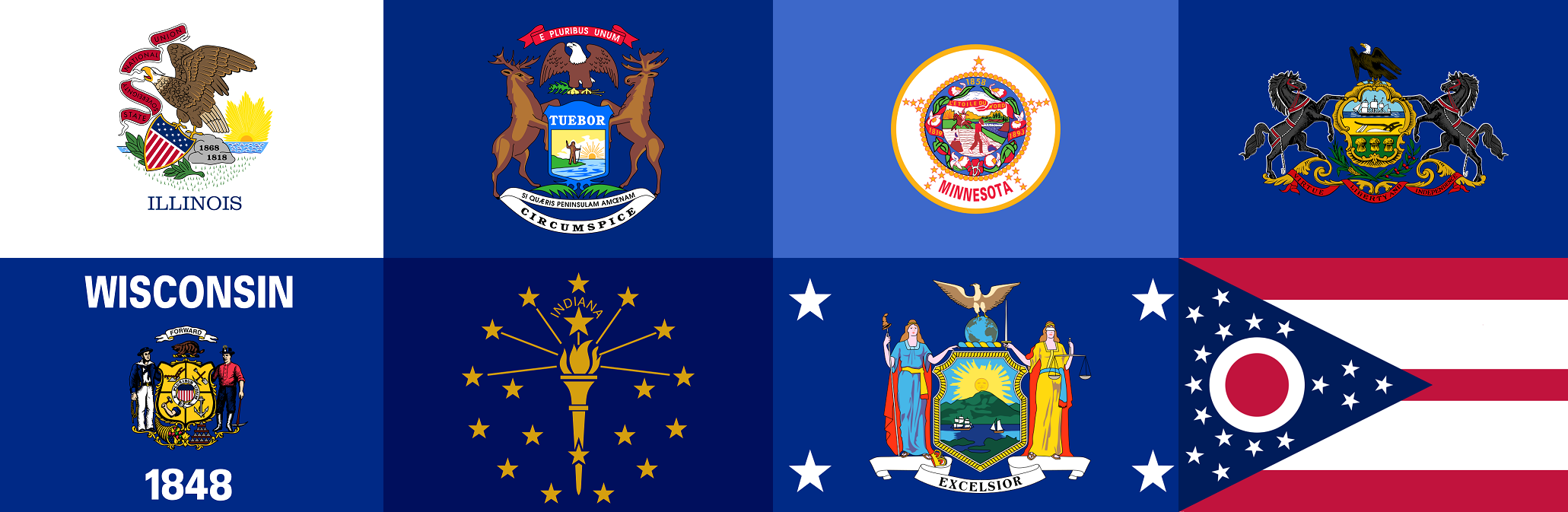
Great Lakes mayors and First Nation group at odds with governors on water diversions
Tension between Great Lakes governors, Canadian premiers and a bi-national group of mayors escalated last week when representatives of the governors and premiers rejected a proposal from the mayors to modify a proposed process on how the region addresses water diversion requests.
Posted inAbout Great Lakes Now, Enbridge Line 5 and Other Pipelines, Industry, Lake Huron, Lake Michigan, Michigan, News, Politics, Region, The States, Who We Are and What We Do
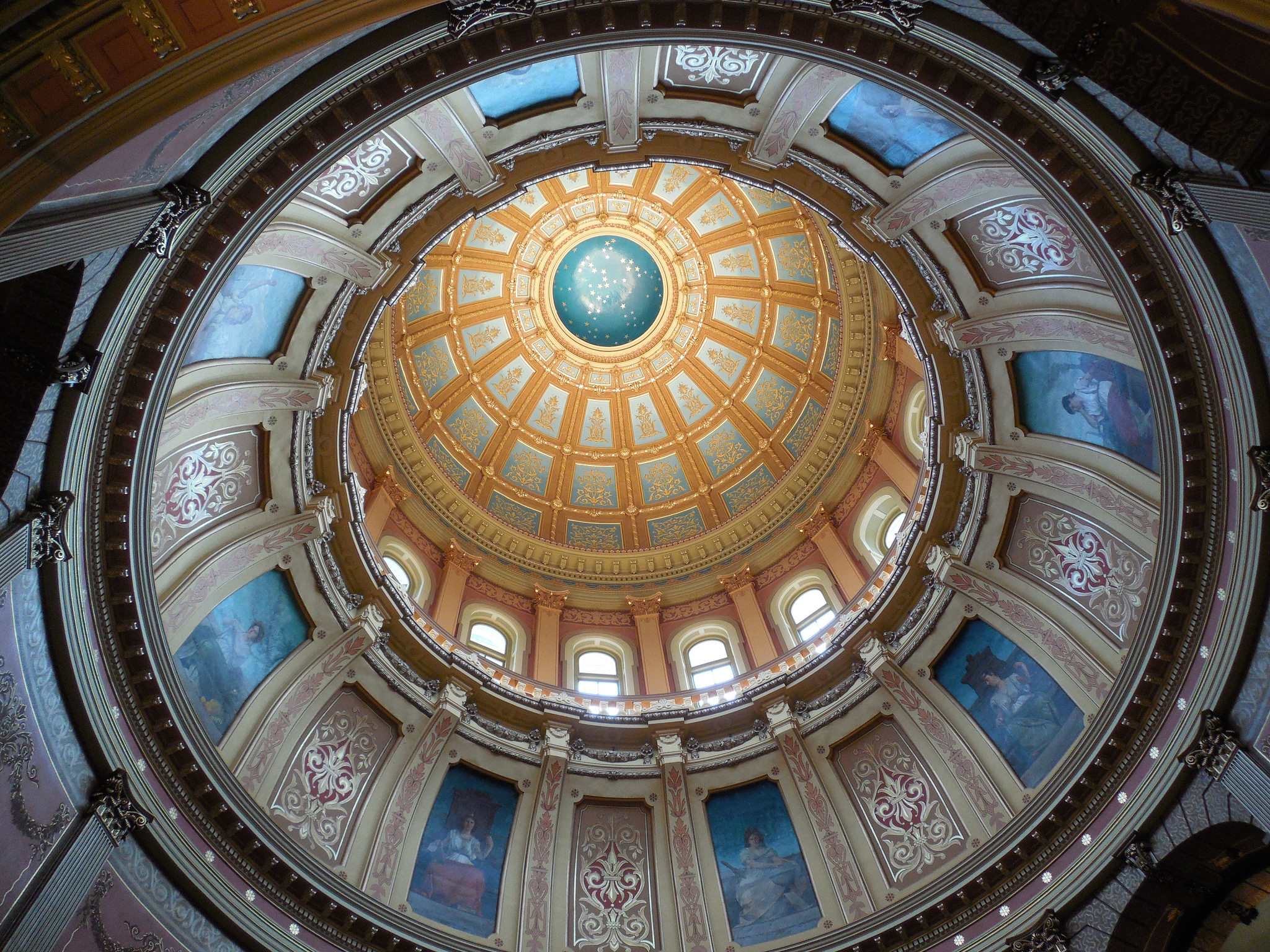
Michigan Senate passes bills with major impact on the Great Lakes
GOP leaders and Michigan Gov. Rick Snyder are trying to finalize the Line 5 Tunnel agreement before Gov.-elect Gretchen Whitmer, takes office in January.
Posted inEnbridge Line 5 and Other Pipelines, Energy, Industry, Latest News, Michigan, News, Policy, Politics, Protect, Region, Shipping and Ports
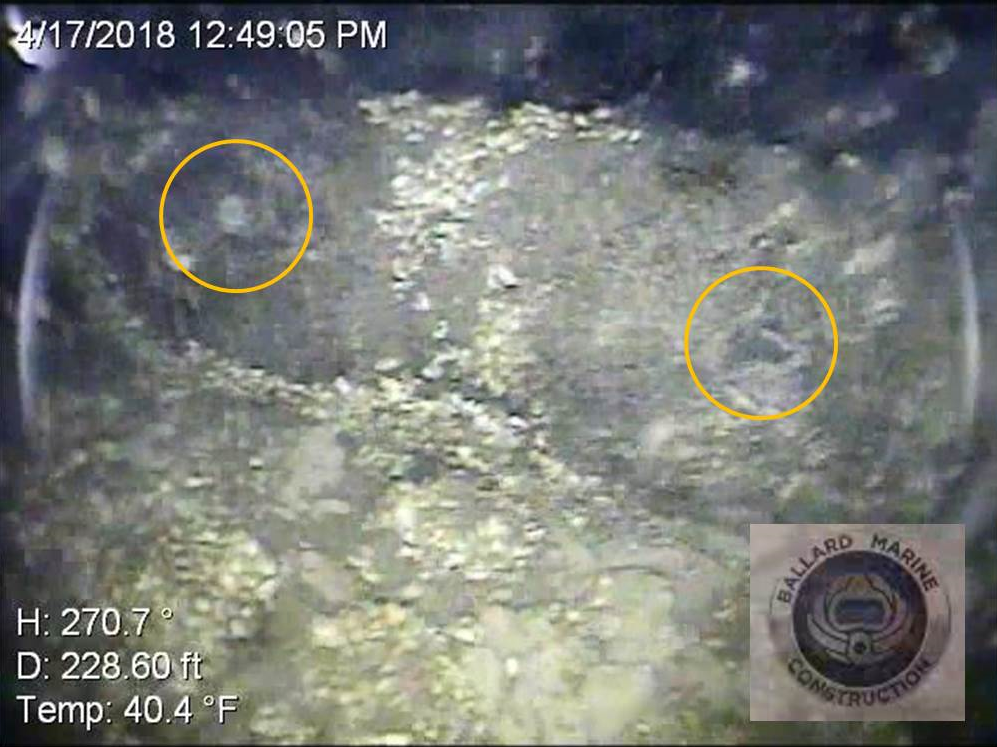
From MLive: DEQ approves 48 new anchor supports on Line 5
By Michael Kransz mkransz@mlive.com LANSING, MI — State regulators are allowing 48 more anchor supports on the Line 5 oil and gas pipeline crossing the Straits of Mackinac. The Michigan Department […]