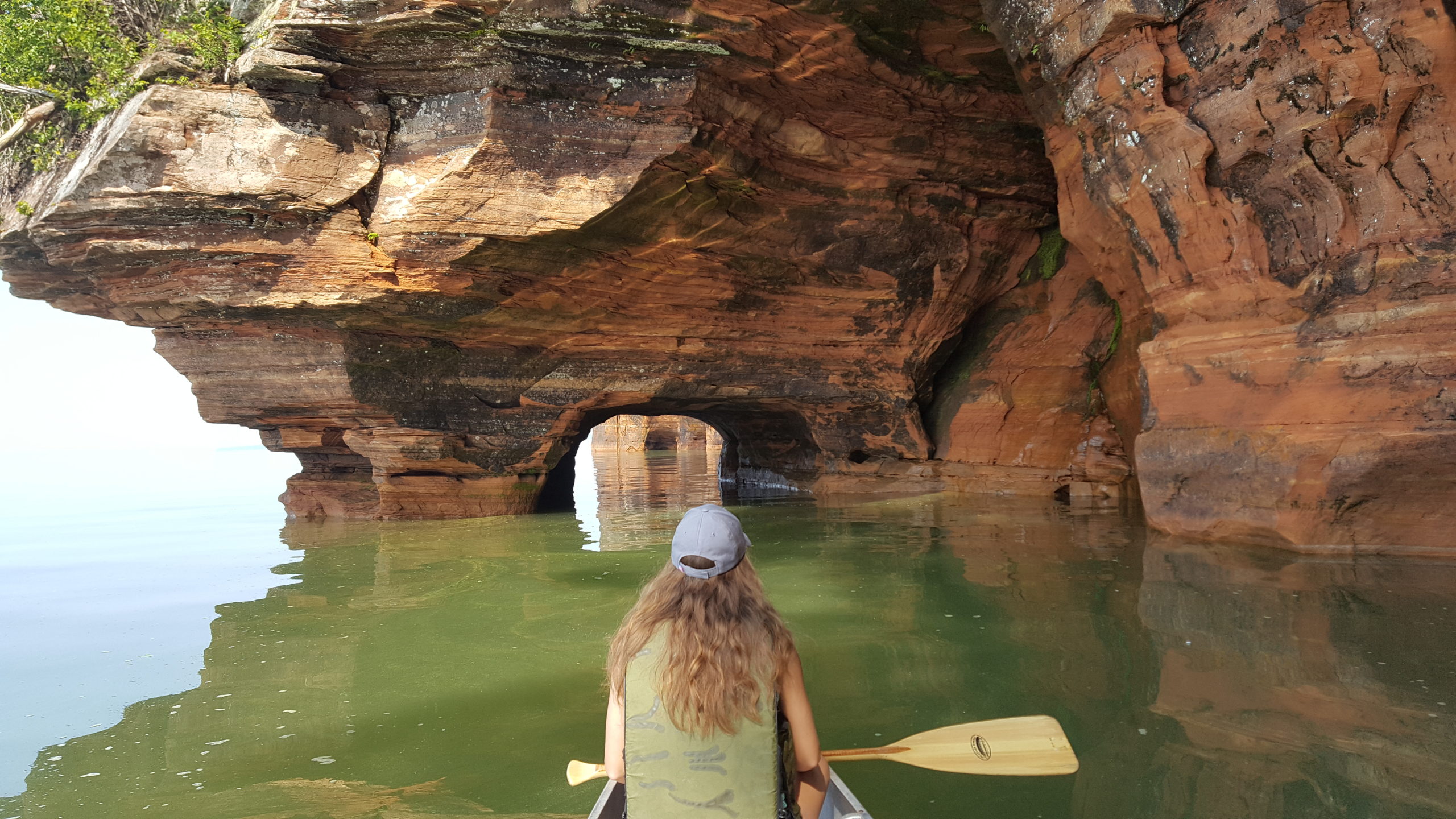
As the deepest and most northern of the Great Lakes, Superior was once thought immune to algal blooms, which is why it was such a shock when the first report of blue-green algae came in 2012.
Illinois woman swims across iconic Michigan lake twice
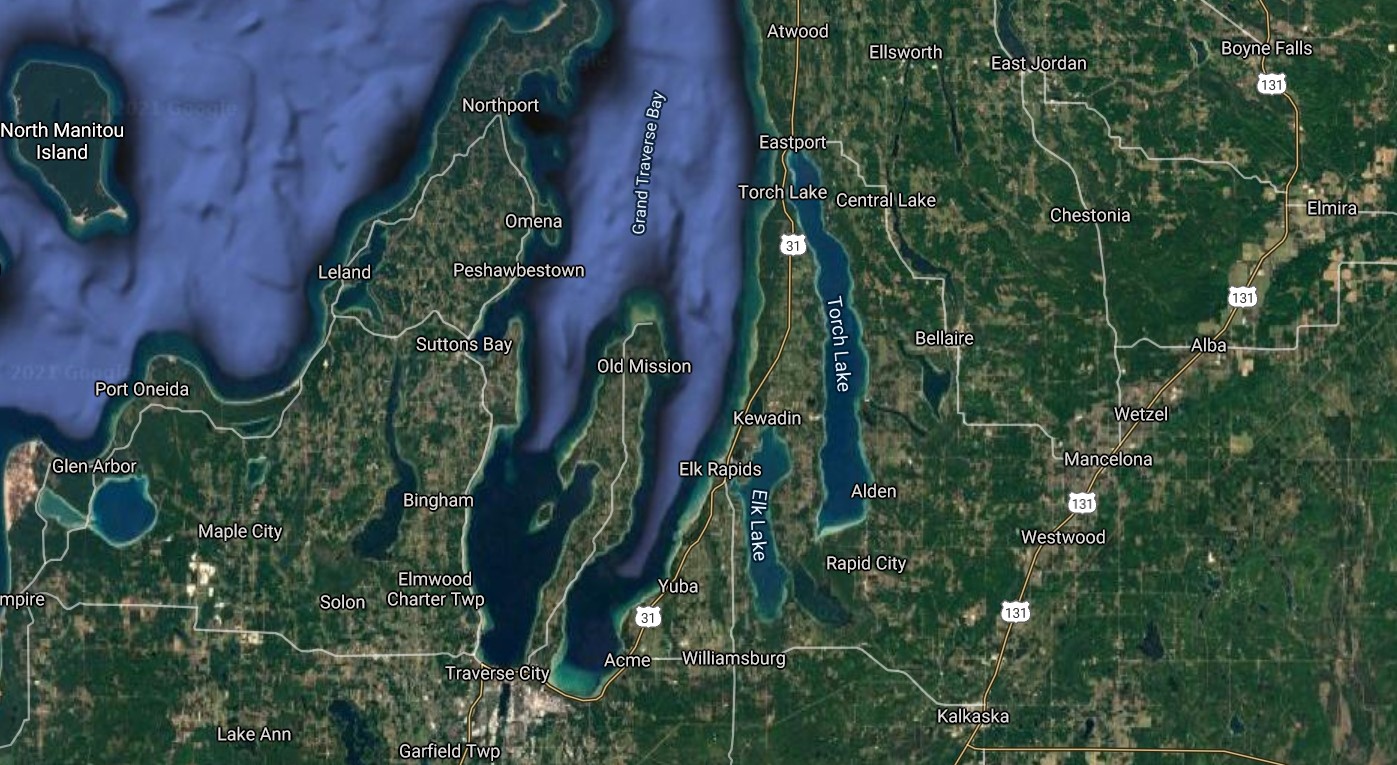
A medical student from Illinois swam across one of Michigan’s Torch Lake — twice — to raise money and awareness about diabetes.
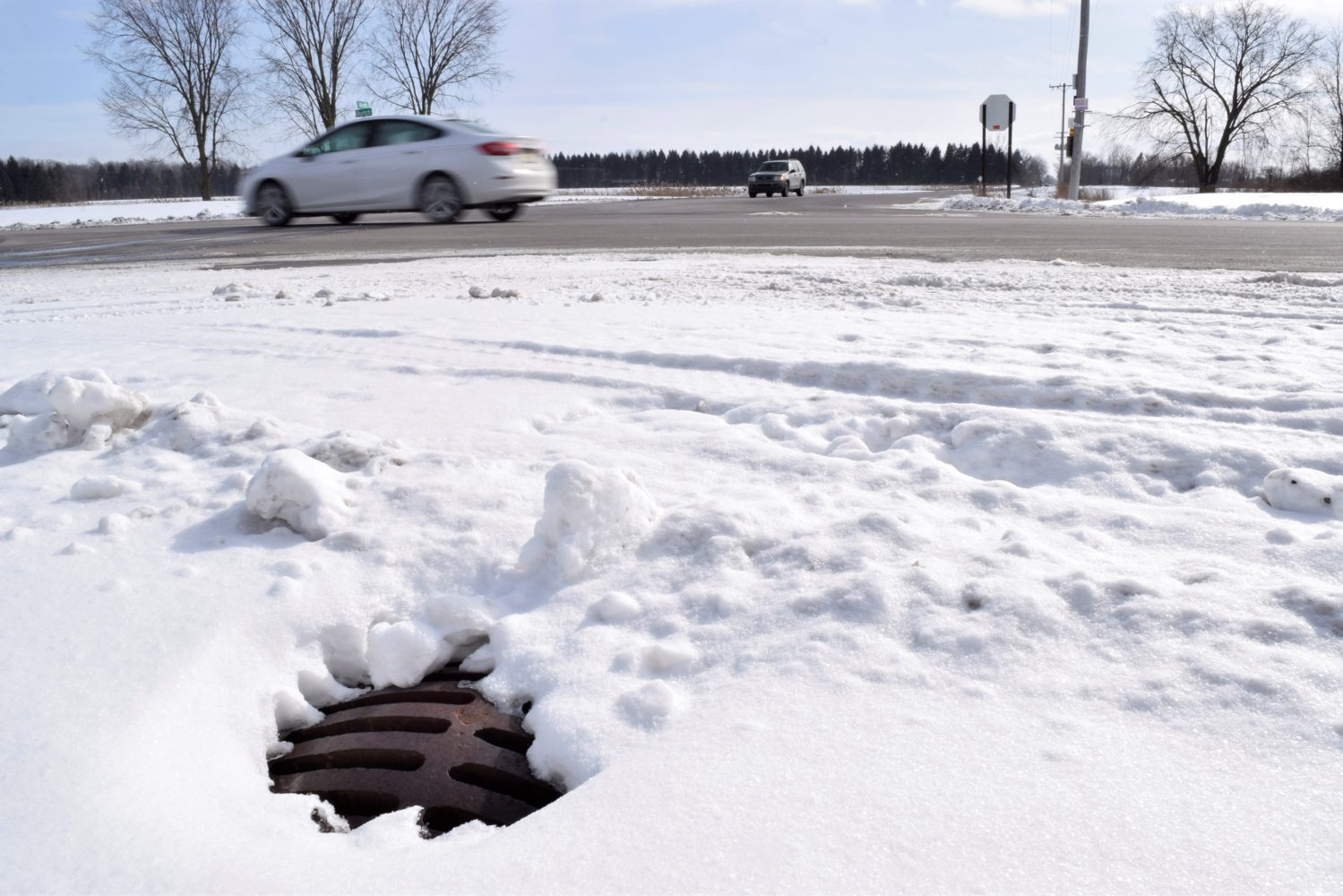
Program aims to capture storm drain debris headed to lake
If proven to be effective, an identical strategy to reduce pollution in the lake could be deployed at 11 other drains in Macomb County that empty into Lake St. Clair.
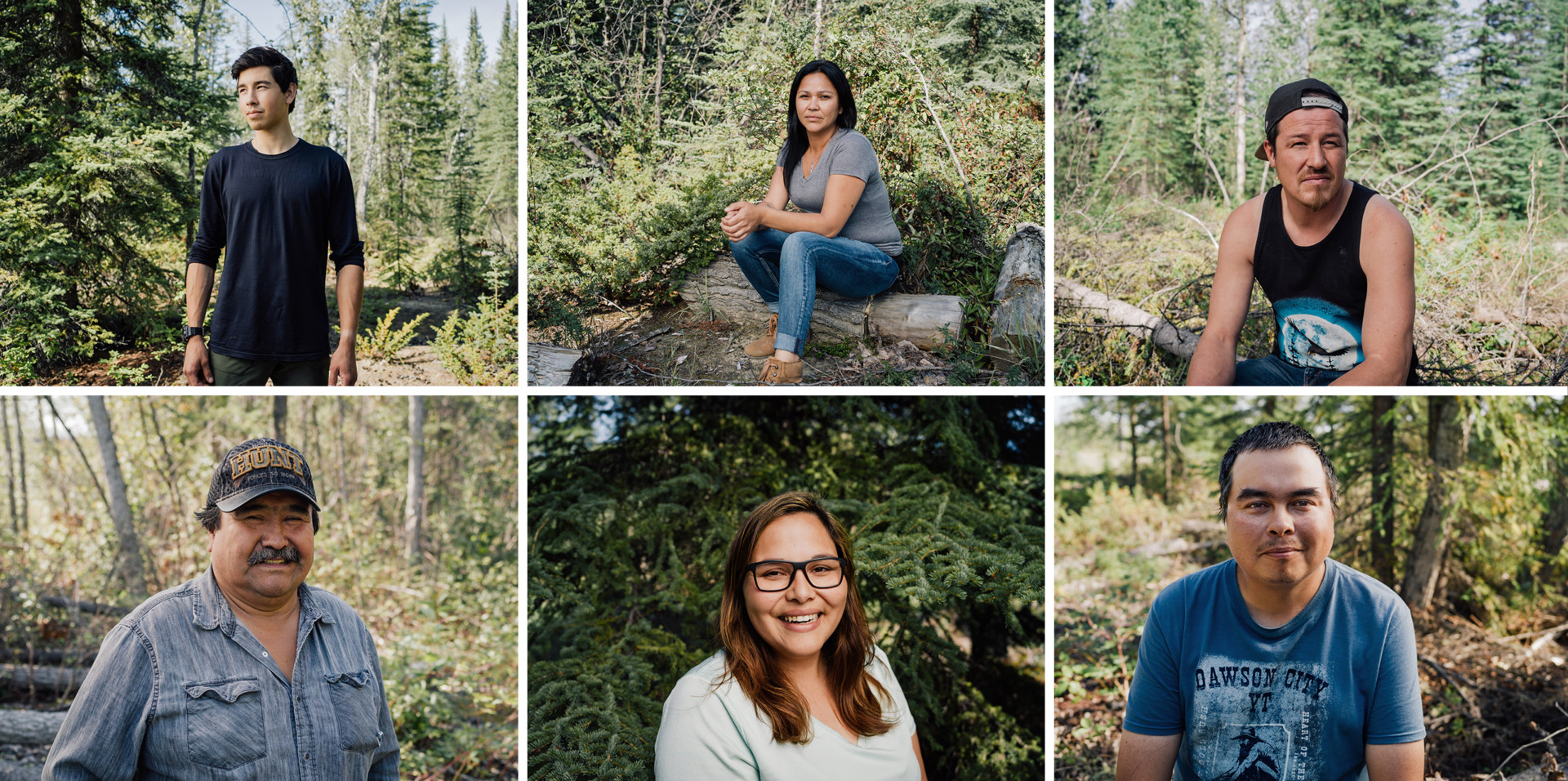
Canada commits $340 million to Indigenous protected areas, guardians programs
The Canadian federal government announced it will provide funding over the next five years to support Indigenous-led stewardship of lands and waters under its $2.3 billion commitment to nature conservation.
Climate impact of coal sales from US lands scrutinized
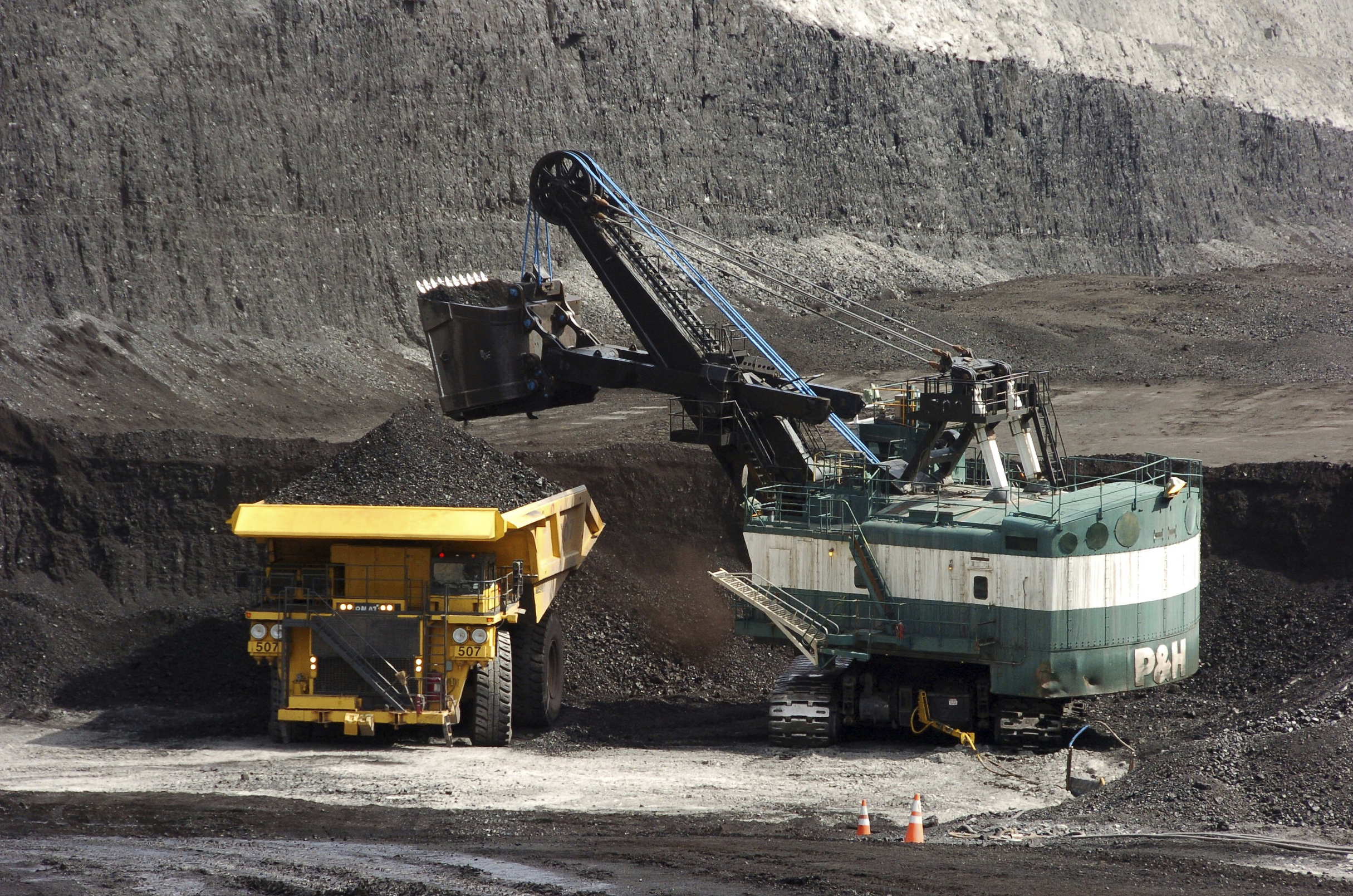
U.S. officials launched a review Thursday of climate damage caused by coal mining on public lands as the Biden administration expands its scrutiny of government fossil fuel sales that contribute to greenhouse gas emissions.
Minnesota issues plan to treat water marred by 3M chemicals
Minnesota pollution control and natural resources officials released a $700 million plan to improve the drinking water for 14 communities whose groundwater was contaminated due to chemical disposal by 3M.
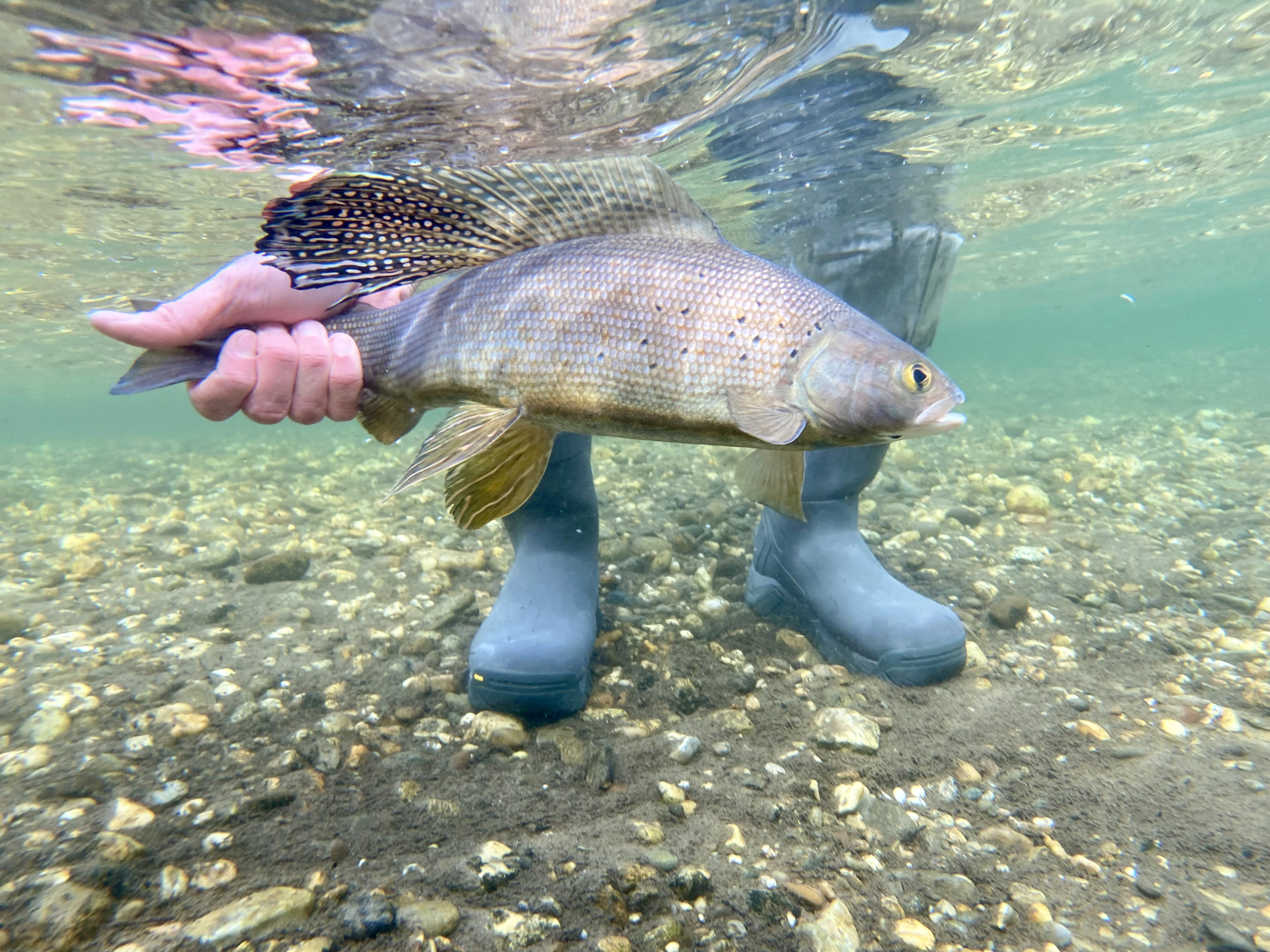
Grayling Revival: Researchers hope to reintroduce a once-abundant native fish
Michigan’s Arctic Grayling Initiative, a grassroots collaboration between the Michigan DNR, the Little River Band of Ottawa Indians and 45 regional partners, aims to restore populations of the little native fish.
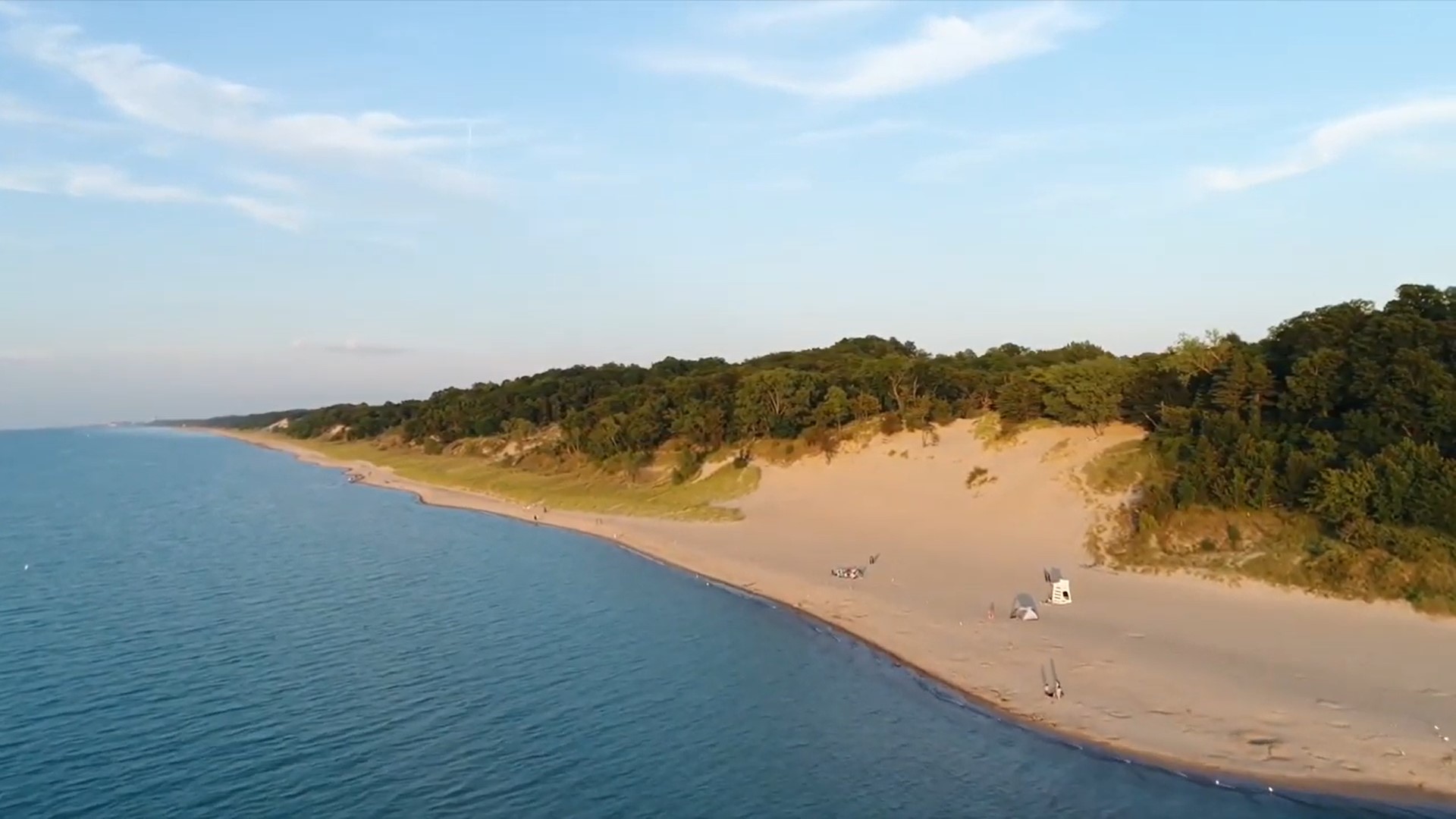
Indiana Dunes National Park eyes its 1st-ever entrance fees
The National Park Service will hold an online public meeting on the proposed fees via Zoom on Wednesday, from 6 p.m. to 8 p.m. CDT. If approved, the fees would begin on March 31, 2022.
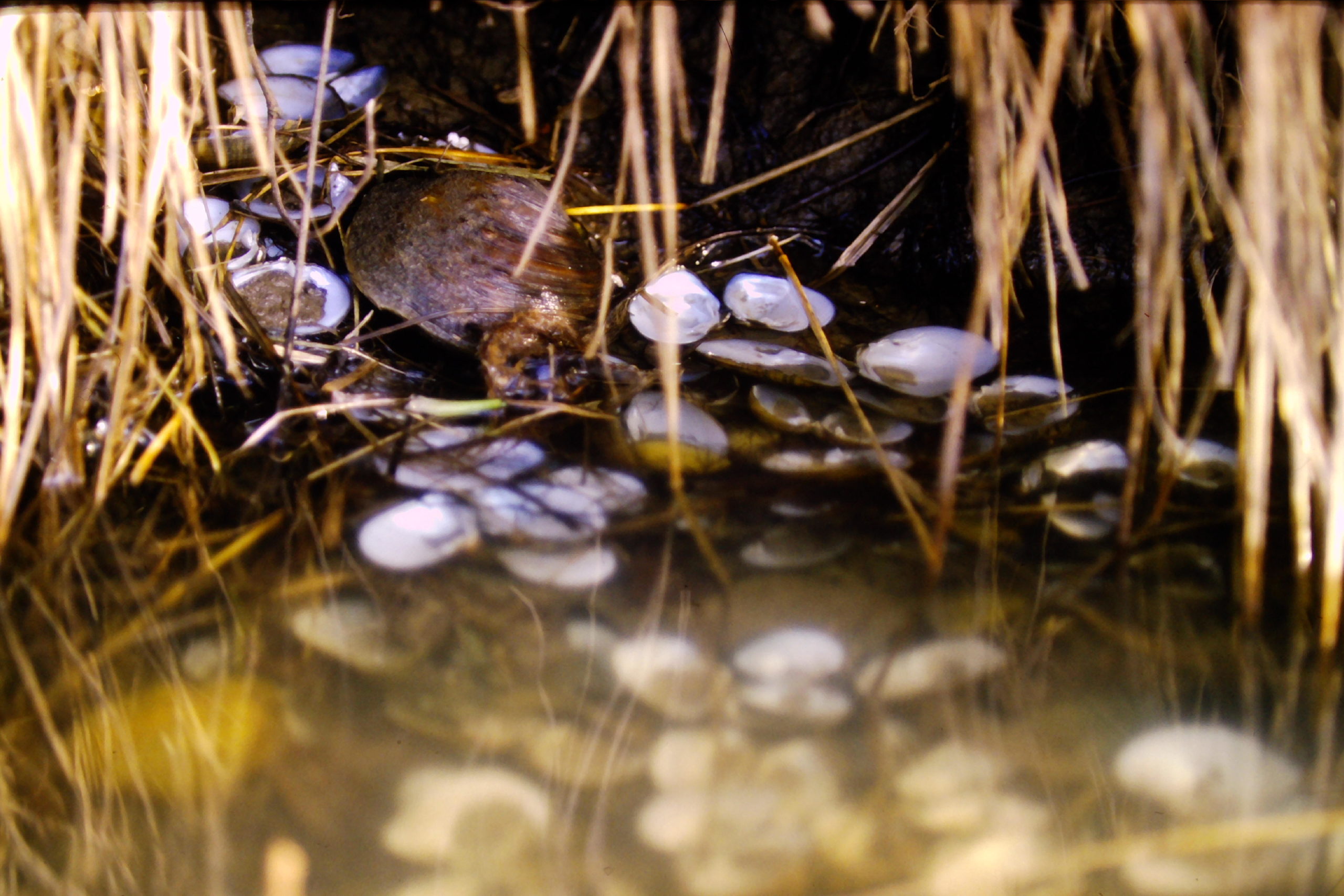
I Speak for the Fish: Shell middens reveal interesting clues about the humble muskrat
For the average curious person, an easy way to learn what some animals are eating is to find a riverbank midden – a pile of discarded shells located near the water’s edge where muskrat, mink or otter reside.