
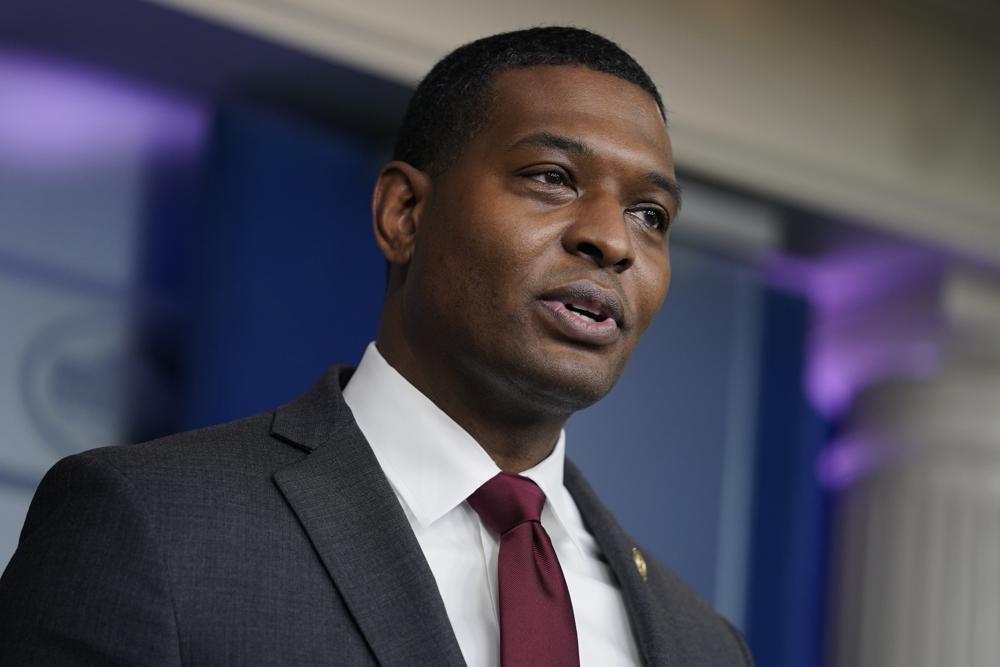

The plan is intended to restrict PFAS from being released into the environment, accelerate cleanup of PFAS-contaminated sites such as military bases and increase investments in research to learn more about where PFAS are found and how their spread can be prevented.

Posted inClimate Change, Great Lakes News Collaborative, Guest Article, Latest News, News, Politics, Policy, Environmental Justice, Science, Technology, Research
Water Groups Lauded a Side Agreement at the Paris Climate Conference. Then It Languished.

The fate of the Paris Pact reveals the difficulties in incorporating water into global climate agreements.

Posted inClimate Change, COP26, Featured, Latest News, Michigan, News, Politics, Policy, Environmental Justice, Region, Science, Technology, Research
U.N. Climate Conference: Michigan’s role at the U.N.’s COP26 and in the U.S.’s climate future

“The take home is always, always, always water,” Liesl Clark, director of the Michigan Department of Environment, Great Lakes, and Energy, said during a preview of the United Nations COP26 event.

Posted inAP, Article, History and Culture, Lake Superior, Latest News, Lighthouses, Museums and Cultural Institutions, News
Lighthouse to allow visitors again for Fitzgerald memorial
A Lake Superior lighthouse plans to welcome visitors back for an annual memorial honoring the sailors who died when the Edmund Fitzgerald sank.
Posted inDrinking Water, Latest News, News, Water Quality and Restoration Efforts
Drinking Water News Roundup: Second US Steel spill, new water purification method, Pennsylvania water treatment plant flood

From lead pipes to PFAS, drinking water contamination is a major issue plaguing cities and towns all around the Great Lakes. Cleaning up contaminants and providing safe water to everyone is an ongoing public health struggle. Keep up with drinking water-related developments in the Great Lakes area.

Posted inAP, Article, Featured, Latest News, News, Politics, Policy, Environmental Justice
Biden appoints Debra Shore to lead EPA Midwestern office
President Joe Biden on Tuesday appointed Debra Shore, a wastewater treatment official in Chicago, to direct the U.S. Environmental Protection Agency’s Midwestern office.
Posted inAbout Great Lakes Now, Authors, Drinking Water, Featured, Forever Chemicals Featured, Indiana, Industry, Energy, Economic Development, Latest News, Michigan, Minnesota, Natasha Blakely, New York, News, Ohio, Pennsylvania, PFAS, PFAS News Roundup, Policy, Politics, Policy, Environmental Justice, Region, Water Quality and Restoration Efforts, Who We Are and What We Do, Wisconsin
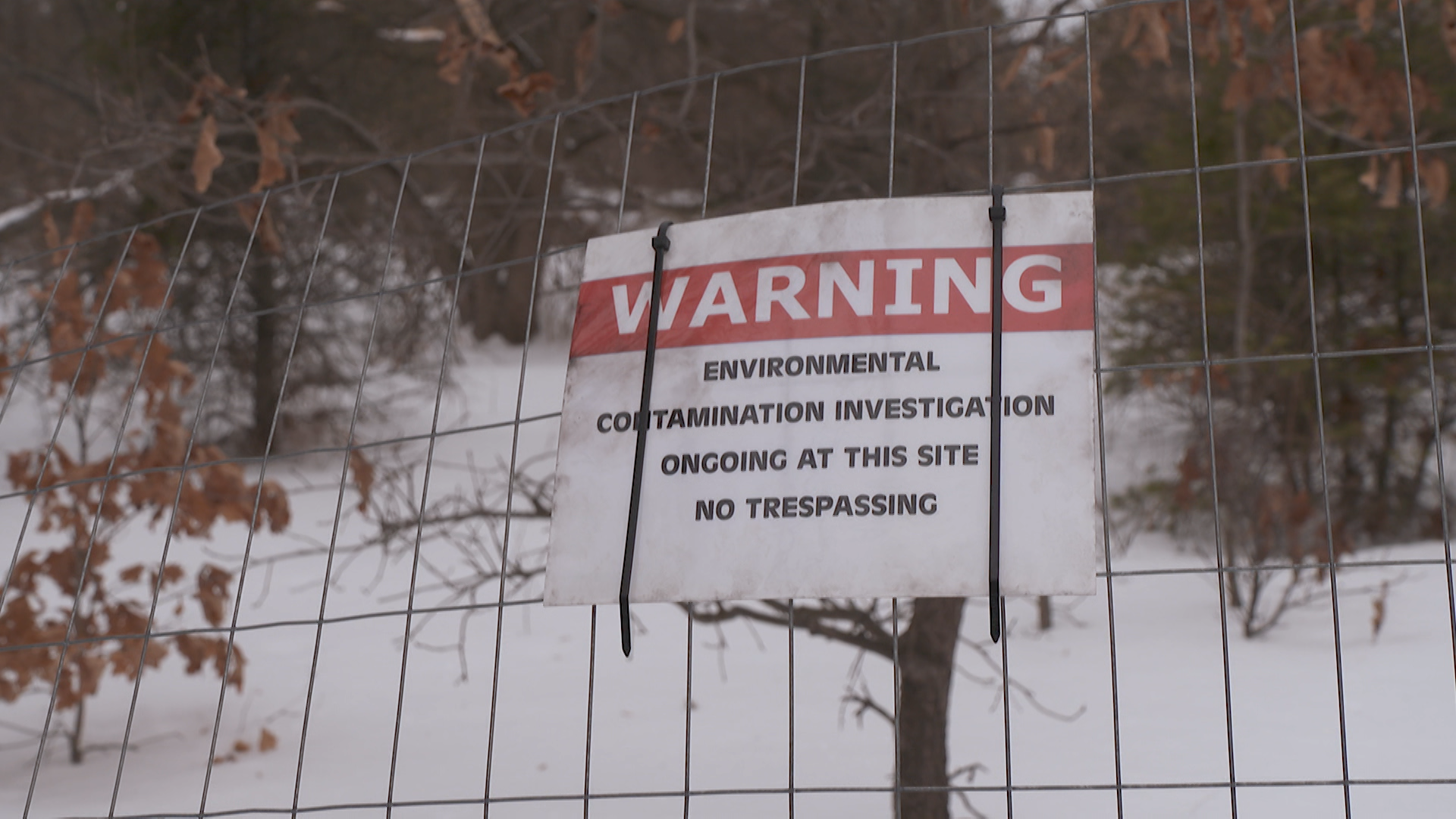
PFAS News Roundup: Michigan works on transparency, 3M could cost the Minnesota public billions, study recruitment in Michigan
Catch the latest updates on what’s happening with PFAS in Great Lakes Now’s biweekly headline roundup.
Posted inEnbridge Line 5 and Other Pipelines, Equity and Environmental Justice, Great Lakes News Collaborative, Guest Article, History and Culture, Indigenous Communities, Industry, Energy, Economic Development, Latest News, Michigan, News, Ontario, Politics, Policy, Environmental Justice, Region, Tribal Governments and First Nations, U.S. and Canadian Federal Governments
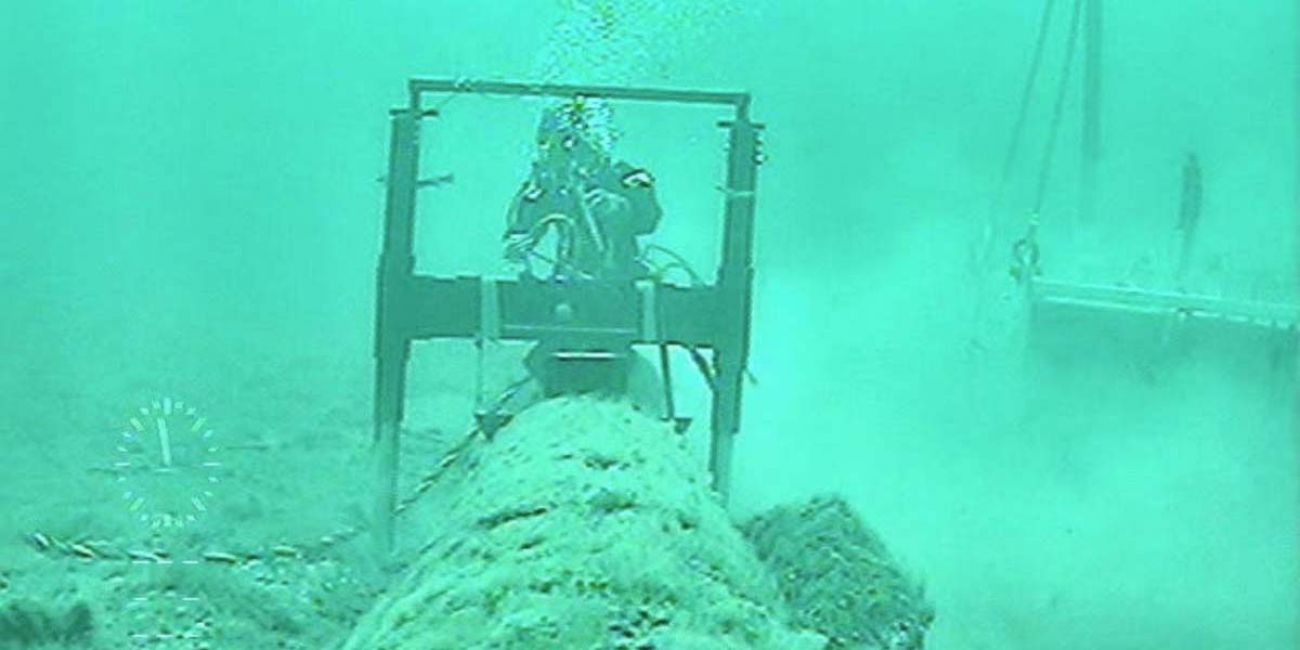
Michigan tribes to Biden: Enbridge Line 5 threatens our treaty rights

As Canada leans on an international treaty to keep oil flowing through Line 5, Michigan Native American tribal leaders want the Biden administration to acknowledge that the pipeline’s fate affects their treaty rights, too.
Posted inChar-Koosta News, History and Culture, Indigenous Communities, Invasive Species, Latest News, News, Recreation and Tourism, Science, Technology, Research
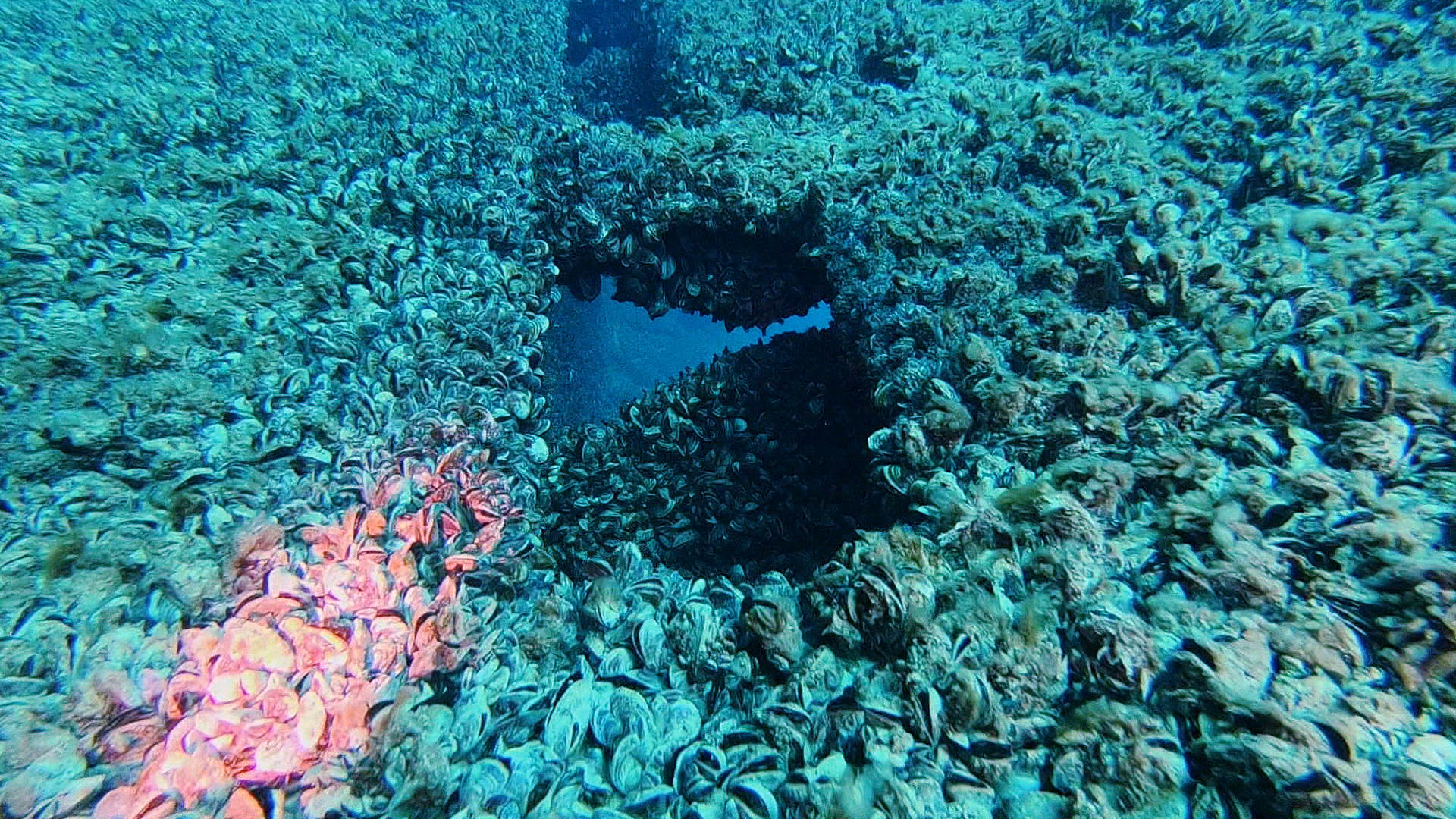
A record number of mussel-fouled watercraft have been intercepted at state inspection stations this summer

It’s been kind of a half empty, half full aquatic invasive species (AIS) inspection effort this summer in Montana. There has been less watercraft inspected but a record number of mussel-fouled watercraft discovered. That’s not good but the fact that inspectors found them is good.
Posted inGuest Article, Latest News, News, Policy, Politics, Policy, Environmental Justice, U.S. and Canadian Federal Governments
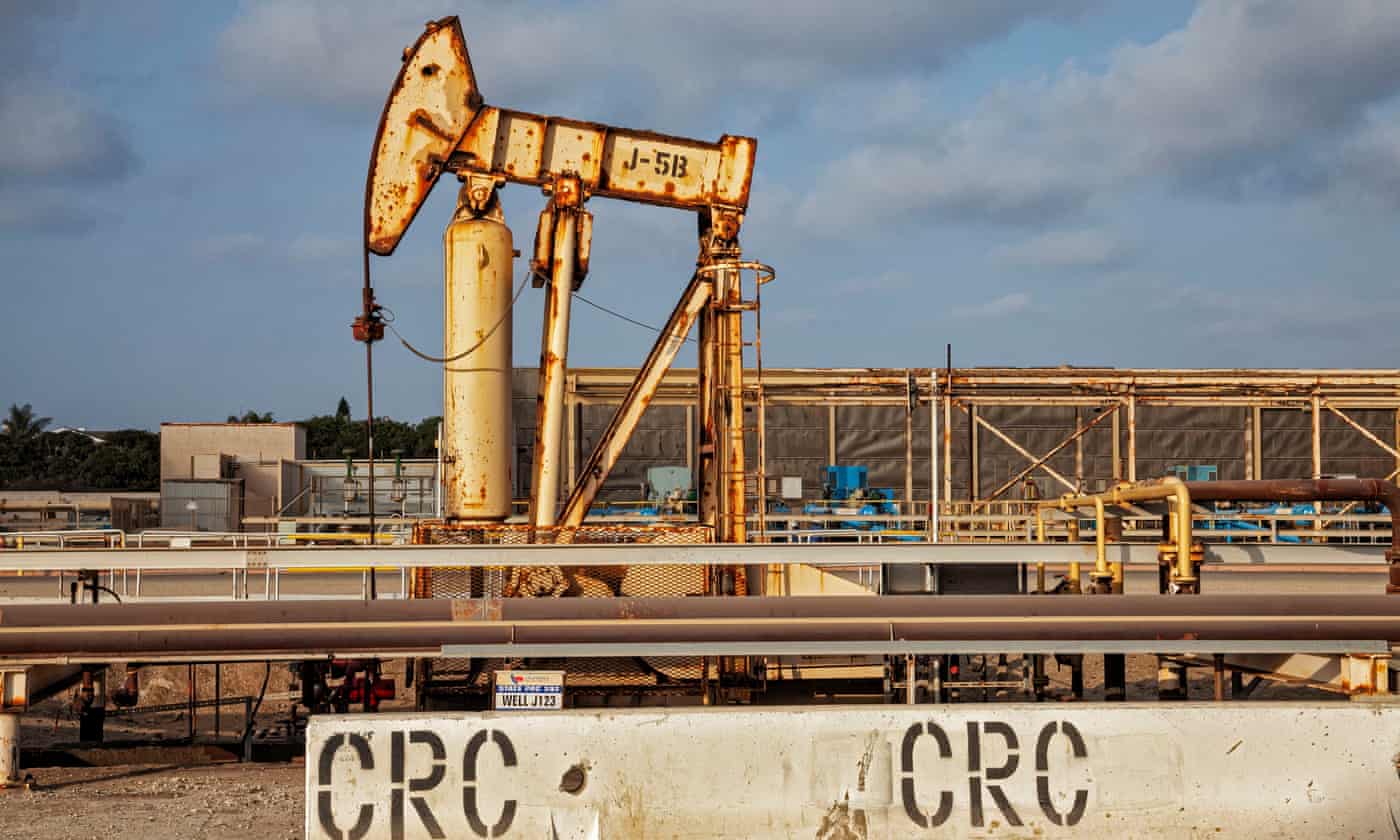
Will taxpayers bear the cost of cleaning up America’s abandoned oil wells?

Oil and gas companies have a century-old bad habit of drilling wells and ditching them. And while Congress finally has a plan to plug some abandoned wells, new proposals effectively pass the fossil fuel industry’s cleanup costs on to taxpayers and may even enable more drilling.