Posted inDetroit, Drinking Water, Feature Detroit, Forever Chemicals Featured, Great Lakes News Collaborative, Groundwater Contamination, Guest Article, Infrastructure, Latest News, Lead, Michigan, News, PFAS, Politics, Policy, Environmental Justice, Region, Water Quality and Restoration Efforts
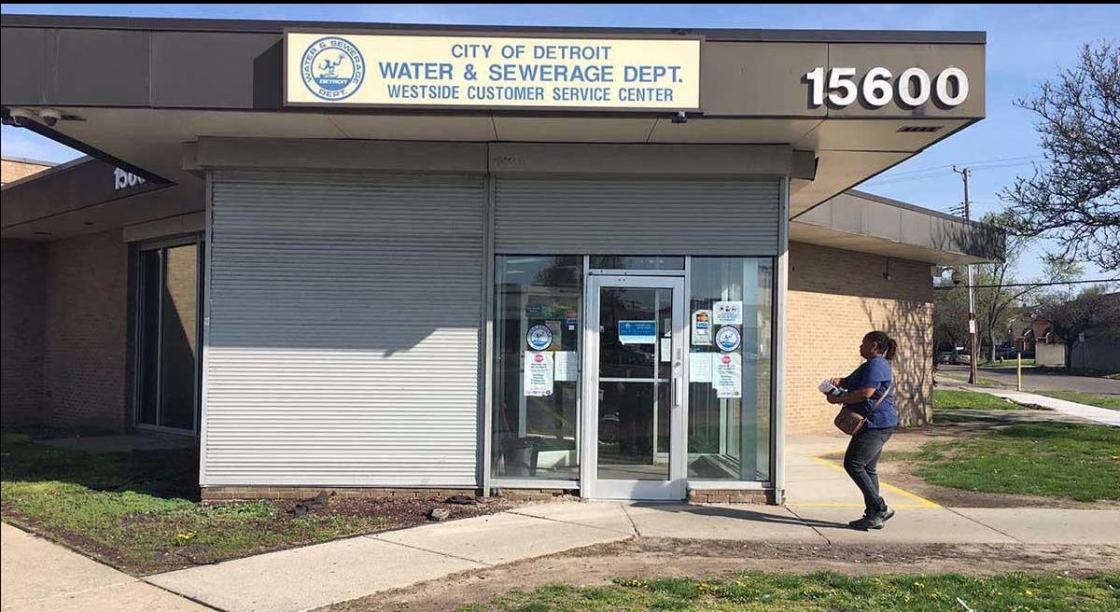
Michigan politicians ran on water problems. Activists want money for fixes.

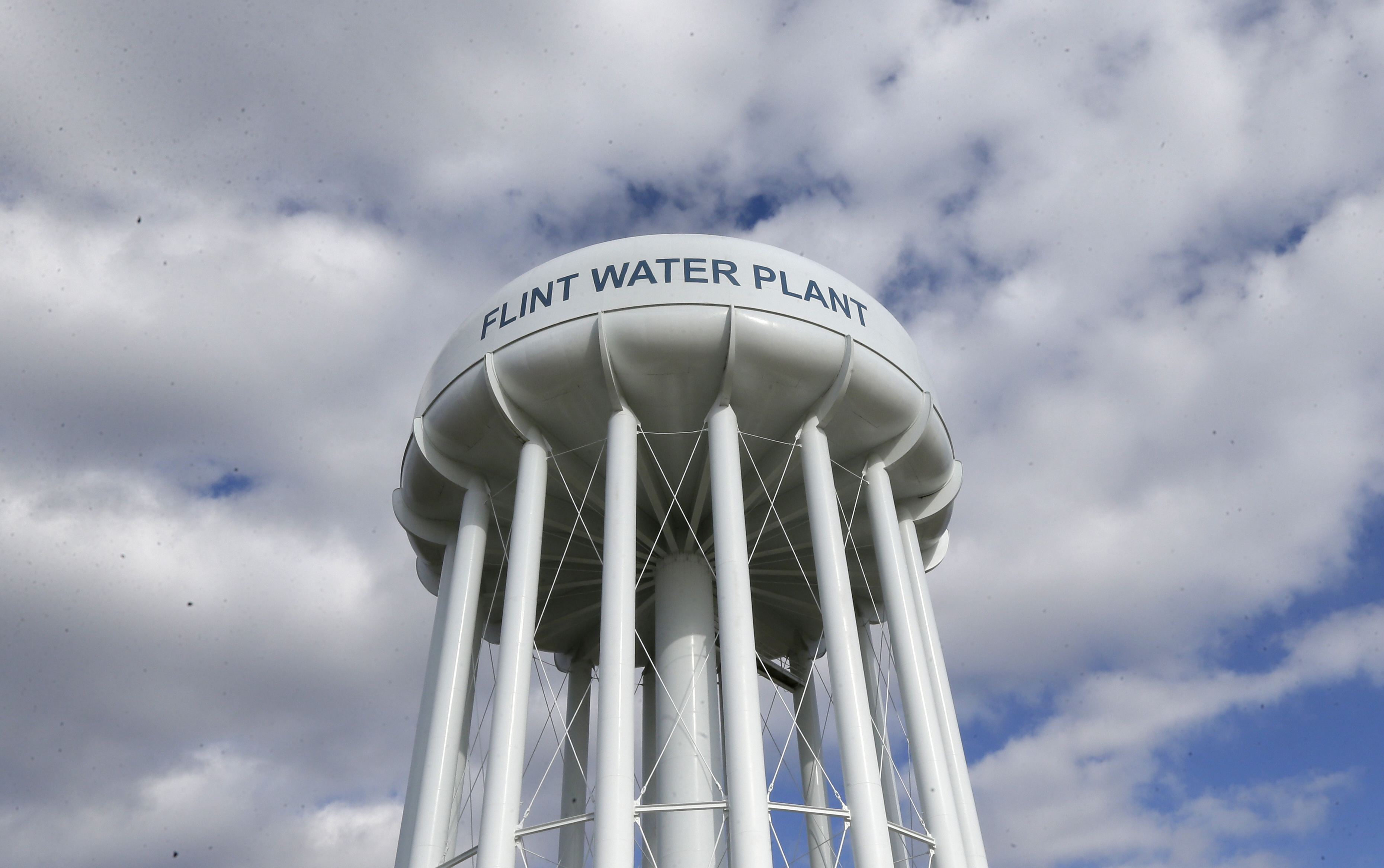
Water advocates say they plan to push state and federal lawmakers for more funding to address PFAS, lead line replacement, and other water issues. But the COVID-19 crisis could make budget dollars scarce.

Posted inDrinking Water, Drinking Water News Roundup, Enbridge Line 5 and Other Pipelines, Flint, Groundwater Contamination, History and Culture, Illinois, Indiana, Indigenous Communities, Industry, Energy, Economic Development, Latest News, Lead, Michigan, Minnesota, News, Ontario, Region, Water Quality and Restoration Efforts, Wisconsin

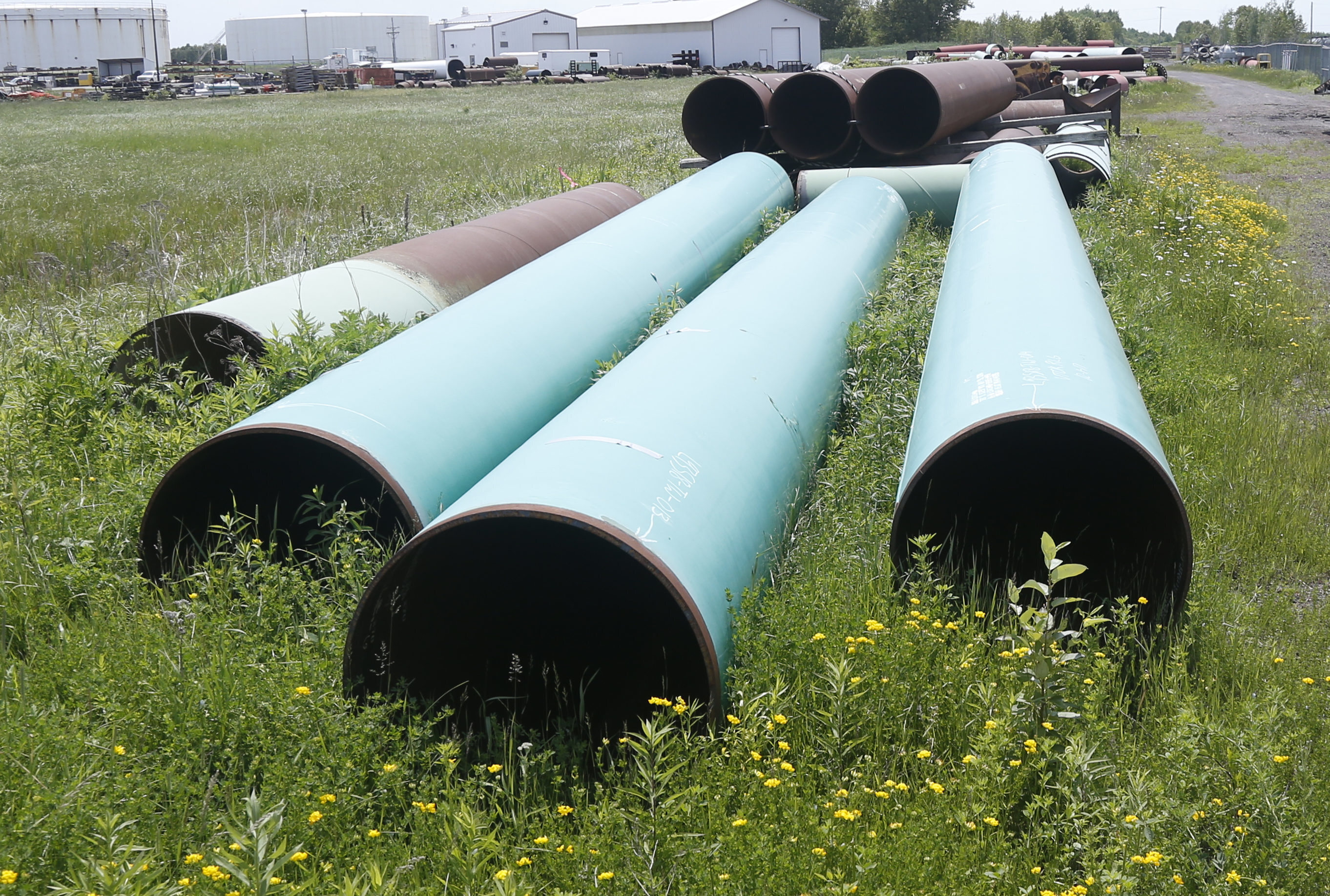
Drinking Water News Roundup: Wisconsin sets caps for 22 contaminants, lead pipes more likely in POC communities

Catch the latest drinking water updates with Great Lakes Now’s biweekly headline roundup.

Posted inAbout Great Lakes Now, Authors, COVID-19, Drinking Water, Forever Chemicals Featured, Latest News, Michigan, Natasha Blakely, New York, News, PFAS, PFAS News Roundup, Politics, Policy, Environmental Justice, Region, Research, Data and Technology, Science, Technology, Research, Traverse City, Water Quality and Restoration Efforts, Who We Are and What We Do, Wisconsin

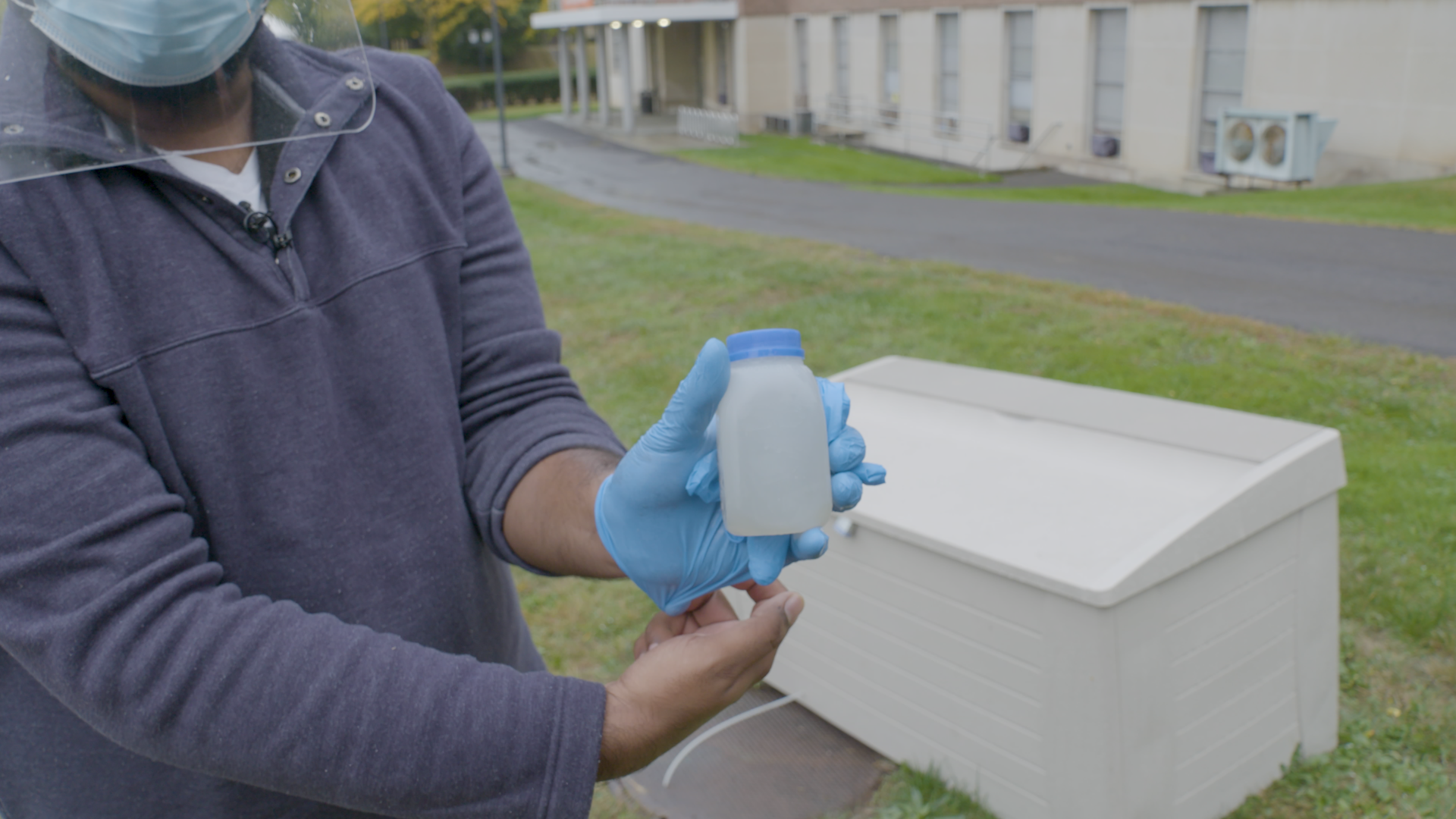
PFAS News Roundup: Michigan health study, Wisconsin deer and fish, possible impact on COVID-19 vaccine

Catch the latest updates on what’s happening with PFAS in Great Lakes Now’s biweekly headline roundup.

Posted inClimate Change, Great Lakes News Collaborative, Guest Article, Infrastructure, Lake Huron, Latest News, Michigan, News, Region, Science, Technology, Research, Water Quality and Restoration Efforts
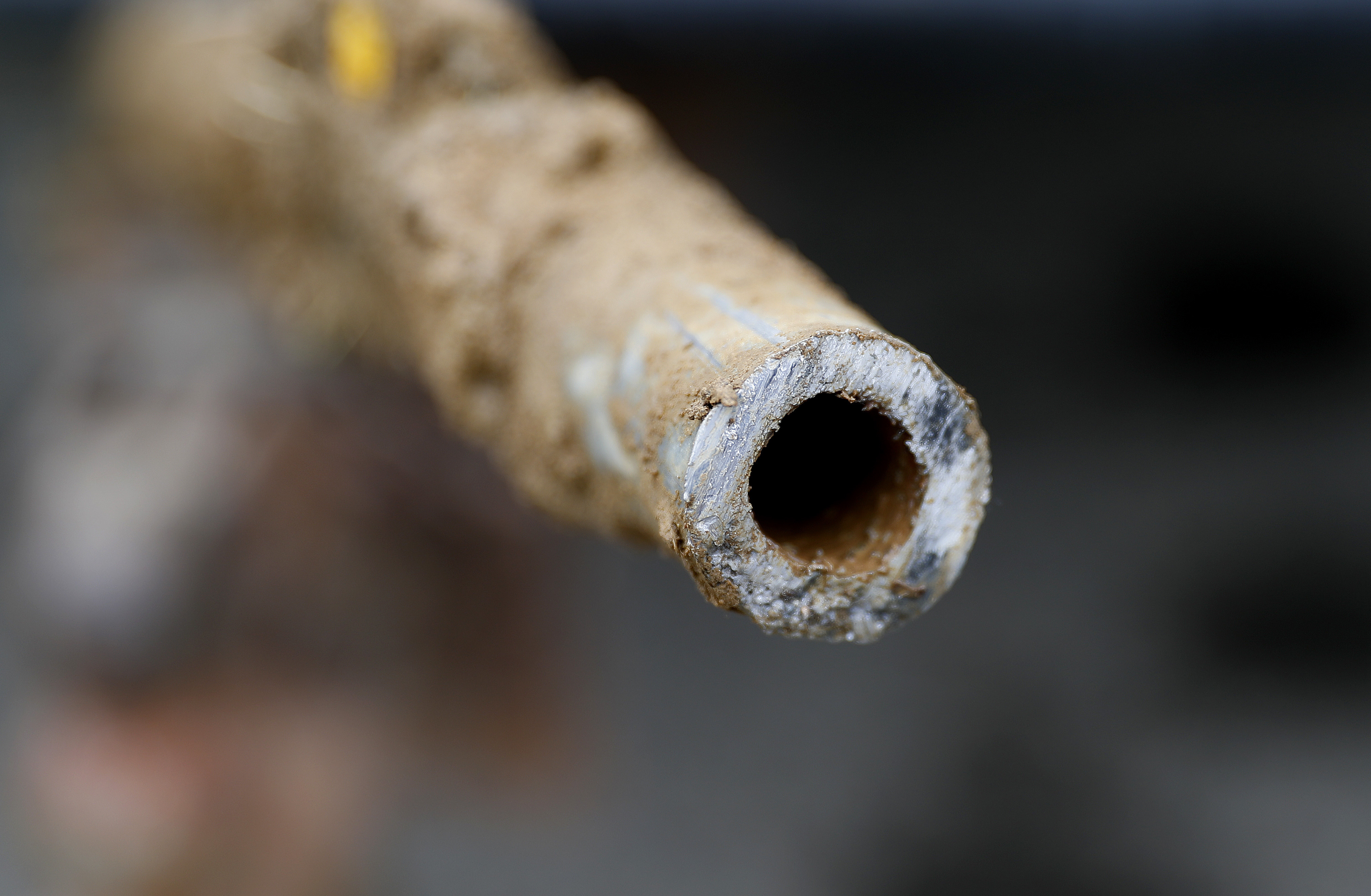
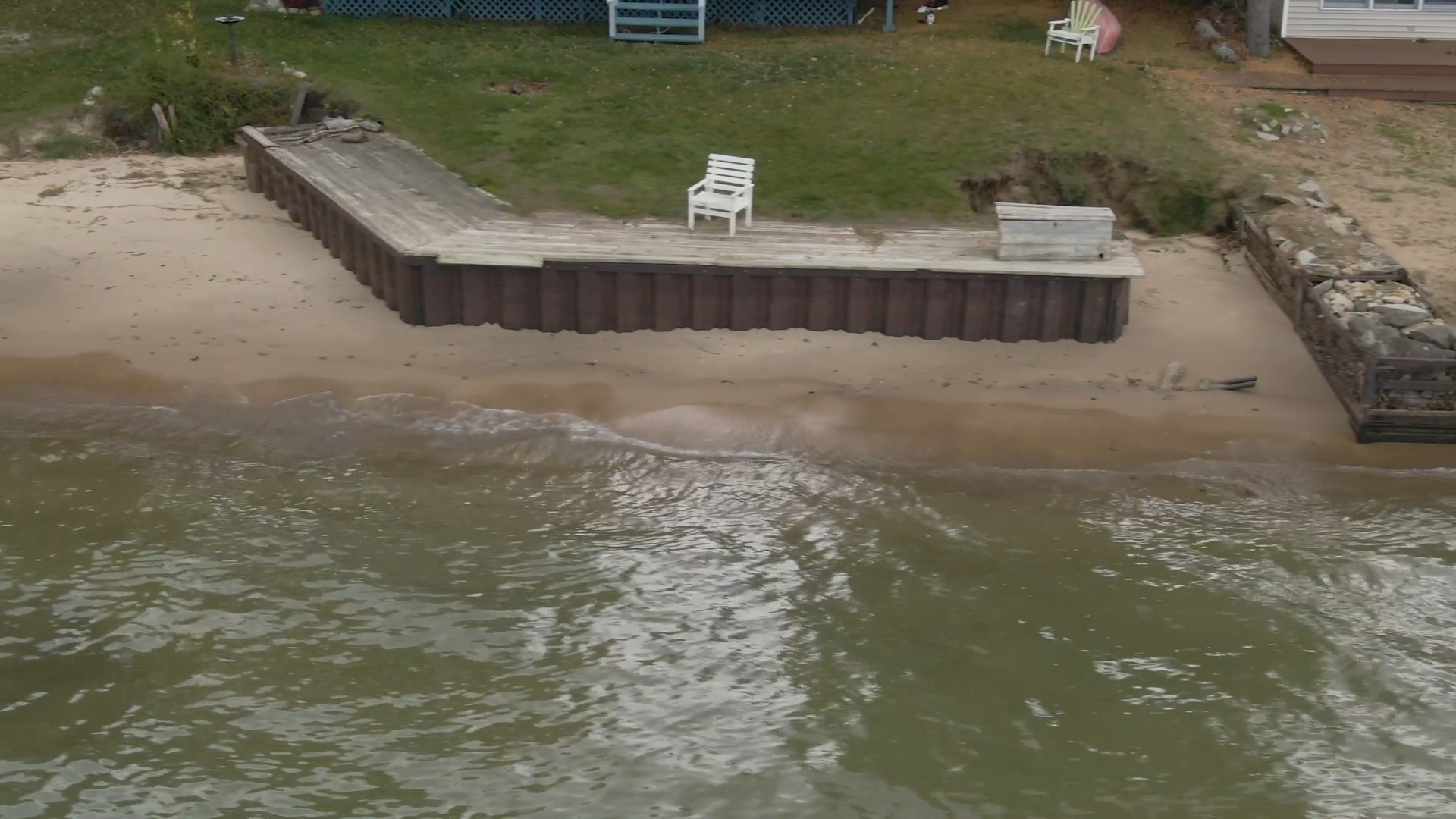
As Great Lakes pummel Michigan, beach towns rush to set development rules

Facing widespread coastal damage amid record high water levels, some lakeshore communities are rethinking policies that allowed people to build too close to the water.