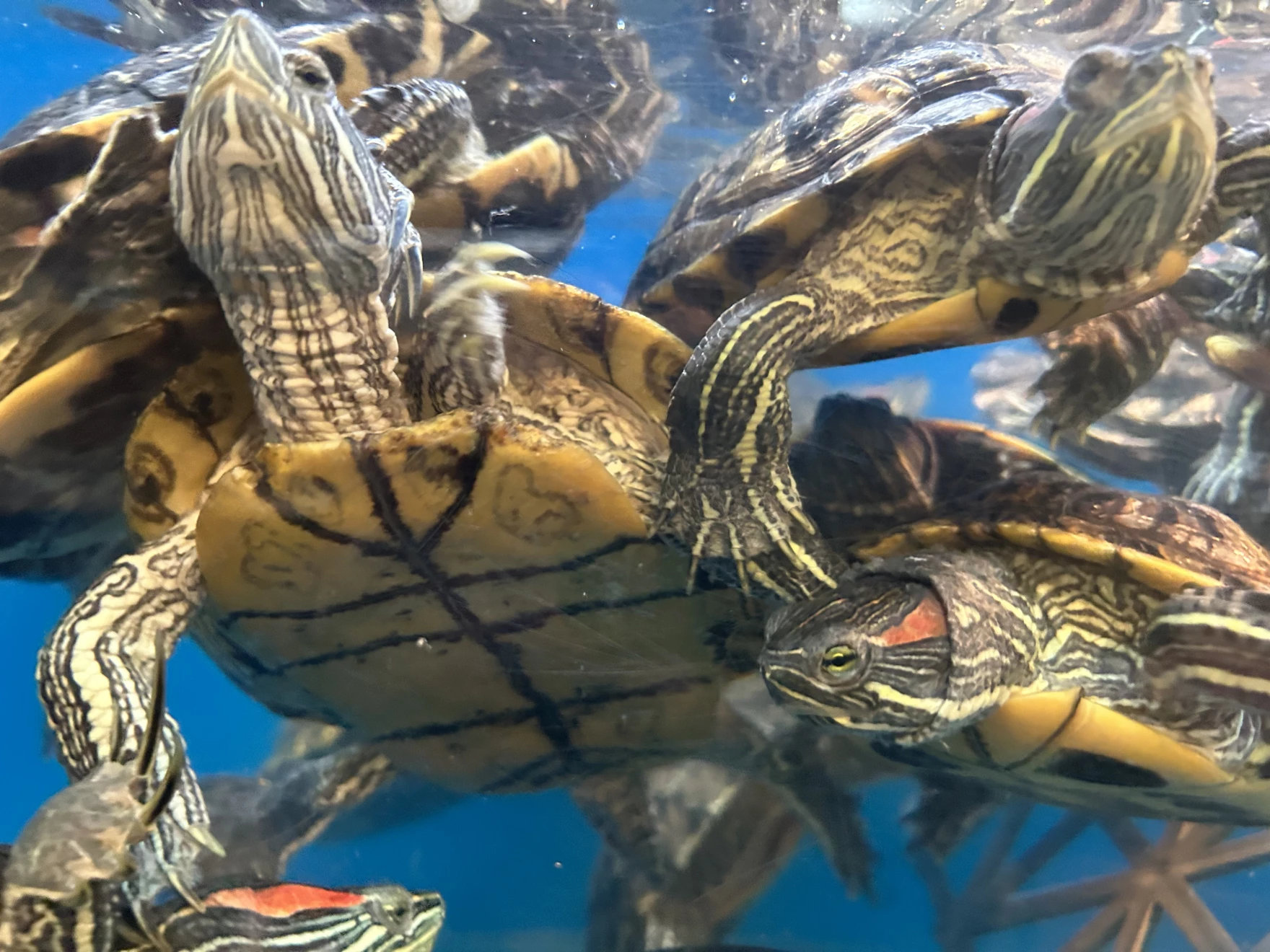

Red-eared sliders are one of the most common pet turtle species in the world. They can grow to the size of dinner plates and live around 40 years. Because of that, people often release them. That causes a big problem.
Posted inLatest News, Michigan, News, Politics, Region
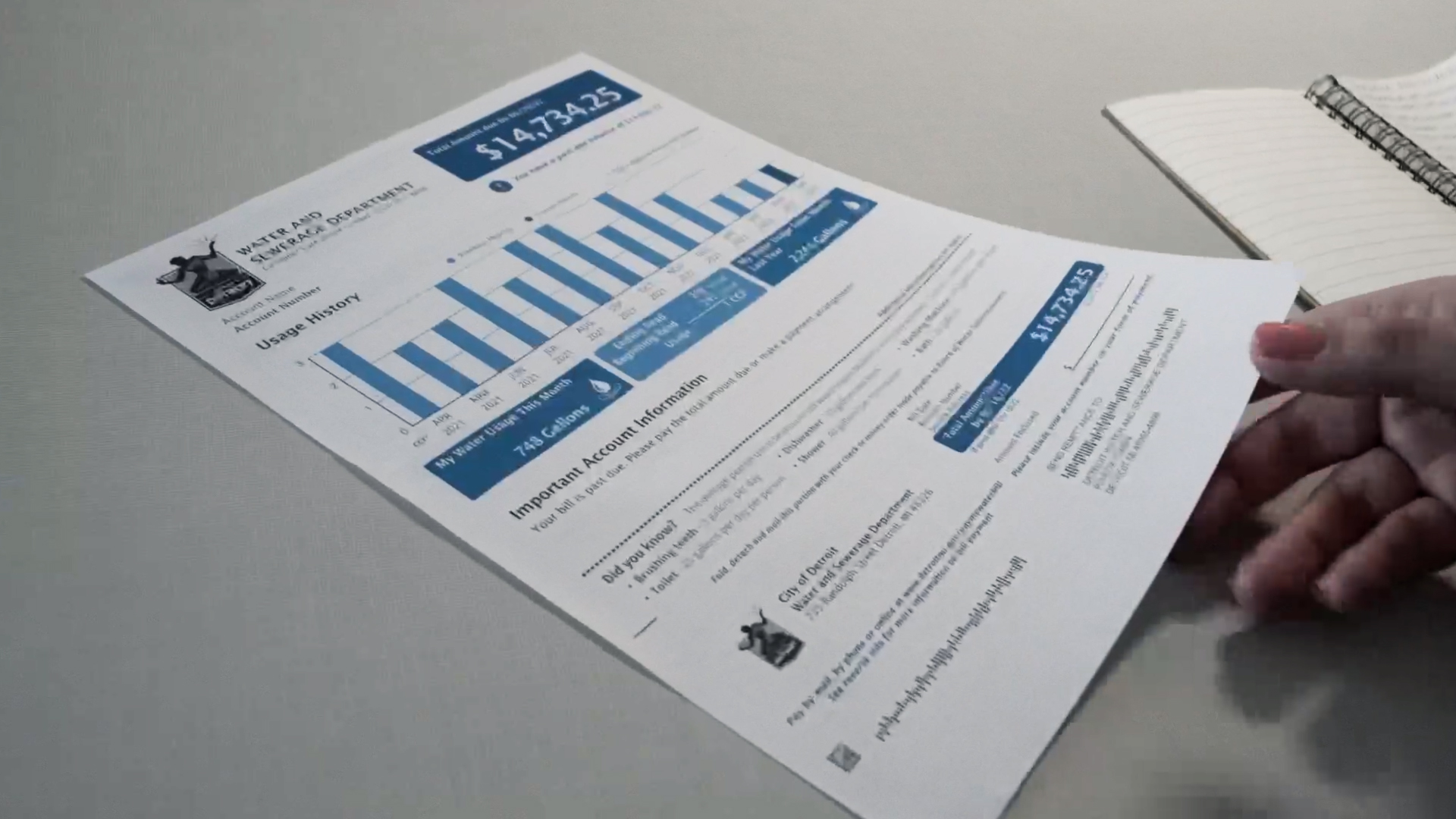
Michigan group looks to grow a statewide coalition for water affordability

Lawmakers and advocates say new legislation is needed.
Posted inFeatured, Food, Latest News, Michigan, News, Recreation and Tourism, Region, Tourism, Traverse City
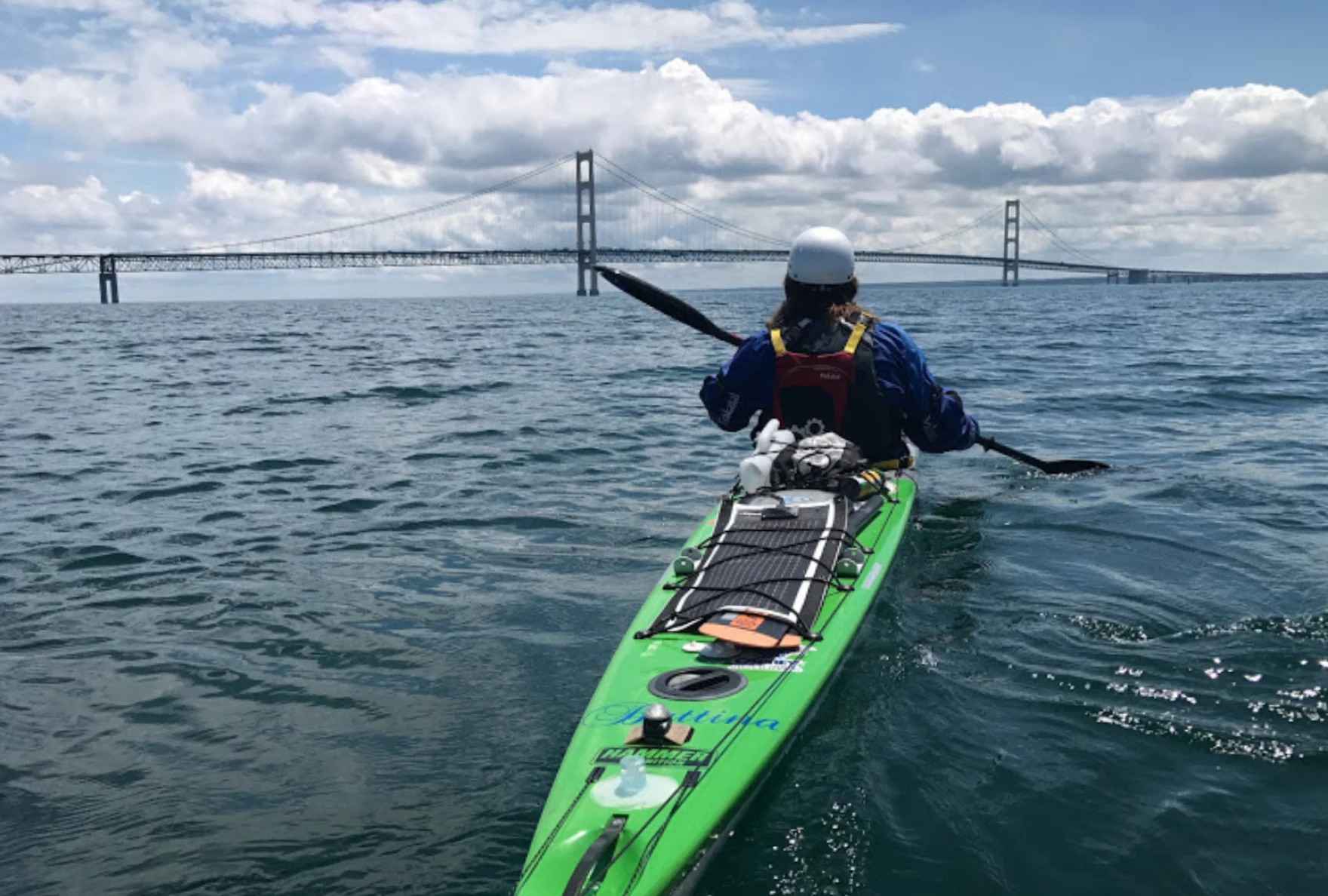
‘A valuable resource’: Traverse City restaurants aim to reduce food waste, greenhouse gases
So far about a dozen of Traverse City’s downtown restaurants have said they are interested in composting.

Posted inLatest News, News, PFAS News Roundup
PFAS News Roundup: ‘Forever chemicals’ awareness lacking among U.S. adults

Catch the latest updates on what’s happening with PFAS in this biweekly headline roundup.
Posted inAbout Great Lakes Now, Books, Authors, Art and Music, Culture, Featured, Lake Superior, Latest News, News, Who We Are and What We Do
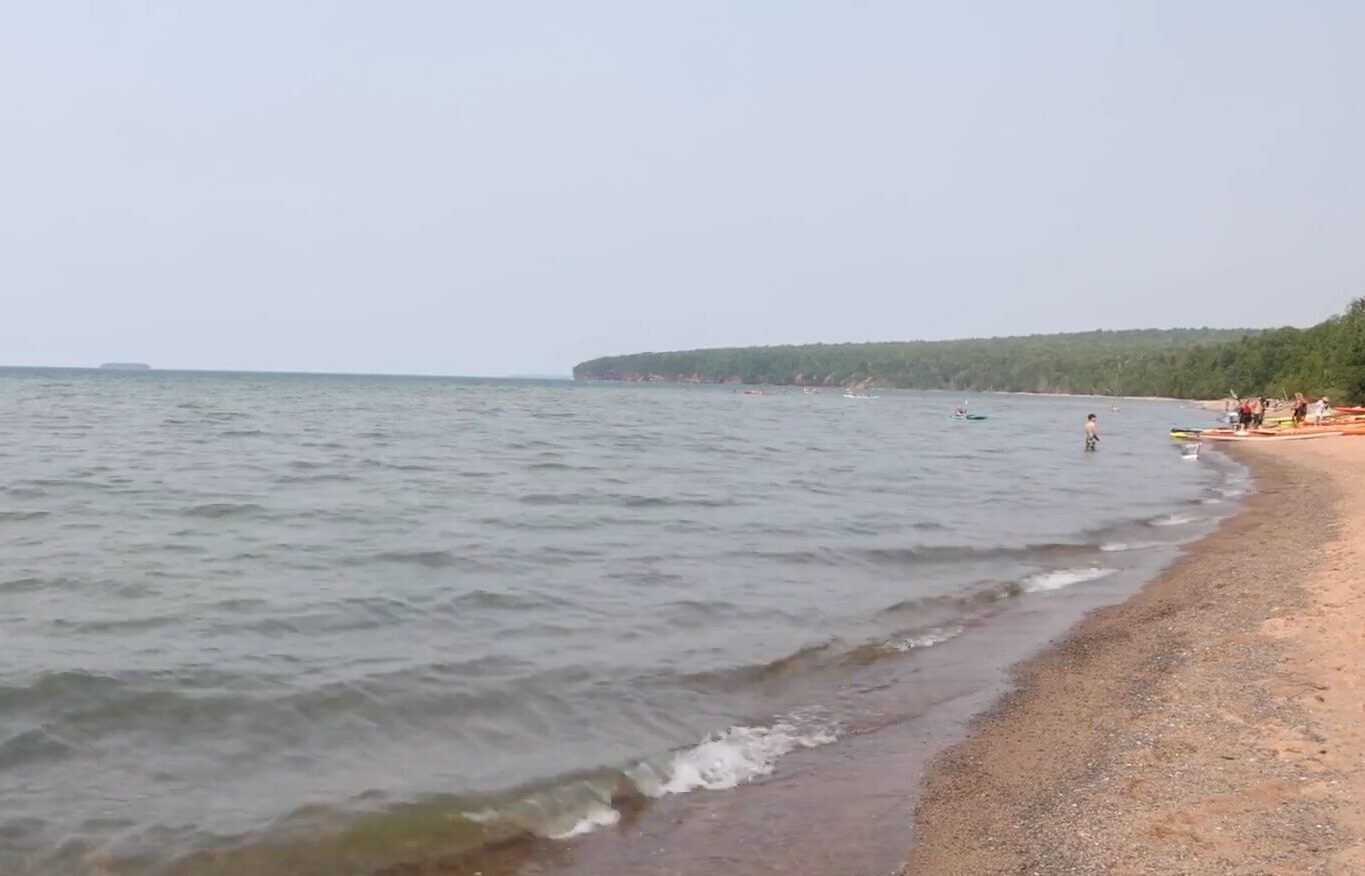
Book Review: Author Sue Leaf’s latest takes a philosophical look at life on Lake Superior’s South Shore

Copper mining and receding shorelines intertwine with omnipresent impermanence.
Posted inCulture, Equity and Environmental Justice, Great Lakes News Collaborative, Indigenous Communities, Latest News, Michigan, News, Politics, Region
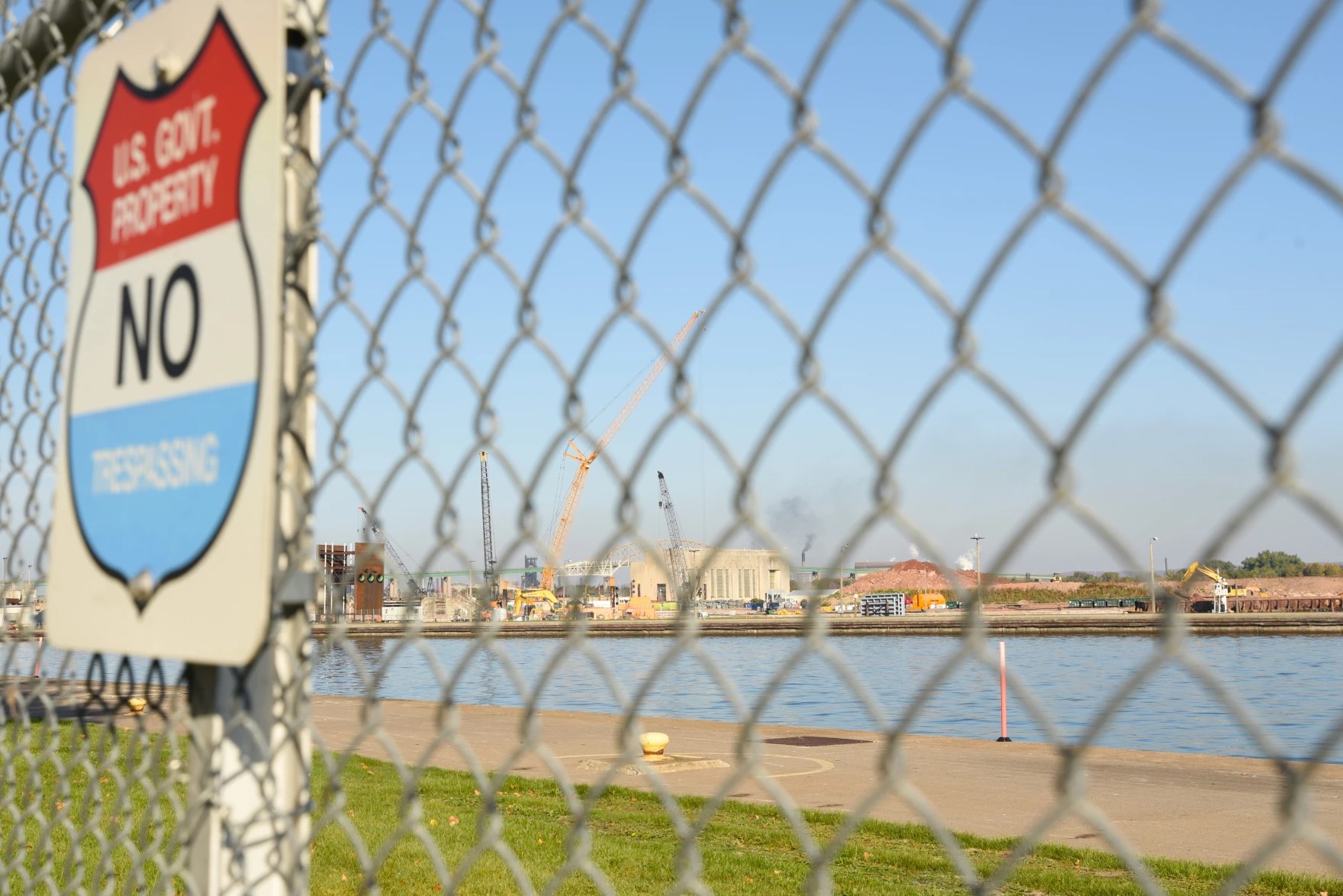
Upper Peninsula tribe closer to compensation for land seized by the U.S. government

The Keweenaw Bay Indian Community would get $34 million if legislation passed by the U.S. Senate is approved by the House and signed by President Joe Biden.

Posted inAbout Great Lakes Now, Energy News Roundup, Featured, News, Who We Are and What We Do
Energy News Roundup: Community solar projects seen as key step toward energy justice in Illinois, Great Lakes offshore wind farm put on hold
Catch the latest in Great Lakes energy news in Great Lakes Now’s biweekly headline roundup.
Posted inBooks, Authors, Art and Music, Culture, Drinking Water, Equity and Environmental Justice, Featured, Flint, Great Lakes News Collaborative, Groundwater Contamination, Infrastructure, Latest News, Lead, News, Politics, Water Quality
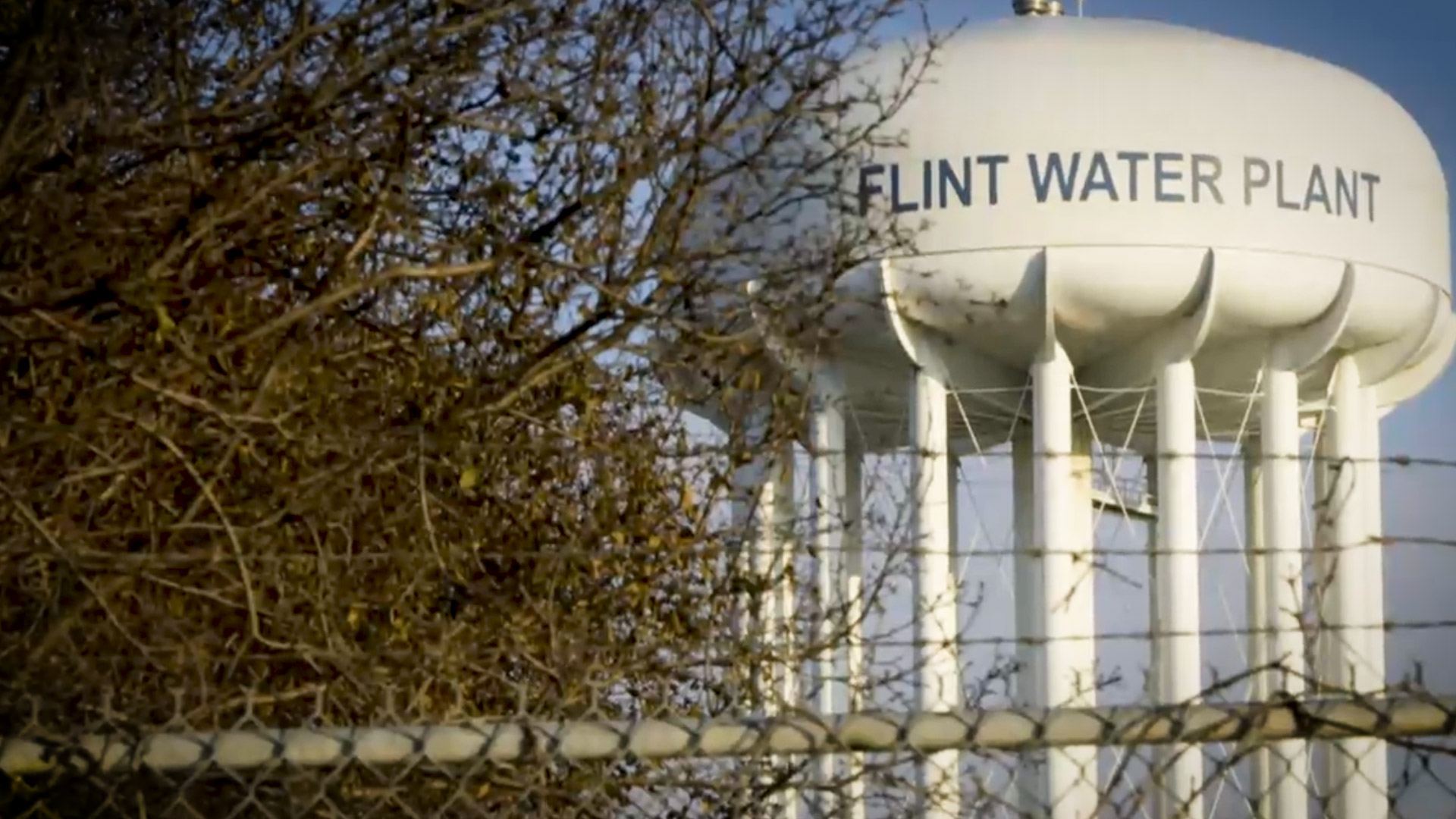
Great Lakes Now sits down with director of Flint water crisis film “Lead and Copper”

William Hart, director of a documentary about the Flint water crisis called “Lead and Copper,” joined Great Lakes Now’s Anna Sysling for a discussion about the film.
Posted inAbout Great Lakes Now, Culture, Featured, Fish, Birds and Animals, Indigenous Communities, Lake Superior, Latest News, News, Science, Technology & Research, Who We Are and What We Do
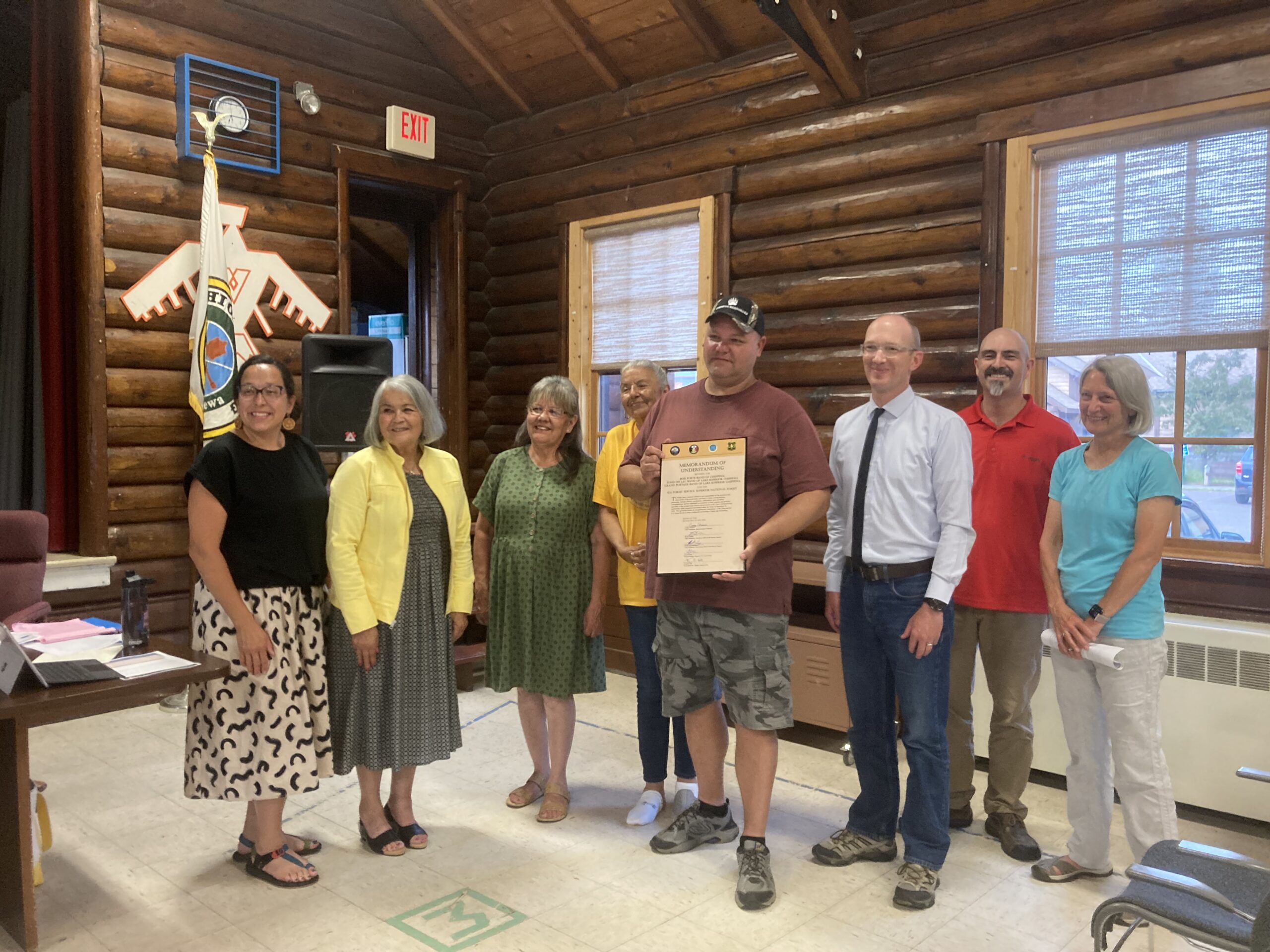
Nibi Chronicles: How to craft a memorandum of understanding with trout

In Ojibwe country, change is understood to be a constant condition or state of being. Sometimes change is difficult, and sometimes change is good. A very good effort to change happened on May 2, 2023.
Posted inAbout Great Lakes Now, Featured, Great Lakes News Collaborative, Latest News, Michigan, News, Politics, Region, Water Quality, Who We Are and What We Do
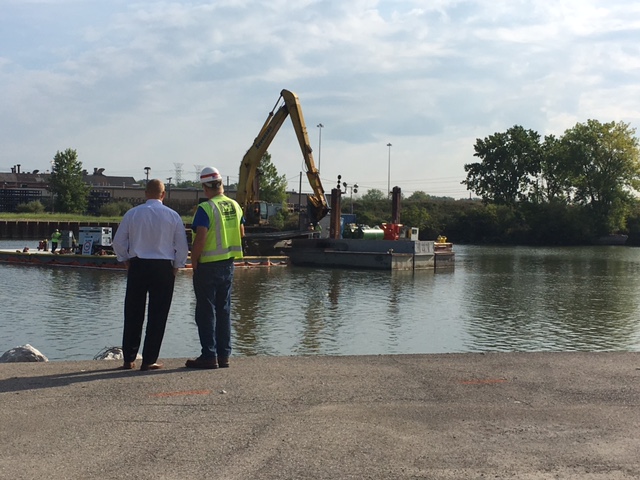
New EPA Great Lakes executive warns on “moon shot” cleanup goal for toxic sites
Greater effort, creativity needed to secure required funding at the state and local levels, lagging Detroit River effort “stands out.”