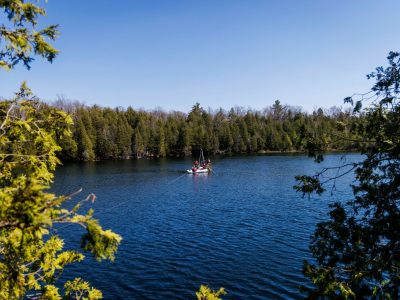

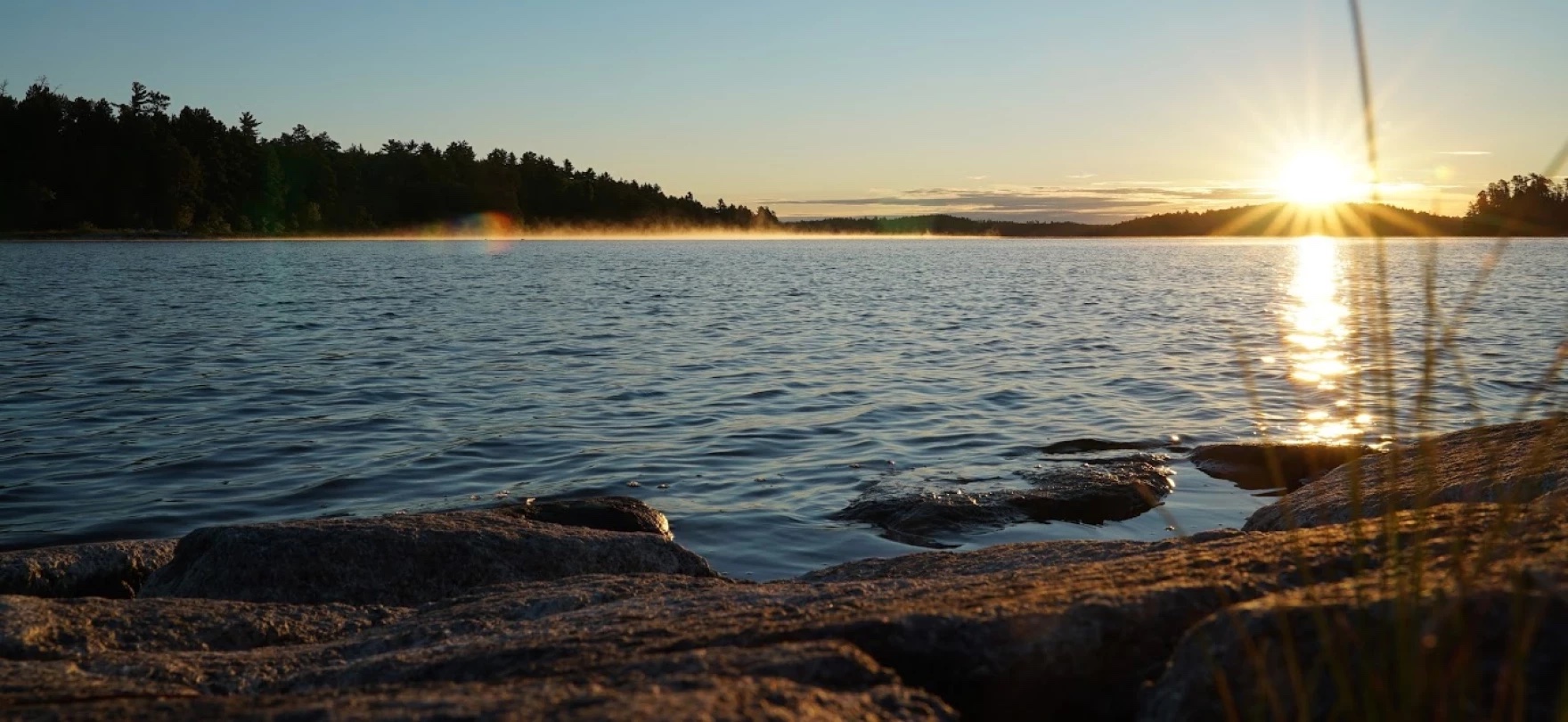
A tiny lake just an hour’s drive from Toronto made headlines earlier this summer as the best place in the world to illustrate the dawn of a new geological epoch – the Anthropocene.
Posted inClimate, Illinois, Latest News, News, Region, Science, Technology & Research
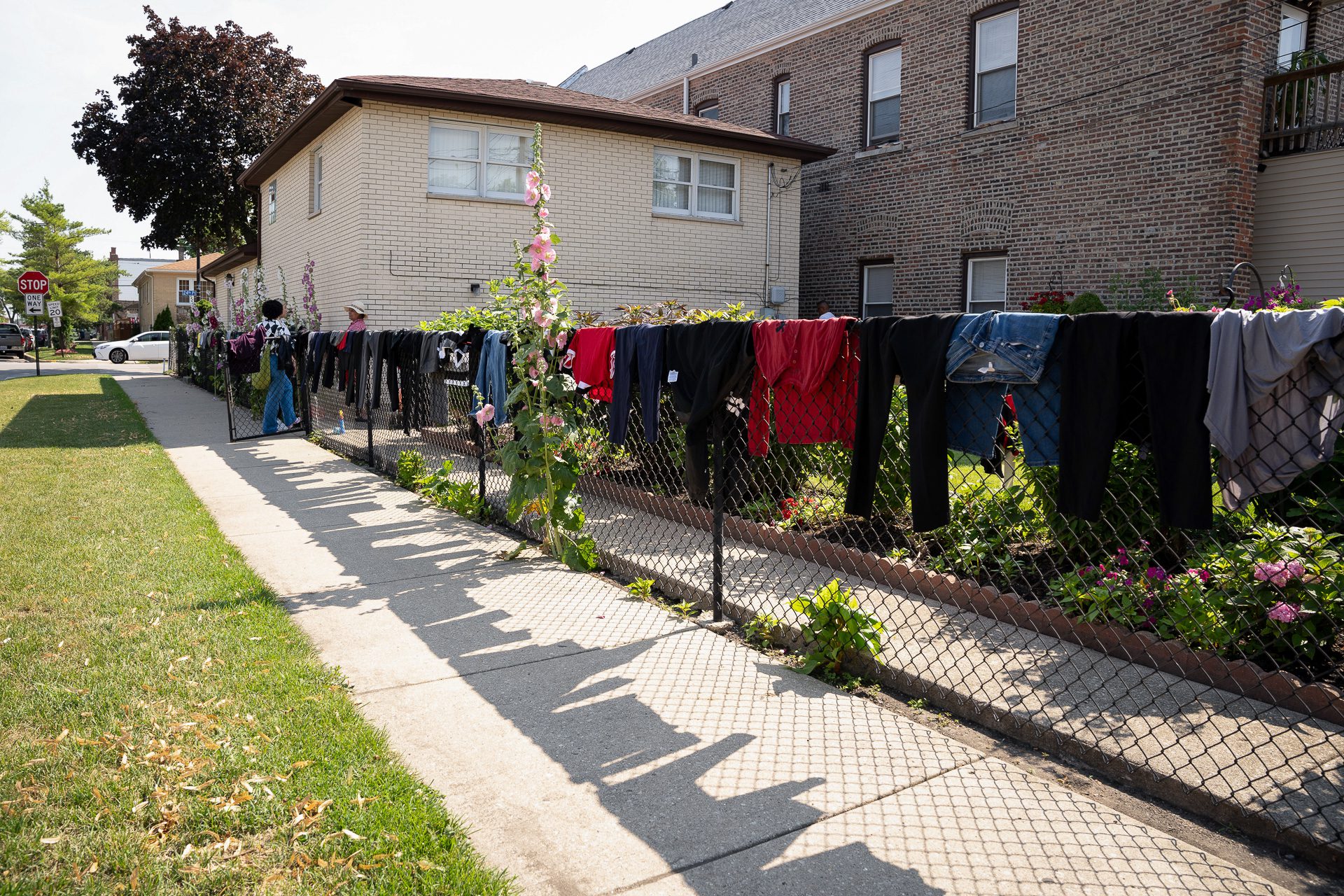
A Community-Led Approach To Stopping Flooding Expands

In a region where communities of color are most impacted by flooding, RainReady is bringing together community members to create flood mitigation plans.
Posted inUncategorized
Ancient Rocks, Tender Fruit – Episode 2308

Rock hunting along Great Lakes shorelines and Niagara farmers adapt to water scarcity.
Posted inGreat Lakes News Collaborative, Groundwater Contamination, Latest News, Michigan, News, Region, Water Quality
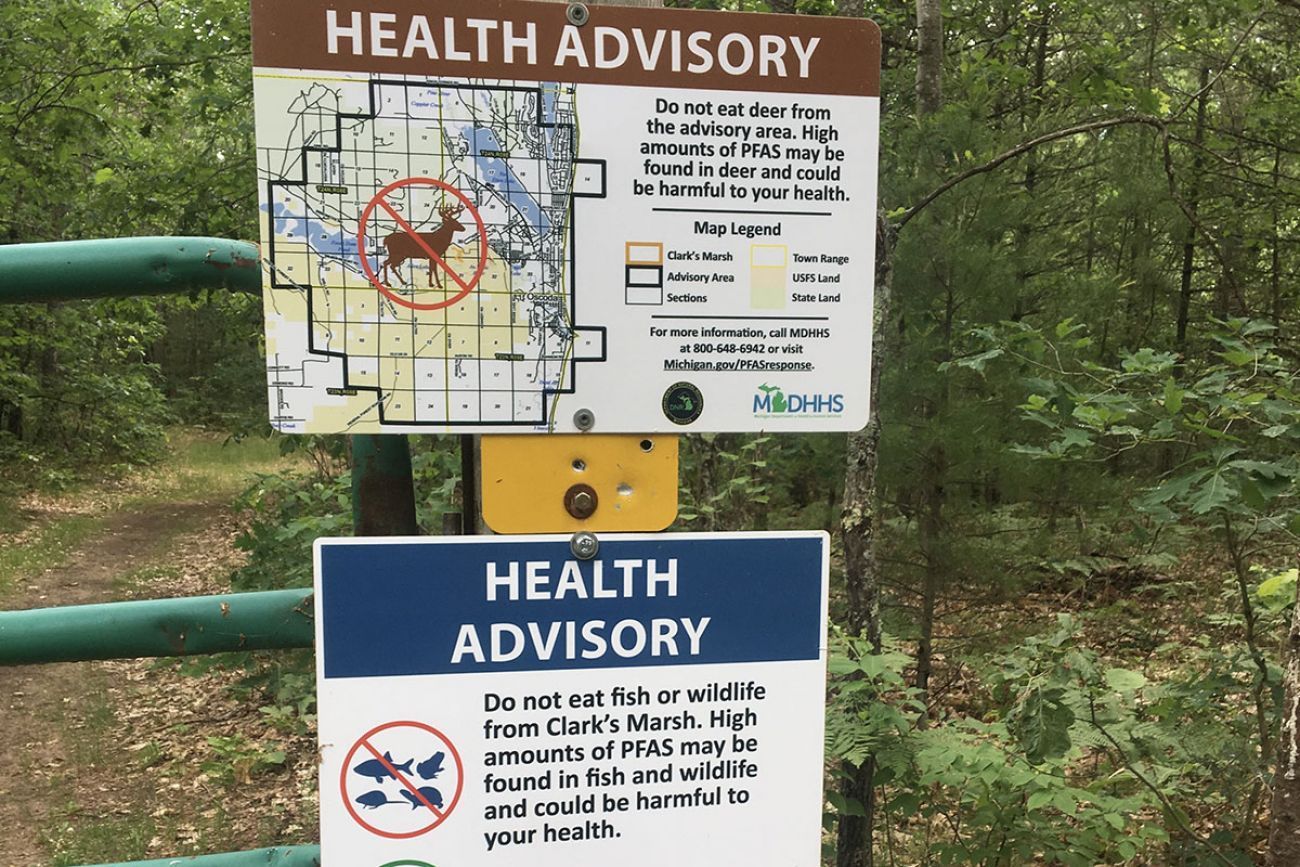
Pentagon to address PFAS at Wurtsmith base near Oscoda

Military officials announced they will install groundwater treatment systems around the former Wurtsmith Air Force Base to clean up chemical compounds linked to serious health issues.
Posted inAlgae Blooms, Climate, Great Lakes News Collaborative, Lake Erie, Latest News, News, Research, Data and Technology, Science, Technology & Research, Water Quality
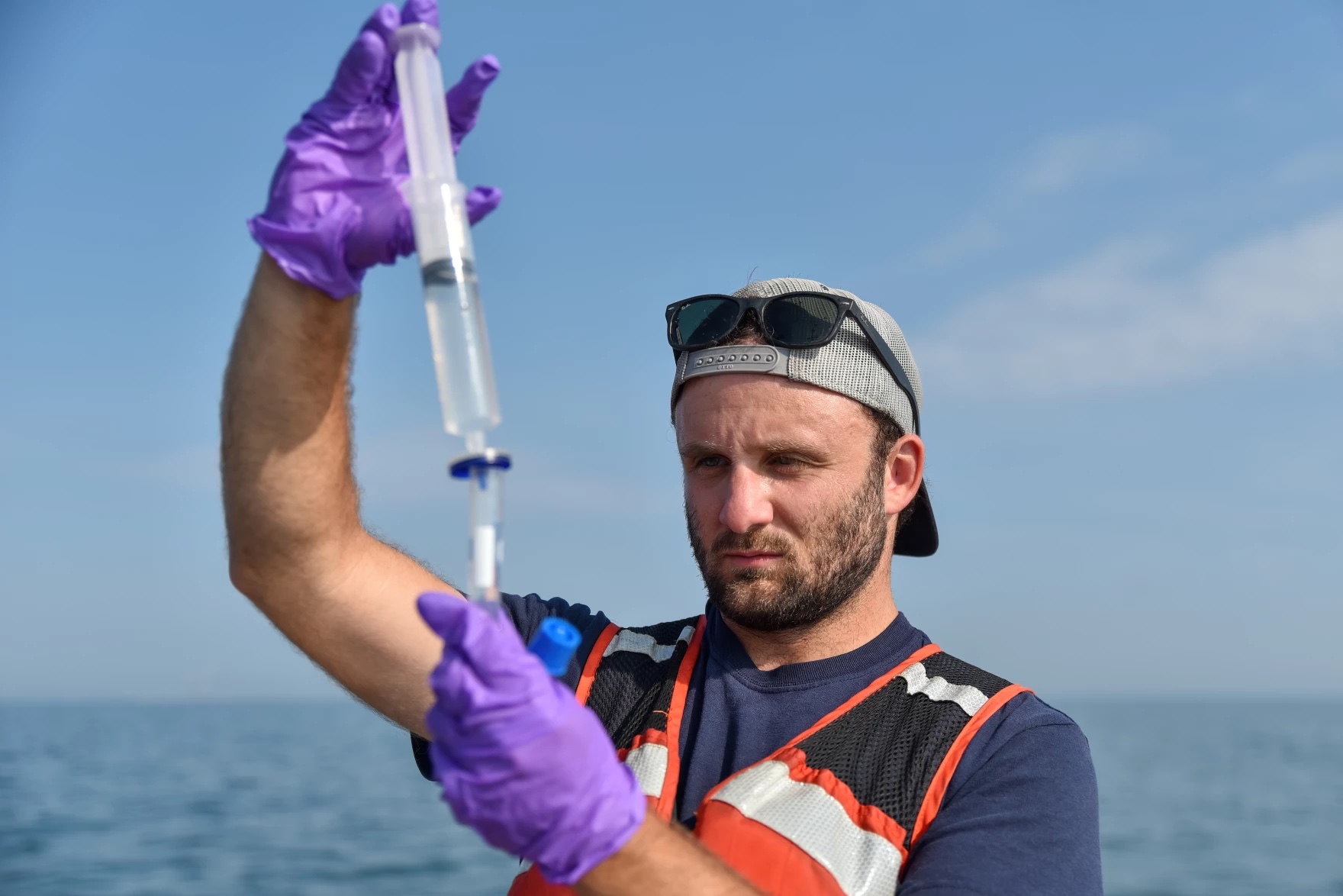
Toxins from cyanobacterial blooms can be airborne, but the threat to public health is unclear

Researchers are studying how much of cyanobacterial toxins become airborne. They say breathing in the toxins is much worse than ingesting them.
Posted inAlgae Blooms, Great Lakes News Collaborative, Lake Erie, Latest News, Michigan, News, Region, Research, Data and Technology, Science, Technology & Research, Water Quality
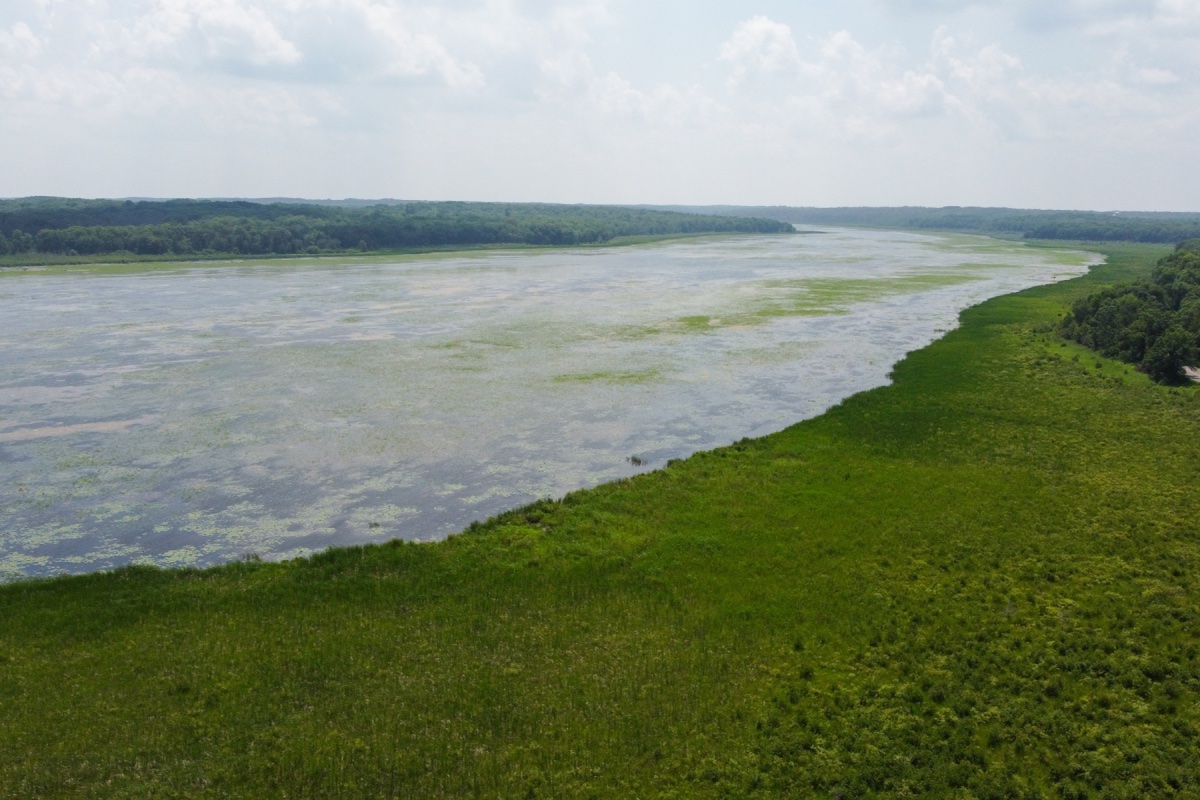
Scientists are learning just how complicated it will be to reduce toxic blooms in Lake Erie
Two decades of study reveals a complex combination of factors causing large cyanobacterial blooms and their toxicity. Government incentives to reduce nutrient pollution from farms have not been enough to solve the problem so far.
Posted inClimate, Culture, Forests and Plants, Indigenous Communities, Latest News, Minnesota, News, Region, Research, Data and Technology, Science, Technology & Research
Survival of wild rice threatened by climate change, increased rainfall in northern Minnesota

Wild rice is an aquatic grass that thrives in shallow waters, and serves as a sacred “mashkiki,” or medicine, to the Ojibwe.
Posted inAbout Great Lakes Now, Fish, Birds and Animals, I Speak for the Fish, Latest News, Michigan, News, Ontario, Region, Science, Technology & Research, Who We Are and What We Do
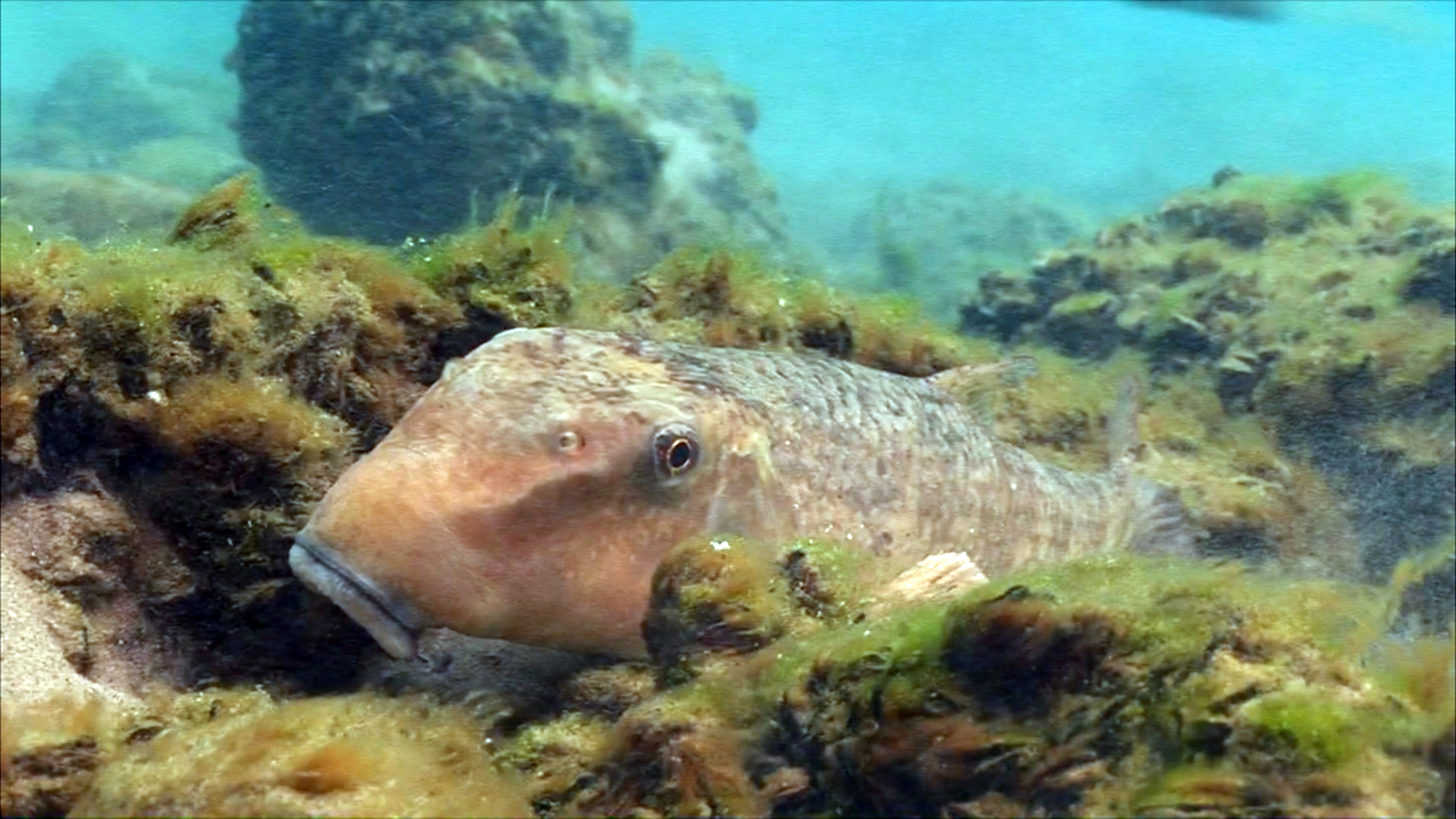
I Speak for the Fish: Giddy up sucker

I’m a sucker for a cute sucker, but it’s a small fan club.
Posted inAbout Great Lakes Now, Featured, Latest News, Michigan, News, Region, Water Quality, Who We Are and What We Do
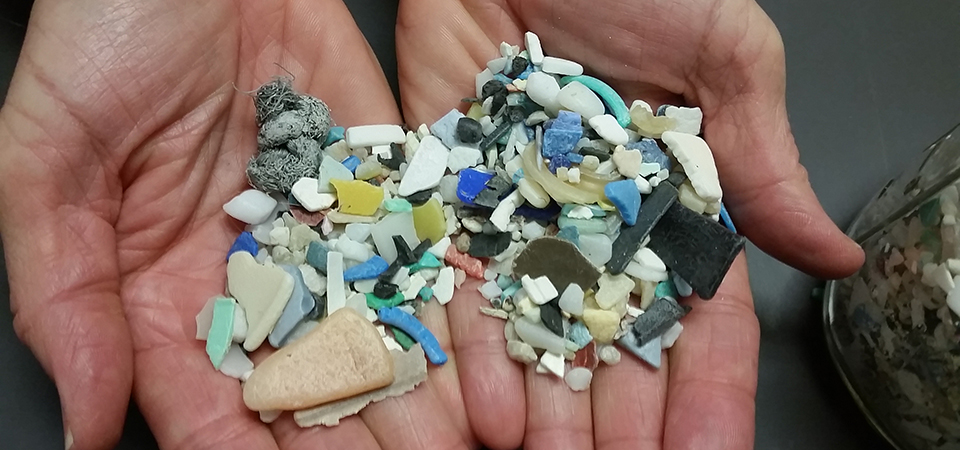
Great Lakes microplastics concentrations exceed safe levels for wildlife
At the levels surveyed, researchers say fish and other aquatic wildlife are at risk of ingesting enough microplastics to fill their guts, diluting their regular food and its nutritional value.
Posted inClimate, Latest News, Michigan, News, Politics, Region, Science, Technology & Research
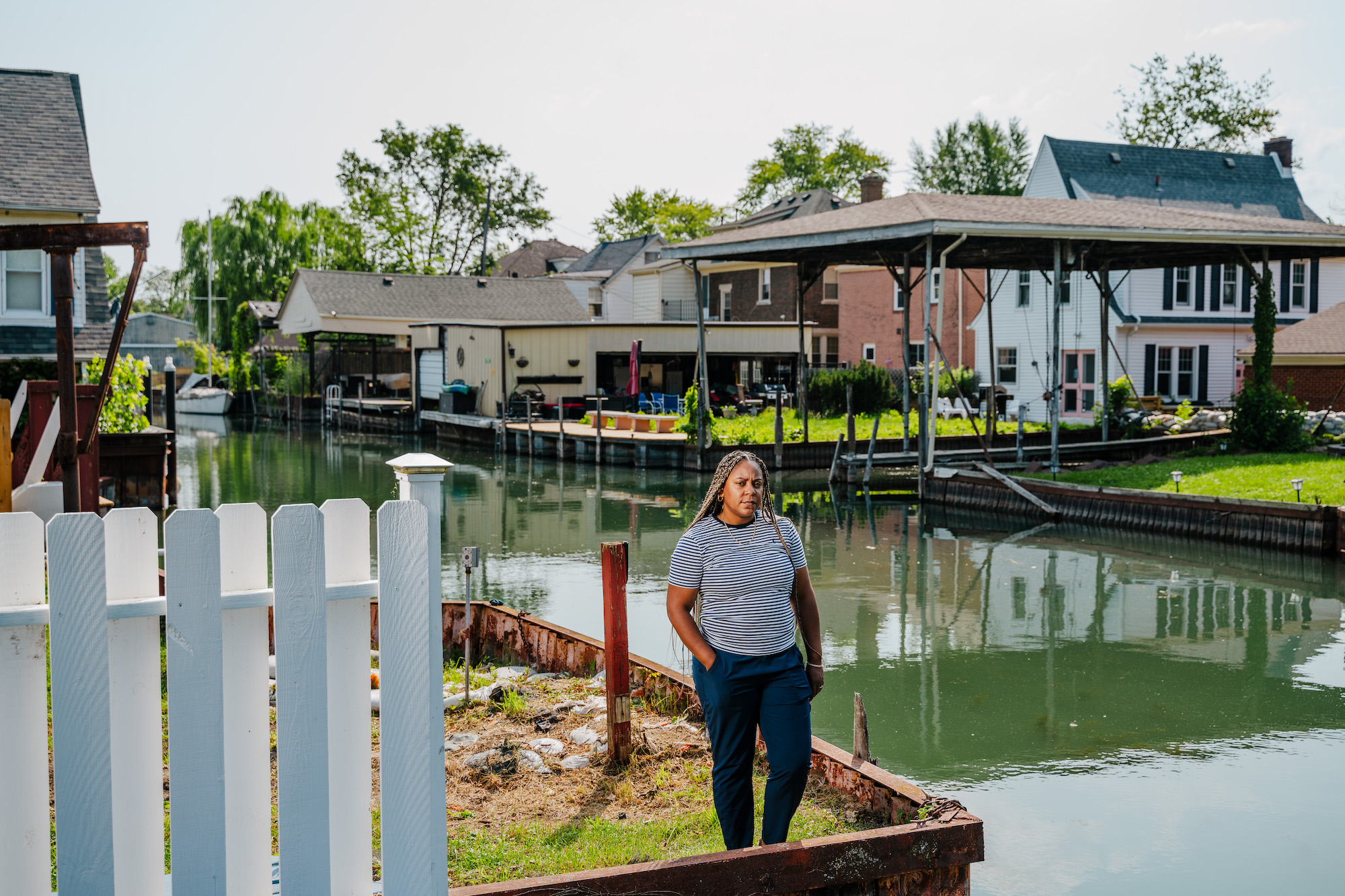
Climate costs imperil Detroit’s unique, diverse Jefferson Chalmers neighborhood

“Climate gentrification” in cities like New Orleans and Miami has seen wealthier and whiter residents displace low-income residents and people of color in less flood-prone areas. But in Jefferson Chalmers, climate gentrification could mean that those with the resources to manage the risks and expense of living in a floodplain may replace those without them.