

Richard B. (Ricky) Rood, University of Michigan
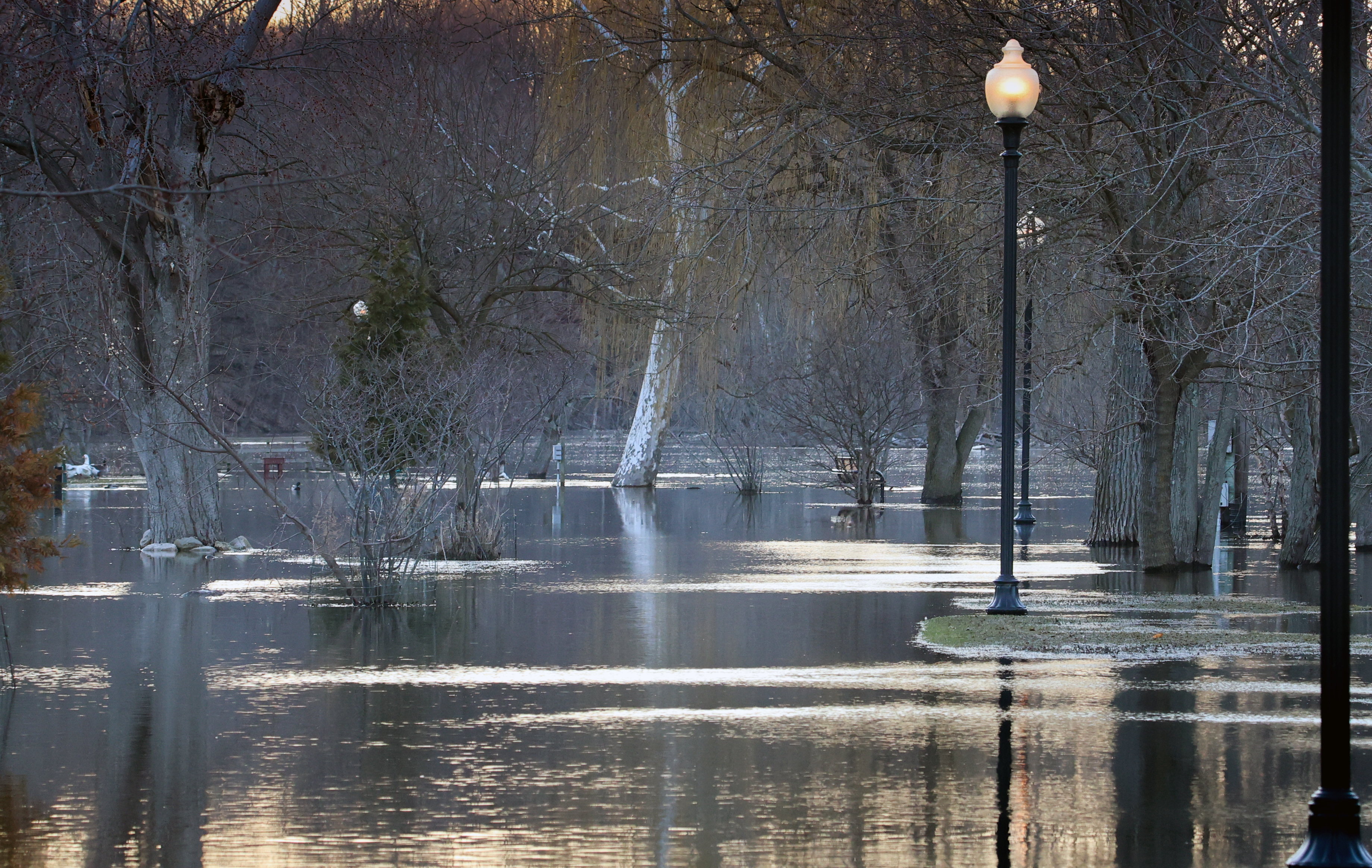
Michigan and parts of Wisconsin are in the midst of a historic flooding event in spring 2026. Days of heavy rainfall on top of snow have sent lakes and rivers over their banks and threatened several dams in both states, forcing people to evacuate homes downstream. By April 20, 2026, nearly half of Michigan’s counties were under a state of emergency. In Cheboygan, Michigan, large pumps were brought in to lower pressure on a century-old dam in the city.
The region’s aging water infrastructure was never designed for the volume of water it is facing. That’s a troubling sign for the future, with flooding becoming more common as global temperatures rise.
In many areas, the damage has been exacerbated by a culture of building homes and cabins on the shores of inland lakes and along riverine lakes behind small, often privately owned dams. Many of these dams were built over 100 years ago, with some long forgotten.
I am a professor emeritus of meteorology at the University of Michigan whose work focuses on helping communities adapt to climate change. The warming climate is worsening the flood risk, and disasters like the one Michigan is experiencing are setting higher benchmarks for safety as communities plan future infrastructure.
Where is all the water coming from?
For much of Michigan and Wisconsin, as well as northern Illinois, 2026 has been the wettest March and April on record.
In March, much of that precipitation fell as snow, including in an enormous blizzard that brought 3 feet of snow to parts of Michigan. In mid-April, persistent rains began. The rain, on top of all that snow, sent floodwaters running into rivers, streets and homes. The water carries large amounts of ice that damages shores, infrastructure and homes.
The moisture for much of these storms has been funneled northward from the warm Gulf of Mexico, thanks in part to a high pressure system sitting over the southeastern U.S.
The problem of warming winters
The kind of flooding Michigan and Wisconsin are experiencing in 2026 is what forecasters expect to see more of as global temperatures rise.
Winters have been warming faster than other seasons across the U.S. In Michigan and Wisconsin, winter months used to be reliably below freezing, but that’s changing. In the Cheboygan area, near the tip of Lower Michigan, March temperatures used to be below freezing on all but a few days. By the 1991-2020 period, the region averaged 10 days above or close to the freezing point – about twice as many as the 1951-1980 period.
The air coming in from the south is also warmer than in the past. Nationally, 2026 was the warmest March on record in 132 years of record-keeping in the contiguous U.S., with an average temperature more than 9 degrees Fahrenheit (5 degrees Celsius) higher than the 30-year average. So, in addition to snowmelt starting earlier, melting is happening faster.
Michigan’s average wintertime temperature rose by more than 4 F (2.3 C) from 1951 to 2023. Though winter 2026 in Michigan was colder than the 1991-2020 average, the Gulf of Mexico, where the moisture originated, was warmer than average, accelerating the snowmelt.
How warming leads to downpours and flooding
A few aspects of a warming climate can lead to flooding.
First, temperatures are increasing. In higher temperatures, moisture evaporates faster from the ground, plants and surface water. That moisture, once in the atmosphere, eventually falls again as precipitation. However, for each degree Celsius that temperatures increase, the atmosphere can hold about 7% more moisture, resulting in more heavy downpours.
A warmer winter also means more melting snow and more rain-on-snow events that can quickly increase the amount of runoff into rivers.
The Great Lakes region and much of the Northeast already experience more precipitation than in the past. Winters with more persistent wetness – not just snow but also rain – prime the region for floods. With continued warming in the coming decades, 2026 might be among the least disruptive in the future.
Data shows that a scenario of persistent wetness, changes in winter and seasonal runoff is part of the future for Michigan and the other states and Canadian provinces along the Great Lakes Basin, as well as New England.
Fixing dams for the future
All of this means communities across the region will have to pay closer attention to the growing risks facing their vital infrastructure – particularly dams.
Even prior to the 2026 floods, Michigan had a well-documented problem with its aging inventory of 2,600 dams. In May 2020, an intense storm system that stalled over the region brought so much rain that the Edenville and Sanford dams both failed near Midland, Michigan, forcing 10,000 people to evacuate and causing an estimated US$200 million in damage.
After that disaster, a state task force issued recommendations for fixing the state’s water control infrastructure to meet the growing risks. But a member of the task force told The Detroit News in April 2026 that little had been done to address those recommendations.
Michigan and parts of Wisconsin are in the midst of a historic flooding event in spring 2026. Days of heavy rainfall on top of snow have sent lakes and rivers over their banks and threatened several dams in both states, forcing people to evacuate homes downstream. By April 20, 2026, nearly half of Michigan’s counties were under a state of emergency. In Cheboygan, Michigan, large pumps were brought in to lower pressure on a century-old dam in the city.
The region’s aging water infrastructure was never designed for the volume of water it is facing. That’s a troubling sign for the future, with flooding becoming more common as global temperatures rise.
In many areas, the damage has been exacerbated by a culture of building homes and cabins on the shores of inland lakes and along riverine lakes behind small, often privately owned dams. Many of these dams were built over 100 years ago, with some long forgotten.
https://www.youtube.com/embed/ik4S2Kgn9ak?wmode=transparent&start=0 Michigan State Police captured scenes of stressed dams and flooding across Cheboygan County, near the tip of the Lower Peninsula, including the century-old dam in the city of Cheboygan that was nearly overwhelmed by flood water.
I am a professor emeritus of meteorology at the University of Michigan whose work focuses on helping communities adapt to climate change. The warming climate is worsening the flood risk, and disasters like the one Michigan is experiencing are setting higher benchmarks for safety as communities plan future infrastructure.
Where is all the water coming from?
For much of Michigan and Wisconsin, as well as northern Illinois, 2026 has been the wettest March and April on record.
In March, much of that precipitation fell as snow, including in an enormous blizzard that brought 3 feet of snow to parts of Michigan. In mid-April, persistent rains began. The rain, on top of all that snow, sent floodwaters running into rivers, streets and homes. The water carries large amounts of ice that damages shores, infrastructure and homes.
The moisture for much of these storms has been funneled northward from the warm Gulf of Mexico, thanks in part to a high pressure system sitting over the southeastern U.S.
The problem of warming winters
The kind of flooding Michigan and Wisconsin are experiencing in 2026 is what forecasters expect to see more of as global temperatures rise.
Winters have been warming faster than other seasons across the U.S. In Michigan and Wisconsin, winter months used to be reliably below freezing, but that’s changing. In the Cheboygan area, near the tip of Lower Michigan, March temperatures used to be below freezing on all but a few days. By the 1991-2020 period, the region averaged 10 days above or close to the freezing point – about twice as many as the 1951-1980 period.
The air coming in from the south is also warmer than in the past. Nationally, 2026 was the warmest March on record in 132 years of record-keeping in the contiguous U.S., with an average temperature more than 9 degrees Fahrenheit (5 degrees Celsius) higher than the 30-year average. So, in addition to snowmelt starting earlier, melting is happening faster.
Michigan’s average wintertime temperature rose by more than 4 F (2.3 C) from 1951 to 2023. Though winter 2026 in Michigan was colder than the 1991-2020 average, the Gulf of Mexico, where the moisture originated, was warmer than average, accelerating the snowmelt.
How warming leads to downpours and flooding
A few aspects of a warming climate can lead to flooding.
First, temperatures are increasing. In higher temperatures, moisture evaporates faster from the ground, plants and surface water. That moisture, once in the atmosphere, eventually falls again as precipitation. However, for each degree Celsius that temperatures increase, the atmosphere can hold about 7% more moisture, resulting in more heavy downpours.
A warmer winter also means more melting snow and more rain-on-snow events that can quickly increase the amount of runoff into rivers.
The Great Lakes region and much of the Northeast already experience more precipitation than in the past. Winters with more persistent wetness – not just snow but also rain – prime the region for floods. With continued warming in the coming decades, 2026 might be among the least disruptive in the future.
Data shows that a scenario of persistent wetness, changes in winter and seasonal runoff is part of the future for Michigan and the other states and Canadian provinces along the Great Lakes Basin, as well as New England.
Fixing dams for the future
All of this means communities across the region will have to pay closer attention to the growing risks facing their vital infrastructure – particularly dams.
Even prior to the 2026 floods, Michigan had a well-documented problem with its aging inventory of 2,600 dams. In May 2020, an intense storm system that stalled over the region brought so much rain that the Edenville and Sanford dams both failed near Midland, Michigan, forcing 10,000 people to evacuate and causing an estimated US$200 million in damage.
After that disaster, a state task force issued recommendations for fixing the state’s water control infrastructure to meet the growing risks. But a member of the task force told The Detroit News in April 2026 that little had been done to address those recommendations.
Because warming will continue for the coming decades, the 2026 flooding should be considered at the lower end of capacity for stormwater infrastructure and dams. Rather than relying on the statistics that described floods in the past, planners will have to anticipate the floods of the future.
Michigan is often touted as a climate haven because it is relatively cool and has plenty of water. The state is not, however, immune to the amped-up weather of a warming climate. Environmental security in the future requires improved and more adaptive infrastructure.