

On this episode of Great Lakes Now, explore a project on a Michigan river that keeps undesirable fish away. Then take a canoe out onto the Au Sable River to harvest wild rice. Plus, see what a drifting buoy revealed about winter on the lakes.
Great Lakes Now first reported on this story in 2020. Contributor Kathy Johnson visited the site to get an update on the construction progress which began in 2024 and will be completed in 2026.
Reconnecting the Boardman/Ottaway River in Traverse City, MI with Lake Michigan has taken over two decades of planning. One of the key concerns for residents, researchers and Native communities was finding a way to allow native species to move freely between the river and the lake while at the same time blocking access to the river for non-native fish and invasive species.
To achieve this goal, the project team would need to develop some type of selection technology to enable them to sort the fish. The project’s lead engineer turned to the recycling industry for ideas. Recycling facilities use an assortment of technologies to separate all shapes and sizes of materials. And the project’s leaders determined that similar technology could be developed to sort fish.
FishPass is a complete barrier that will have the ability to sort and selectively pass desirable fish while blocking harmful invasive species. Researchers from around the world have contributed to the fish sorting technologies being implemented and there is a waitlist of researchers interested in using FishPass to develop more.
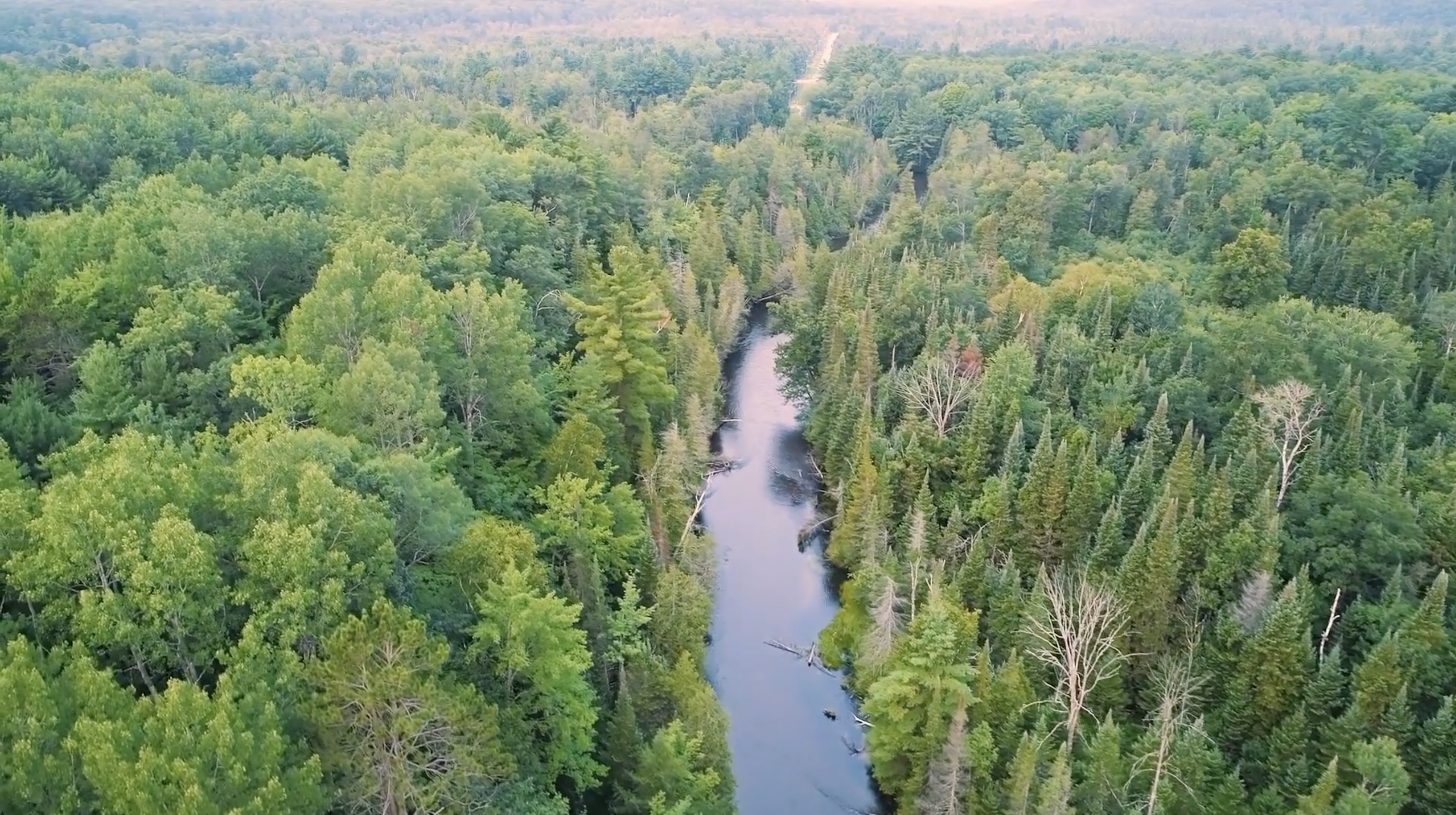
Manoomin—or wild rice—once grew abundantly throughout the Great Lakes region. It’s an important cultural food for the native Anishinaabe tribes and was recently named as Michigan’s official native grain. But over the last century, its existence has been threatened by the construction of dams and other environmental pressure. Today, there’s an effort to bring it back.
One Detroit producer and BridgeDetroit reporter Jena Brooker took a trip to Michigan’s Au Sable River to learn how manoomin is harvested and prepared.
This story was produced in collaboration with One Detroit and BridgeDetroit.
A breakaway buoy gave researchers a glimpse into how the lakes behave in the winter.
As a response to the sinking of the Edmund Fitzgerald, a network of buoys was established to give freighter captains, fishing boats, and researchers real-time data about wave and wind conditions on the Great Lakes.
This data is especially valuable in the winter, when ice, waves, and high winds make the lakes particularly treacherous. But there’s a problem: those same harsh conditions can destroy the buoys, which means many of them are removed from the water before the winter. But spotter buoys are smaller and more durable, allowing them to be deployed in harsher conditions.
One spotter buoy off the coast of Muskegon, Michigan, broke free from its mooring and drifted almost to the center of Lake Michigan. The data it collected is helping researchers better understand how the lakes behave during the winter.