

IN THIS EPISODE:
On this episode of Great Lakes Now: What can we learn by eavesdropping on forests? A global project based in Wisconsin has been finding out. Then, GLN host Anna Sysling heads to Lake Superior for a fishing trip with Michigan Out of Doors. And we ask: should nature have legal rights?
When to Watch?
Check your local station for when Great Lakes Now is on in your area.
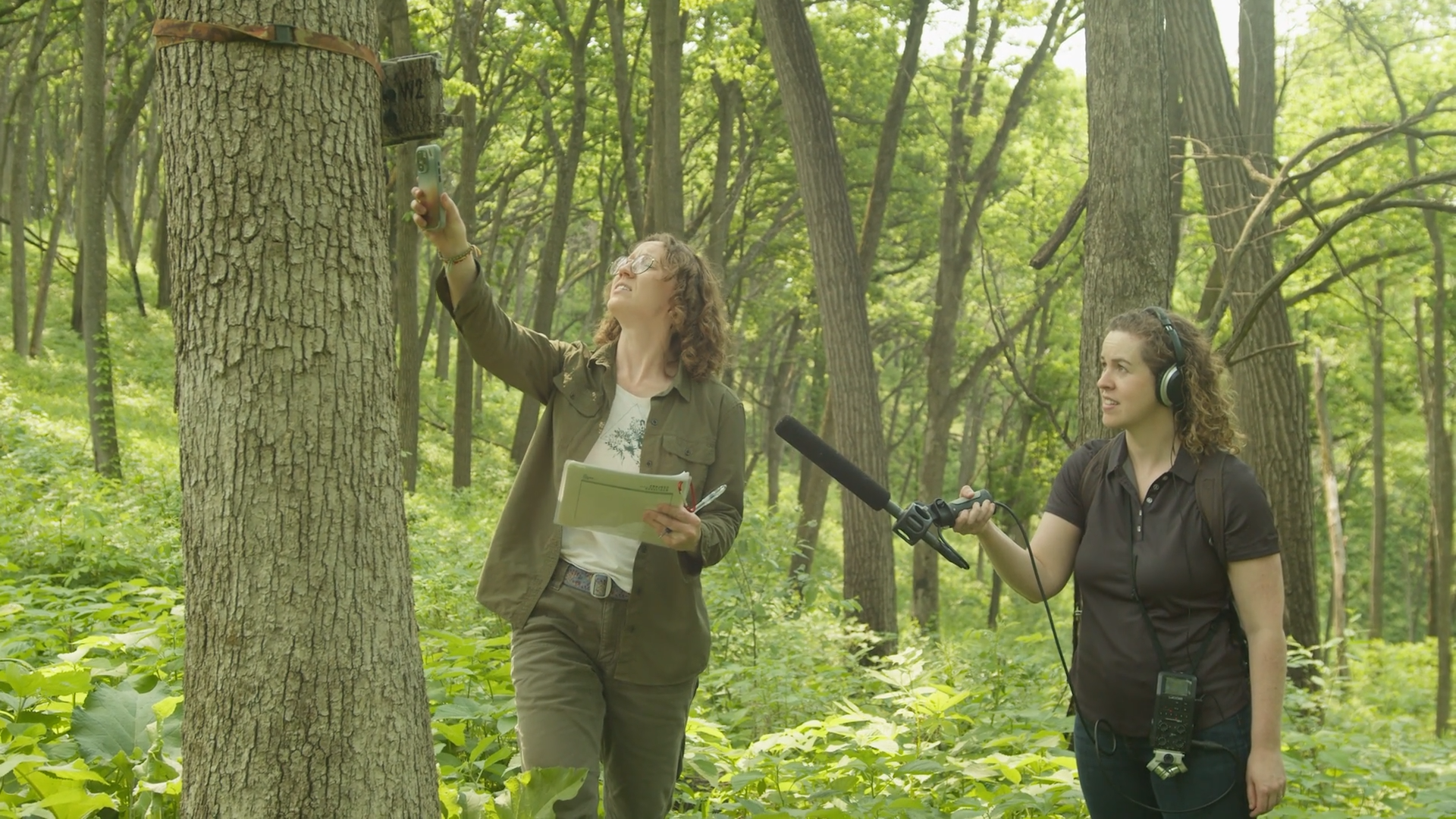
These scientists are eavesdropping on forests
SEGMENT 1 | MADISON, WI; THE BARABOO HILLS, WI
For over a year, the Soundscape Baselines Project has been capturing the natural sounds of forests around the world. Based in the University of Wisconsin-Madison, this effort is led by Zuzana Burivalova’s Sound Forest Lab and aims to record the unique soundscapes of diverse forest types. By planting microphones that listen 24/7, the project creates a crucial baseline for future researchers to track how these ecosystems are changing over time.
Working with a global network of scientists and local communities, the team has installed recording devices in six forests around the world. One of these is Wisconsin’s Baraboo Hills, an ecologically unique region in the Midwest. The recordings capture every chirp, croak, buzz, and song, offering a living portrait of these ecosystems. Already, these recordings are being used to explore the positive and negative effects of human interactions on the environment.
This story was produced in collaboration with Wisconsin Public Radio.
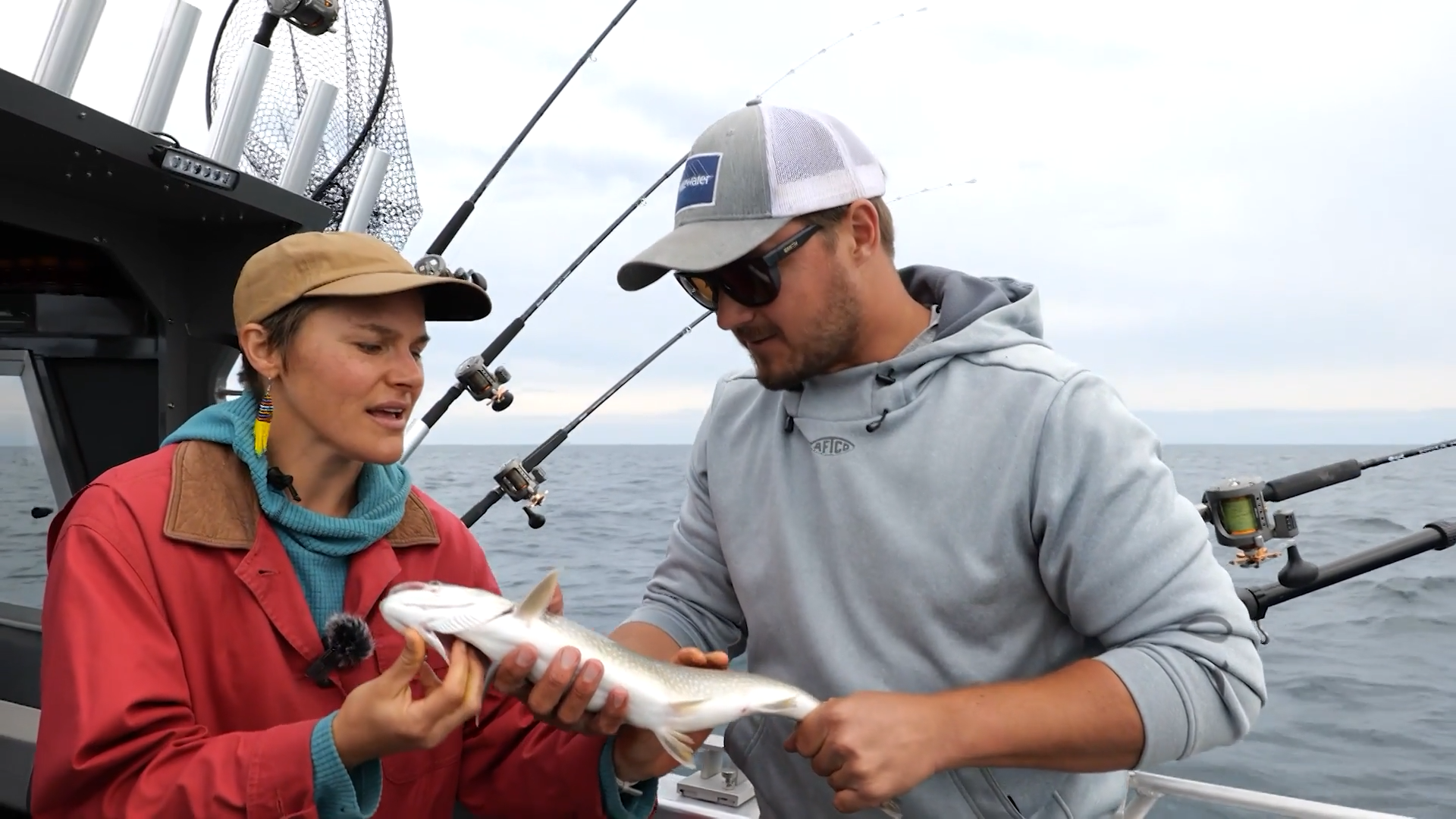
Fishing for lake trout off the Keweenaw Peninsula
SEGMENT 2 | LAKE SUPERIOR
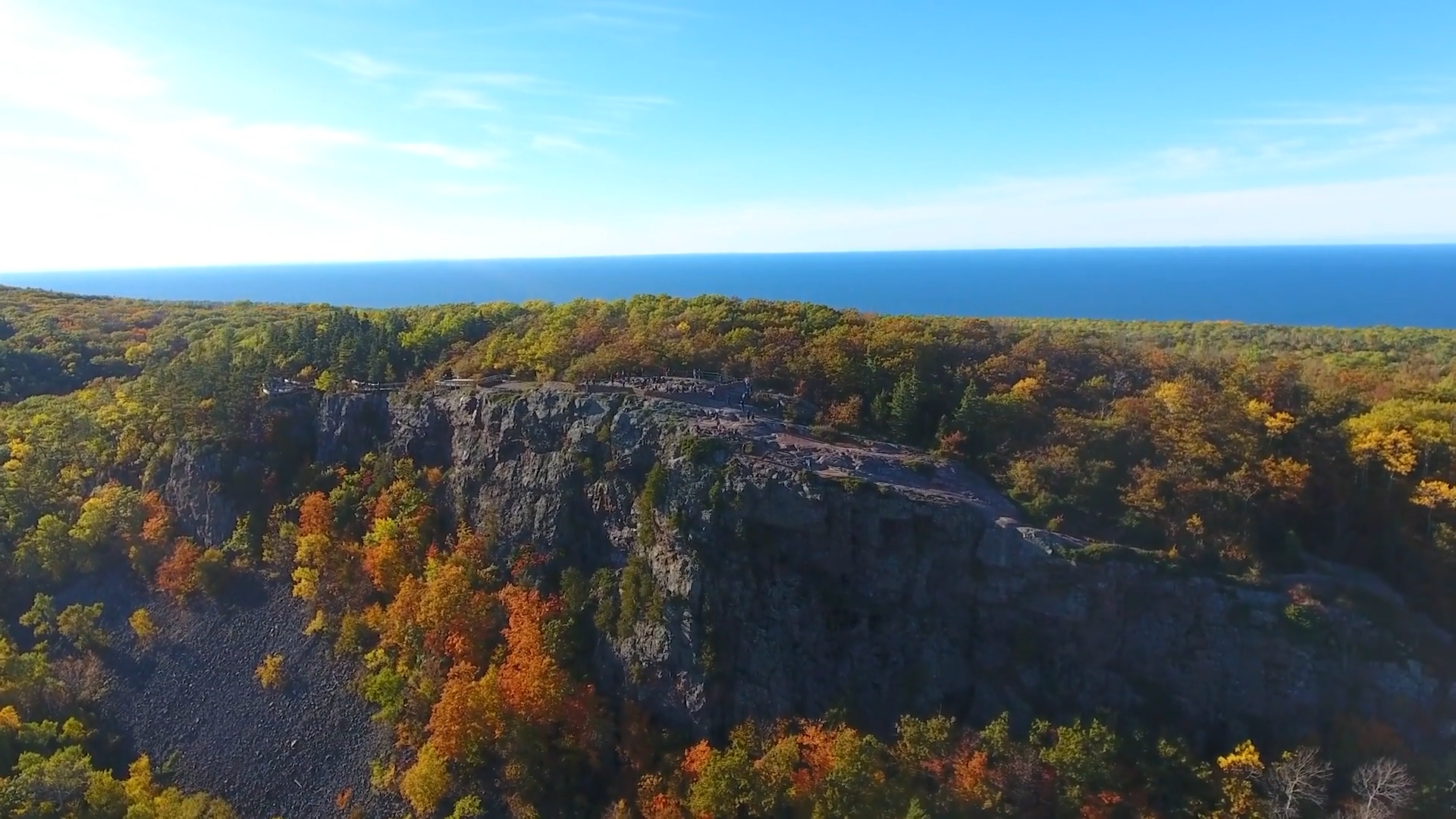
Should the lakes have rights?
SEGMENT 3 | TOLEDO, OH
When we think about who has rights under the law, we usually think about people or organizations. But what about nature?
A growing movement argues that, just like people, natural resources should have guaranteed rights, including the rights to be protected and preserved. The Rights of Nature movement has inspired legislation to grant those rights to the Great Lakes. In Toledo, Ohio, voters approved a Lake Erie Bill of Rights that was later struck down by a federal judge. In New York, Assemblyman Patrick Burke has introduced legislation to protect lakes Erie and Ontario.
At the same time, Indigenous communities have long recognized these rights, inspiring a shift in how we interact with our environment. Professor Angelique EagleWoman explains how tribal nations incorporate those rights into their laws.
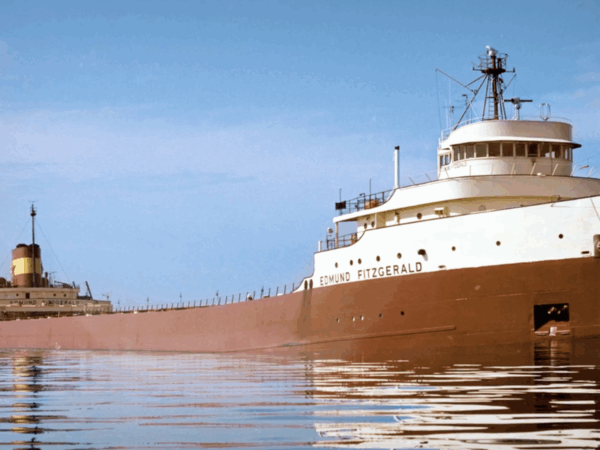
The Fitzgerald’s Legacy and the Power of Tugs
Learn why shipwrecks stopped after the Edmund Fitzgerald and board a century-old tugboat.
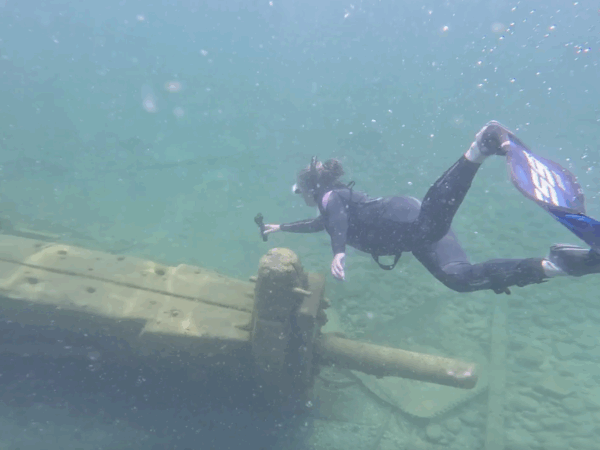
Lost Ships and Newsworthy Trees
Explore shipwreck sanctuaries and a forest that fueled a media empire.
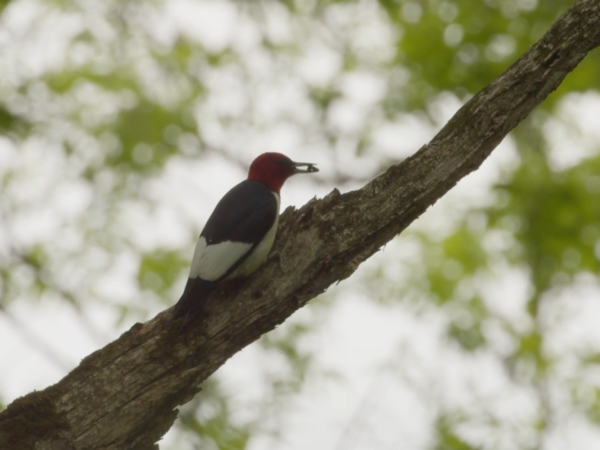
Casting Lines and Listening In
Researchers eavesdrop on forests, fishing for lake trout and the rights of nature.

Rescuing Freighters and Busting Swamps
A freighter takes on water in Lake Superior and a lawsuit over farming on wetlands.
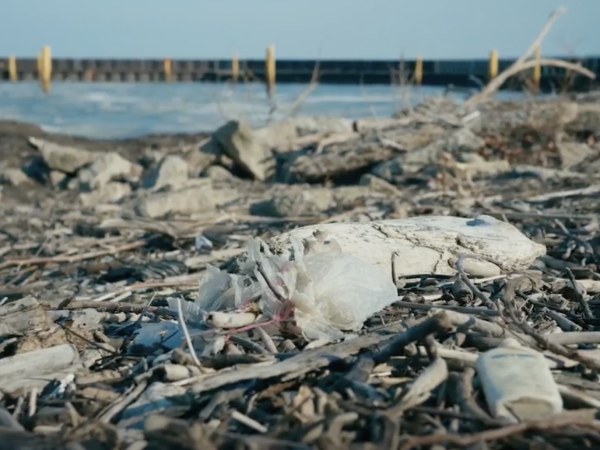
Sturgeon Streams and Plastic Pollution
Restoring a threatened fish species and a look at microplastics in the Great Lakes.
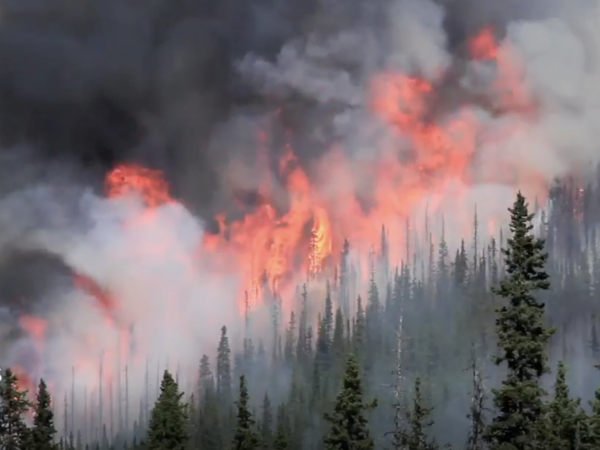
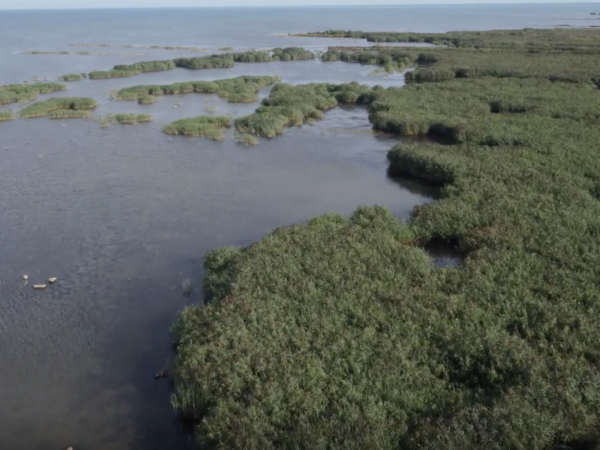
Battling Invaders and Exploring Hidden Habitats
Fighting phragmites, lakebed mapping and the Great Lakes Restoration Initiative.
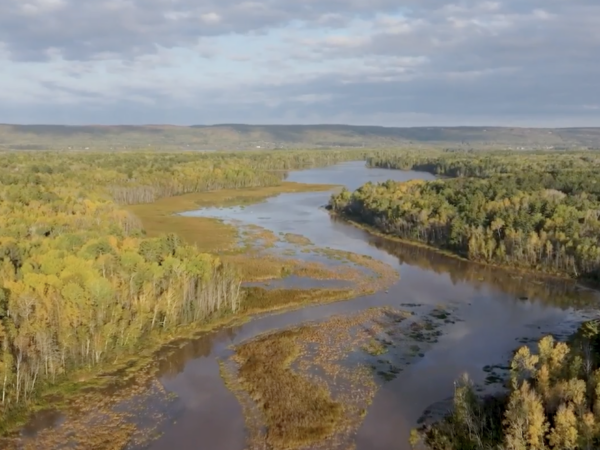
Killer Trees and Sacred Waters
How trees are fighting back against the emerald ash borer and restoring a sacred lake.

Too Many Geese and Not Enough Mussels
Managing Canada geese, saving freshwater mussels, and an Ojibwe lens on the fur trade.
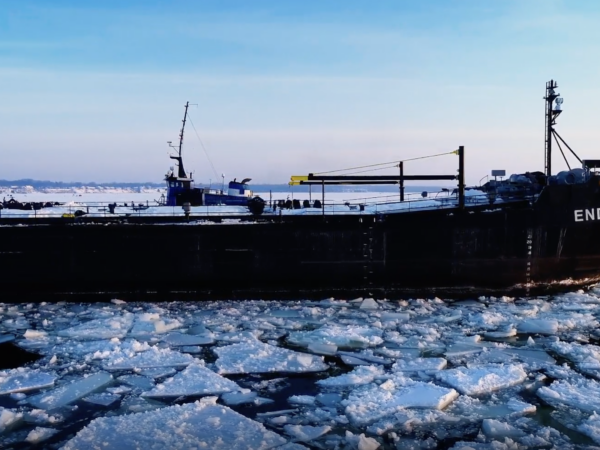
Oil Spills and Buried Rivers
Preparing for a Great Lakes oil spill and a look at buried rivers beneath our feet.
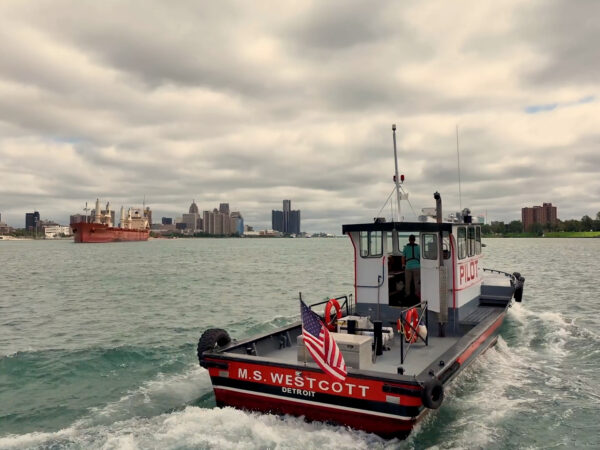
Freighters on the Move
Freighter food, mail delivery, and the life of a Great Lakes freighter pilot.
Deep Dives and Rising Waters
The future of rising lake levels, Great Lakes shipwrecks, and the secret lives of fish.
Old Boats and New Adventures
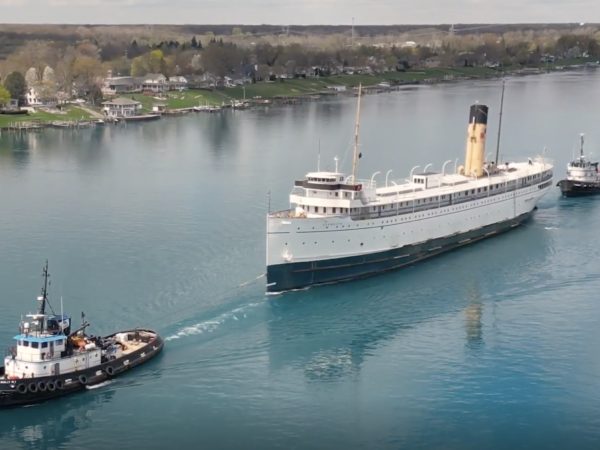
Heritage sailing on Lake Huron and a historic passenger ship returns to its former glory.
Featured Articles
In world of AI, Michigan State University Extension bets on human expertise
For 118 years, Michigan State University Extension has existed to serve the public with programs ranging from canning classes to soil testing and financial literacy workshops. Now, it aims to bill itself as an antidote to online misinformation.
Trump administration moves to weaken federal protections for waterways and wetlands
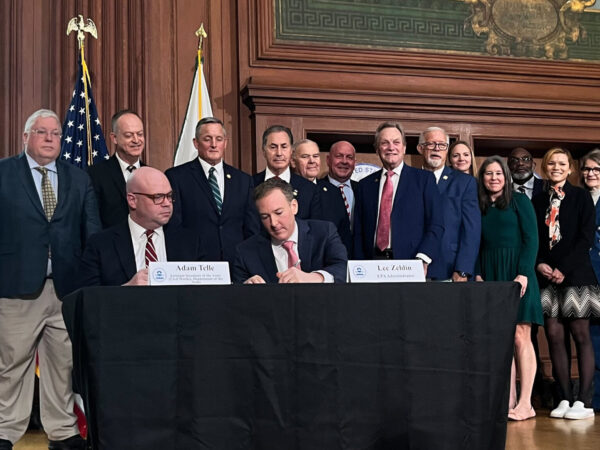
Environmental groups warn the proposal to change the definition of “waters of the United States” would eliminate crucial safeguards for “countless” bodies of water.
$18M approved in bill credits for Pennsylvania customers in ‘forever chemicals’ settlement
More PFAS news with a “cover-up” in Canada’s North Bay, and Wisconsin legislators estimate pollution cleanup could cost several billion dollars.
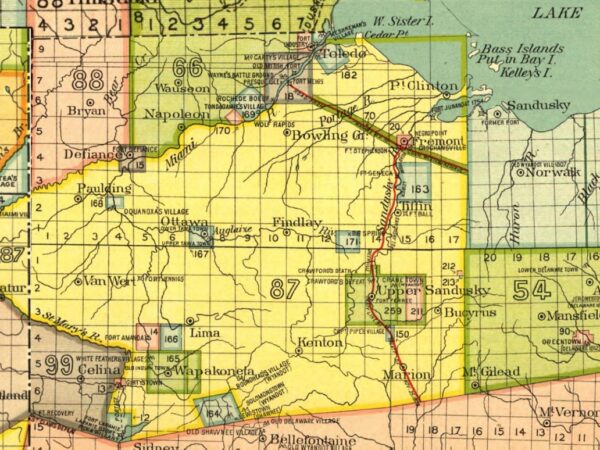
The history of taming the Great Black Swamp
Before farms and suburbs, the Great Black Swamp thrived. Restoring it could help curb Lake Erie’s harmful algal blooms today.
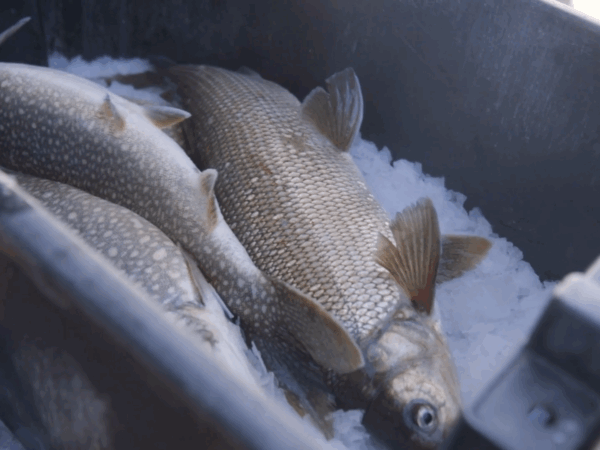
The Fight to Save Lake Whitefish
The race to save whitefish, a restaurant with local flavors and the Erie Canal turns 200.
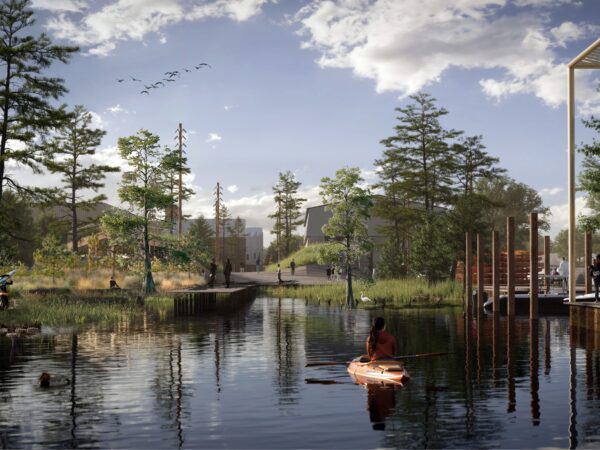
Stanton Yards development merges art, nature on Detroit River, envisions ‘thriving new community destination’
A waterfront extension of Detroit’s Little Village cultural development is planned as a 13-acre public gathering place.
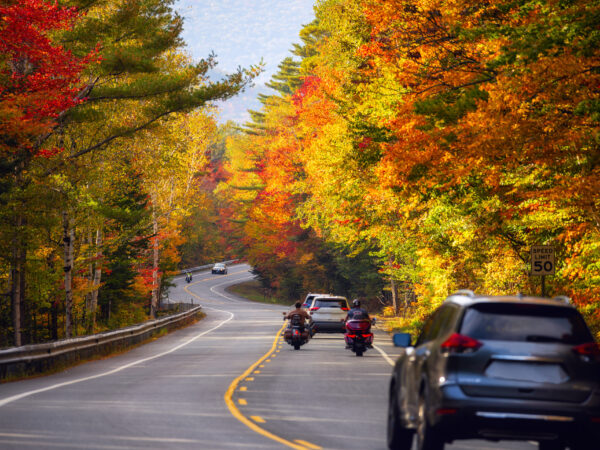
Roads in the Great Lakes region get riskier after daylight saving ends
Darker commutes and seasonal animal patterns make late fall one of the most dangerous times on regional roads.
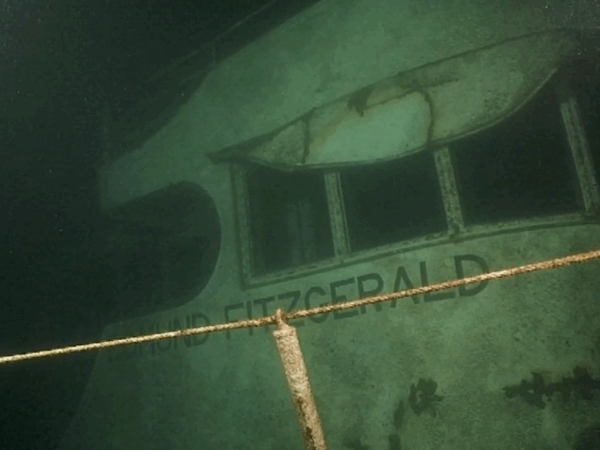
Fifty years later: The little-known story of the families the Fitz left behind
After the Edmund Fitzgerald sank, grieving families faced another storm: unequal insurance payouts, corporate pressure and a legal system stacked against them.
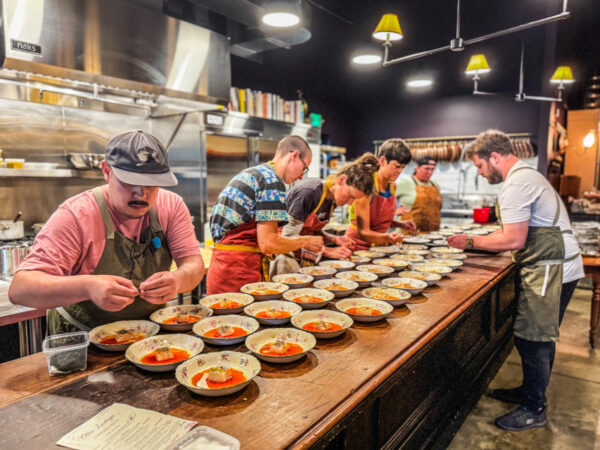
Going Country at Farrand Hall
How a small town dining experience is bringing the farm to the table.
Ontario is subsidizing an energy project in Georgian Bay despite expert advice
An internal memo from Ontario’s electricity system operator outlines concerns with TC Energy’s large pumped storage proposal in Meaford, including cost overruns and an inability to meet short-term energy needs.