
Fighting Fatbergs
SEGMENT 1 | Macomb County, Michigan
In 2019, a 19-ton glob of garbage and waste clogged a southeast Michigan sewer.
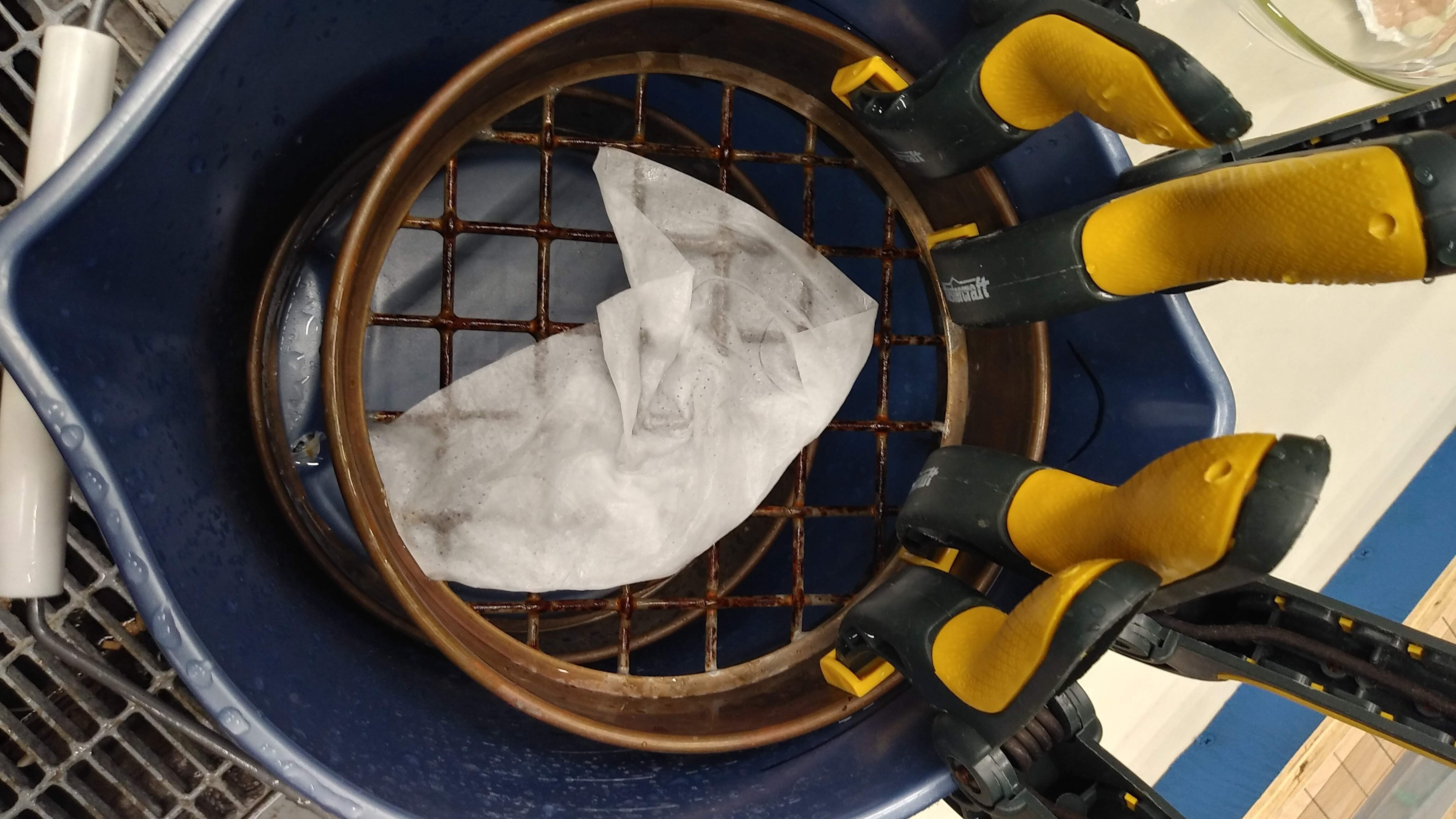
Called a “fatberg,” the blockage was made of fats, oils and greases bound together mainly by disposable wipes. Great Lakes Now introduced you to the Macomb County fatberg in our “Waters Infected” episode last year. Here’s what we said:
It’s a congealed mess of things people have put down their toilets, sinks and drains that should go in the garbage — think wipes, paper towels and hygiene products. … What makes fatbergs such a problem is that if they get big enough, they clog the sewer linked, which can mean raw sewage backing up into basements or leaking into rivers or lakes.
The COVID-19 pandemic has led to a four-fold increase in the number of wipes appearing in the Macomb County system, according to Candice Miller, public works commissioner. Some of those wipes are labeled “flushable,” but research suggests they can cause big problems in sewers.
Wipe-makers disagree, and Miller is suing to keep the word “flushable” off of wipe labels.
The county has filed a lawsuit against wipe manufacturers, as researchers try to determine what’s really “flushable.”
Great Lakes Now Correspondent Will Glover takes you in the sewers, to the research labs and into the dispute that seeks to answer the question, “Can I flush this?”