

By Mackenzie Krumme, Wisconsin Public Radio
This article was republished here with permission from Wisconsin Public Radio.
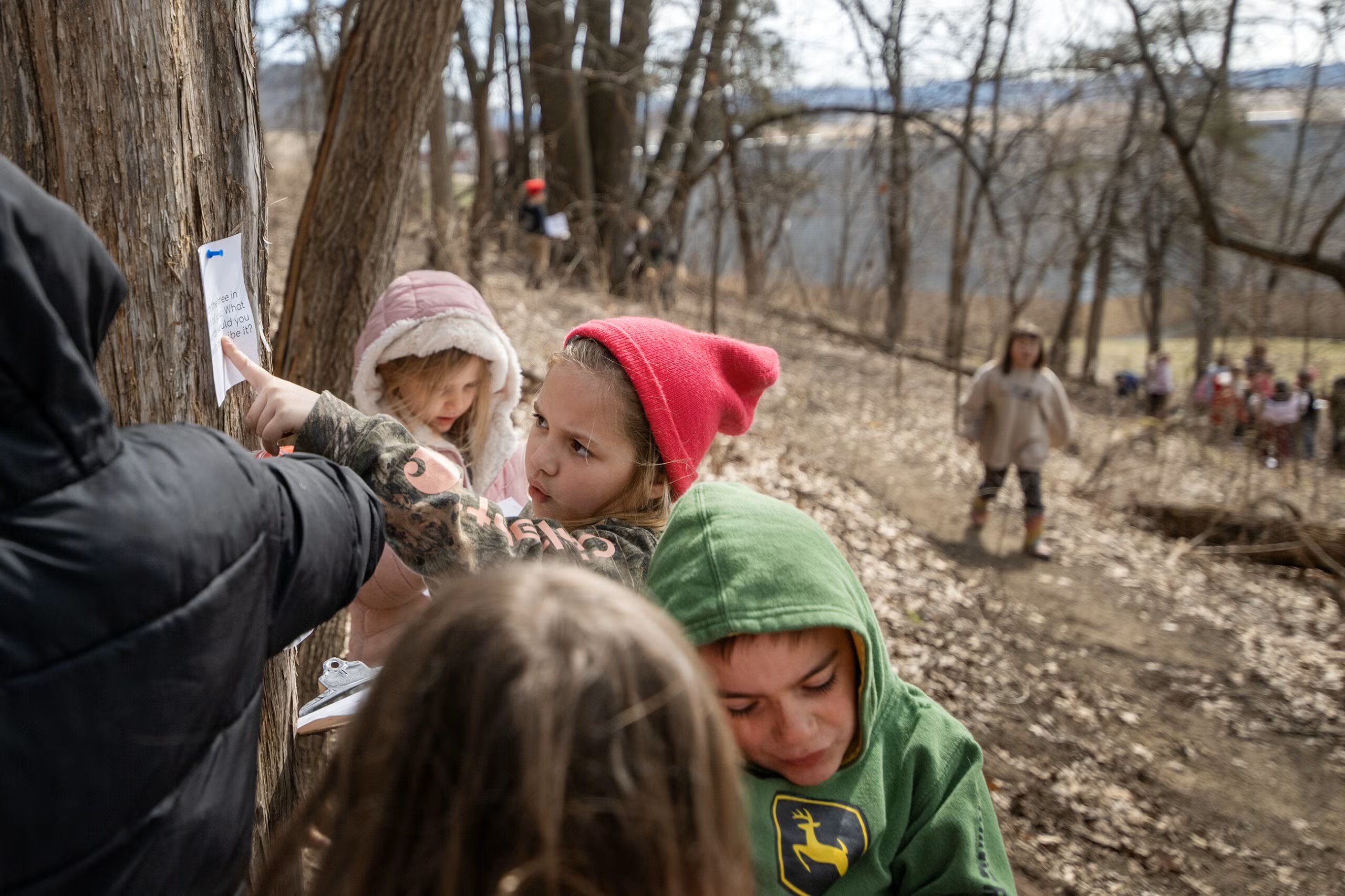
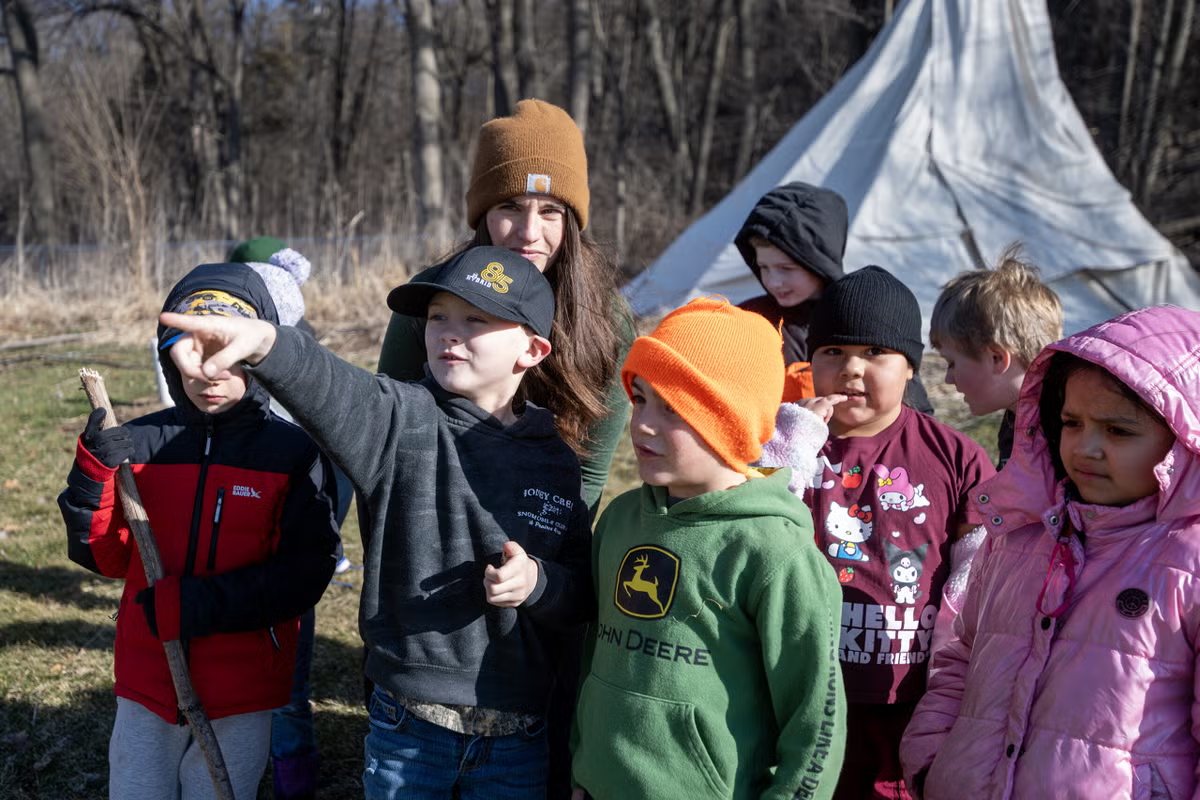
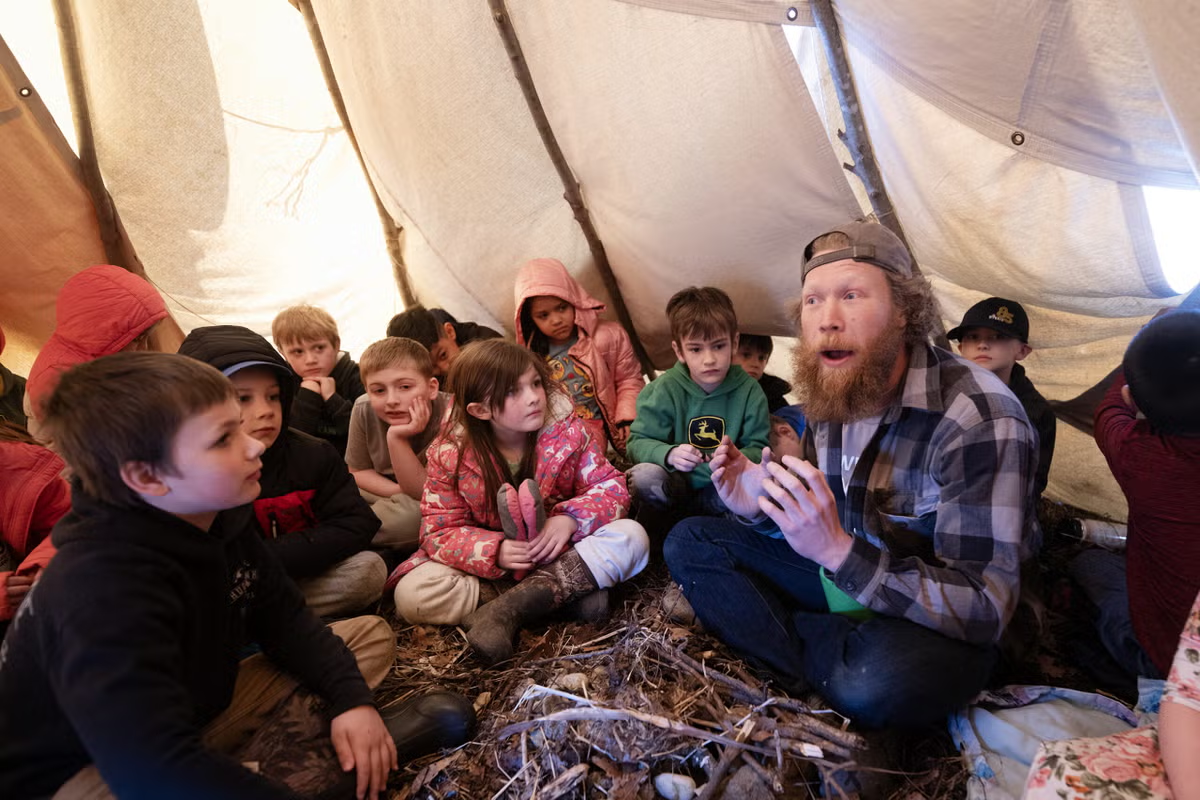
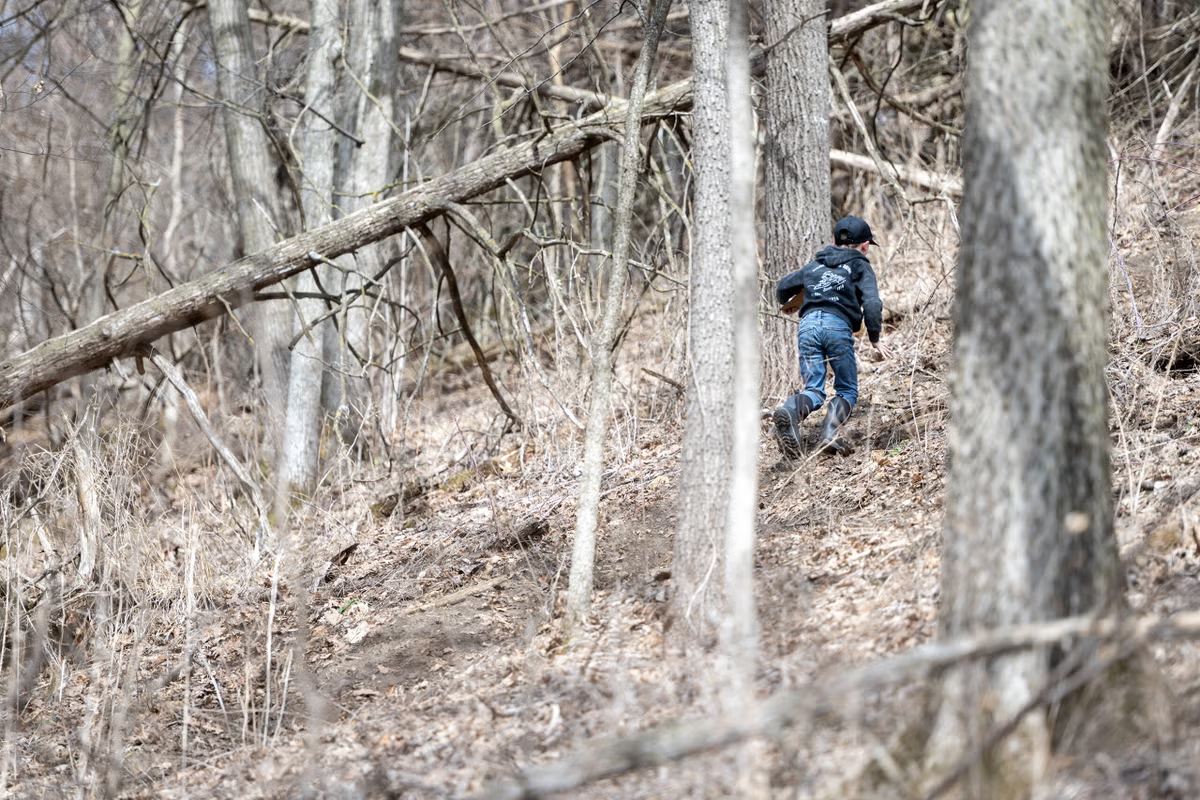
Once a week, first and second graders at Tower Rock Elementary School in Sauk County step into a classroom without walls.
About 25 students, accompanied by three teachers, spend the day in their outdoor classroom tucked into nearby woods with a soaring sculpted bluff — called Tower Rock — in the school’s shadow.
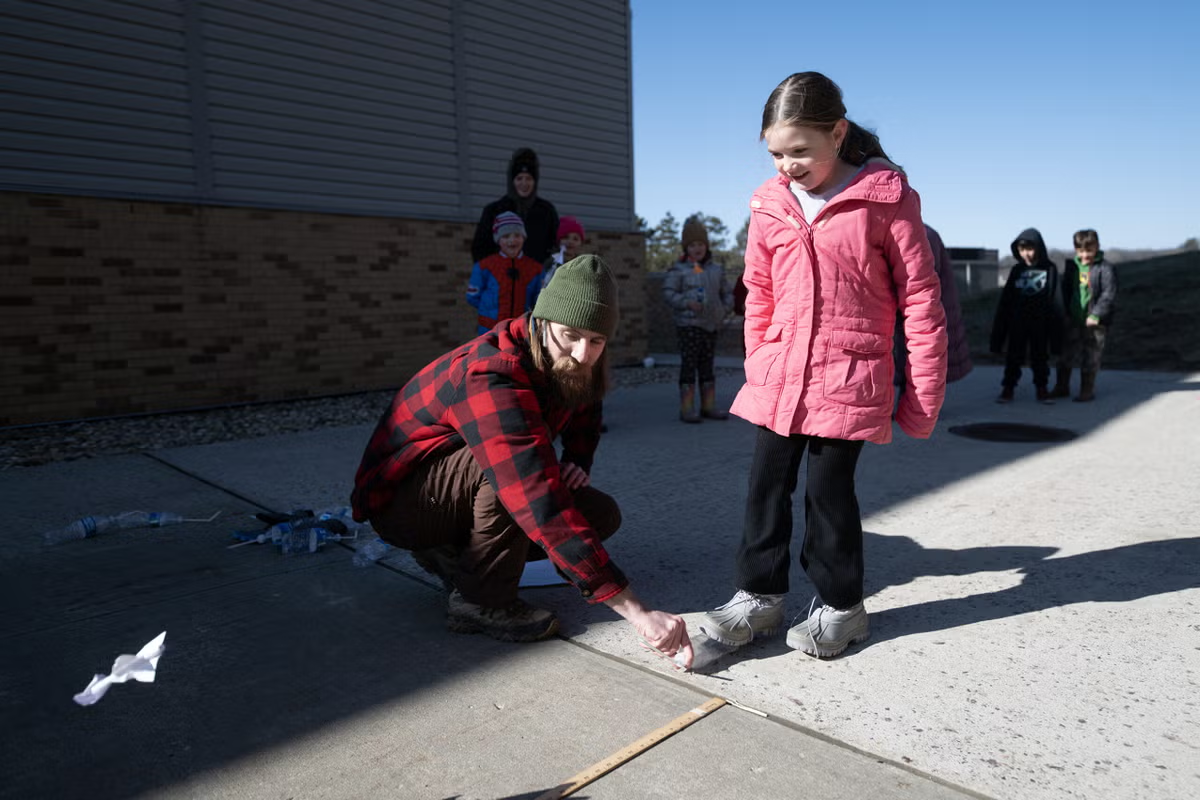
Students follow a science and social studies-based curriculum on topics like insects and space, along with practical lessons like how to dress for the cold.
In March, days before Blizzard Elsa blanketed the state with snow, first graders in the outdoor learning program prepared to blast off to Saturn. In small groups, students rode an imaginary rocket ship, learning about the planets while in their outdoor environment.
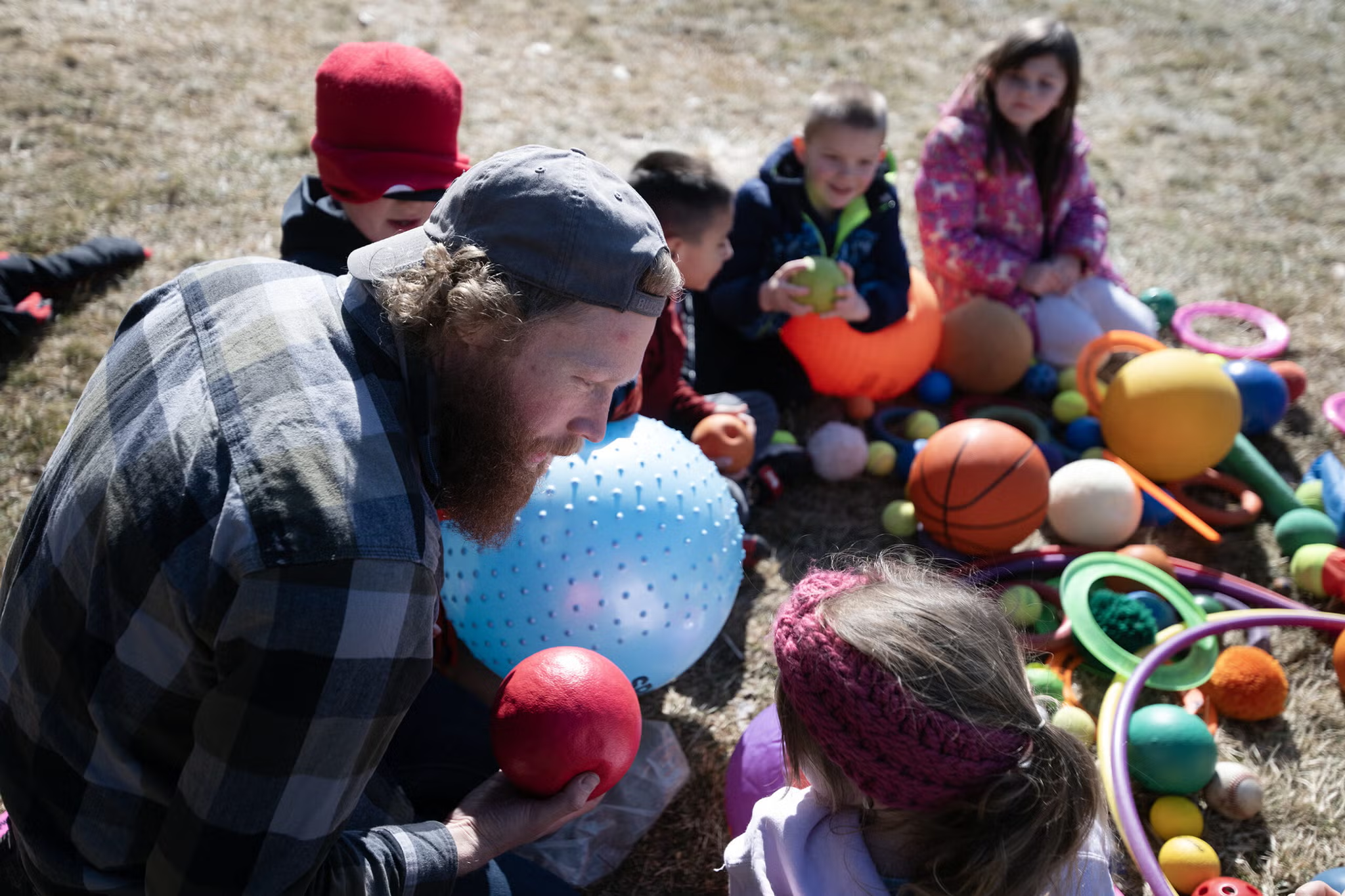
Nature-based education and outdoor classrooms are expanding in Wisconsin and across the country. The concept of teaching outdoors got a boost during the pandemic. But now, according to Natural Start Alliance, there are more than 1,000 nature classroom programs in pre-schools nationwide. That’s up from a few dozen a decade ago.
Teachers at Tower Rock want students to learn about the environment under their feet.
“It’s more than sitting in a classroom and saying, ‘We live in a beautiful area, you should protect it.’” JoAnnah Sorg, a teacher at Tower Rock, told WPR’s “Wisconsin Today.” “We go out there and we’re like, ‘Look at all of this. You want this to be here for your family someday. You want to continue to enjoy this, so we need to work to take care of it.’”
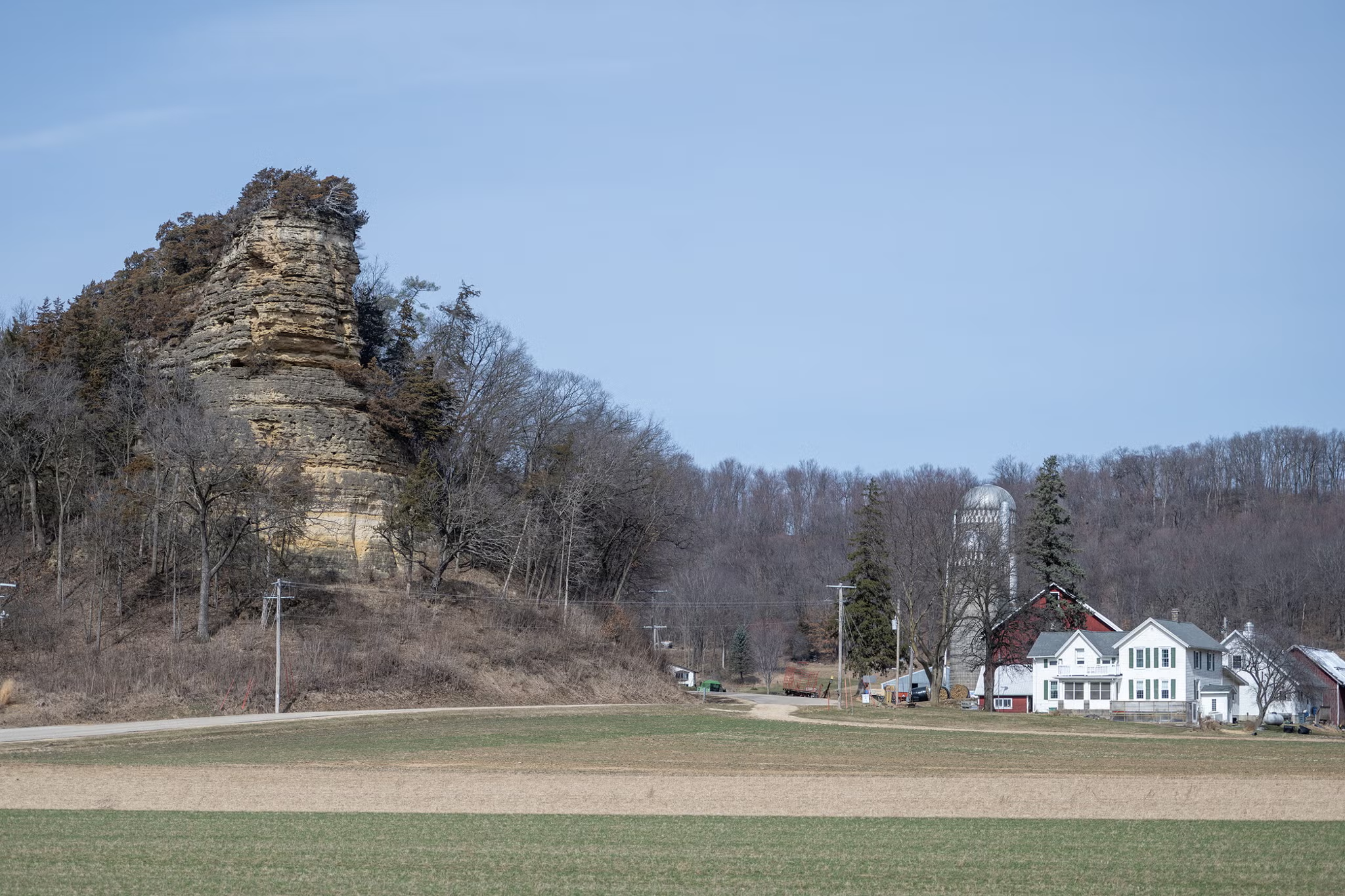
Keeping special places special
According to the state Department of Public Instruction, there are at least 17 schools that have a dedicated outdoor learning day in Wisconsin. Tower Rock, which launched its program in 2021, is one of a handful of public, non-charter schools in Wisconsin with this learning model.
That means all first and second graders who attend Tower Rock participate. There is no waiting list, application or fees. Neurodivergent students and students with disabilities receive accommodations to participate.
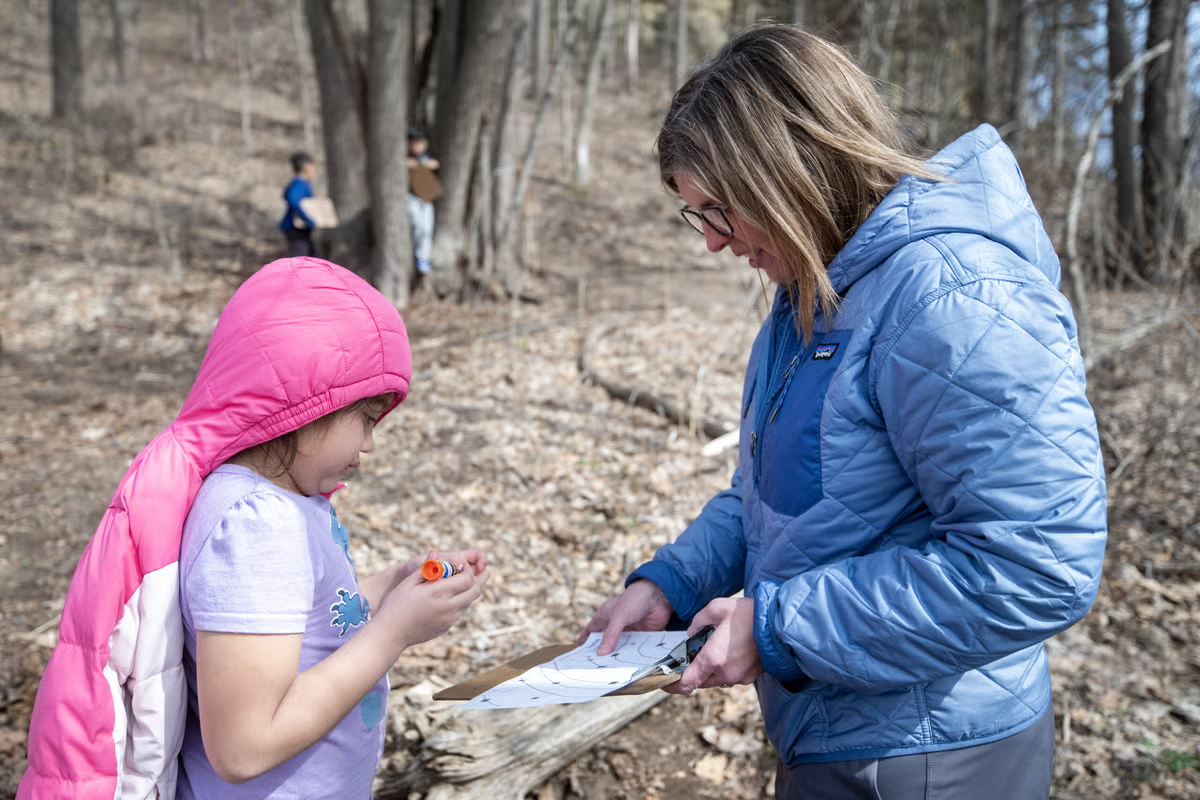
The school only cancels the outdoor program when the windchill factor plummets below zero. But this isn’t recess or free play. Every outdoor learning day is guided by a curriculum with a “place-based learning” model in mind, where educators use the local community and environment as a foundation for study.
Sorg has been at Tower Rock for 15 years. She and two other educators, Dylan Edwards and Angus Mossman, run the program. Together, they build lessons and plan field trips to state parks and protected areas in Sauk County, an agricultural community on the banks of the Wisconsin River.
Mossman went to Tower Rock and his mother still teaches there. He said many people leave Sauk County not realizing the beauty of it. The majority of the rural community is dedicated to farmland, but there are more than 22,000 acres of dedicated natural parks and open spaces, 63 lakes and nearly 160 miles of rivers and creeks, according to Explore Sauk County, the county’s tourism website.
“There’s a lot of focus on getting urban students exposed to nature and I think there’s not a lot of focus on exposing kids in rural areas to nature,” Mossman said.
“I want kids to realize that this is a special place and if people care about it, it will stay a special place. And if people don’t care about it, it might not stay a special place,” Mossman added. “I think (children) have it in their hearts to learn that.”
The wonder of bees and spiders
Since the program started, students have helped to restore a native prairie and learned about the federally endangered rusty patch bumble bee, which is rare, but can be found in Wisconsin.
“In first and second grade, I was really, really scared of bees,” said Bentley Hughbanks, a fifth grader who went through the outdoor learning program. “I was insanely scared to the point where on a field trip, I didn’t want to go because of the bees. But now I’ve overgrown my fear of bees.”
“I realized that they don’t mess with you unless you mess around with them,” Bentley said.
There are countless stories from students overcoming fears, educators said. Students who didn’t like spiders now prevent others from squishing them. One student asked his parents to stop using ant poison in the garage. And another wants to be an ornithologist.
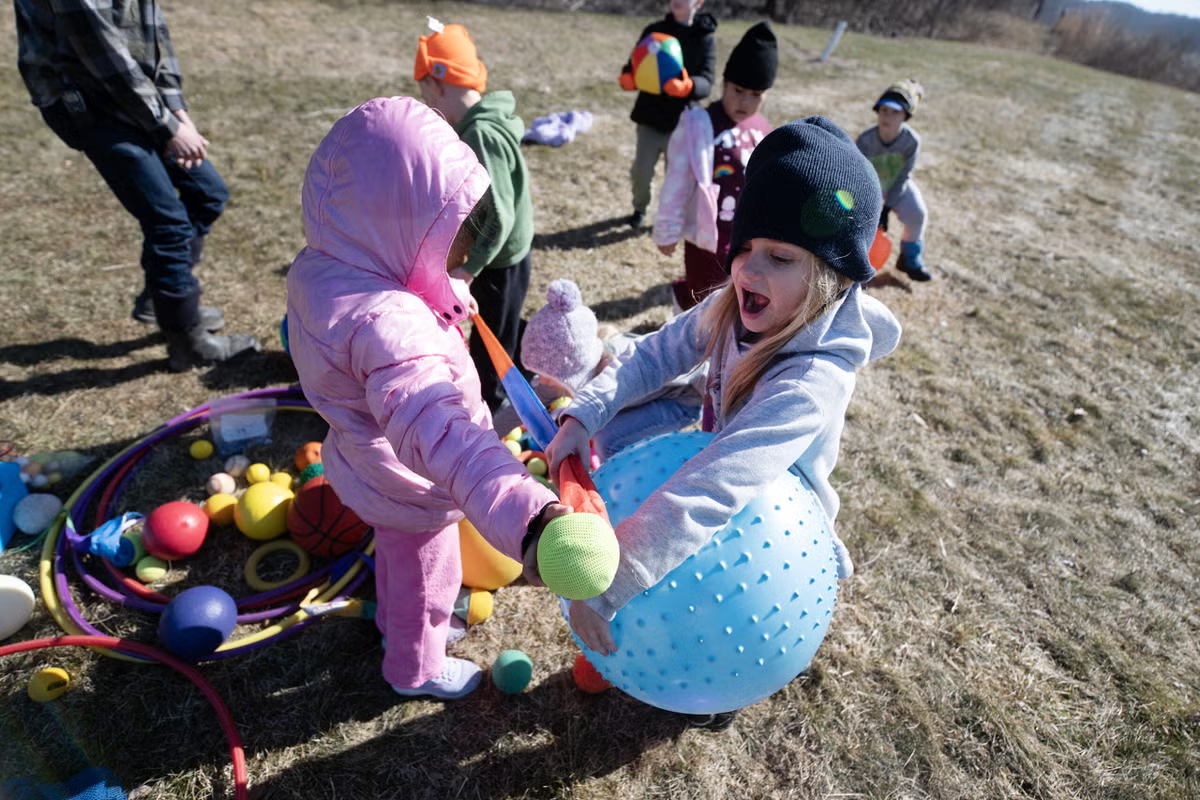
“A powerful thing about outdoor learning and the experience we can give the kids here is that we’re teaching their hearts and not just teaching their minds,” Mossman said.
Sorg recalled one student who struggled academically in the classroom but on an outdoor learning day found the perfect way to pack snow into a bucket for building a structure, and the other students followed his lead.
“The power that it gave him among his peers to be able to have that opportunity to shine and have that moment — he didn’t get a lot of those moments in the classroom during the day,” she said.
Finding those moments is one benefit of outdoor learning. Research shows it can also promote concentration, perseverance and creativity, said Christy Merrick, director of the Natural Start Alliance.
“(Nature) is a space that is always changing. Nature is not static,” Merrick said. “It’s keeping things interesting for students. It tends to promote very active, hands-on learning, which we know is a very effective way for children to learn when they’re young.”
An outdoor program like this is unique and requires a reliable funding stream. The teachers say it takes additional work to keep the program going. Each year, they apply for about $5,000 of local and state grants, Mossman said. The Community Foundation of South Central Wisconsin accepts donations on behalf of the school and other programs like it. The school also hopes to create an endowment.
Outdoor learning is starting to become part of the fabric of attending Tower Rock. Now some fifth graders, like Brooks Mack, have younger siblings there, too.
“I can help (my brother) out. He asks me questions when he gets home, like, ‘We did this today but I didn’t quite understand it.’ So I get to answer those questions and other kids ask me questions, too,” Brooks said. “Sometimes I get to answer, which feels good.”