

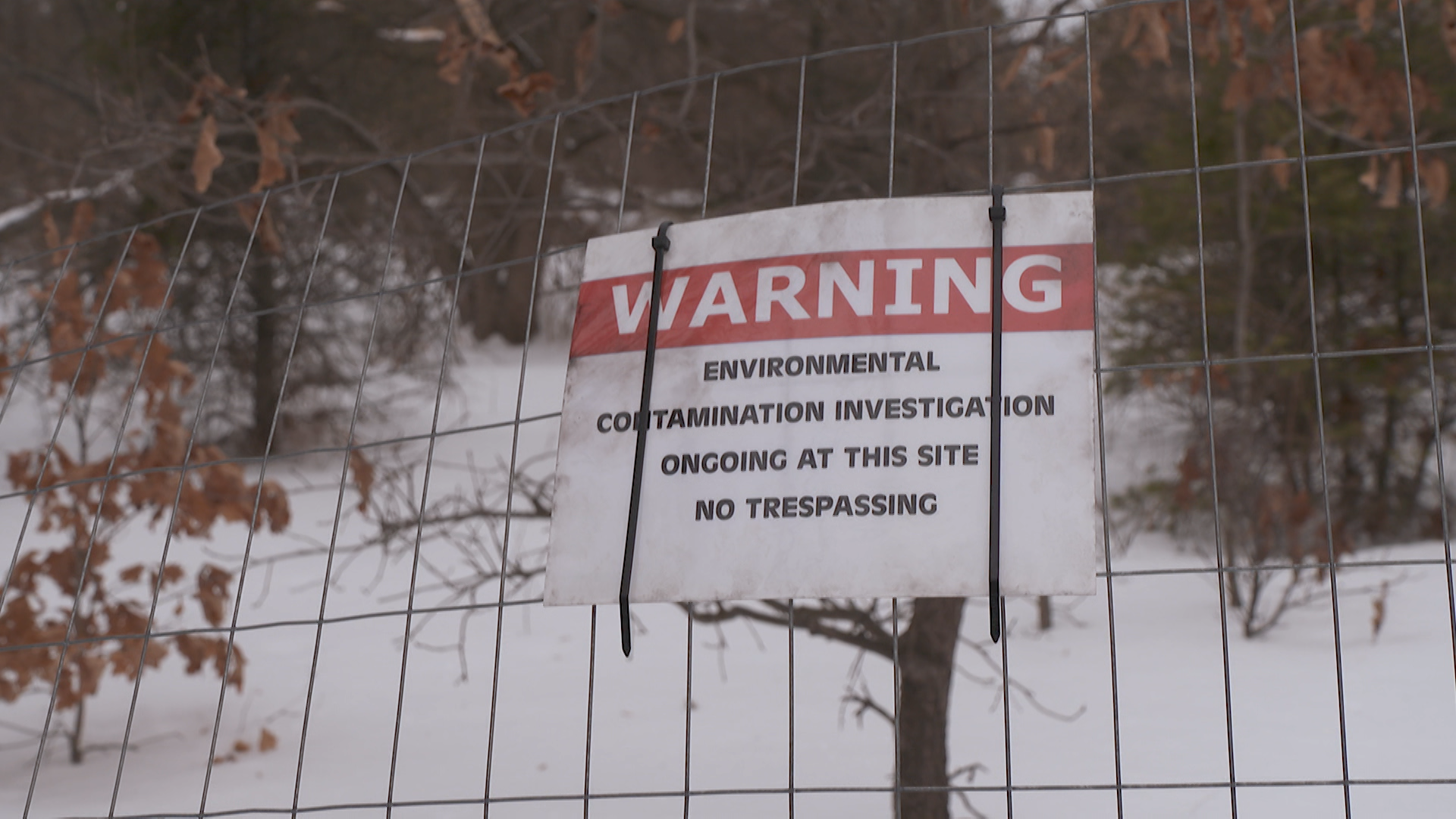
On Friday, February 20 the Wisconsin Assembly unanimously passed two bills to help residents with PFAS mitigation after 30 months of debate. Gov. Tony Evers approved $125 million for per- and polyfluoroalkyl substances (PFAS) cleanup in 2023, but Republican lawmakers disagreed with how the funds would be distributed, including the need to add protections for businesses and “innocent landowners” or people who bought contaminated property but weren’t responsible for the original spill. One bill allows for a series of grants to pay for testing and remediation, while the other bill exempts certain businesses and people from having to pay for cleanup, including any municipal services who use PFAS for emergencies by using firefighting foam.
In Minnesota, a study suggests about 99% of PFAS can be destroyed while turning solid waste into energy and ash at combustion facilities. Incineration is often seen as a controversial method for dealing with “forever chemicals” because it is still unclear if the substances only contribute to air pollution through manufacturing, or if incineration only works under very specific circumstances (at a certain temperature, and for a certain amount of time) without further contributing to the problem.
The Illinois Commerce Commission (ICC) received a rate request from Illinois American Water for approximately $577 million to fund upgrades related to emerging contaminations like PFAS and continuing to replace lead service lines. According to CBS News, this proposed rate increase would mean an additional $14 a month for residential water customers and $28 a month for those with sanitary wastewater systems.
This is the fourth rate hike in a decade. In an interview with CBS News, Chicago resident Susan Srail said that residents are already billed “…at the least, $180 a month. There are some people that are paying $300 a month.”
Recent reporting by Bridge Michigan suggests that PFAS levels are actually declining in Great Lakes fish. A study published in January 2026 used archived trout and walleye samples from 1975 to 2020 to track pollutants. Researchers found that average contamination levels reached their lowest by 2020. For example, PFAS in freeze-dried tissue samples from fish in Lake Erie “peaked at close to 450 nanograms per gram in 2005 but were closer to 50 nanograms per gram in 2020.”
Two bills related to “forever chemicals” passed through the New York State Senate, and now await final votes in the state Assembly. One bill will expand regulation of chemical discharge in the state’s groundwater, lakes and rivers. The other bill will restrain PFAS in consumer products like cookware, cleaning products and dental floss, according to WAMC.
Meanwhile, a new permit is under consideration at the Ohio Environmental Protection Agency (EPA) to help expand the state’s data center boom. The new permit would allow data centers to discharge wastewater right into rivers and streams. According to Circle of Blue: “the Ohio permit would apply to water that circulates through data centers to absorb heat from servers, towers and boilers. Recent investigations have shown that chemicals such as PFAS and nitrates, which are harmful to human health, are a part of these effluents, or untreated discharges.”
Testing at Pittsburgh International Airport shows that PFAS levels of one particular compound are over 15,000 times the EPA’s safety levels. The airport sits on the Montour Run watershed, which leads to the Ohio River and is a source of drinking water for millions of Americans.
More PFAS news in case you missed it:
- In Canada, reporting from the CBC shows that Transport Canada was worried about PFAS in the 1980s according to files obtained through an access-to-information request.
- The burden of advocacy falls on Indiana firefighters facing PFAS-related cancers
- Three Olympic boardsport athletes were disqualified over their use of wax containing “forever chemicals.”
- An op-ed penned by cardiologist Dr. Pierce Vatterott for The Hill makes the case for why medical care requires the use of some per- and polyfluoroalkyl substances.
- The U.S. Forest Service will stop issuing gasoline and water repellant pants for firefighters that contain PFAS. This move was inspired by original reporting by ProPublica.