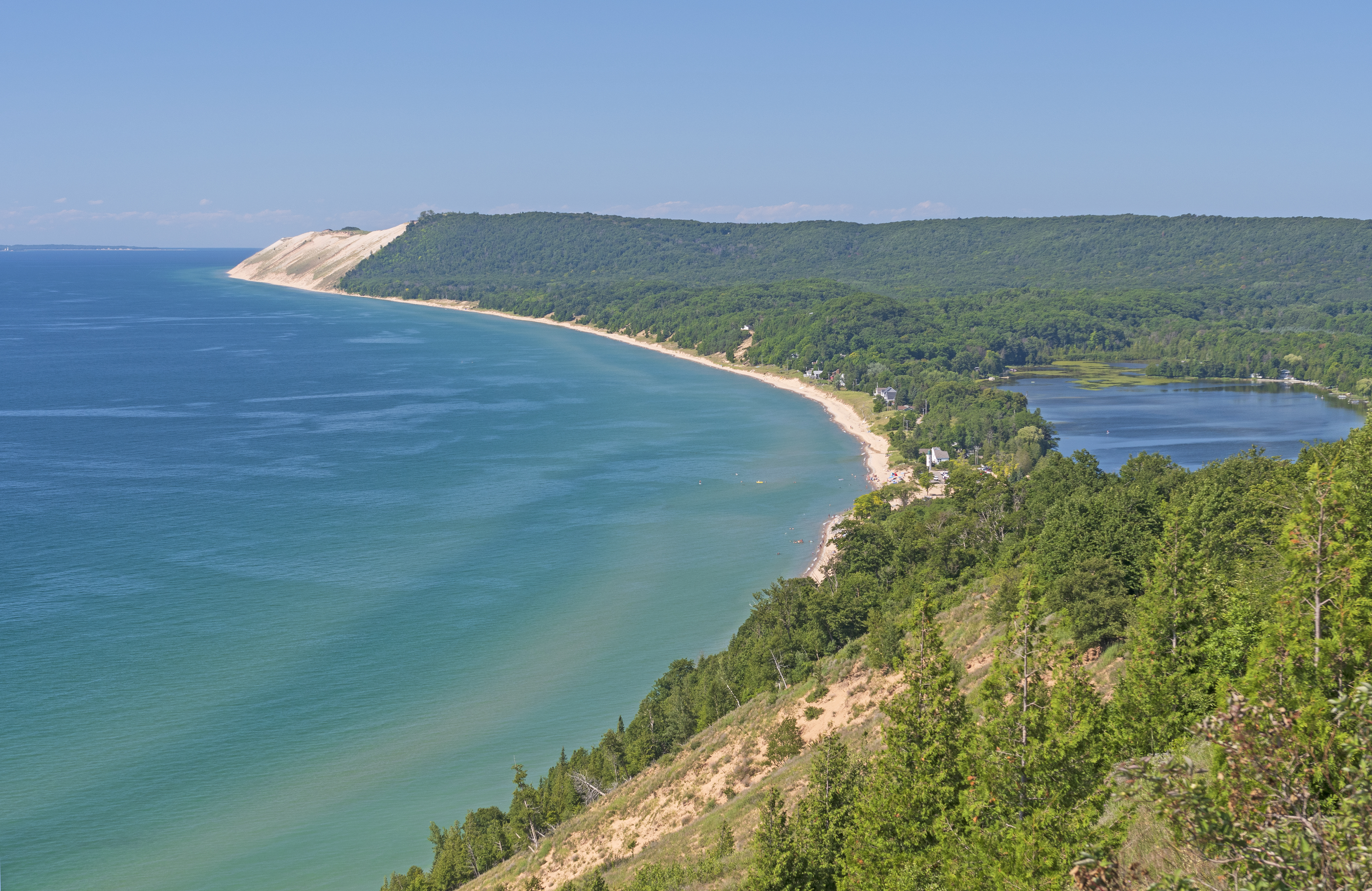
Great Lakes Now is a monthly documentary-style television program and online magazine. The Great Lakes Now initiative offers in-depth coverage of news, issues, events and developments impacting the lakes and communities that depend on them, while capturing the character and culture of the region. Find our events here.
Housed at Detroit PBS, Great Lakes Now’s growing network of regional partner public broadcaster stations and other media outlets contribute coverage to the television program and website. The monthly show, launched in April 2019, and since then has expanded to a basin-wide, bi-national program carried on more than 25 PBS stations in six states as well as on more than 800 Canadian cable systems.
A growing team of award-winning journalists provide authoritative coverage online about a wide range of subjects affecting life in the Great Lakes Basin including water quality, wildlife and nature, energy, industry, politics, recreation, culture and climate.
Great Lakes Now staff also appear at a wide range of events throughout the region, partnering with universities, cultural institutions, civic and historical groups, and recreational clubs to bring audiences screenings, panel discussions and opportunities to shape show segments and website stories.
Editorial Guidelines
Submissions
Great Lakes Now is always looking for new contributors for our show, podcast or website. You can find those guidelines here.
Disclosing Funders
Funders of Great Lakes Now and Detroit PBS content cannot be anonymous. Federal law requires that broadcasters “fully and fairly disclose the true identity” of all funders. The purpose of this requirement is to be fully transparent with the audience. While this legal requirement is limited to broadcast programming, Great Lakes Now and the original programs at Detroit PBS ensure transparency by requiring that funders are disclosed for content distributed on all platforms, including online videos, mobile applications and websites.
We define a funder as any third-party donor (e.g., corporation, foundation, or private individual) that has made a financial contribution to support: (1) the production or acquisition of specific content distributed by Great Lakes Now and/or Detroit PBS; (2) the research and development for that content; (3) the packaging or repackaging of that content; or (4) the program service through which that content is distributed.
Editorial Independence
Editorial independence is essential to serving the public interest and preserving the public’s trust. Content distributed by Great Lakes Now and Detroit PBS must be free of undue influence from third-party funders, political interests and other outside forces. Great Lakes Now and Detroit PBS must remain unwavering in a commitment to distributing content that exemplifies ethical and journalistic integrity rather than advancing commercial interests.
This obligation is achieved through the good-faith professional judgment of producers and staff and by carefully listening to the public. Great Lakes Now and Detroit PBS partnerships and collaborations with outside academic, research and/or other media outlets are also held to the same standard of journalistic and ethical integrity. Editorial independence gives producers the intellectual freedom to achieve and demonstrate a commitment to accuracy, fairness, inclusiveness, accountability and transparency.
Great Lakes Now used to regularly produce activities and lesson plans for Grades 5-8 with curriculum and virtual field trips available. Educators will find them here here, for free.