
It takes a lot of energy to power 1,800 slot machines. The Fond du Lac Band of Ojibwe’s Black Bear Casino is located near Cloquet, Minnesota about 20 miles from Duluth. In 2016 the Band took steps to offset the energy and environmental costs of running their casino and hotel complex by installing a 1 megawatt, 5 acre solar array. According to the Band’s Strategic Energy Plan, adding solar as a power source has saved the community about $772,403[SD1] per year in energy costs. It is just one part of their long-term plan to “develop energy resources in ways that will sustain current and future generations.”
Fond du Lac is not an anomaly in Ojibwe country when it comes to energy reform. In 2017, the Leech Lake Band launched the first community solar garden in the U.S., selling power to the grid and using the savings to subsidize low-income winter heating bills and create workforce training for tribal college students.
In 2022, the Mille Lacs Band commissioned a 3-megawatt solar array in Hinckley, Minnesota. The system offsets the electric demand needed to run their two casinos — Grand Casino Mille Lacs and Grand Casino Hinckley.
Further north, the Red Lake Nation added a 70-kW rooftop system at the Government Center and a 240-kW system at the Oshkiimaajitahdah workforce center. Red Lake Nation has plans to build 20 more commercial-building systems, plus a 13-MW solar farm.
And, the White Earth Ojibwe Nation is installing a 500-kW solar array with a storage microgrid at the Pine Point Resilience Hub, a new energy outlet expected to come online in 2026.
Solar Sovereignty
There are seven Ojibwe Nations in Minnesota and five of these communities have embraced alternative energy sources over the last ten years. And now, there are six. The Bois Forte Ojibwe Nation is far away from the sunbelt and winter days are six-to-eight hours long. As Rebecca Gawboy of the Bois Forte community confirmed, “we have shorter days [in winter], but they’re clear. We have really sunny winters for the most part.”
Gawboy is the co-director of Waawaate, a non-profit group that works on food sovereignty projects.
“We established Waawaate because we wanted to do training, information presentations and assistance with people in the community interested in the food sovereignty movement,” she said. “We were always involved in the food sovereignty thing, because growing food and caring for the land are, you know, inherent values for us.”
Bois Forte has made the leap between food sovereignty to energy sovereignty through a program called The Solar Commons. An initiative of the University of Minnesota Duluth, the project was founded by Kathryn Milun, associate professor of Anthropology and the Department of Studies in Justice, Culture and Social Change. Bois Forte is the second “living lab” in the United States. The first lab is located in Tucson, Arizona.
With the help of community partners and a mix of funding, the Solar Commons at Bois Forte has completed one of the short-term goals of the project — building a 500kW solar array in rural, northern Minnesota. The array of solar panels is situated on the roof of the Vermilion Country School in Tower, Minnesota.
According to the project website, the longer-term goal of the Solar Commons project is “to reduce Co2 emissions by 6,500 metric tons and create around $70,000 a year” [RL2] [SD3] in energy savings. Prof. Mulin and Gawboy met through the work of Dani Pieratos, a food sovereignty activist from Bois Forte who “changed worlds” in 2025. In a jointly-written article Milun and Gawboy honored Pieratos’s legacy, stating that, “we have worked together to realize Dani’s plan to demonstrate the healing power and gift economy that are at the heart of both solar energy and traditional Anishinaabe foodways.”
Gawboy explained more about how utilizing the gift of sunshine will benefit the people of Bois Forte:
“The foundational value of the solar commons is that the sun’s energy belongs to all of us, and no utility company should profit. And so, the way to get around that is by establishing a solar project and then using the solar saving — minus maintenance and expenses — in a Solar Commons trust fund. Our focus was using that trust fund money to benefit the food sovereignty movement at Bois Forte.”
Gawboy has a lot of experience with the land and feeding people.
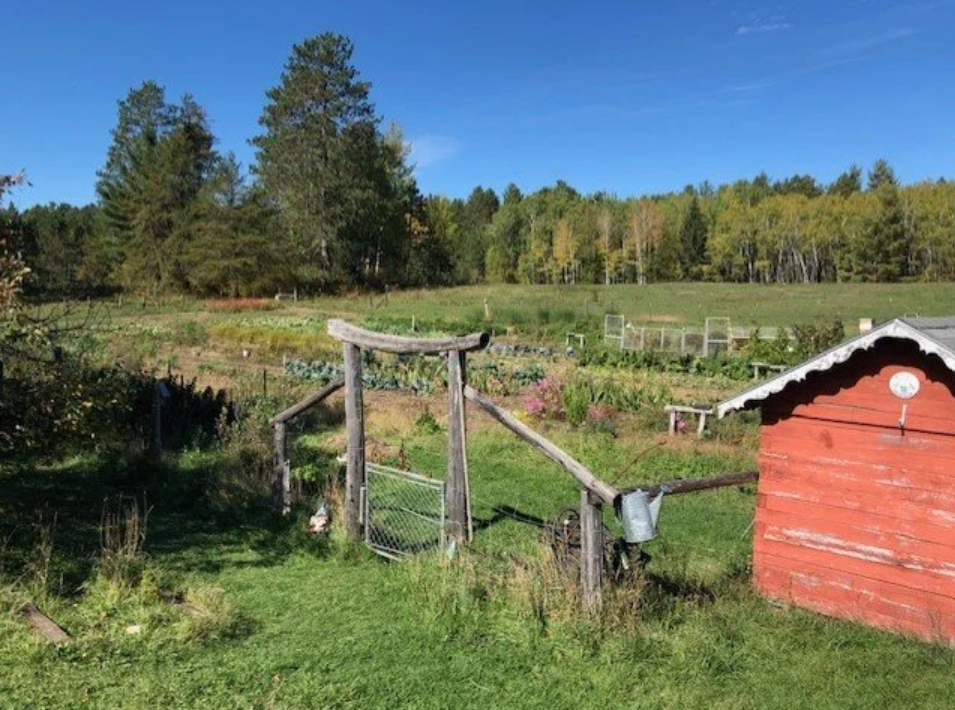
“I have 100-acre farm right outside of Tower — an organic farm, and we do workshops on the farm, we teach butchering, slaughtering, we teach gardening, we teach canning, food preservation, all those kinds of things, right there,” she said.
I asked her about the connection between food sovereignty and renewable energy and she explained that food sovereignty and energy sovereignty are “part of our guardianship responsibility of the earth. When we’re looking at energy and sovereignty, we’re not looking at drilling more oil wells, we’re not looking at digging coal, we’re not looking at digging uranium.”
“What we’re saying is that the sun and wind have offered us their energy, they have this as a gift to us, a sacred gift, and not utilizing it is ignoring the gift. So, we should utilize those gifts, because what they create is, first of all, a relationship to the land, and that intimate relationship with the land and the water is what feeds our community,“ she said.
Repairing the World
The funds collected in the Solar Commons trust fund will be stewarded by students at the Vermilion Country School, an arrangement built into the Solar Commons formula that is designed to teach regenerative economy principles using a digital dashboard of tools. This process is called “participatory budgeting,” and is intended to be a transparent way for community members to decide what to invest in, in their community with their annual distribution from the Solar Commons trust.
“When the kids [at Bois Forte] decide how to spend the accumulation of common wealth trust funds after one year of solar commoning, they will use participatory budgeting and two guiding principles about commons: mutual aid and repairing the world,” said Milun.
The element of reparative justice is stirred into the soup of solar commoning — the idea that the gift of sunlight can power food systems’ vitality, local economic regeneration and help repair the effects of rural isolation, cultural assimilation, economic inequity and other forms of harm.
Building the first solar commons project in Minnesota required buy-in from a network of partners, including a strong commitment from Heliene, Inc., a solar manufacturing plant on Minnesota’s Iron Range. The company agreed to supply the solar panels for the Vermilion Country School at cost, and pass on the solar savings (minus expenses) of a proposed 500kW array on top of the factory in Mountain Iron, Minnesota. This “social wealth trust” between Heliene and the Bois Forte community will extend through the 20-year warranty of the solar panels.
Indigenizing Community Change
Waawaate and the other Solar Commons partners hope to kick-start work on a more extensive Solar Commons project that “indigenizes community change” by installing solar projects at multiple locations. The project seeks to build a 2MW solar microgrid, and two 500kW solar plus storage microgrids at the Bois Forte and Fond du Lac Ojibwe reservations, adding to what both tribal communities have already built.
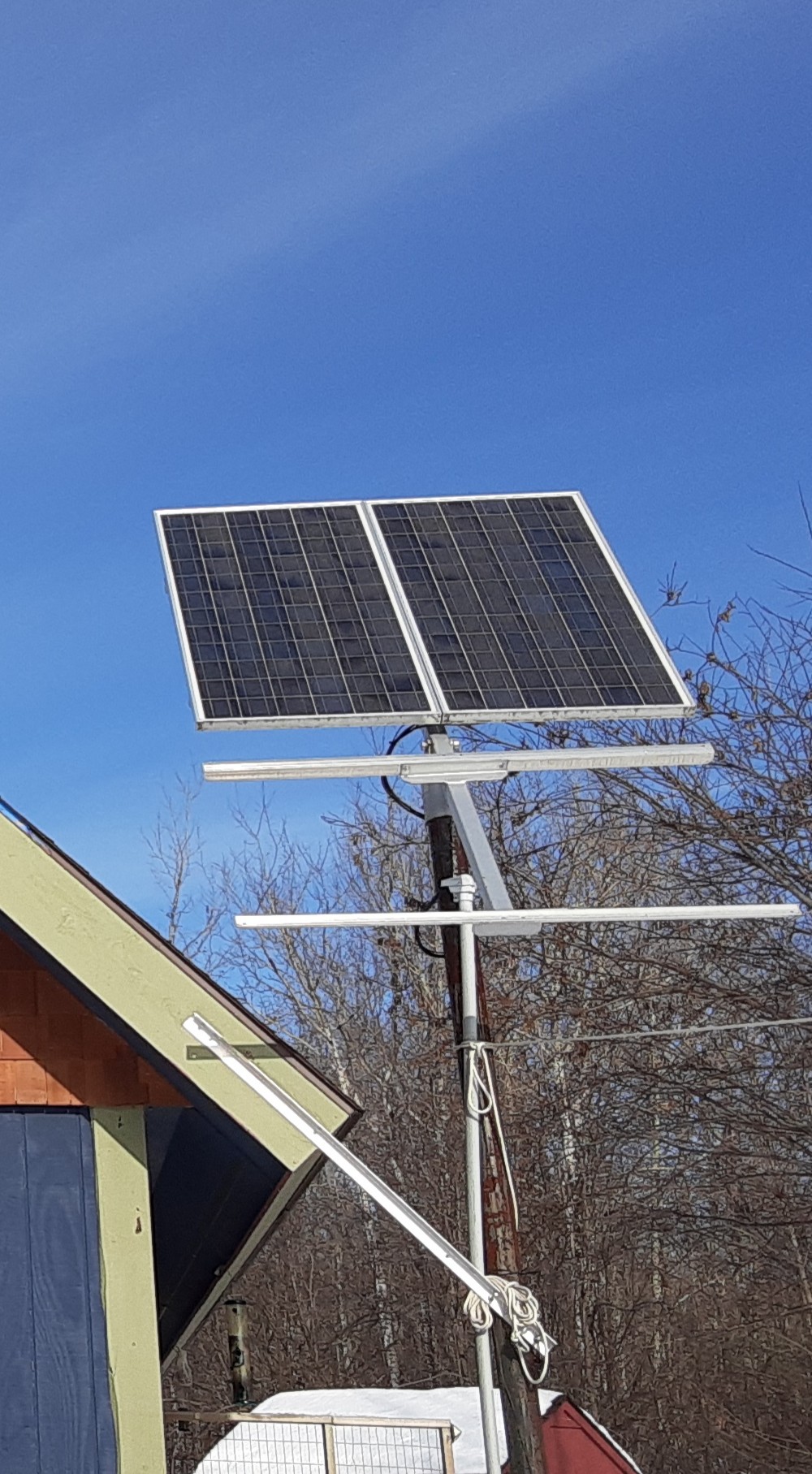
“They didn’t need solar panels in Fond du Lac, what they needed was storage,” said Gawboy. “And there again, the Solar Commons idea was presented and accepted by both reservations, as a very good way to do things.”
Gawboy believes that building micro-grids to serve rural communities, solar or otherwise, is the way forward, because the mainstream approach to energy sourcing and distribution hasn’t served the people well.
“The replacement of traditional cultures has been such a disaster,” said Gawboy. “If we believe that man has dominion over the earth, we end up with where we’re at now. If instead we believe what the seven teachings say, which is — man is here and man is beholden to the earth and we are dependent in all of creation being in balance — to keep ourselves in balance — that’s the overarching lesson of the food sovereignty movement, the energy sovereignty movement, the cultural sovereignty movement, all of those things.”
One of the benefits of being the first living lab in Minnesota is being able to help other communities take steps toward energy sovereignty and food sovereignty.
“The whole food sovereignty movement is due to the activism of Indian people on reservations, because almost all of them live in food deserts,” said Gawboy. “This is a really great combination. You can’t have sovereignty unless you control your energy and your food, and if you don’t have control of those two things, sovereignty is illusory.”
The Bois Forte community will come together at the end of July, 2026 to celebrate the Solar Commons installation at the Vermilion Country School. Waawaate and their community partners also have plans to produce a documentary film about the project, work with Anishinaabe artists to create a mural at the school, and create a step-by-step guide to solar commoning for other tribal communities. And if it’s a clear day, the whole community will benefit from the many gifts of the sun.