IN THIS EPISODE:
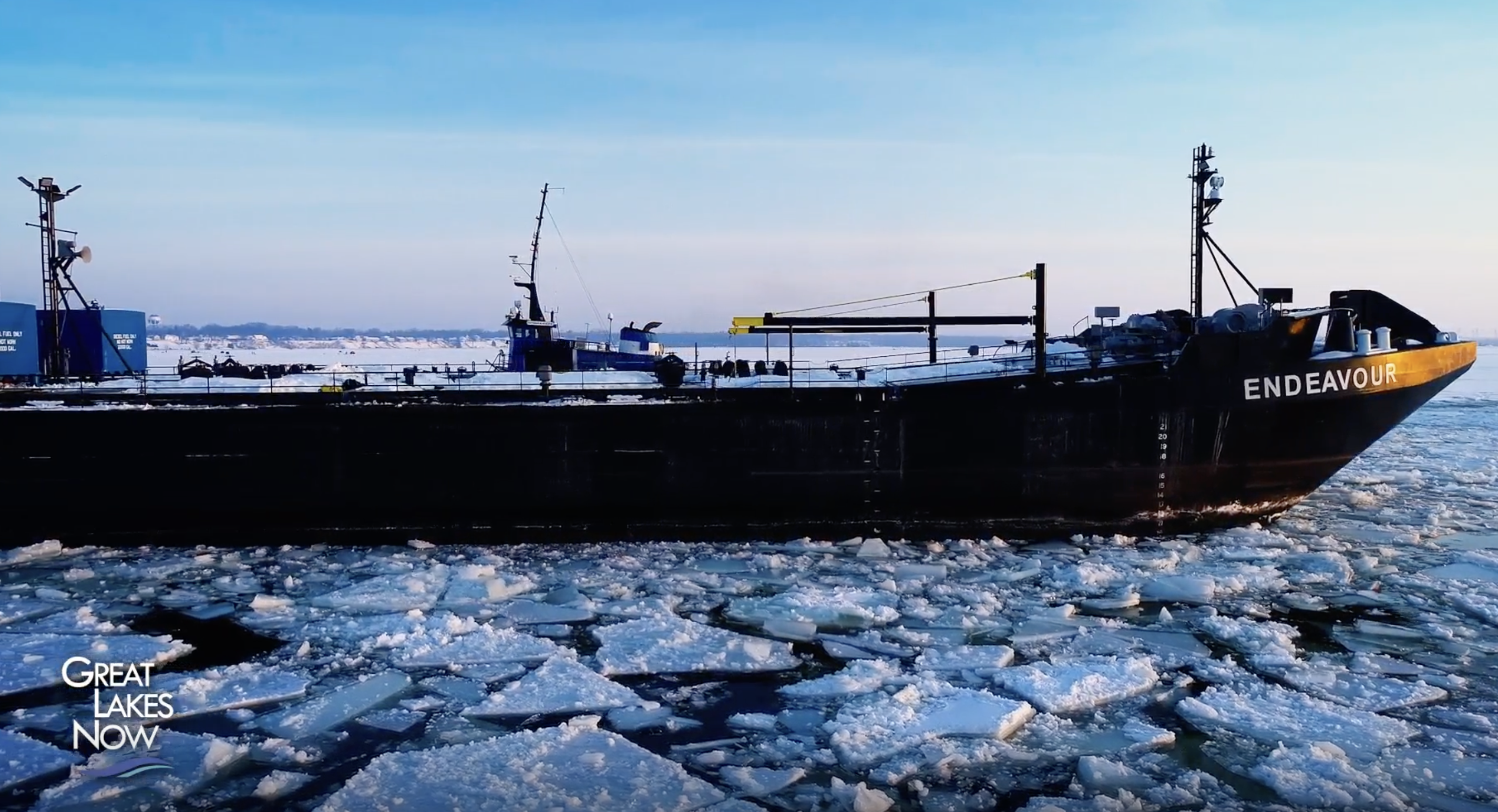
In this episode of Great Lakes Now, “Oil Spills and Buried Rivers,” learn about how researchers are preparing for an oil spill in the Great Lakes, and then a look at “ghost streams” — the invisible buried rivers that flow beneath our feet.
When to Watch?
Check your local station for when Great Lakes Now is on in your area.
The Hidden Rivers Fueling Urban Floods
SEGMENT 1 | DETROIT, MI
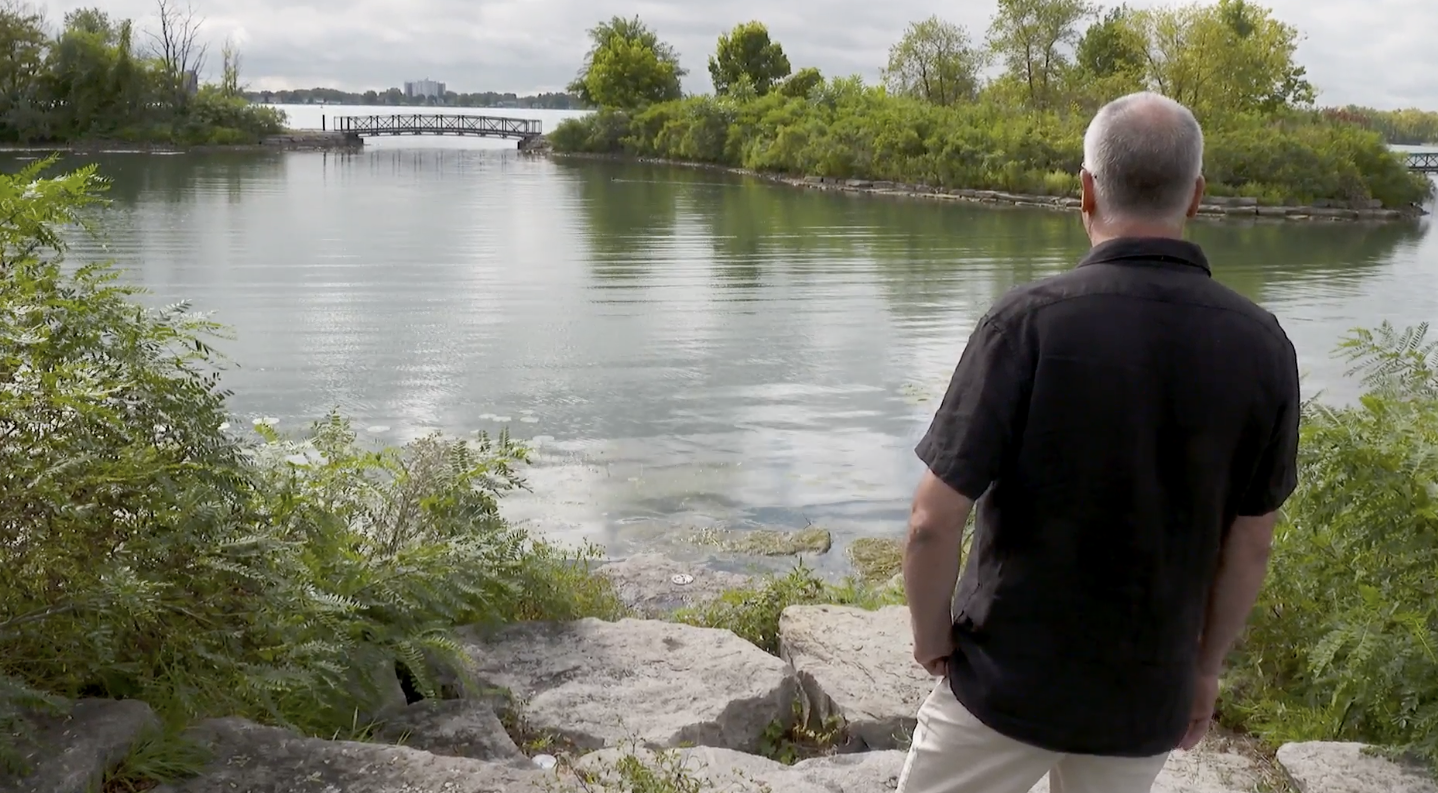
Flooding can destroy property and have serious effects on human health. And it can follow patterns of housing discrimination from almost a century ago. Ghost streams are waterways that were filled in or covered up during city development, and they’re a contributing factor to flooding events.
Many ghost streams are underneath historically redlined neighborhoods. Detroit’s Jefferson Chalmers neighborhood is one example. It was built on top of marshland and has a history of experiencing flooding after heavy storms.
BridgeDetroit environmental reporter Jena Brooker spoke with researchers and Detroit residents to explore how hidden waterways impact the lives of Detroiters.
This segment is part of The Checkup: Water and Human Health in a Changing Climate, a project of the Great Lakes News Collaborative.
What happens if there’s an oil spill in the Great Lakes?
SEGMENT 2 | CHEBOYGAN, MI; ST. IGNACE, MI; MUSKEGON, MI; ANN ARBOR, MI; DETROIT, MI; SAULT STE. MARIE, MI
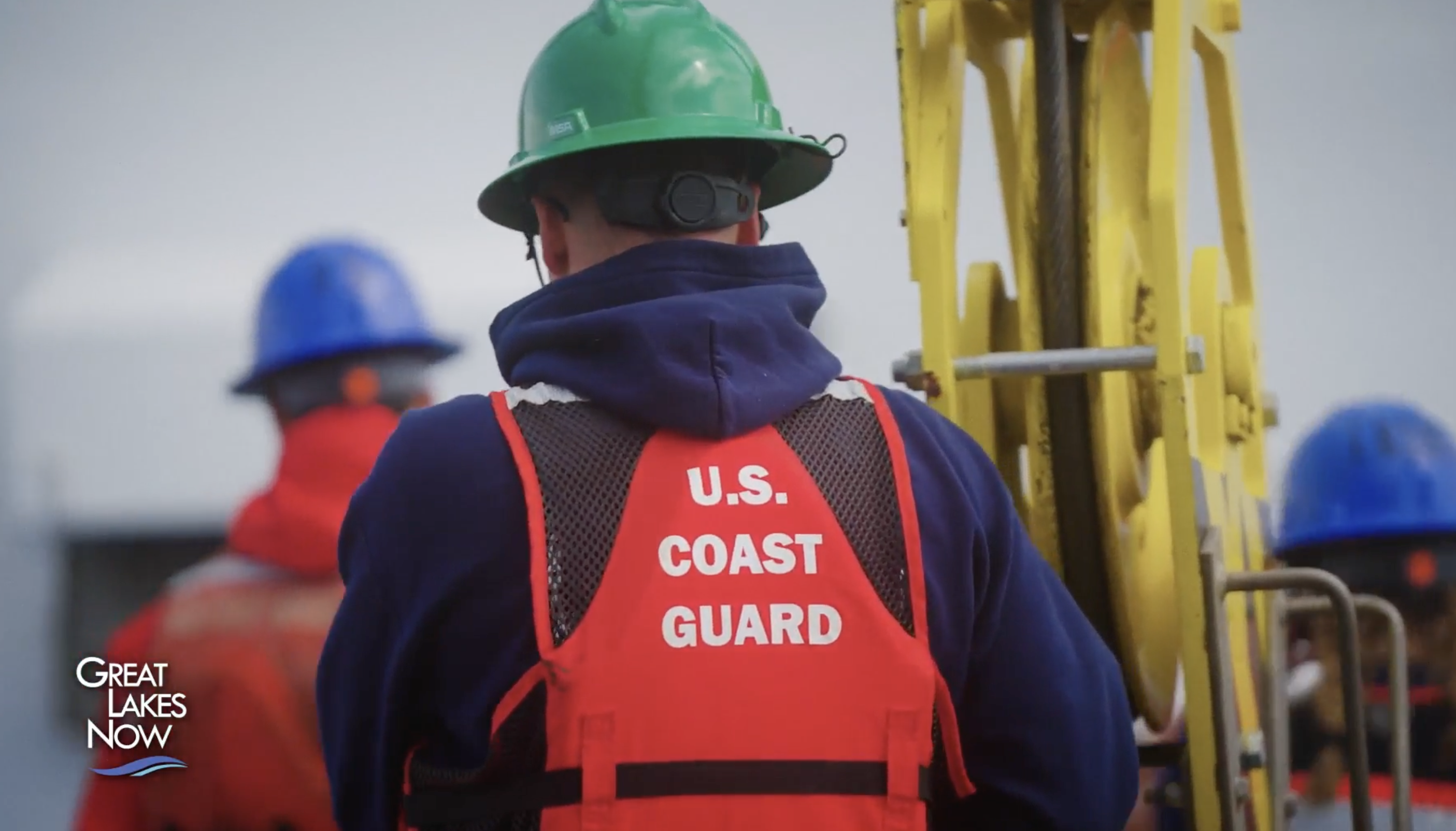
In September, 2023, the U.S. Coast Guard was in the Straits of Mackinac along with partners from the US Navy and specialists in spill response, testing their oil spill preparedness in the event of a worst case scenario.
This exercise isn’t just about equipment. It’s about rethinking response strategies and exploring what’s at stake in a freshwater spill, where threats are unique and the stakes high.
Most spills happen in saltwater, so the skills and experience needed to respond in a freshwater environment are thin by comparison. And unlike the ocean, the Great Lakes are a source of drinking water for millions of people.
Featured Articles