Lesson Plans, New Each Month
These new, original, free lesson plans and at-home activities are based on videos produced for the award-winning “Great Lakes Now” public television series and are downloadable for use with your middle schoolers.
Watch for a new one each month!
Authored by a former science teacher, each collection of lessons is aligned with national education standards, are easily downloadable and organized into manageable sections with all the handouts needed to engage learners with the science and study of the Great Lakes.
SUBSCRIBE to get notifications when new lesson plans are posted.
Recovering renewable resources
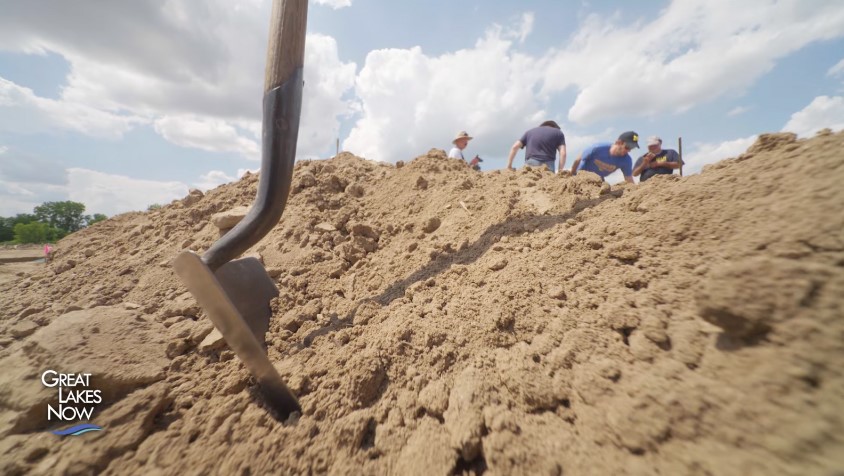
This lesson will explore the phenomenon of weathering and erosion preserving ancient artifacts and producing natural resources for both an opportunity to learn about the history of a region and benefit the people of that region in the present. From past civilizations to modern energy solutions, the Great Lakes region is home to artifacts and renewable energy sources that have been hidden underground or embedded into the landscape by natural processes.
Solar power in every season
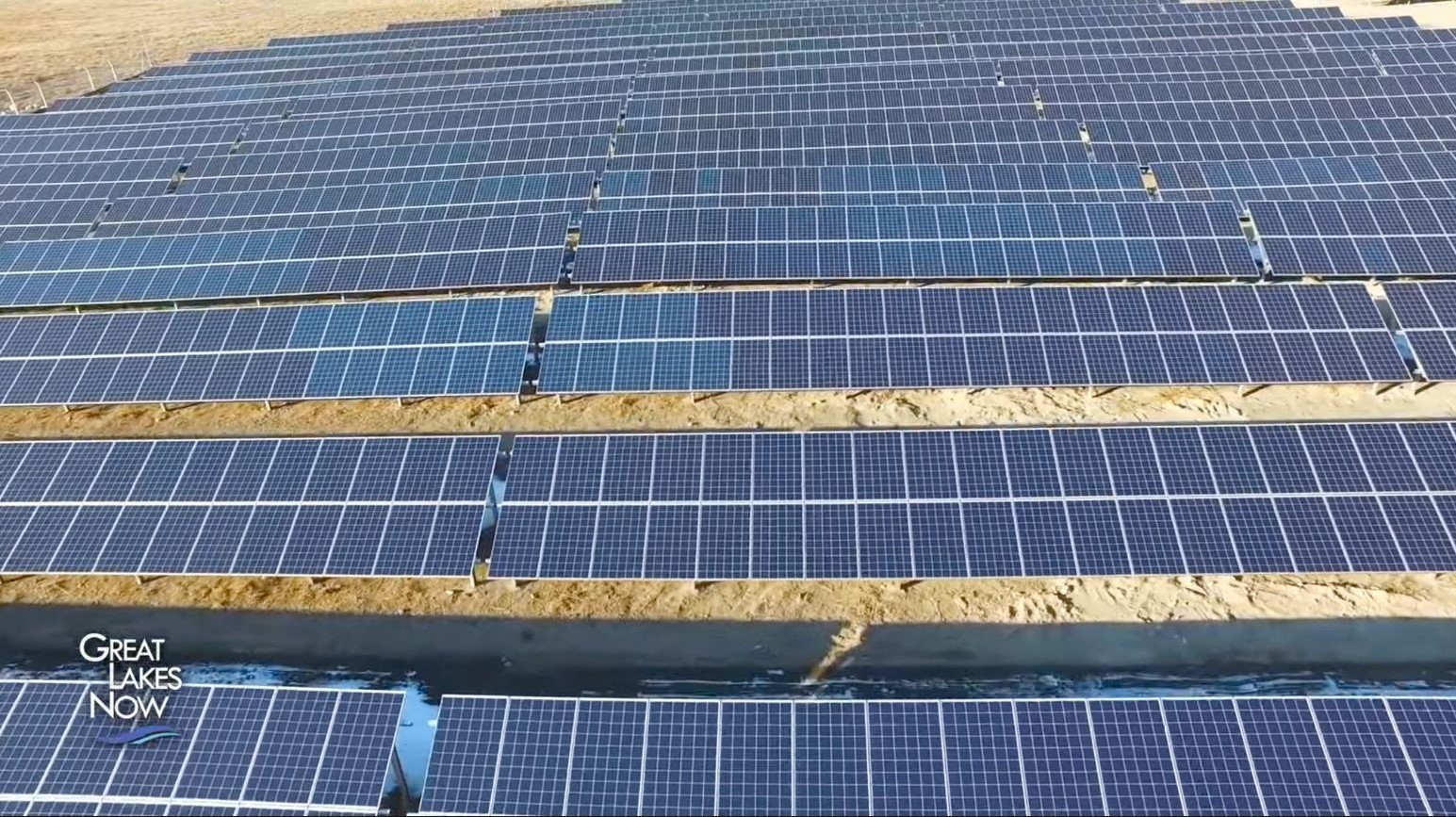
This lesson will explore the phenomenon of seasonal changes in sunlight in the Great Lakes and why that presents challenges to the adoption of solar sources as a renewable energy solution. While the Great Lakes region may not have as many sunny days as San Diego, the capacity for solar energy to be a viable source of power in the Great Lakes remains strong. However, it will take some adaptations to cloudy days and snow cover that other regions of the country do not have to contend with.
The science of skiing
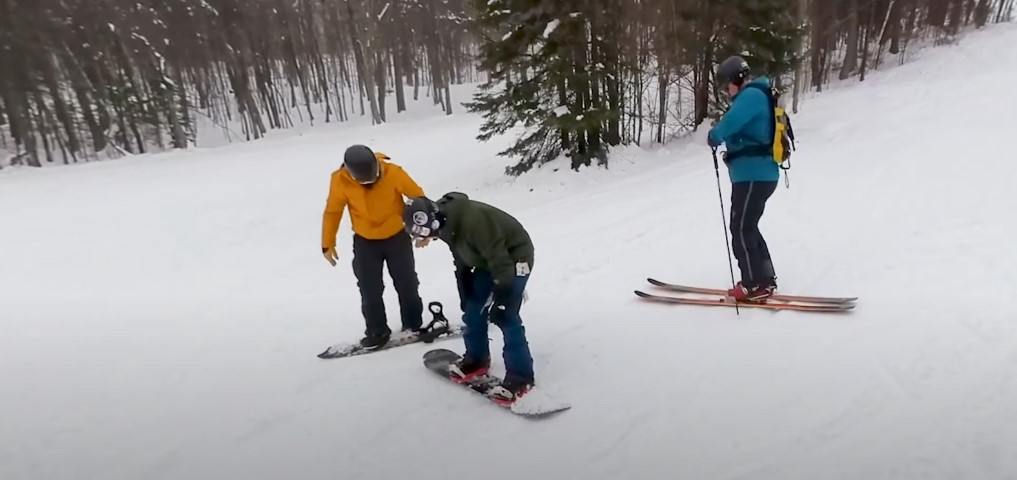
This lesson will explore the phenomenon of friction on ski slopes in the Great Lakes, highlighting why some of the best ski hills are found in the Lake Superior region. Students will delve into the physics principles that enable skiing and snowboarding down a pre-historic volcano in the Keweenaw Peninsula, focusing on concepts like friction, slope ratings, and modeling motion on inclined planes. Through hands-on activities, they will discover the science behind skiing in the Great Lakes region—and what makes it so great.
Superior waters warming
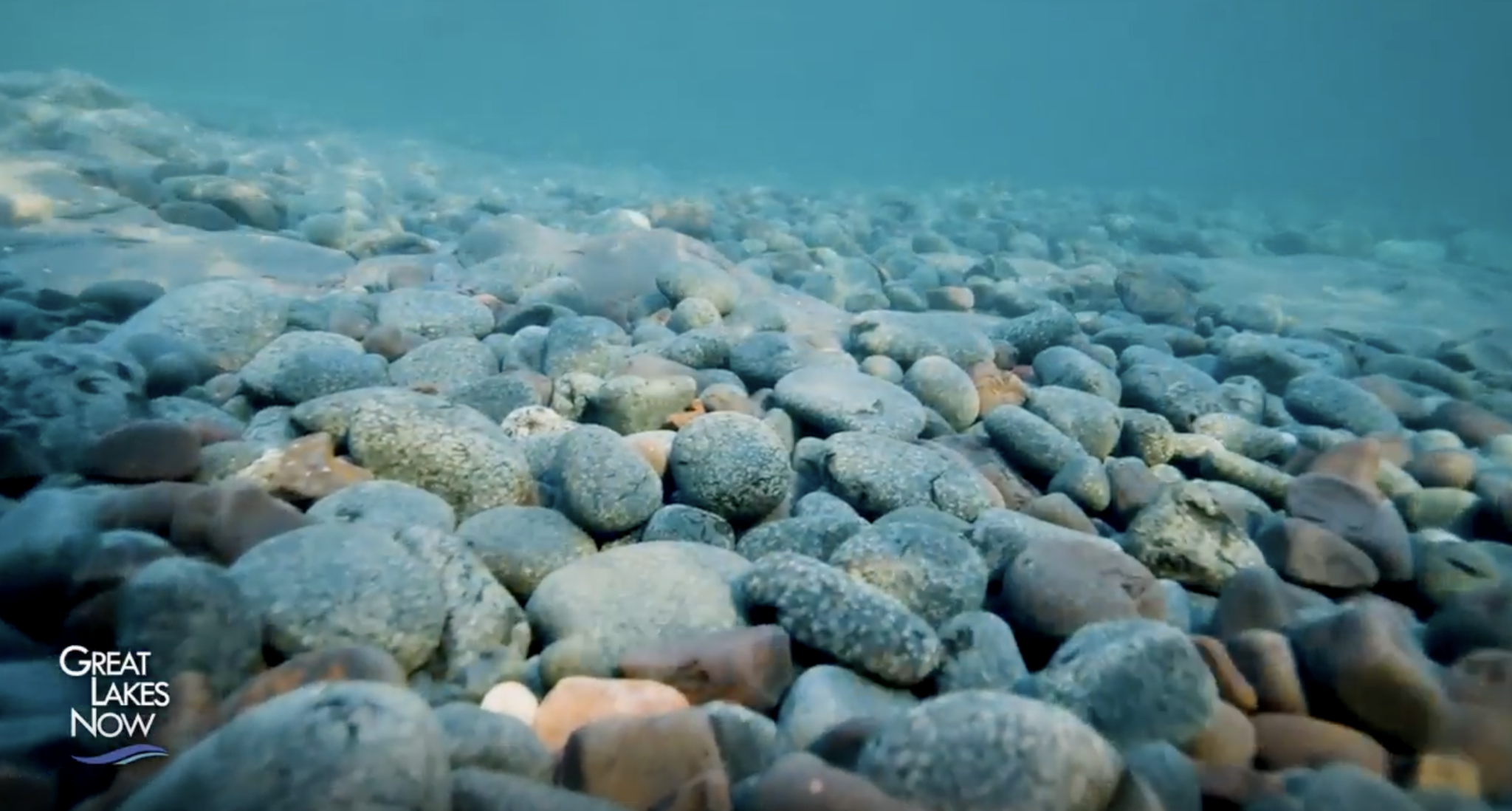
This lesson will explore the phenomenon of warming waters in Lake Superior. The coldest and largest of the Great Lakes has been experiencing steady increases in average temperatures for a few decades, enough to give rise to concern for the lake ecosystem, the weather patterns in the surrounding area, and more. But before solutions can be explored, we must first understand the problem. That’s why, through hands-on experiments, students will explore thermal stratification, model algal blooms, and investigate the impact of ice coverage.
All about aquaculture
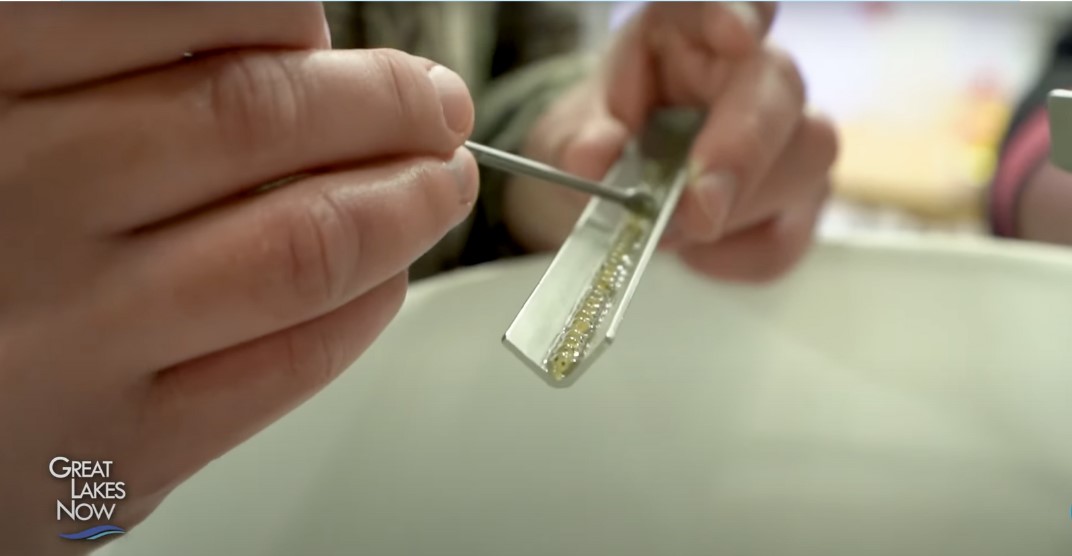
This lesson will explore the phenomenon of whitefish population decline in the Jordan River by Green Bay, Wisconsin. Whitefish are an important source of food and commerce in the Great Lakes, but for over a century the population has been in flux due to a number of factors ranging from human impact to invasive species and climate change. As students learn about aquaculture efforts to address the fluctuations in fish populations, they will model the impact of invasive species on the food web, engage in water quality testing, and simulate species competition.
Bringing back buffalo reef
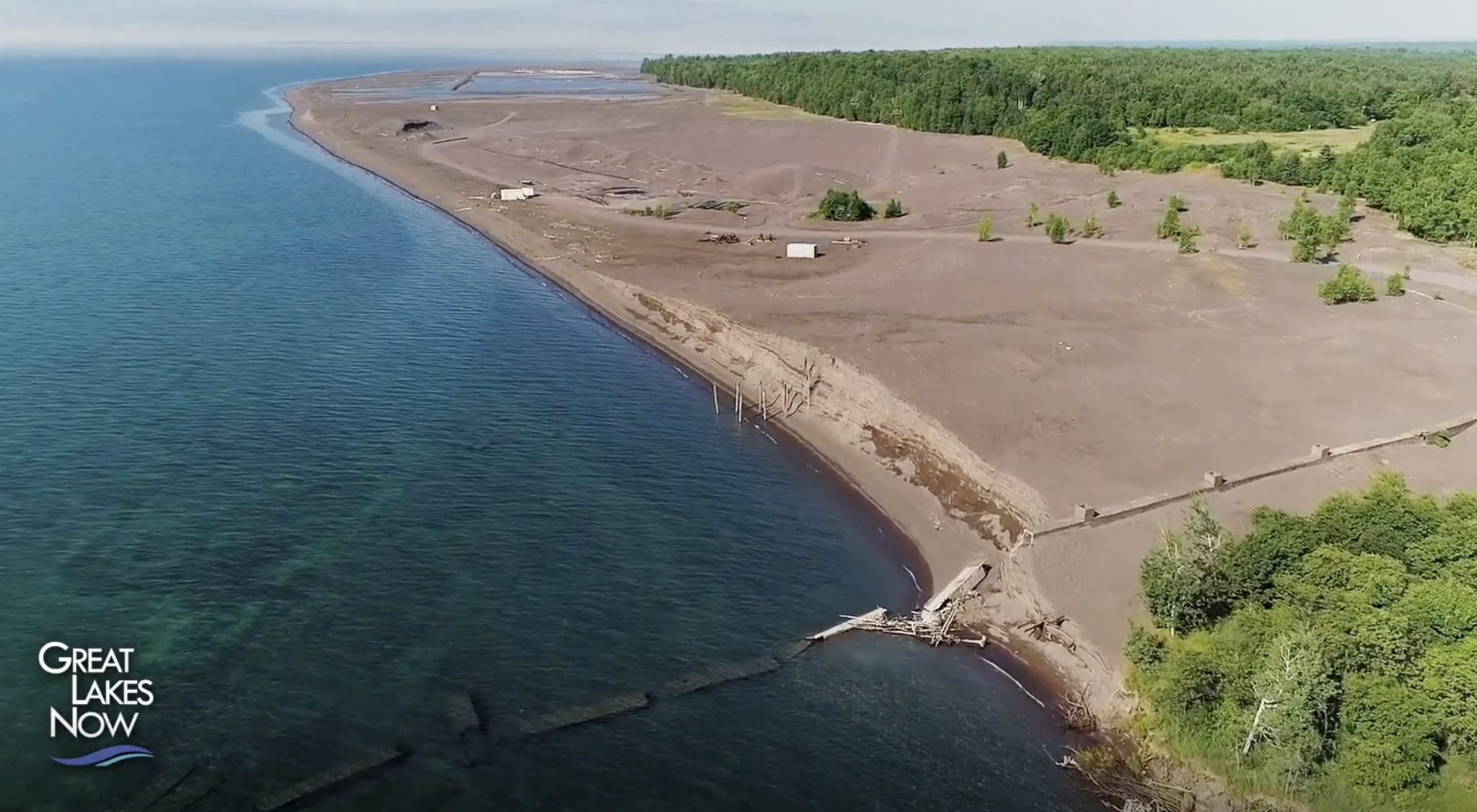
This lesson will explore the phenomenon of stamp sand deposition in the Buffalo Reef near the Traverse Bay area of Lake Superior. Native fish species use this ecosystem to spawn in the Great Lakes, but the remnants of copper mine waste are threatening their populations—and the people who depend on fishing for their livelihood. To understand this problem, students will experiment with the chemistry behind removing metal contaminants from water, investigate single replacement reactions, and modeling metal mining using chocolate chip cookies.
The science of stonefly larvae
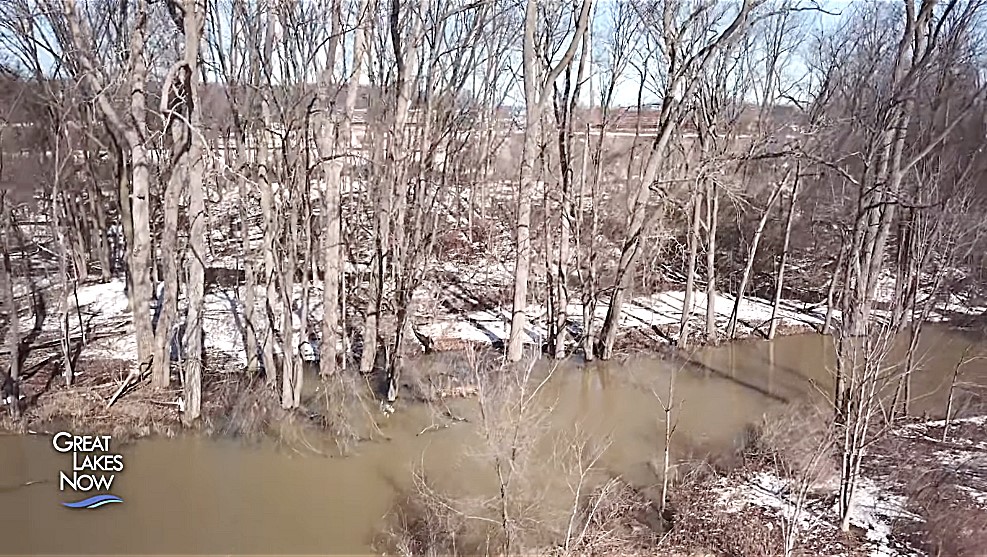
This lesson will explore the phenomenon of stonefly larvae as an indicator species for water quality in the Great Lakes and some of the citizen science efforts being done to utilize stoneflies to learn about the ecosystems in the Great Lakes. Students will create an infographic about an indicator species, learn about the history of canaries in coal mines, and model ecosystem health using an ecosystem model with indicator species.
Shoreline science
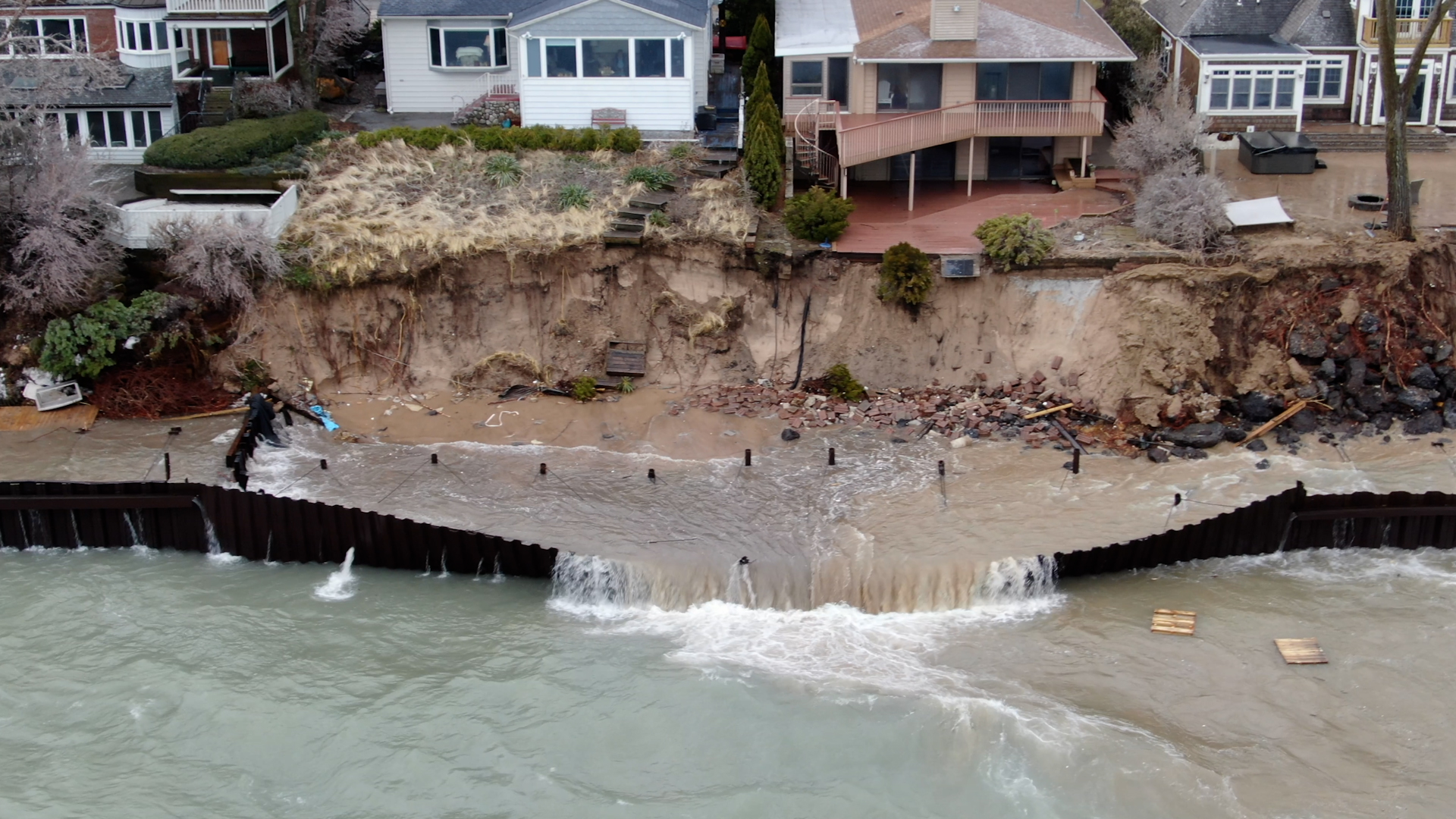
This lesson will explore the phenomenon of shoreline erosion, as students learn about how bodies of water, like rivers, carve out the landscapes around them, moving and depositing sediment, supporting the aquatic ecosystem, and providing natural and man-made ways to interact with human activities and the environment.
Dynamic populations
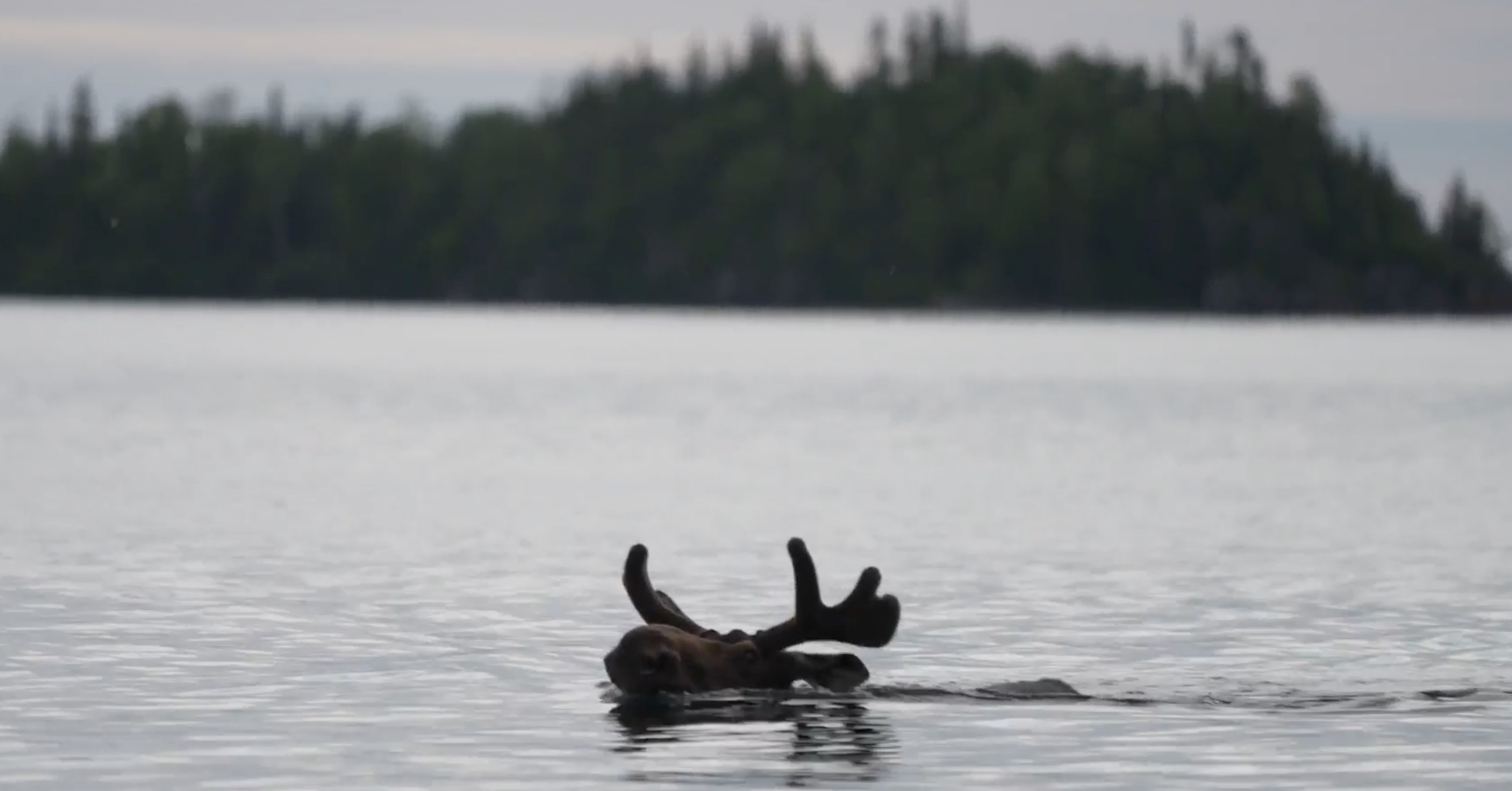
This lesson will explore the phenomenon of the moose-wolf population dynamics on Isle Royale, as students learn about how one of our lesser-known national parks provides a firsthand opportunity to witness biology, ecology, and history in action. They will explore the dynamics of predator-prey relationships, conduct field observations about populations in their own area, and mathematically model the moose-wolf population biology over time.
Great Lakes gradients
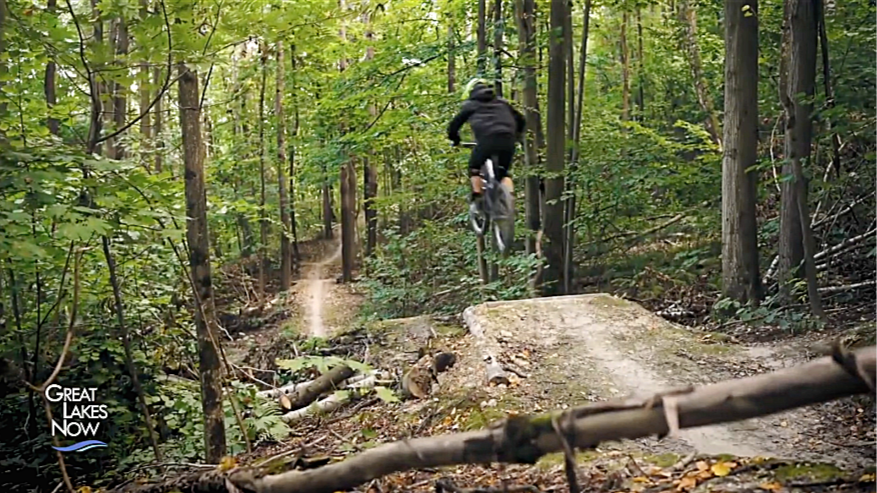
This lesson will explore the phenomenon of natural gradient, as students learn about how the natural flow of the Great Lakes landscape can provide a smooth path for mountain bike riding. They will explore the physics of accelerated motion, explore the math of slope, and investigate existing and planned trails in the Great Lakes before building a slow, smooth-rolling trail to move marbles, modeling the design of mountain biking trails.
Shoreline stones
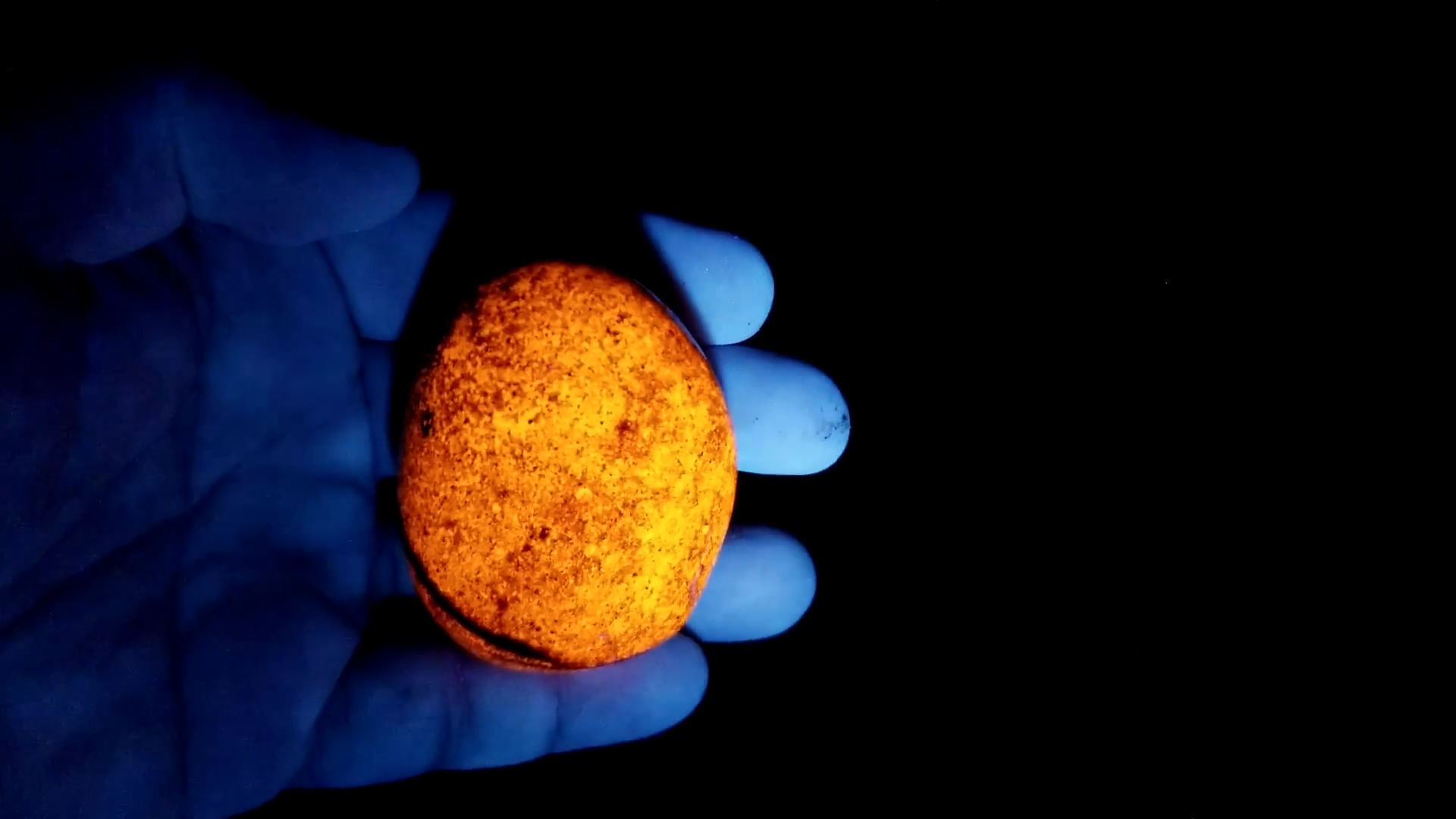
This lesson will explore the phenomenon of erosion, as students learn about the diversity of rocks present in the Great Lakes. They will explore the geology of the region and the outdoor adventure that make rock hunting in this area special, as well as conduct a variety of experiments to better understand rock formation and classification in the Great Lakes.
Surveying shipwrecks
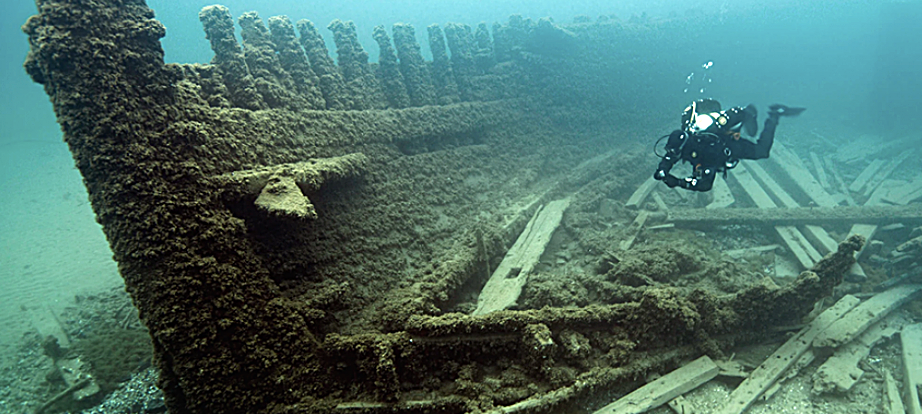
This lesson will explore the phenomenon of corrosion as students learn about sunken ships in the Great Lakes and the glass-bottomed tour boats that take people to explore them. In doing so, they’ll delve into such science topics related to exploring shipwrecks as gas laws and more.
Combatting food waste
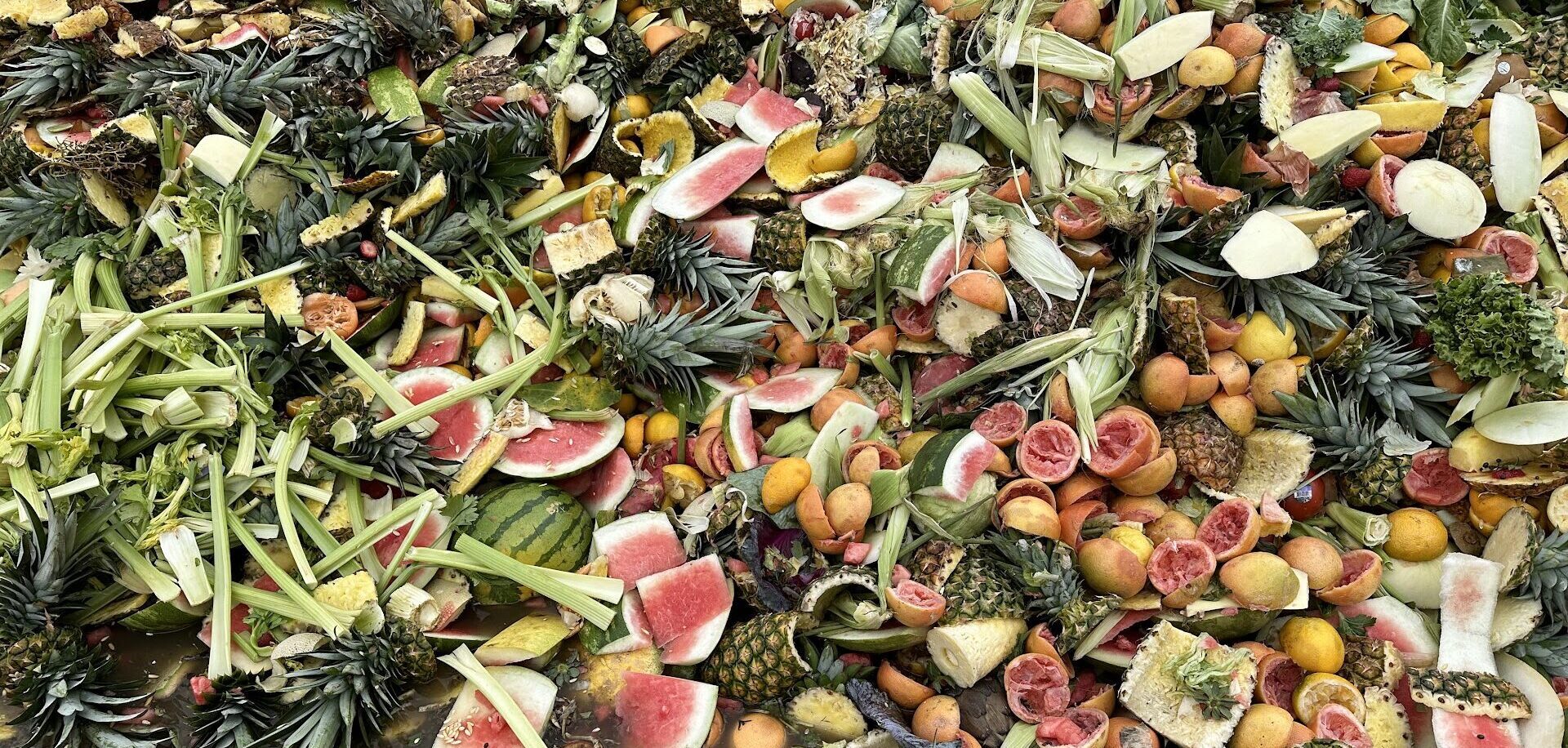
This lesson will explore a variety of topics related to food waste. They’ll gain insights into the reality of food waste, research efforts in their local communities to combat it, and conduct an experiment to investigate the impact of food storage methods on food waste.
Recycling freighters
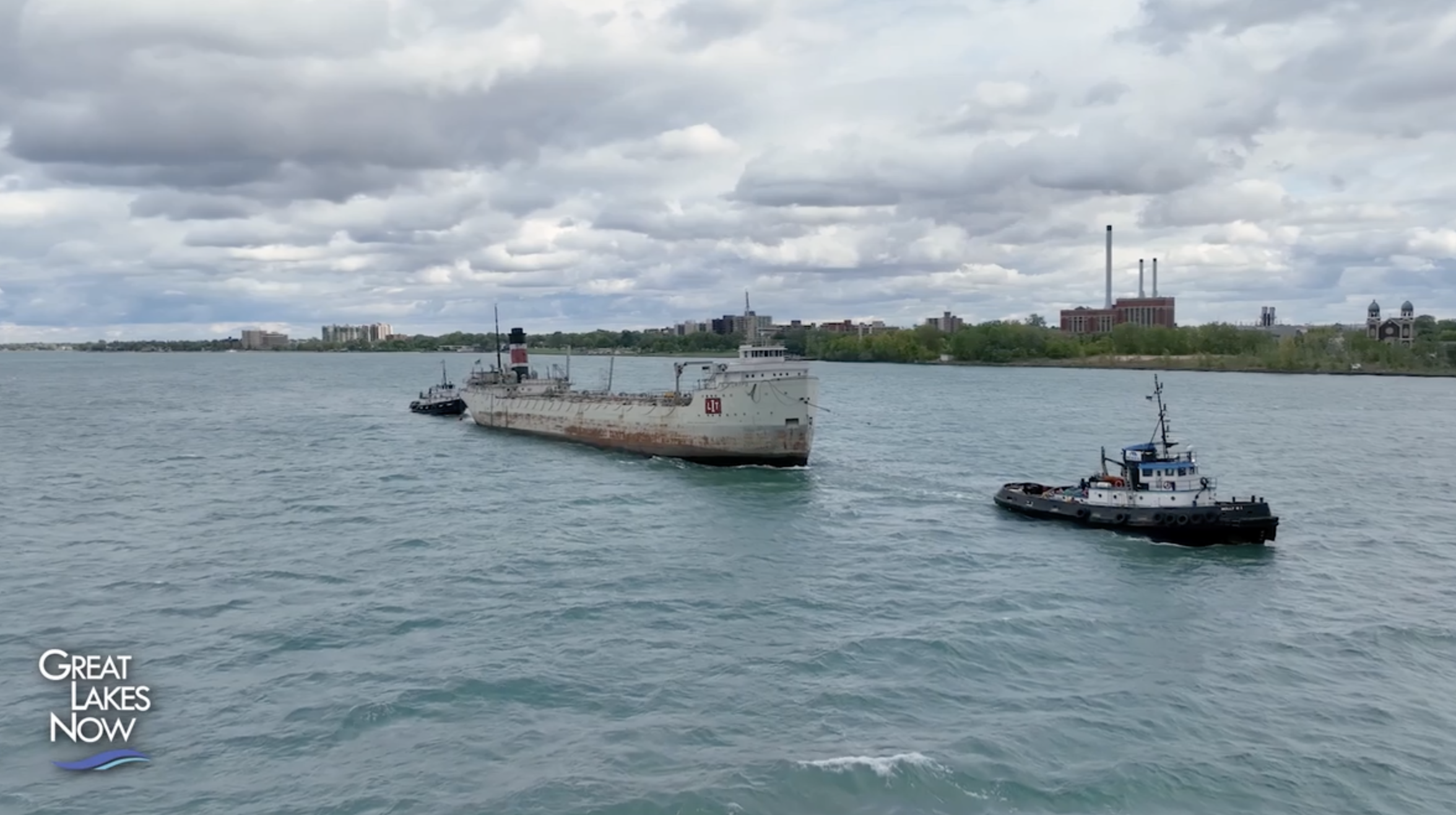
This lesson will explore the phenomenon of shipbreaking, including how the technique of breaking down freighters allows us to recycle the materials and parts of the ship for other uses. Students will model shipbreaking in order to better understand the process.
Sweet sweet energy
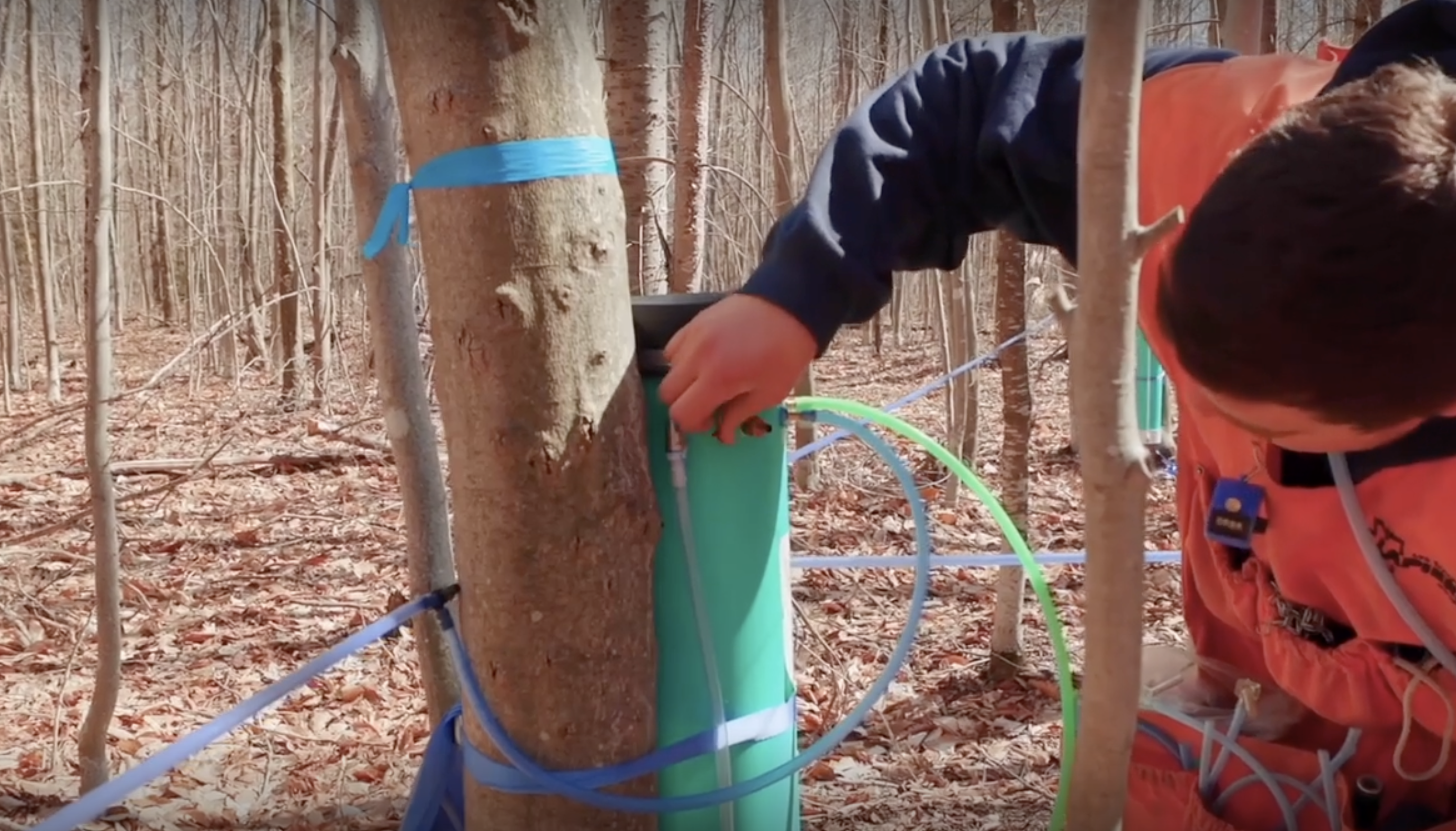
This lesson will explore the phenomenon of maple sap production in the Great Lakes, as it pertains to chemical energy storage and transfer, in contrast with mechanical energy storage and transfer in wind turbines. Students will model the production of maple syrup from sap by making simple syrup and perform a distillation experiment with cola.
How Is Our Climate Changing?
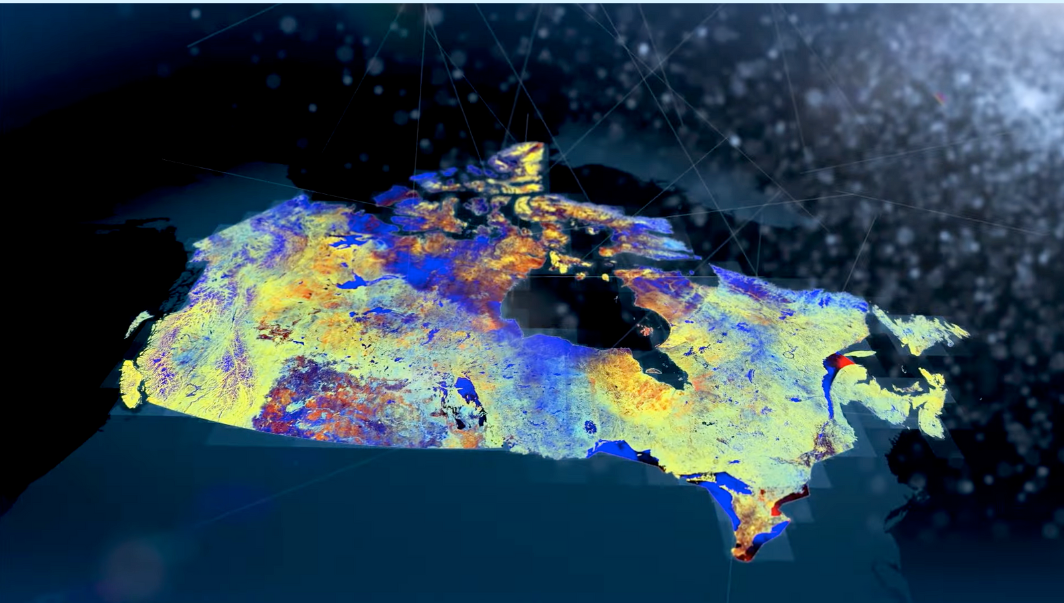
This lesson will explore the phenomenon of disappearing ice in the Great Lakes and the impact this has on ice fishing as a result of climate change. Students will explore the global average temperatures over time, model the greenhouse effect, conduct an experiment to model ocean acidification, and create an infographic to communicate the issue of climate change and how the impacts of human activites on the natural system can be reduced.
Citizen science in the Great Lakes
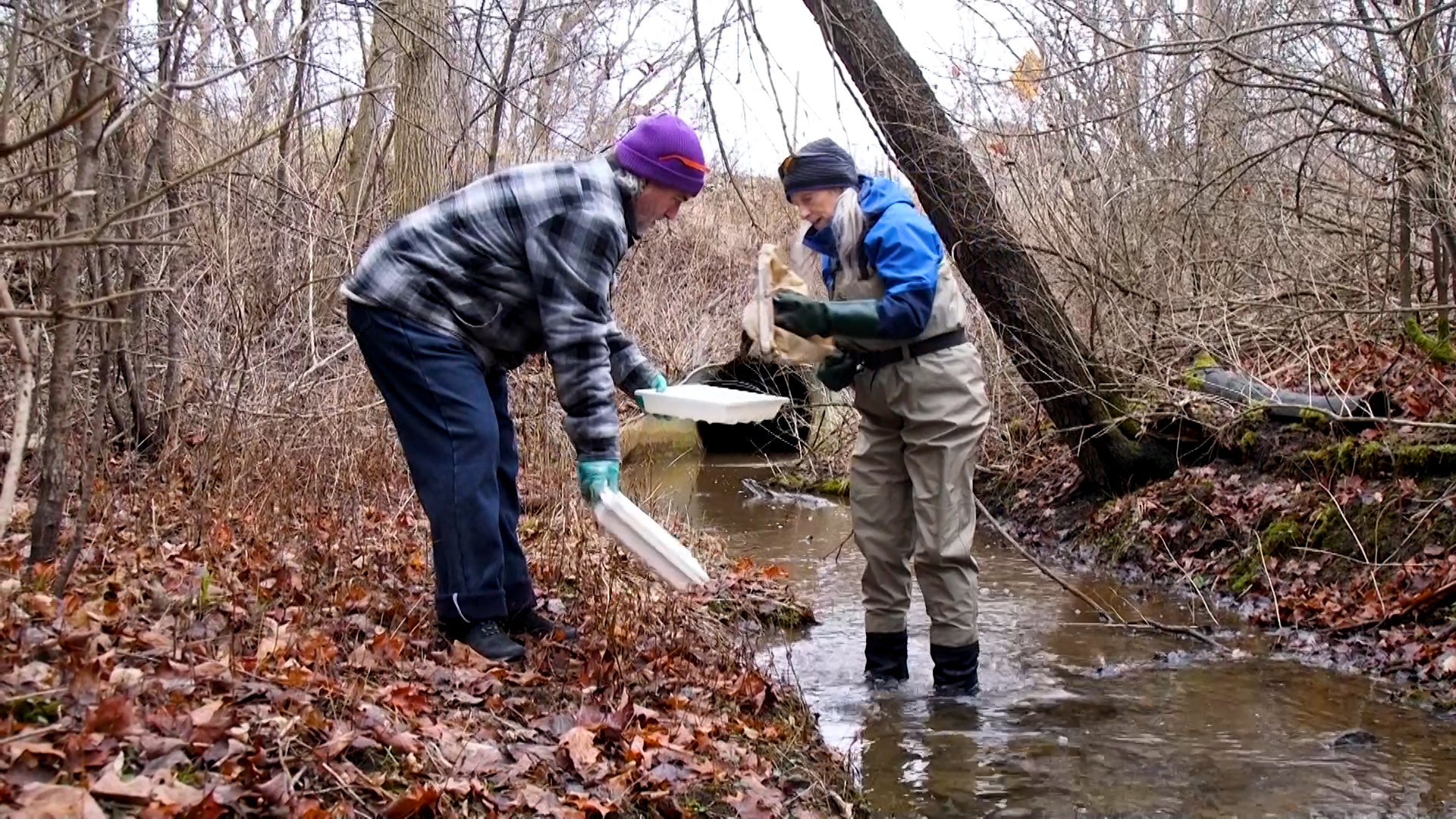
This lesson will explore the phenomenon of light pollution in the Great Lakes and some of the citizen science efforts going on around the region. Students will explore the impact that artificial lights have on night sky visibility for star gazing, learn about how everyday people can contribute to scientific research, and engage in citizen science projects in their community.
How cold is melting ice?
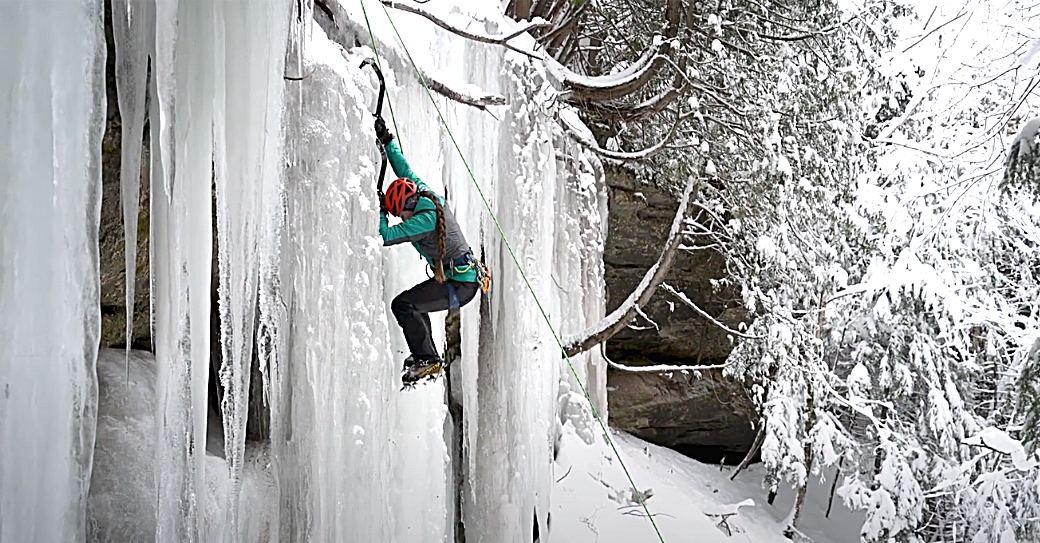
This lesson will explore the phenomenon of ice climbing in the Great Lakes. Students will explore the phase changes associated with water going between the liquid and solid state in order to learn about the formation of ice that is climbable, the melt patterns of ice, and how salinity affects ice melting.
Shrewd Sanitation
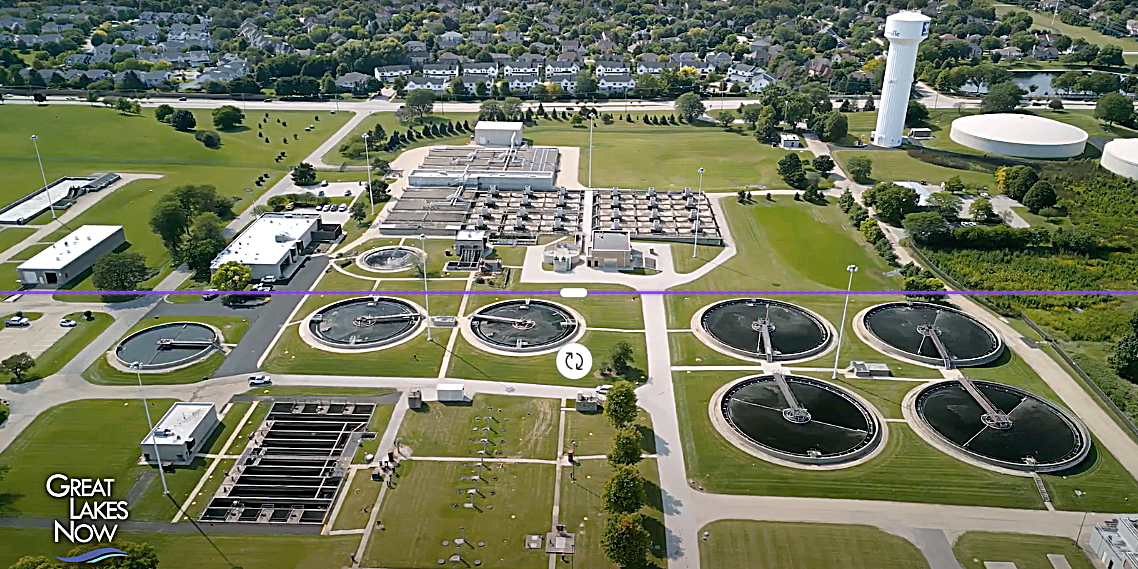
This lesson will explore the phenomenon of water pollution from combined sewer systems in the Great Lakes by learning about the smart sewer technology developed at Notre Dame and implemented in South Bend, IN. Students will learn about the technology, the water pollution problem it is trying to solve, and engineer a model sewer system of their own using household materials to transport water a distance.
Venomous Fish in the Great Lakes
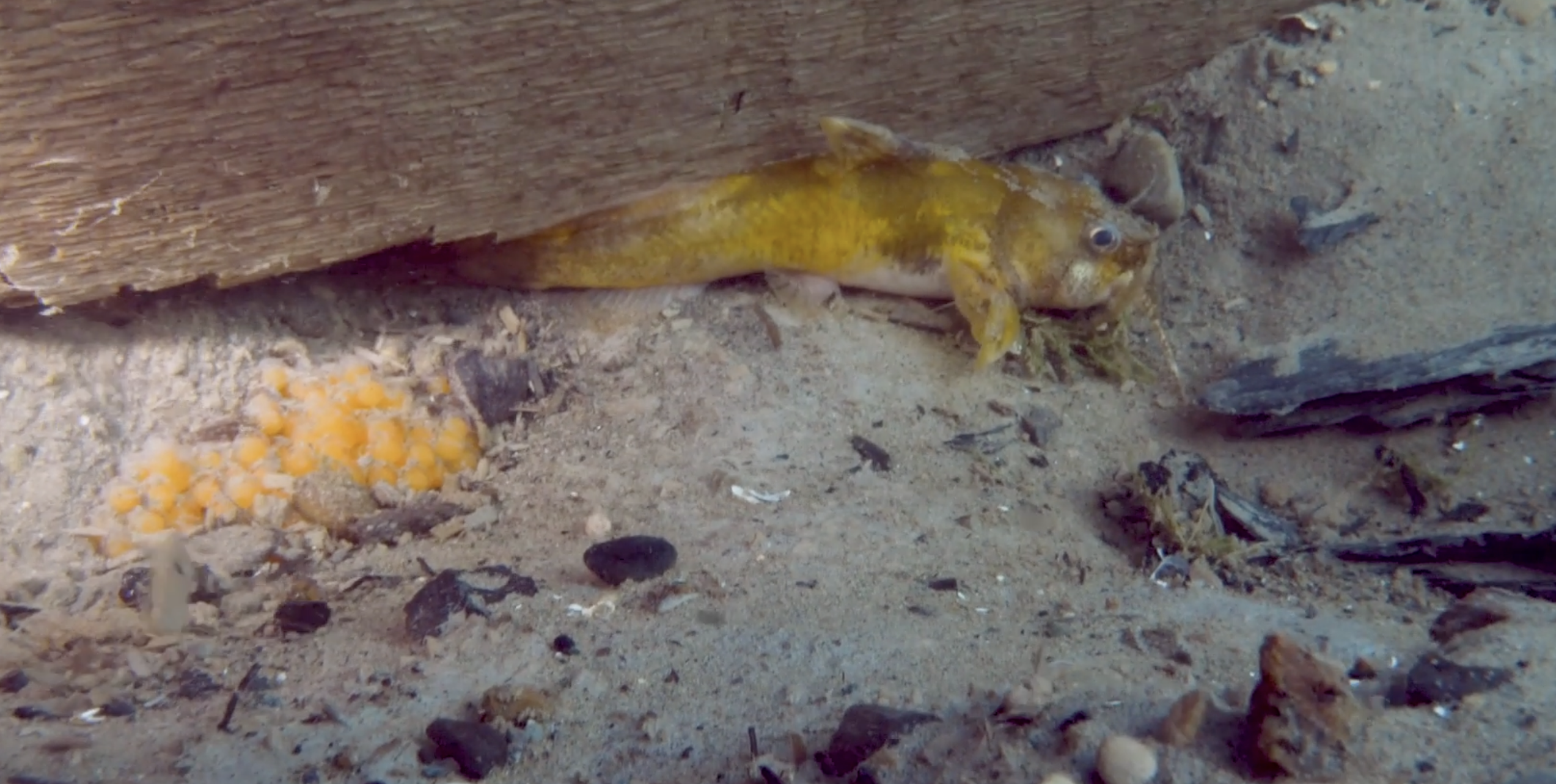
This lesson will explore the phenomenon of venomous fish in the Great Lakes by learning about the Northern Madtoms. Students will learn about the species, learn about how scientists make decisions to classify species like the Northern Madtom, and create an infographic about the species to inform others about it.
Constant Speed Ahead
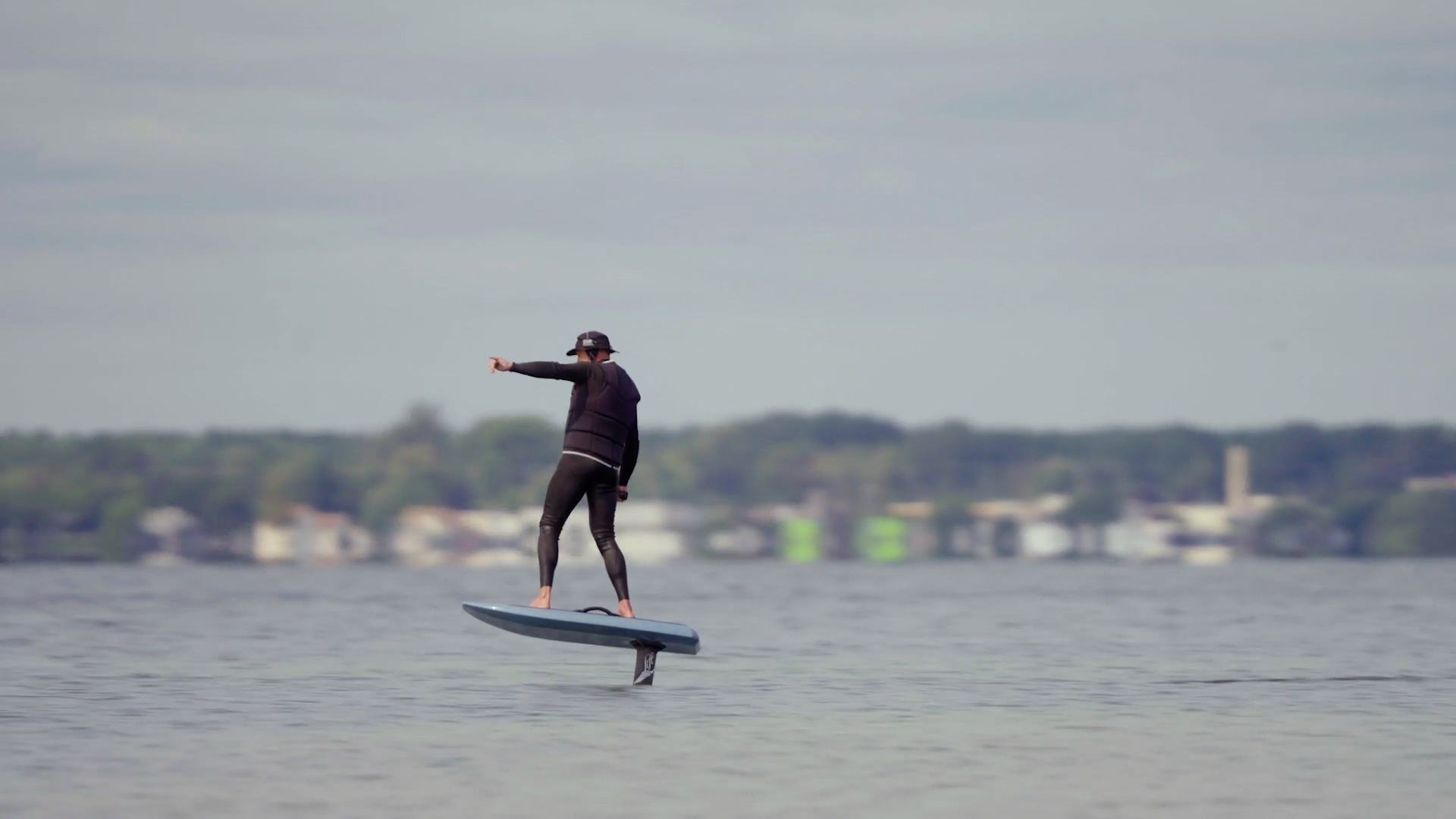
This lesson will explore the sport of eFoiling and how Newtonian physics can be used to explain the phenomenon of the surfboard moving on the Great Lakes. Students will learn to model constant speed and how balanced forces allow objects to move at constant speeds.
Mapping the Floor of the Great Lakes
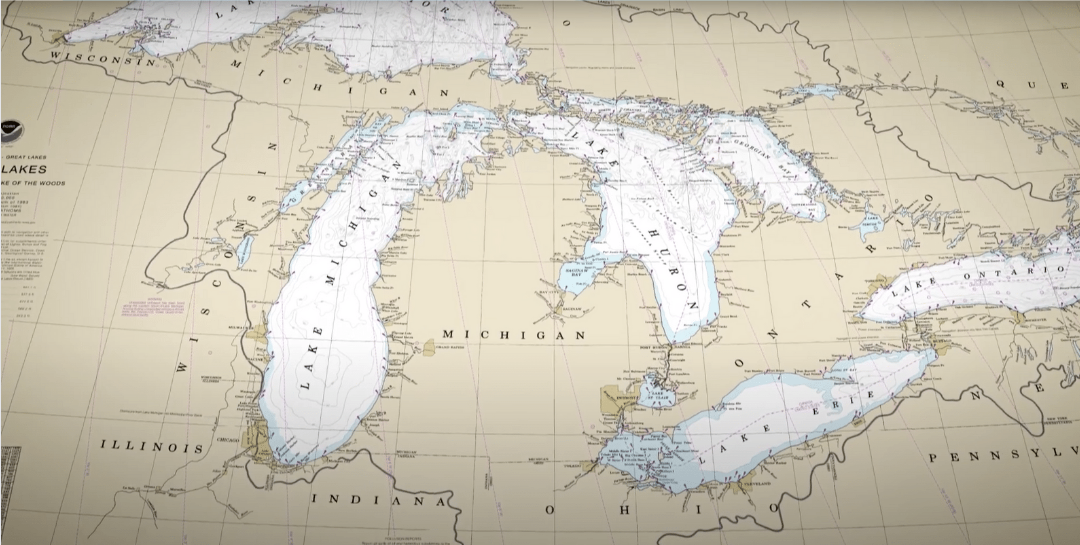
This lesson will explore the phenomenon of sound waves underwater used to map landforms and how modern technology is helping update the maps of the terrain beneath the Great Lakes. Students will learn about the history of mapping the lakebed and the SONAR technology used by NOAA to upgrade our maps.
Fascinating Freshwater Fish
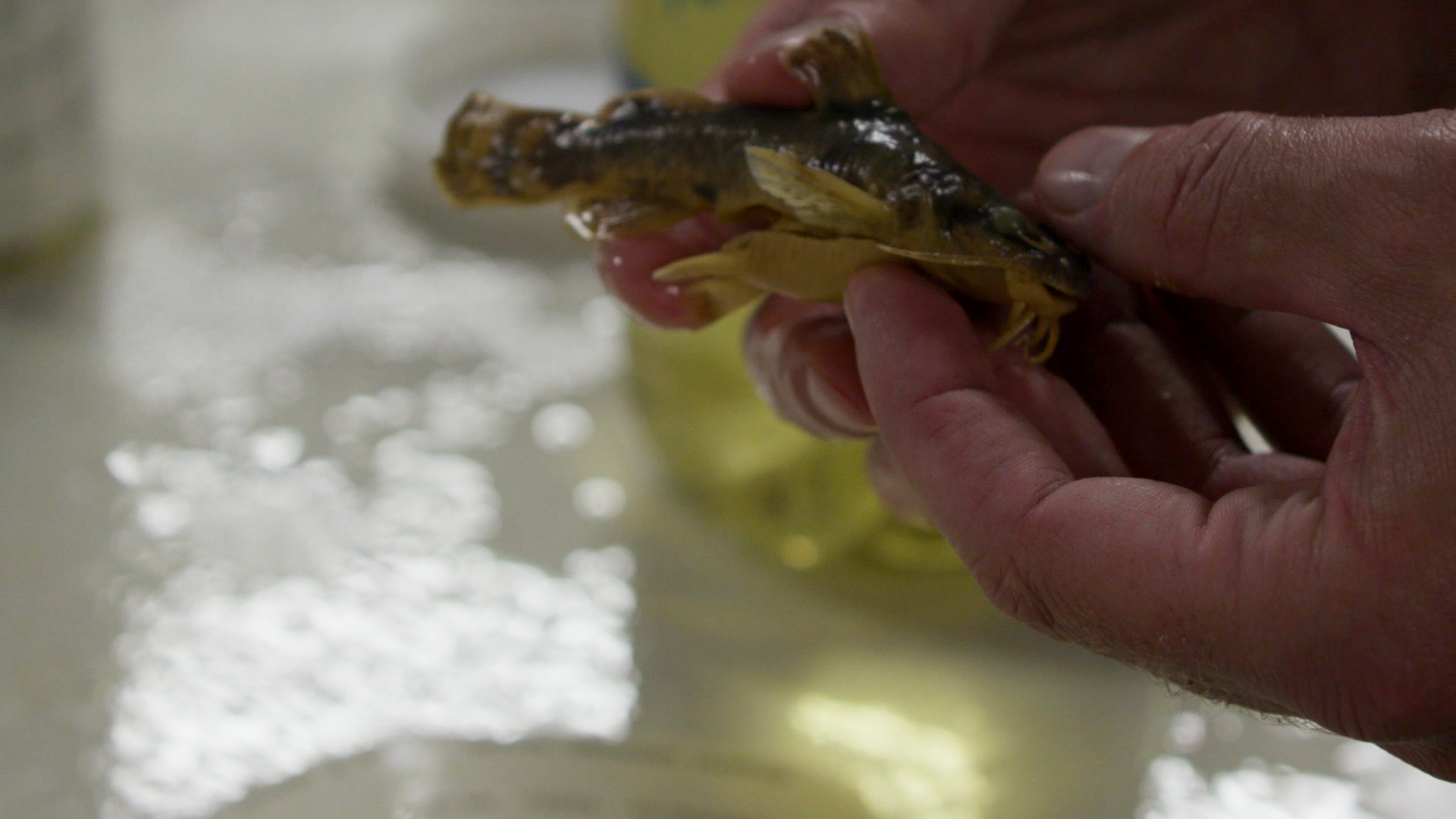
This lesson will explore the phenomenon of biodiversity in the Great Lakes and the efforts one museum in Ontario, Canada has taken to catalog it. Students will learn about the history of fish indexing in the Great Lakes, the type collection at the Royal Ontario Museum, and discover why this kind of organism library is helpful to preserving the Great Lakes ecosystem.
Combatting Coal Ash
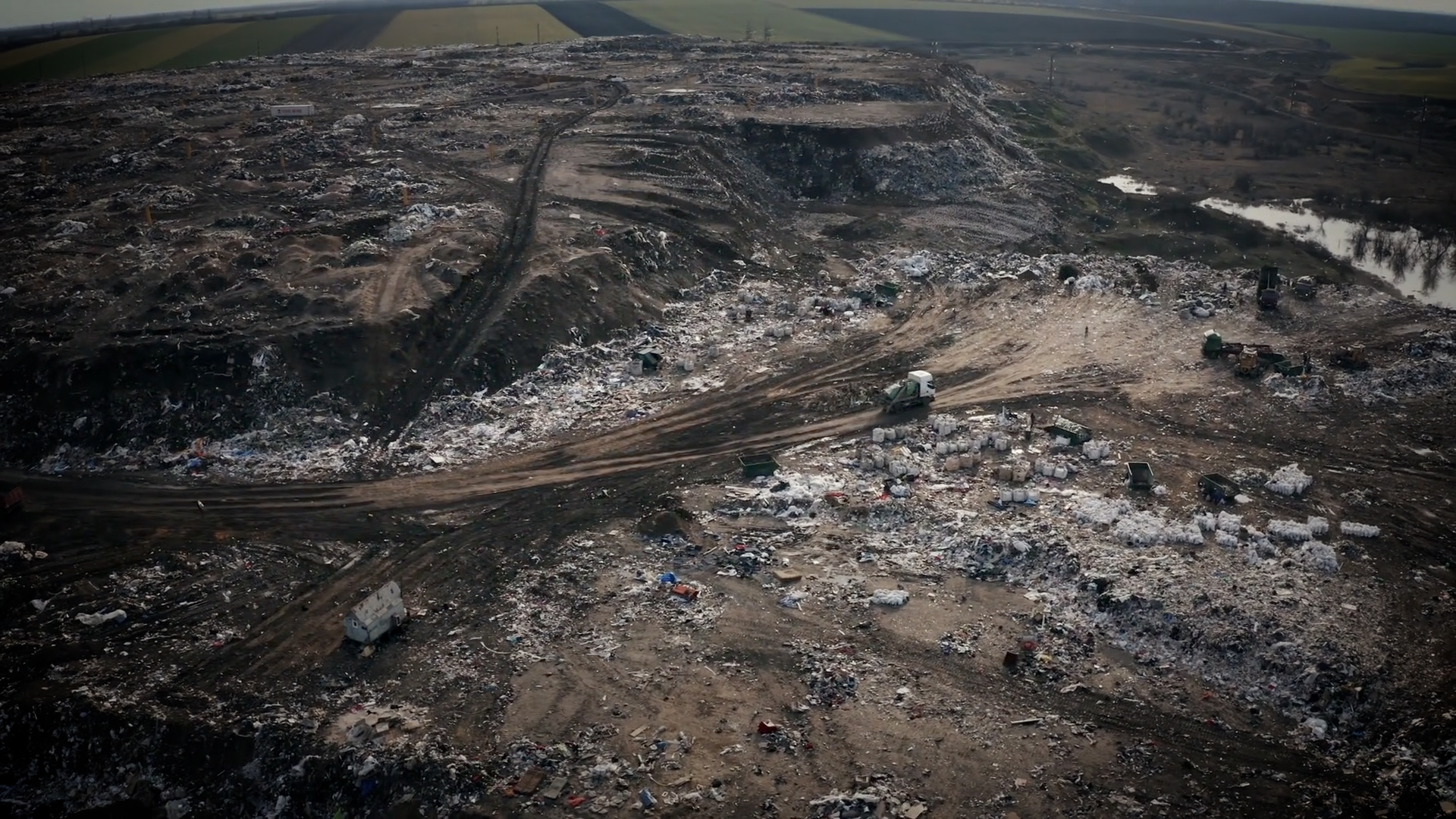
This lesson will explore the phenomenon of coal ash contamination in groundwater and the threat it poses to Lake Michigan and other areas of the Great Lakes waterways. Students will learn about the history of coal ash disposal, the discovery of coal ash in groundwater, and efforts to address the problem.
Superior Salamanders
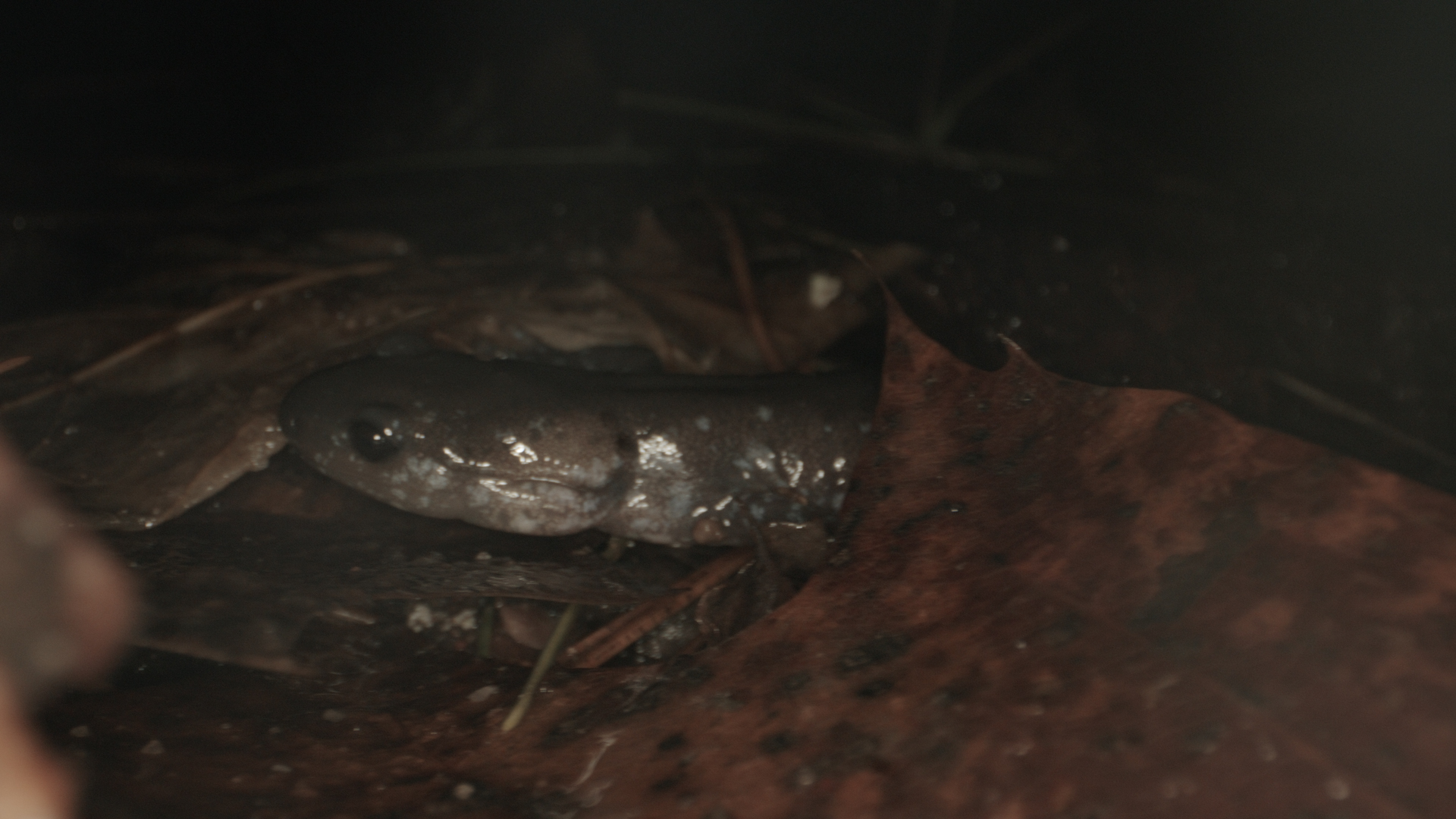
This lesson will explore the phenomenon of salamander migration — across a main road — in Presque Isle Park near Lake Superior and the efforts to protect the population from the effects of human activity. Students will learn about the salamander migration, including the unique female-only population, to vernal pools.
The Great Lakes “Vampire”
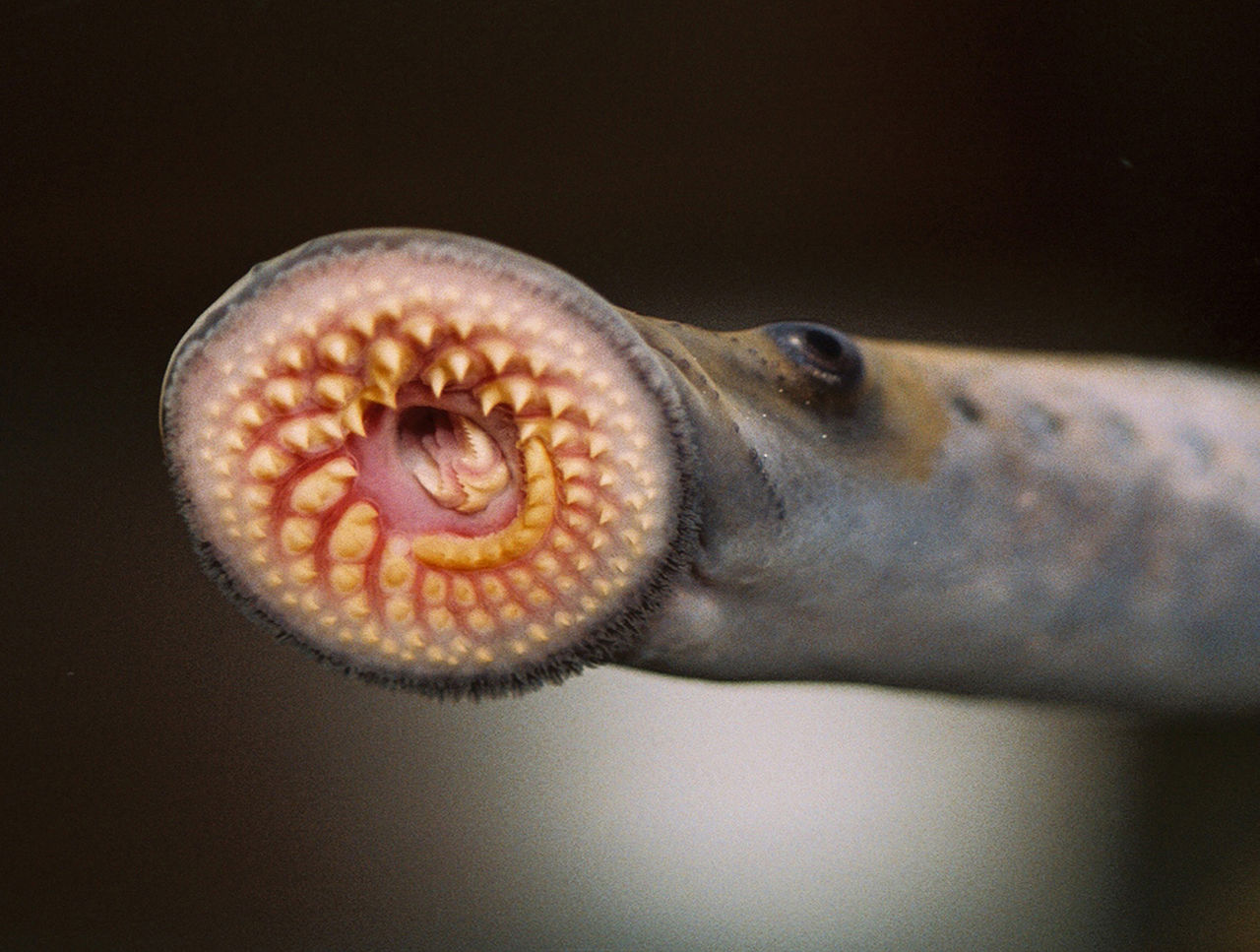
This lesson will explore the phenomenon of invasive species in the Great Lakes, specifically the sea lamprey, to help students learn how predator-prey relationships affect populations in an ecosystem, why invasive species like the sea lamprey pose a threat to the Great Lakes, and which efforts can most successfully control them.
The Cost of Drinking Water
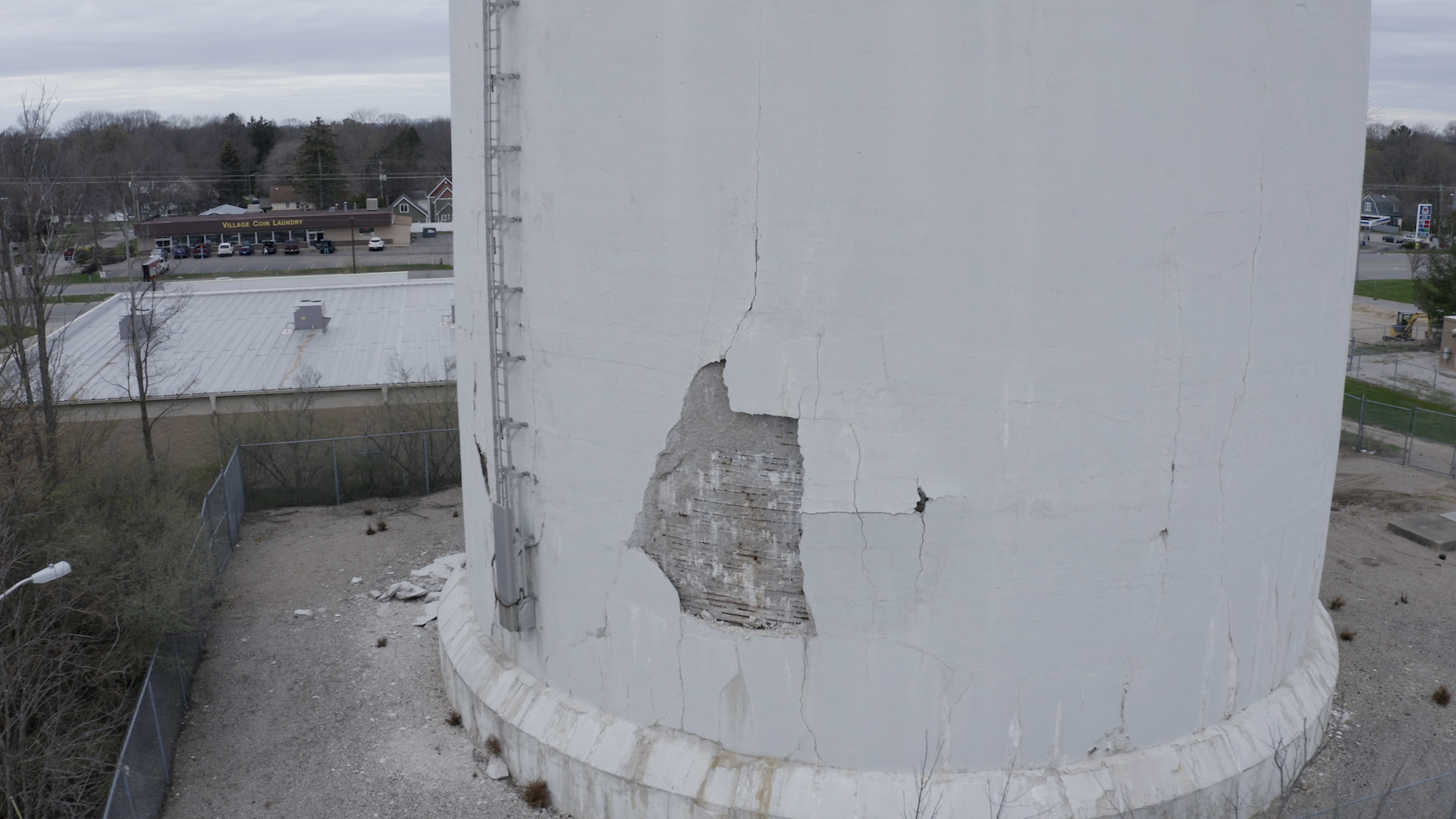
Based on an independent project by the Great Lakes News Collaborative to better understand the real cost of water, this lesson will explore the costs associated with providing drinking water to communities in the Great Lakes and across the U.S. Students will learn how water infrastructure systems naturally age and need to be maintained, upgraded, fixed, or replaced, and how that life cycle of the infrastructure affects water quality and cost to communities who depend on fresh, clean water.
The Fungus Among Us
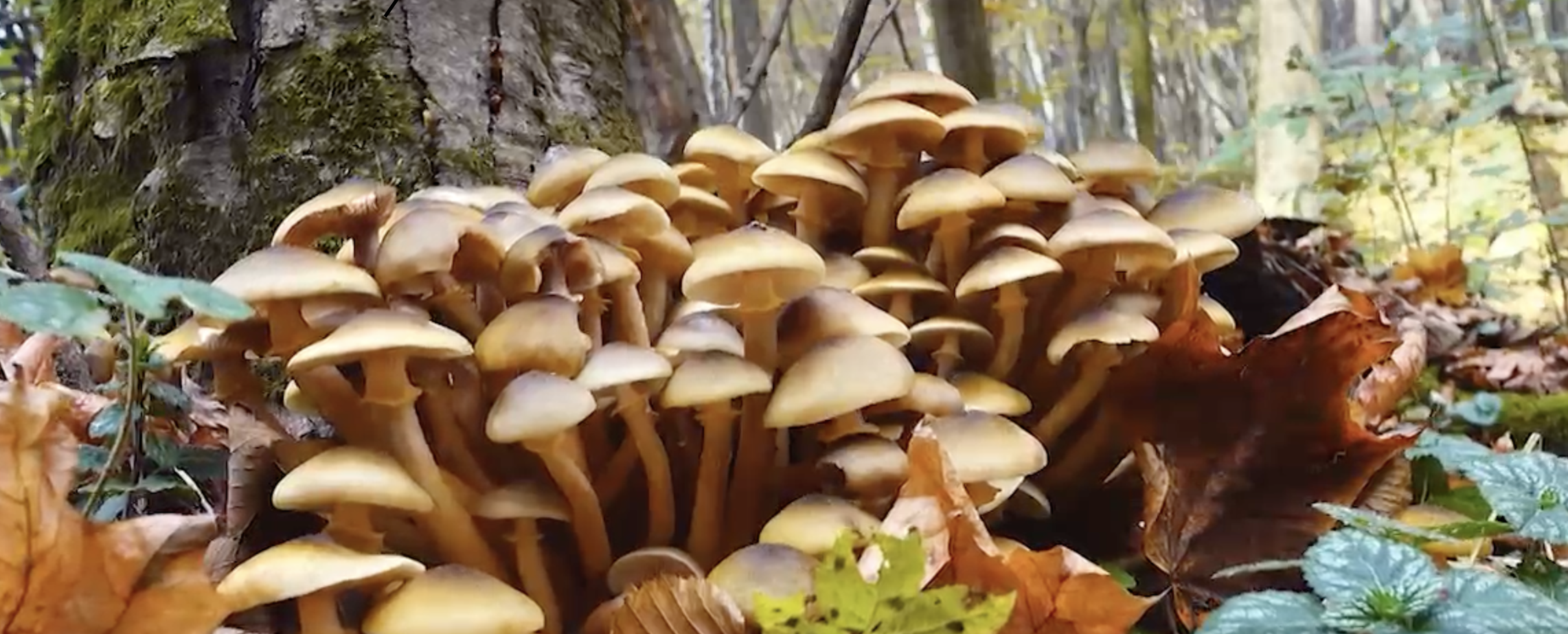
This lesson will explore the phenomenon of fungal networks in the city of Crystal Falls, MI to help students learn some of the science of the fungi kingdom. They will learn how fungi help plants to communicate with each other and contribute to everyday foods we enjoy. Learners will engage in experiments to investigate the factors that affect mold growth on bread, how temperature influences yeast growth, and create a model to explain fungal networks.
Sailing Close to the Winter Wind
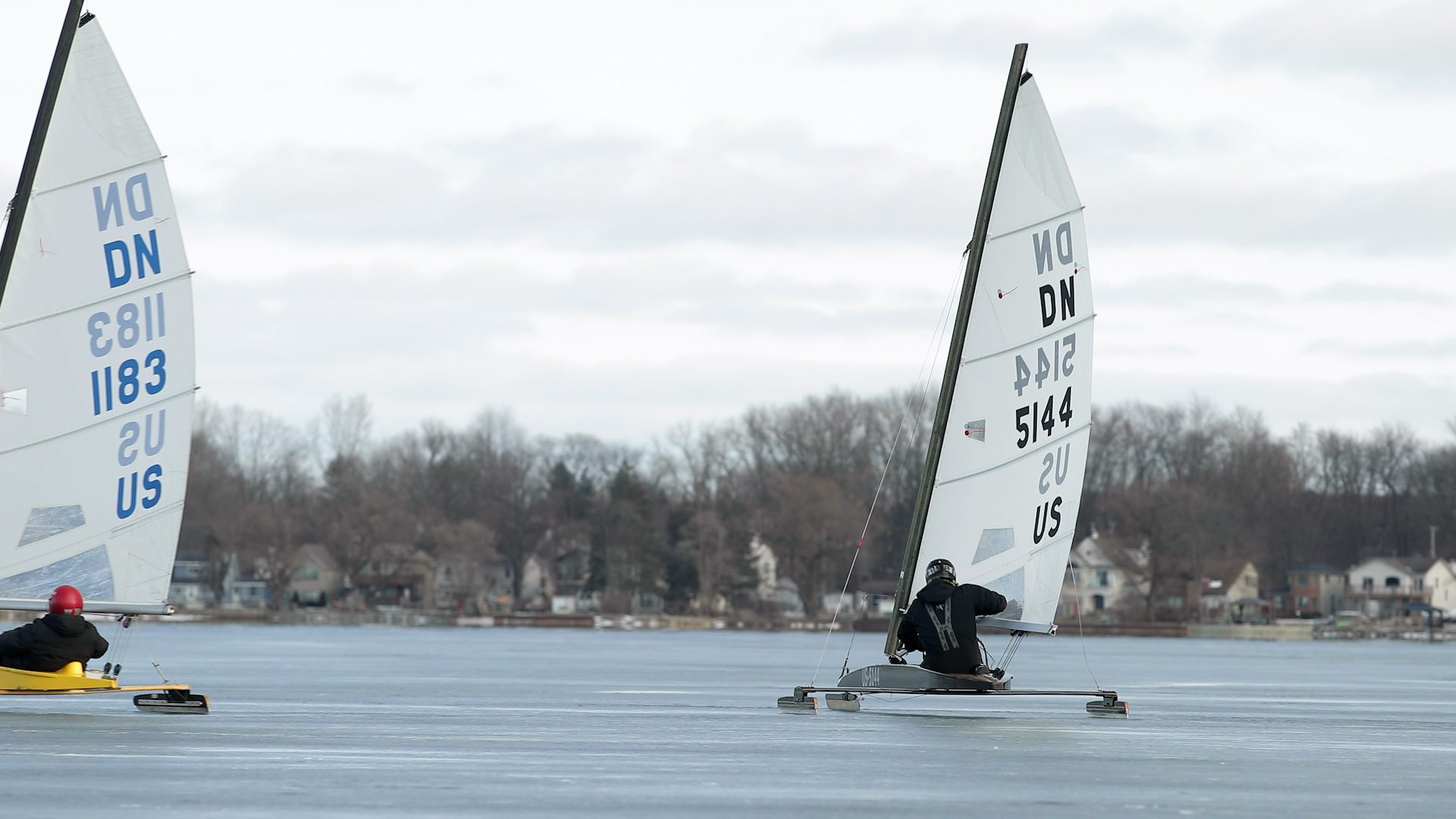
This lesson will explore the phenomenon of wind in the winter through the pastime of ice boating to learn about the science behind how winds are produced, sailboats move, and how wind can be a renewable source of energy. Learners will engage in design projects to build a wind-powered sail cart, anemometer