
IN THIS EPISODE:
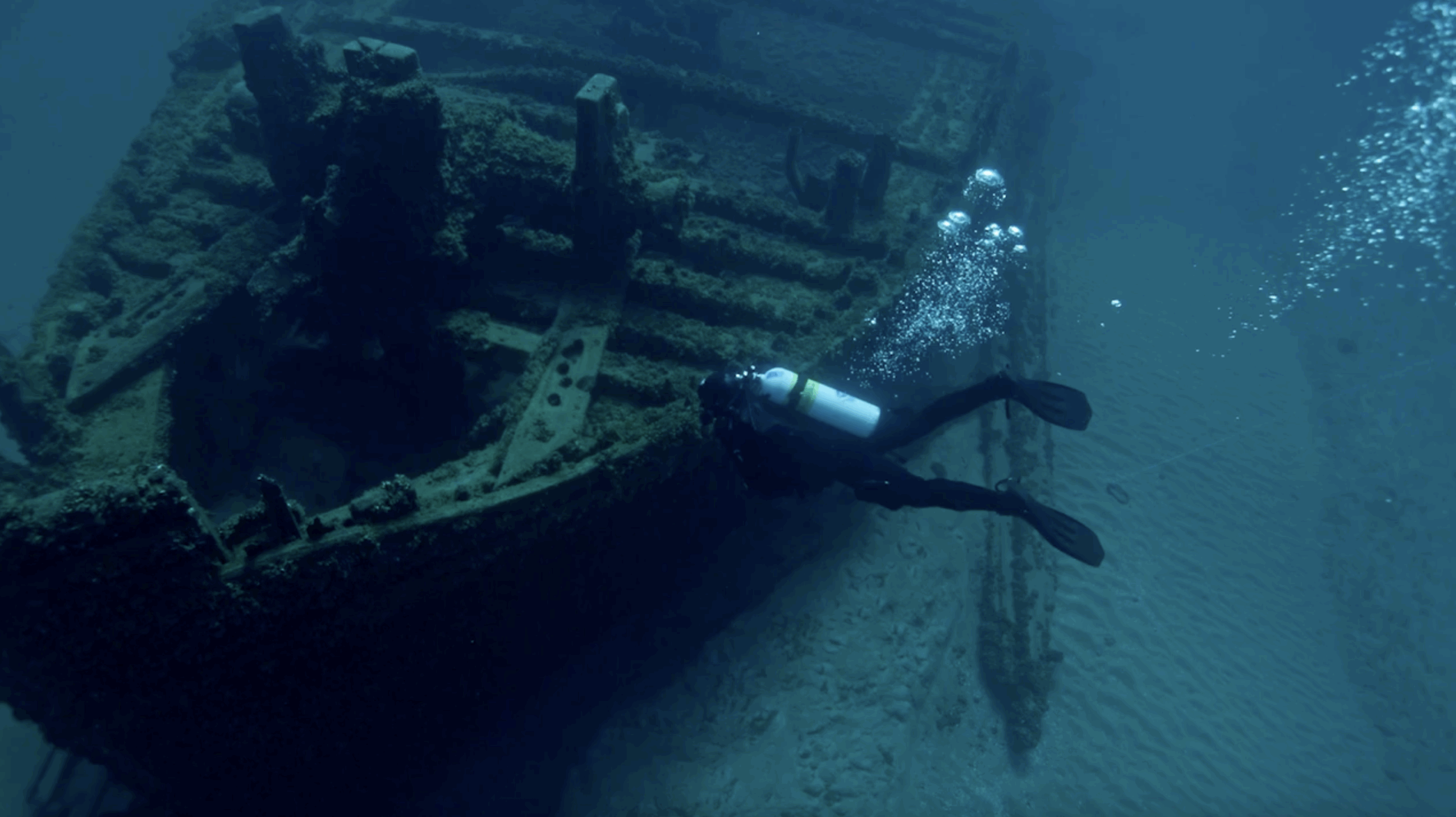
On this episode of Great Lakes Now, join Ian Solomon on a shipwreck adventure in Thunder Bay National Marine Sanctuary and find out how researchers at Lake Ontario National Marine Sanctuary are bringing shipwrecks to your living room. Plus, discover the story of a Canadian forest that built a Chicago media empire.
When to Watch?
Check your local station for when Great Lakes Now is on in your area.
Diving into Thunder Bay’s underwater museum
SEGMENT 1 | ALPENA, MI
Lake Huron’s Thunder Bay National Marine Sanctuary is home to hundreds of shipwrecks, each with its own story to tell about the region’s maritime heritage.
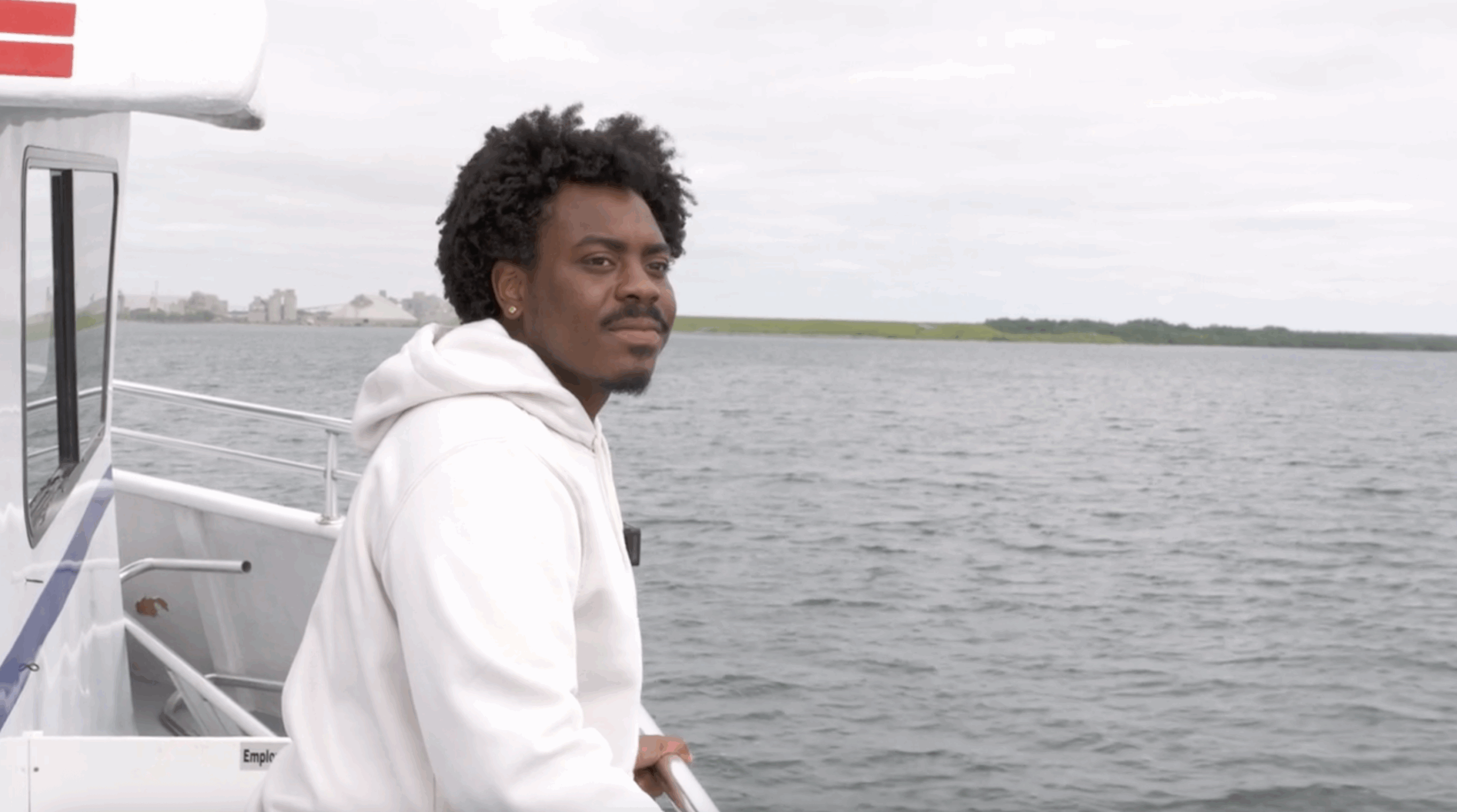
Great Lakes Now contributor Ian Solomon set out to experience this history firsthand. His journey began at the Great Lakes Maritime Heritage Center in Alpena, Michigan, where interactive exhibits bring the history of Great Lakes shipping to life. There, visitors can step aboard replicas, examine artifacts, and get a sense of what it was like to work aboard these massive vessels.
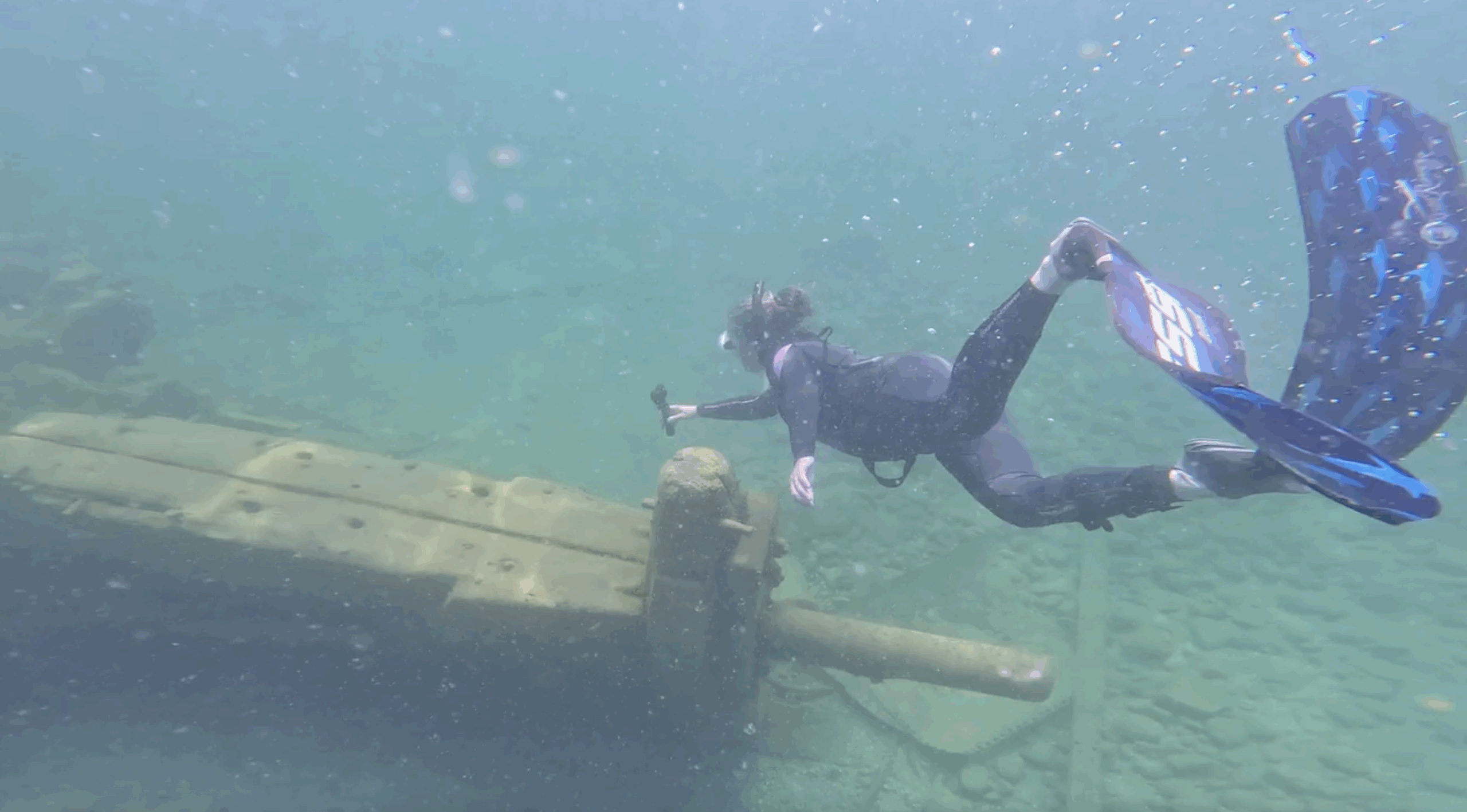
From the museum, Ian headed out onto the water. A glass-bottom boat tour offered a one-of-a-kind view of several wrecks resting on the lakebed, their shapes and details visible through the clear water. But the adventure didn’t end there. To truly get up close, Ian pulled on a mask and snorkel to explore the Joseph S. Fay, a freighter lost in 1905, just beneath the surface.
Join Ian as he explores the history and adventure of Thunder Bay National Marine Sanctuary.
Discover Lake Ontario’s forgotten wrecks (from home)
SEGMENT 2 | LAKE ONTARIO
How Canadian forests built a Chicago media empire
SEGMENT 3 | CHICAGO, IL ; THOROLD, ON
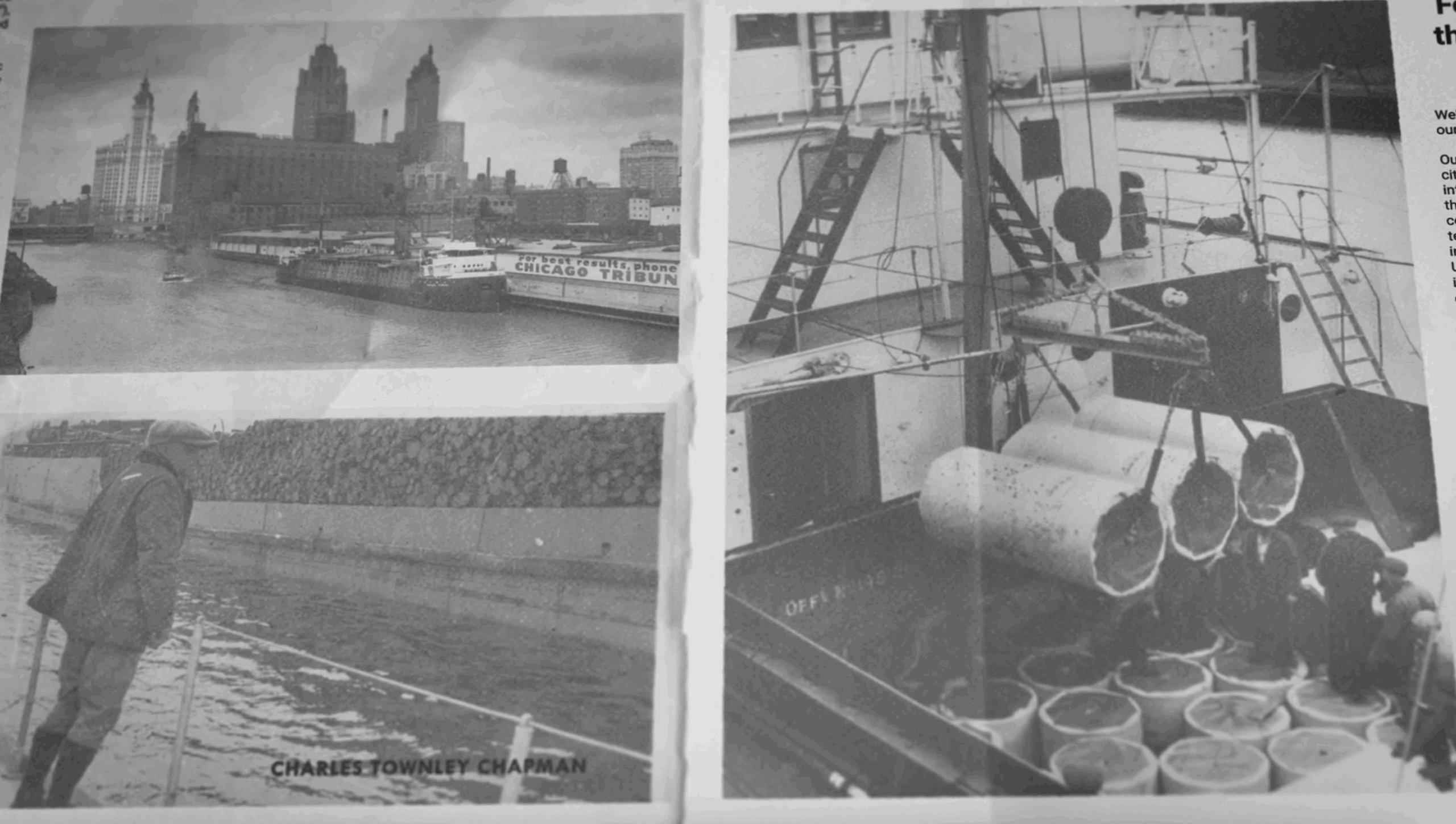
In the 20th century, the newspapers that landed on Chicago doorsteps carried with them a story that began hundreds of miles away, deep in the forests of Quebec. For decades, the Chicago Tribune relied on Canadian pulpwood to fuel its massive demand for newsprint.
At the center of this operation was the Ontario Paper Company, the creation of Tribune owner Robert McCormick. The Ontario Paper Company would harvest millions of acres of timberlands in Quebec, and transport them on Tribune owned ships to the company’s paper mill in Thorold, Ontario. From there, the paper would be transported to Chicago, where it would carry headlines, cartoons, and the news of the day to readers in Chicagoland and beyond.