
Lost Ships and Newsworthy Trees

Explore shipwreck sanctuaries and a forest that fueled a media empire

Lost Ships and Newsworthy Trees

IN THIS EPISODE:

On this episode of Great Lakes Now, join Ian Solomon on a shipwreck adventure in Thunder Bay National Marine Sanctuary and find out how researchers at Lake Ontario National Marine Sanctuary are bringing shipwrecks to your living room. Plus, discover the story of a Canadian forest that built a Chicago media empire.


When to Watch?

Check your local station for when Great Lakes Now is on in your area.
Diving into Thunder Bay’s underwater museum

SEGMENT 1 | ALPENA, MI

Lake Huron’s Thunder Bay National Marine Sanctuary is home to hundreds of shipwrecks, each with its own story to tell about the region’s maritime heritage.

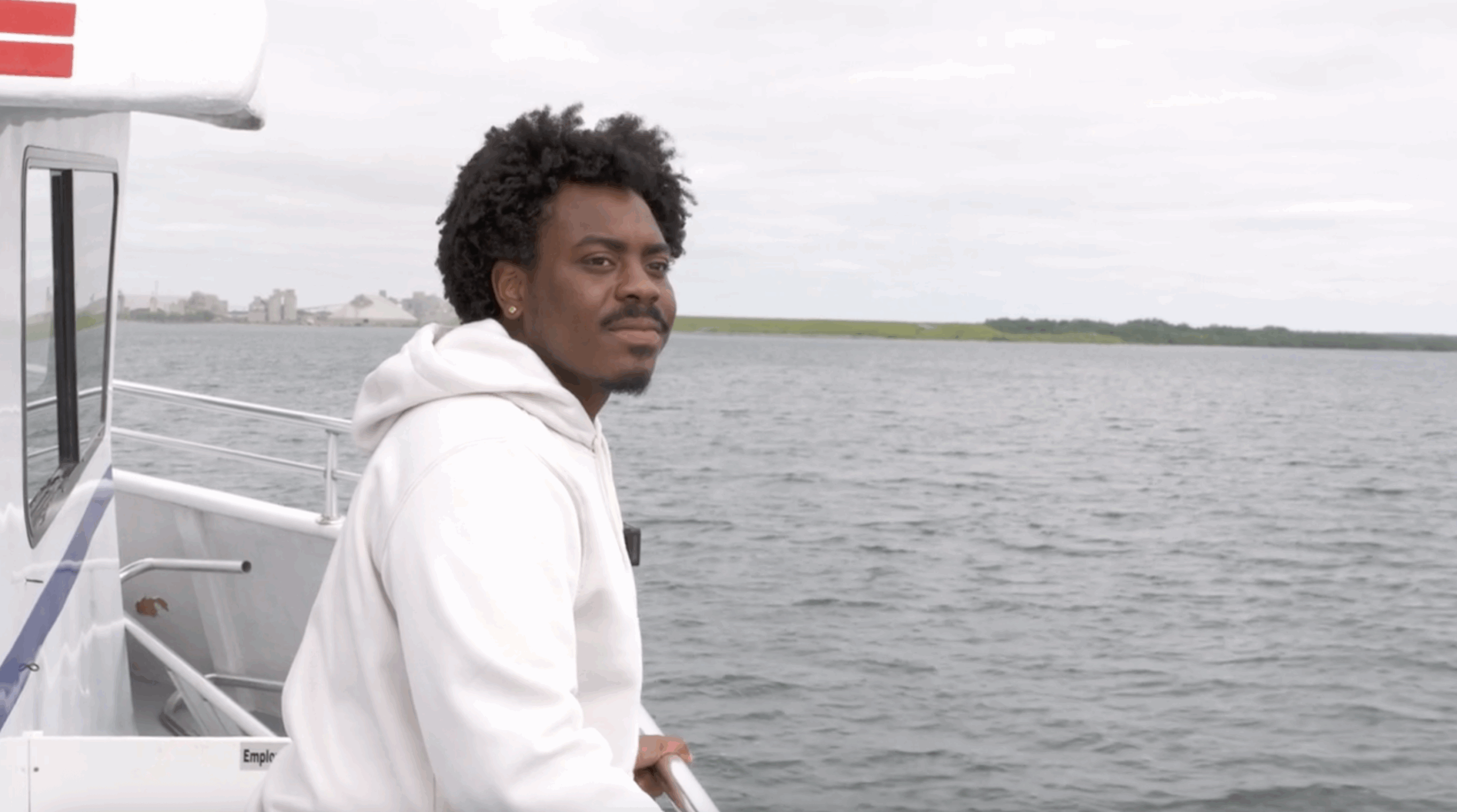
Great Lakes Now contributor Ian Solomon set out to experience this history firsthand. His journey began at the Great Lakes Maritime Heritage Center in Alpena, Michigan, where interactive exhibits bring the history of Great Lakes shipping to life. There, visitors can step aboard replicas, examine artifacts, and get a sense of what it was like to work aboard these massive vessels.

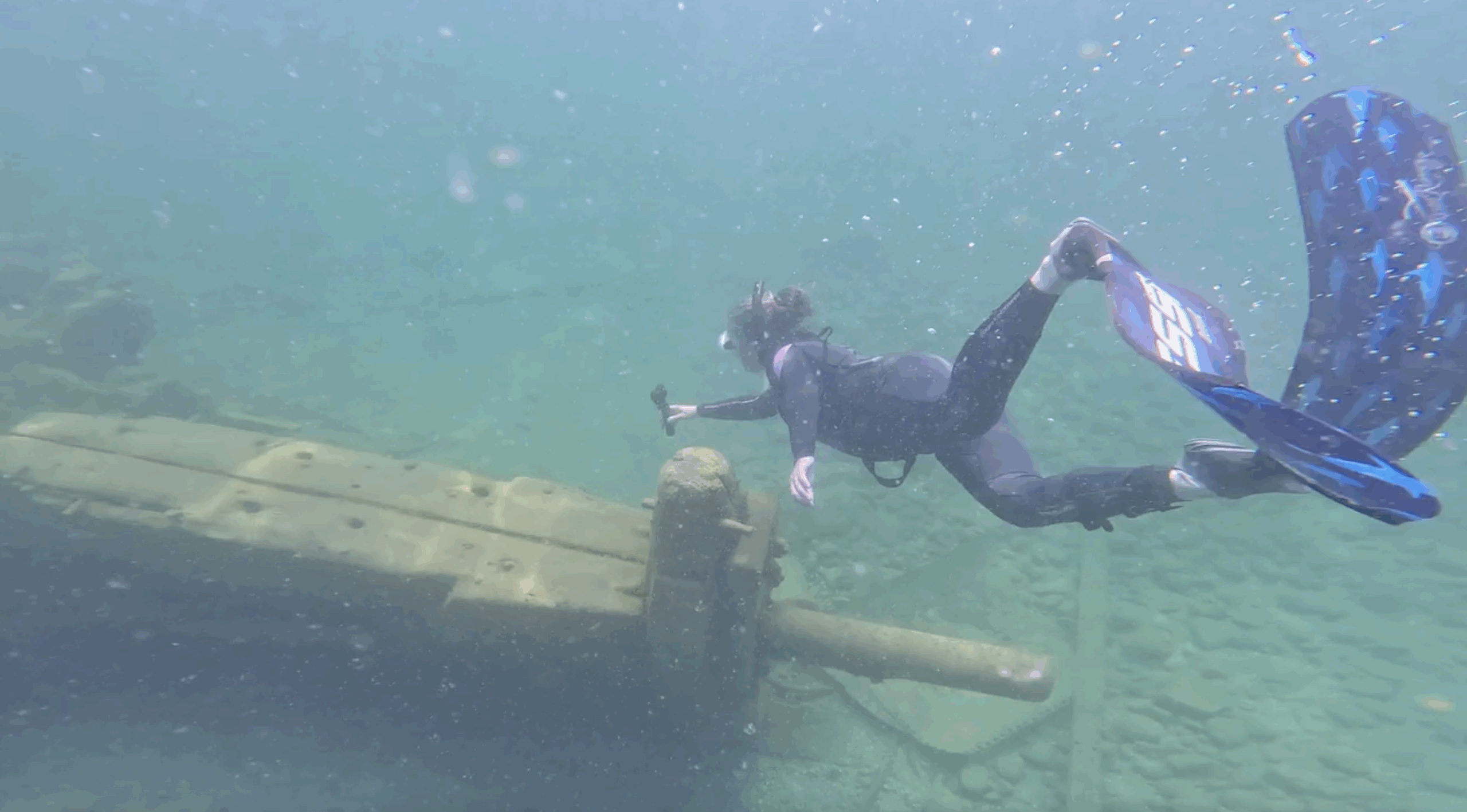
From the museum, Ian headed out onto the water. A glass-bottom boat tour offered a one-of-a-kind view of several wrecks resting on the lakebed, their shapes and details visible through the clear water. But the adventure didn’t end there. To truly get up close, Ian pulled on a mask and snorkel to explore the Joseph S. Fay, a freighter lost in 1905, just beneath the surface.

Join Ian as he explores the history and adventure of Thunder Bay National Marine Sanctuary.
Discover Lake Ontario’s forgotten wrecks (from home)

SEGMENT 2 | LAKE ONTARIO
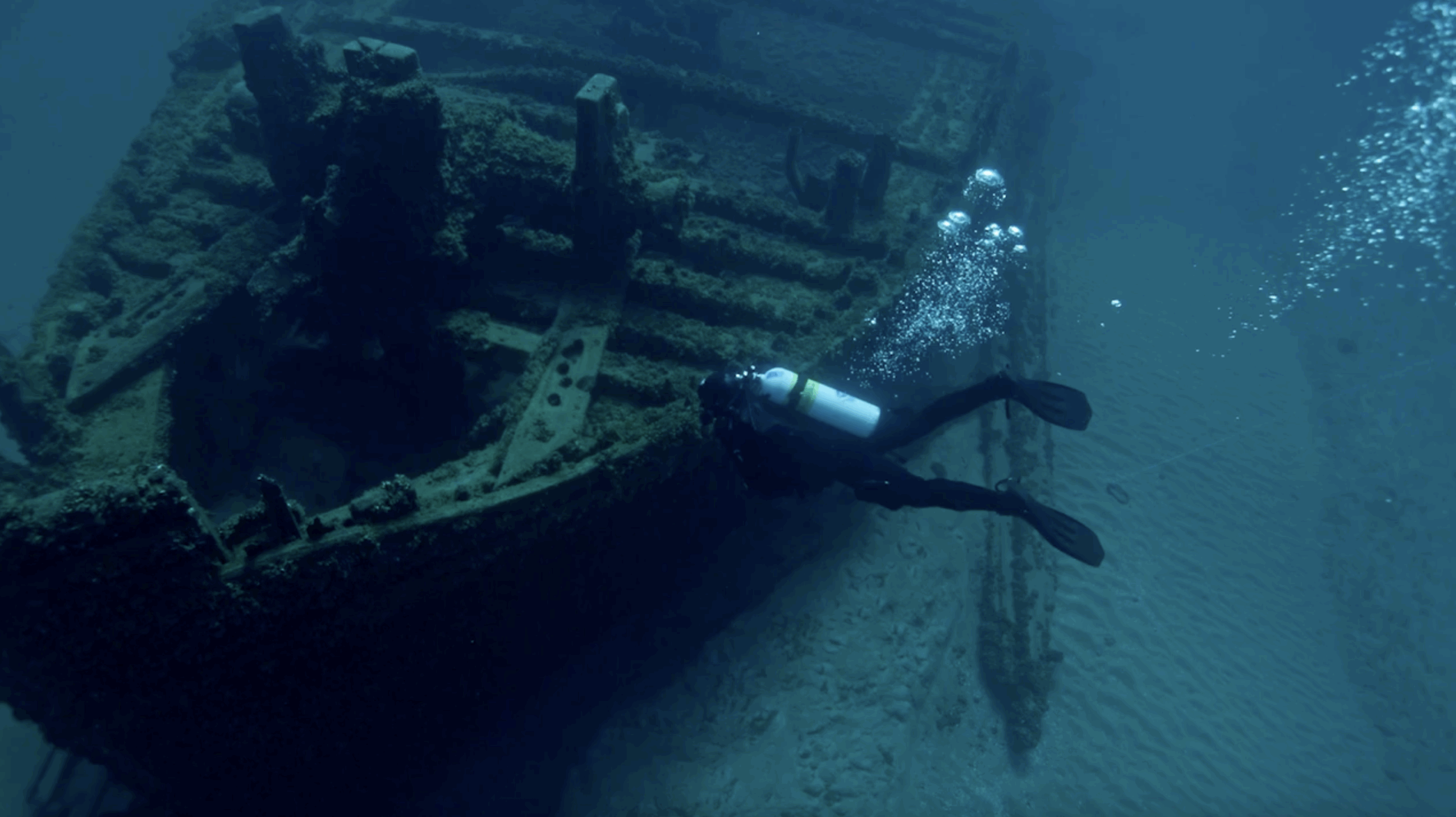
Lake Ontario National Marine Sanctuary is home to dozens of long lost shipwrecks. In 2024, the Great Lakes’ newest National Marine Sanctuary hosted its first major expedition to explore these underwater time capsules. Led by expedition leader Jason Fahy and maritime archaeologist Ben Ioset, the team set out to document more than a dozen wrecks, including vessels that had never been seen by humans before.

For the public, the expedition was more than just research. One dive was livestreamed in real time, allowing viewers around the world to watch as archaeologists revealed a schooner that had been lost for over a century. The mission also produced high-quality video, photographs, and detailed 3D models that now let anyone explore these wrecks from home. Together, these efforts preserve fragile history while making it accessible to everyone.

How Canadian forests built a Chicago media empire

SEGMENT 3 | CHICAGO, IL ; THOROLD, ON

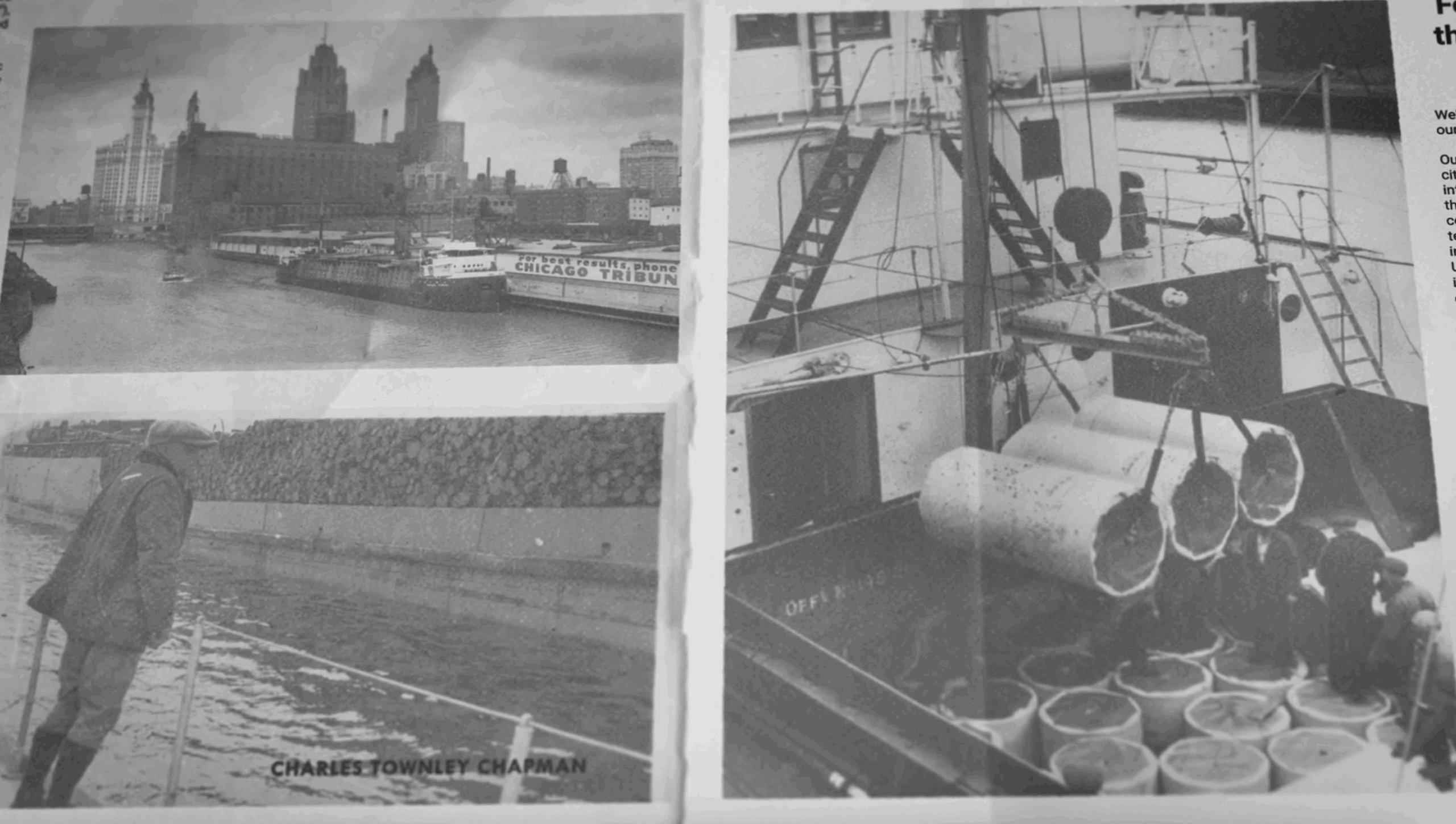
In the 20th century, the newspapers that landed on Chicago doorsteps carried with them a story that began hundreds of miles away, deep in the forests of Quebec. For decades, the Chicago Tribune relied on Canadian pulpwood to fuel its massive demand for newsprint.

At the center of this operation was the Ontario Paper Company, the creation of Tribune owner Robert McCormick. The Ontario Paper Company would harvest millions of acres of timberlands in Quebec, and transport them on Tribune owned ships to the company’s paper mill in Thorold, Ontario. From there, the paper would be transported to Chicago, where it would carry headlines, cartoons, and the news of the day to readers in Chicagoland and beyond.


Previous Episodes

Featured Articles

In world of AI, Michigan State University Extension bets on human expertise
- by Bridge Michigan

For 118 years, Michigan State University Extension has existed to serve the public with programs ranging from canning classes to soil testing and financial literacy workshops. Now, it aims to bill itself as an antidote to online misinformation.

Trump administration moves to weaken federal protections for waterways and wetlands
- by Inside Climate News

Environmental groups warn the proposal to change the definition of “waters of the United States” would eliminate crucial safeguards for “countless” bodies of water.

$18M approved in bill credits for Pennsylvania customers in ‘forever chemicals’ settlement
- by Lisa John Rogers, Great Lakes Now

More PFAS news with a “cover-up” in Canada’s North Bay, and Wisconsin legislators estimate pollution cleanup could cost several billion dollars.

The history of taming the Great Black Swamp
- by Patrick Wensink

Before farms and suburbs, the Great Black Swamp thrived. Restoring it could help curb Lake Erie’s harmful algal blooms today.

The Fight to Save Lake Whitefish
- by Mila Murray

The race to save whitefish, a restaurant with local flavors and the Erie Canal turns 200.

Stanton Yards development merges art, nature on Detroit River, envisions ‘thriving new community destination’
- by John Hartig

A waterfront extension of Detroit’s Little Village cultural development is planned as a 13-acre public gathering place.

Roads in the Great Lakes region get riskier after daylight saving ends
- by Lisa John Rogers, Great Lakes Now

Darker commutes and seasonal animal patterns make late fall one of the most dangerous times on regional roads.

Fifty years later: The little-known story of the families the Fitz left behind
- by Thomas Nelson

After the Edmund Fitzgerald sank, grieving families faced another storm: unequal insurance payouts, corporate pressure and a legal system stacked against them.

Going Country at Farrand Hall
- by S. Nicole Lane

How a small town dining experience is bringing the farm to the table.

Ontario is subsidizing an energy project in Georgian Bay despite expert advice
- by The Narwhal

An internal memo from Ontario’s electricity system operator outlines concerns with TC Energy’s large pumped storage proposal in Meaford, including cost overruns and an inability to meet short-term energy needs.