IN THIS EPISODE:
It’s been 50 years since a freighter sank in the Great Lakes, but in June 2024, one ship came dangerously close. For one crew member, the experience was life changing. Then, learn about a legal battle that could have major consequences for farmers and the environment.
When to Watch?
Check your local station for when Great Lakes Now is on in your area.
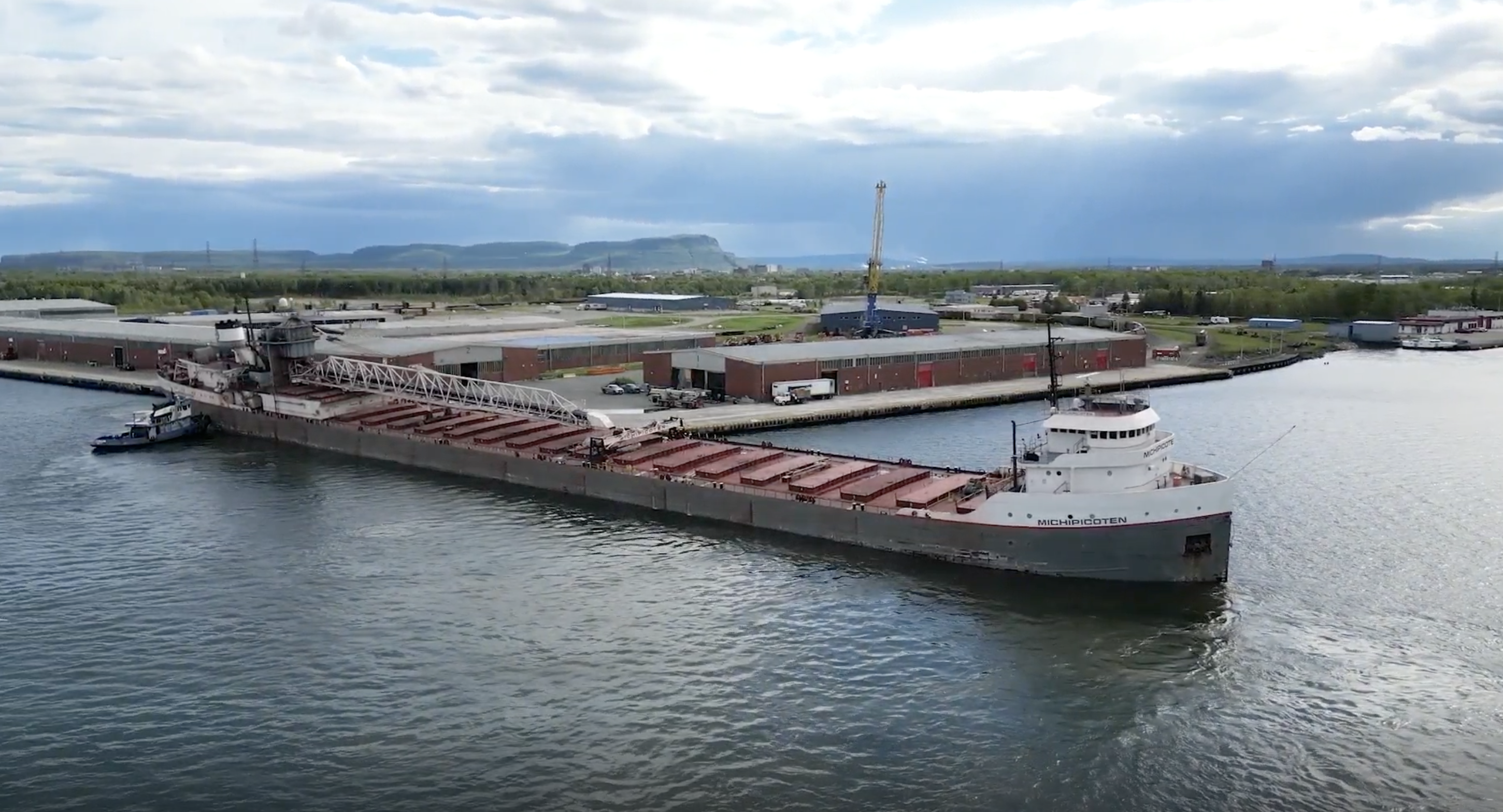
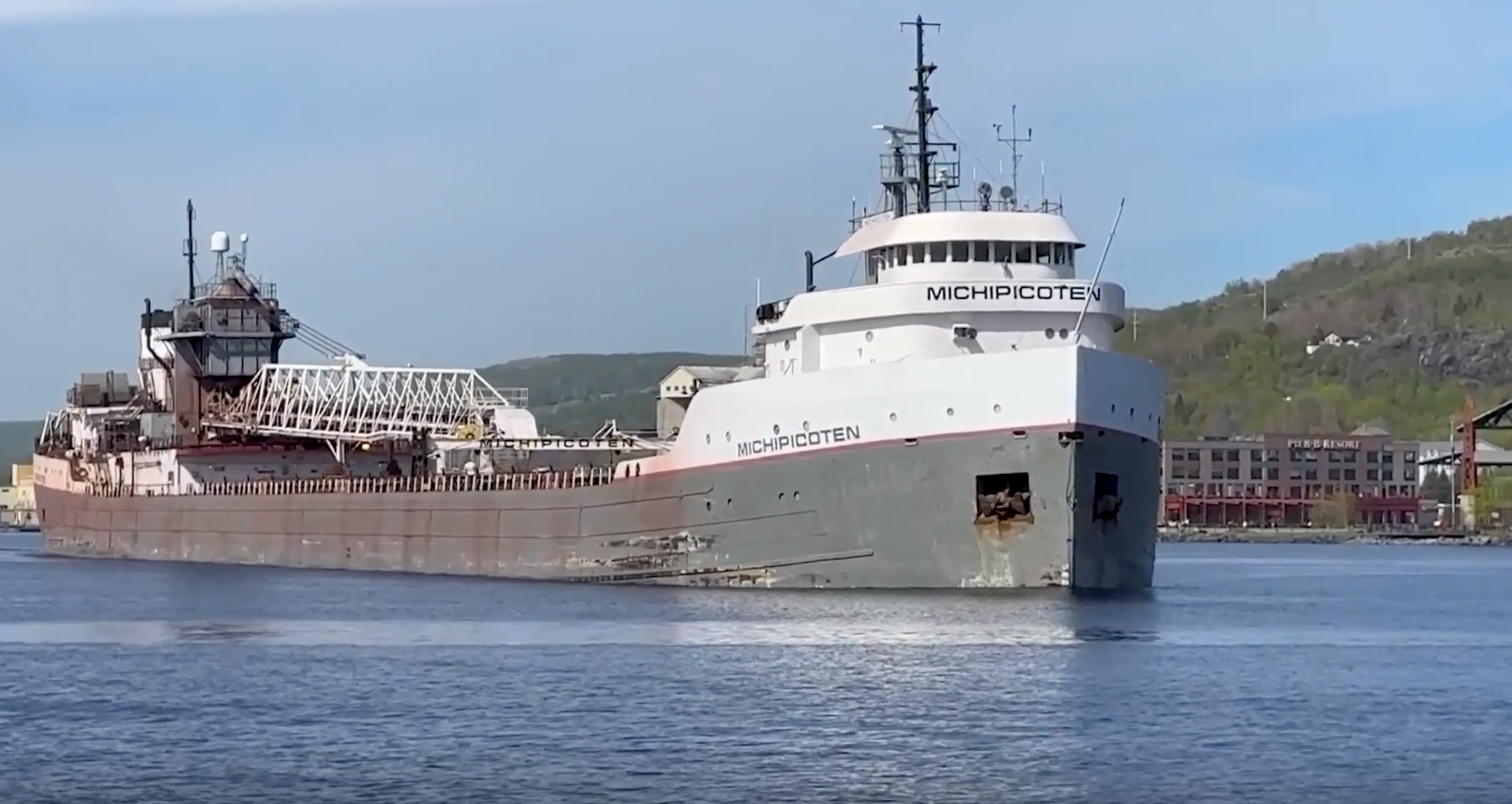
Has this freighter made its final voyage?
SEGMENT 1 | Thunder Bay, ON; Duluth, MN; Superior, WI; Port Dover, ON
It’s been 50 years since a freighter sank in the Great Lakes. But in the summer of 2024, one freighter came dangerously close.
On June 8, 2024, the Michipicoten was carrying a load of iron ore across Lake Superior when the crew heard a loud bang. The ship was taking on water.
Kent Knechtel was the Michipicoten’s second engineer, whose life was changed by his experience that day.
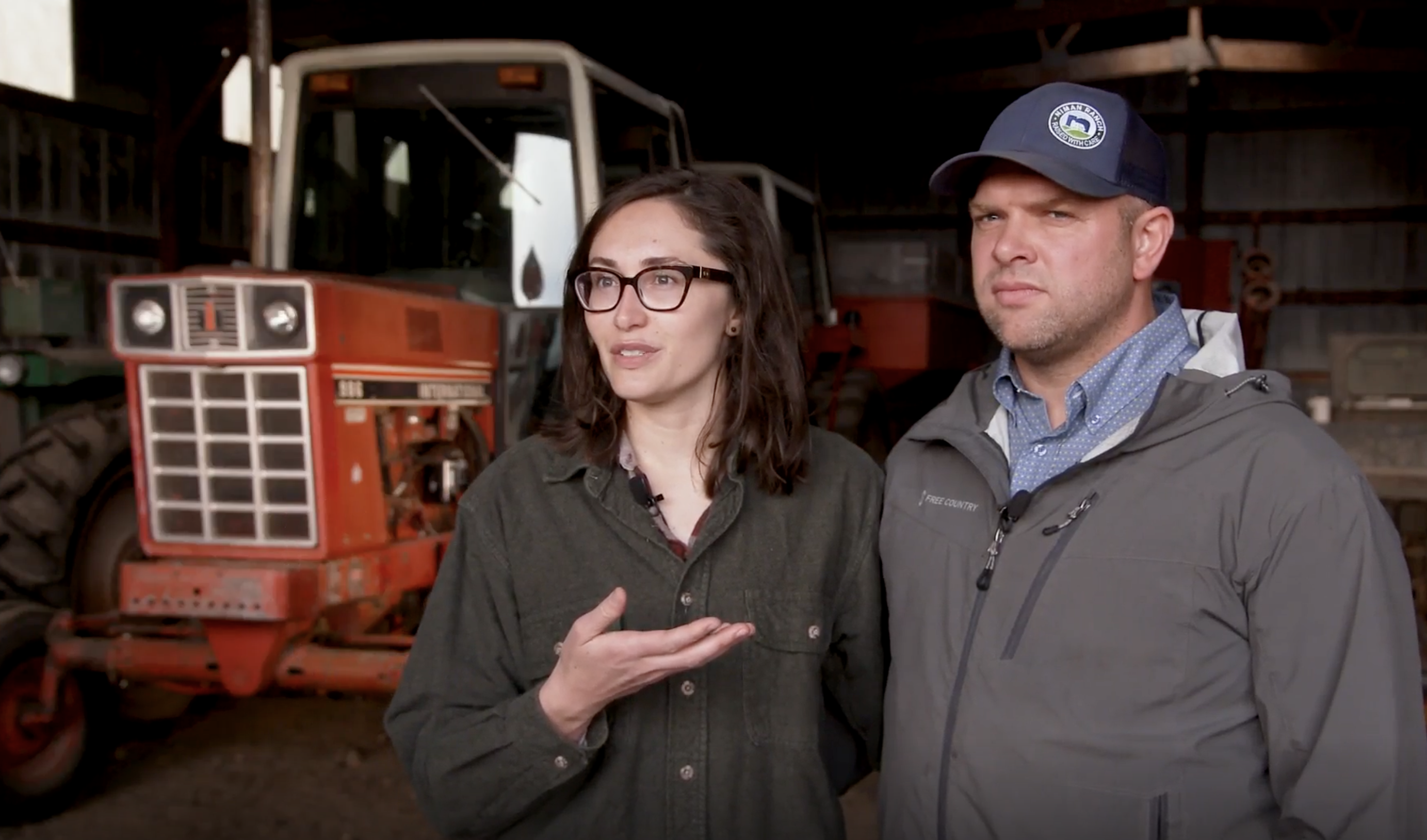
This wetland fight could go to the Supreme Court
SEGMENT 2 | Iowa, Great Lakes
A pending court case could impact farmers across the country. At issue is a USDA rule aimed at protecting wetlands called “Swampbuster.” In place since 1985, it’s being challenged in court by an absentee landowner in Iowa.
Under Swampbuster, farmers have to agree not to drain or fill their wetlands, in order to receive farm benefits such as crop insurance, disaster relief and USDA loans.
Jim Conlan, a hedge fund manager in suburban Chicago, claims Swampbuster is unconstitutional. “And the reason I say that is because the federal government prohibits it from being used for anything that has any economic value at all,” says Conlan.
Conlan’s investment firm, CTM Holdings, owns a 72-acre parcel near the small town of Delaware, Iowa, which Conlan rents out to a local farmer. About nine acres of that land are considered wetlands.
“Every acre of wetland holds about one million gallons of water,” says Katie Garvey, an attorney with the Environmental Law and Policy Center in Chicago.
That is a concern for farmers who live downstream from Conlan’s farm. “This is not an Iowan,” says Elle Gadient, who owns a farm with her husband in Worthington, Iowa. “This is someone who lives in Chicago, who has an investment property, and is trying to make a change that affects Iowa farmers.”
A federal judge has ruled against Jim Conlan and CTM Holdings. His attorneys say they will be appealing.
Featured Articles